Cadgwith, Lizard Peninsula, Cornwall, near Helston TR12 7JZ
Cadgwith
Historic village
Place photograph
6.3
Wildland
1–2 hours
Time
Check
Cost
Atmospheric
Feel
Why it's Wildland
6.3A small working fishing cove where cottages crowd the hillside above shingle, boats and the South West Coast Path.
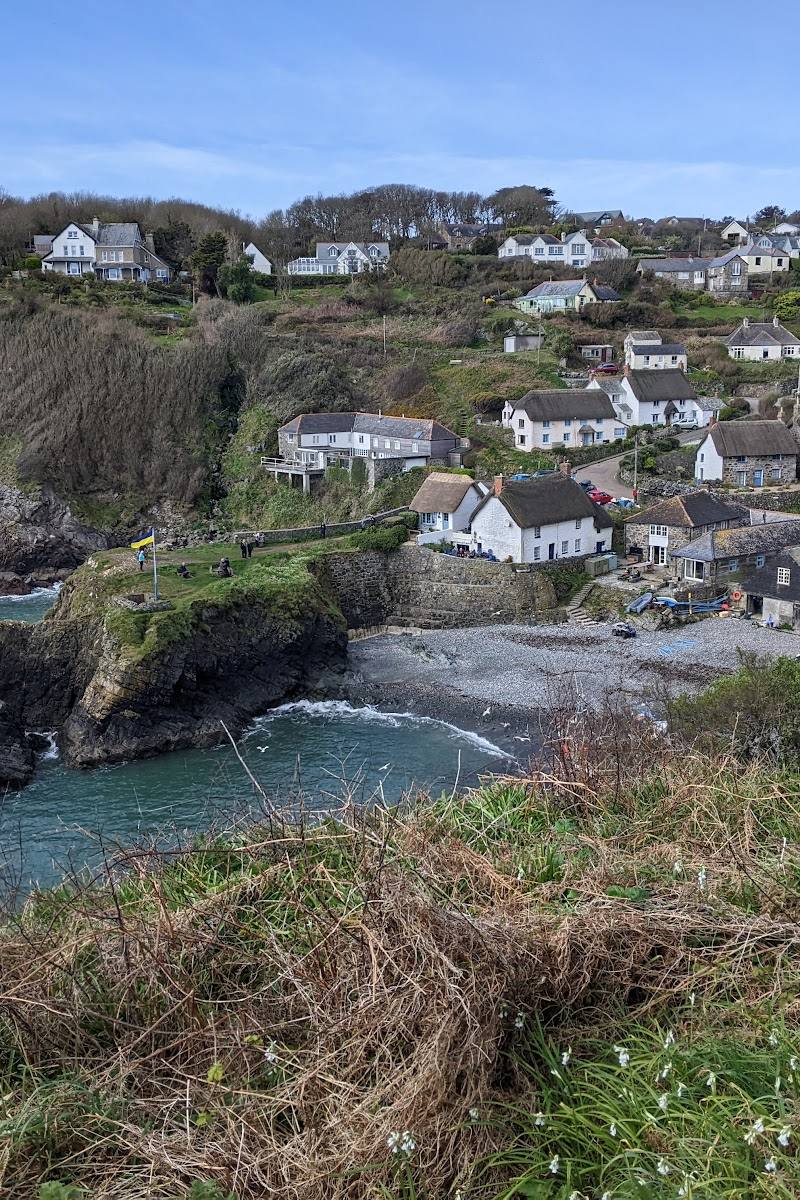
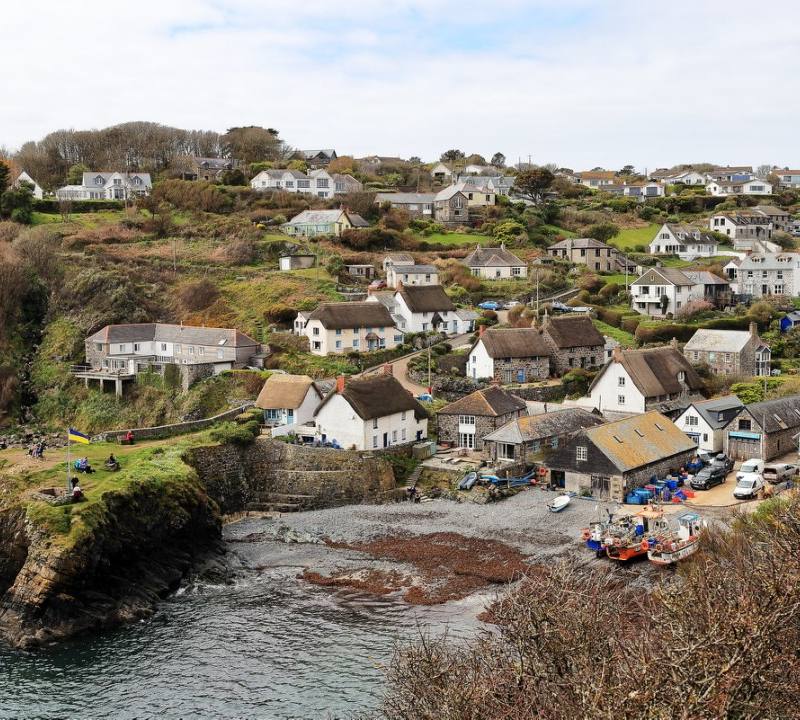
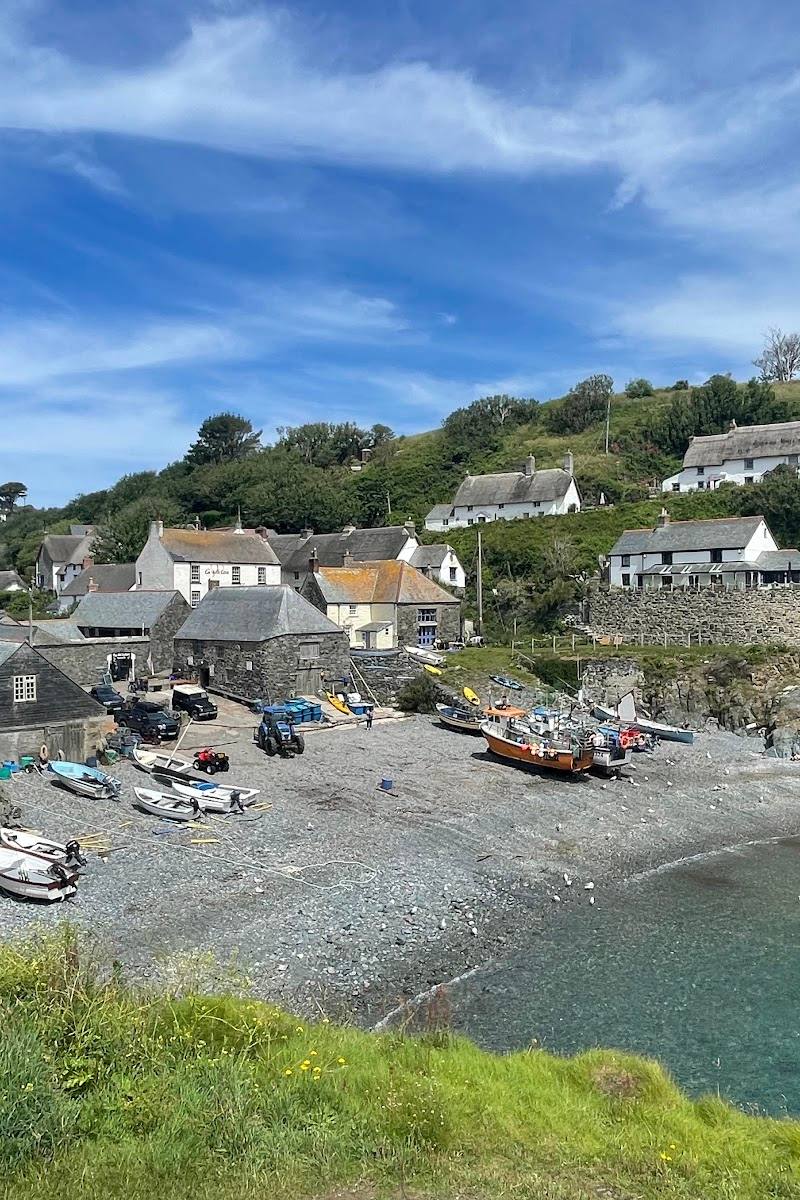
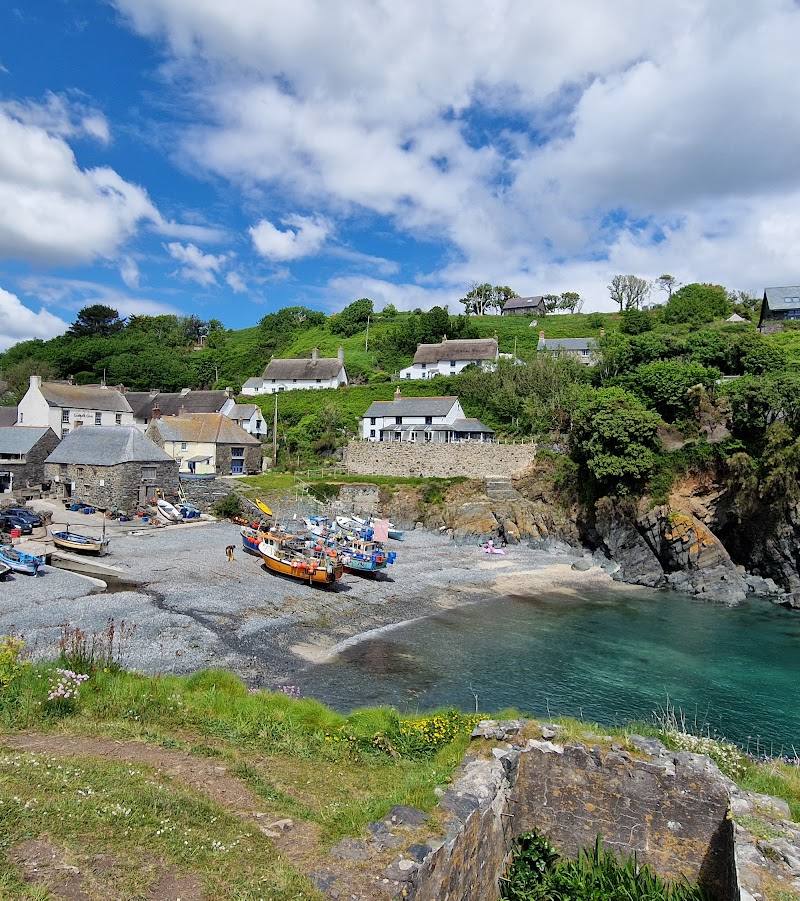
Cadgwith brings together a distinctive working-cove setting, a long fishing and lifeboat history, and direct access to dramatic Lizard Peninsula coastal walking. Its appeal is in the details: the two small beaches divided by the Todden, the old cottages above the harbour and the exposed coastline beyond.
Atmospheric · Quirky
Find your way
Open mapCadgwith, Lizard Peninsula, Cornwall, near Helston TR12 7JZ
Opening map…
Know this place a little better?
The experience
Explore the village and harbour, look for traces of its fishing and lifeboat past, and take a section of the South West Coast Path. Swimming is mentioned by supplied guides, but conditions and local advice should be checked before entering the sea.
Things to do
Explore the harbour and cove
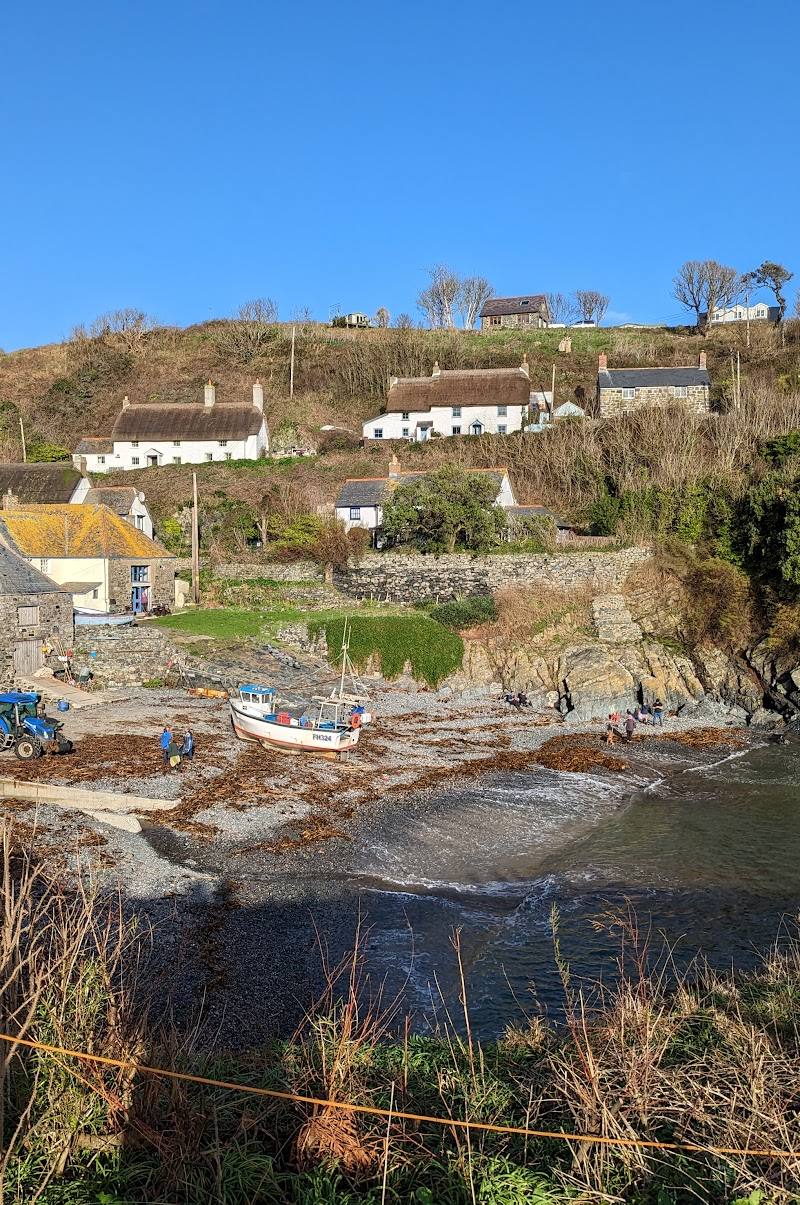
Wander through the village to the shingle cove and harbour, where sources describe fishing boats and local fishing activity.
30–60 minutes
Walk a section of the South West Coast Path
The national trail passes through Cadgwith. A supplied heritage guide describes a cliff-top walk towards Church Cove; expect coastal terrain and check conditions before choosing a route.
Find the Todden passage
Look for the rocky promontory called the Todden, which separates the Cove and Little Cove; a passage through the rock is described as linking the two beaches.
Look for the old Watch House
The heritage source identifies a Watch House beside the former lifeboat station, once used as a Customs Office and lock-up.
Make a day of it
Quick escape · 1–2 hours
Quick Escape: village and harbour
- 01
Park at the top of the hill if current arrangements allow.
- 02
Walk down into Cadgwith, taking in the hillside cottages.
- 03
Explore the harbour and the two small beaches from suitable public areas.
- 04
Return uphill the way you came.
Half day · Half day
Make a half day of it: cove and coast path
- 01
Explore Cadgwith’s harbour, cottages and beach area.
- 02
Follow a section of the South West Coast Path from the village towards Church Cove or towards The Lizard, checking route conditions and choosing a suitable return plan.
- 03
If open, pause at a village pub or the harbour crab shop; confirm availability before setting out.
Verified history
Cadgwith grew from fish cellars used by local farmers; the supplied heritage account says the village gained permanent residents in the 16th century, when some farmers turned to fishing full-time. Many cottages are described as dating from the 17th century. The source records a reported catch of 15 million pilchards in 1845. A local lifeboat service began in 1867 and moved to nearby Kilcobben Cove in 1963. The old lifeboat station was later used to store the village’s gig boats.
Hidden details
The Todden and its passage — The rocky Todden divides the Cove and Little Cove; a passage through the rock is described as connecting the two beaches.
The Watch House’s former roles — The building beside the former lifeboat station is identified in the heritage source as a former Customs Office and lock-up.
When to go
April · May · September · October · Early morning or golden hour
A supplied local guide recommends spring and early autumn for a quieter visit. The heritage guide notes that sunny summer weekends can be very busy.
This is an exposed coastal setting. Check the forecast, tide information and local conditions before walking the cliffs or entering the sea.
Worth pairing with
Church Cove
A heritage source describes a clifftop walk between Cadgwith and Church Cove; check route conditions and access before setting out.
The Devil’s Frying Pan
A collapsed sea cave and coastal rock formation on the path towards The Lizard, described as particularly dramatic in stormy weather. View from a safe, appropriate position and keep clear of cliff edges.
What to look for
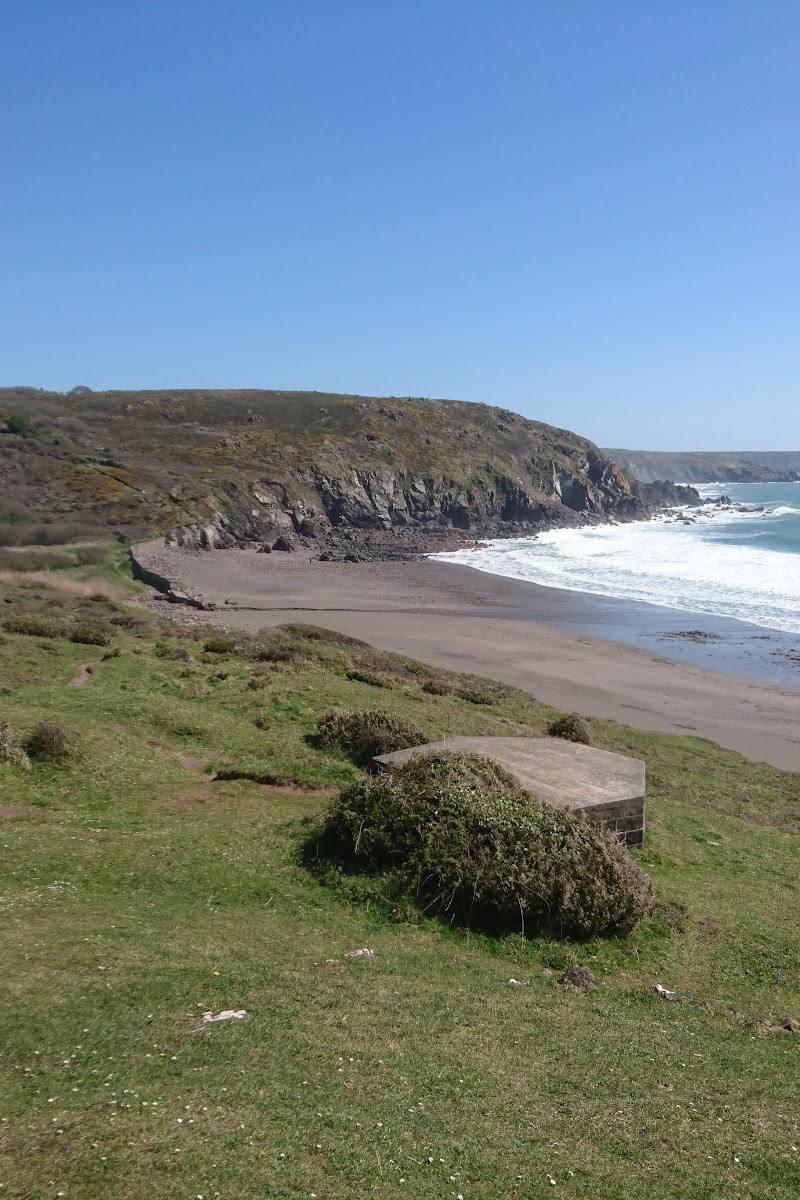
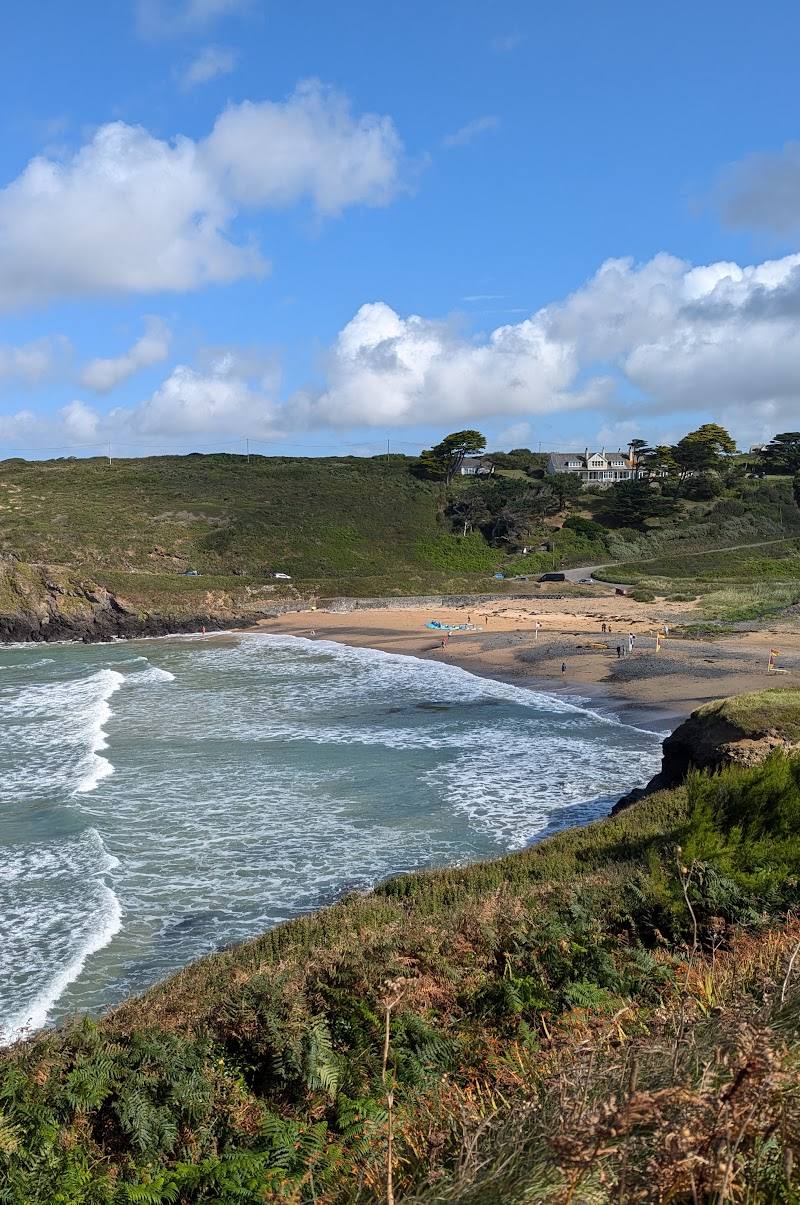
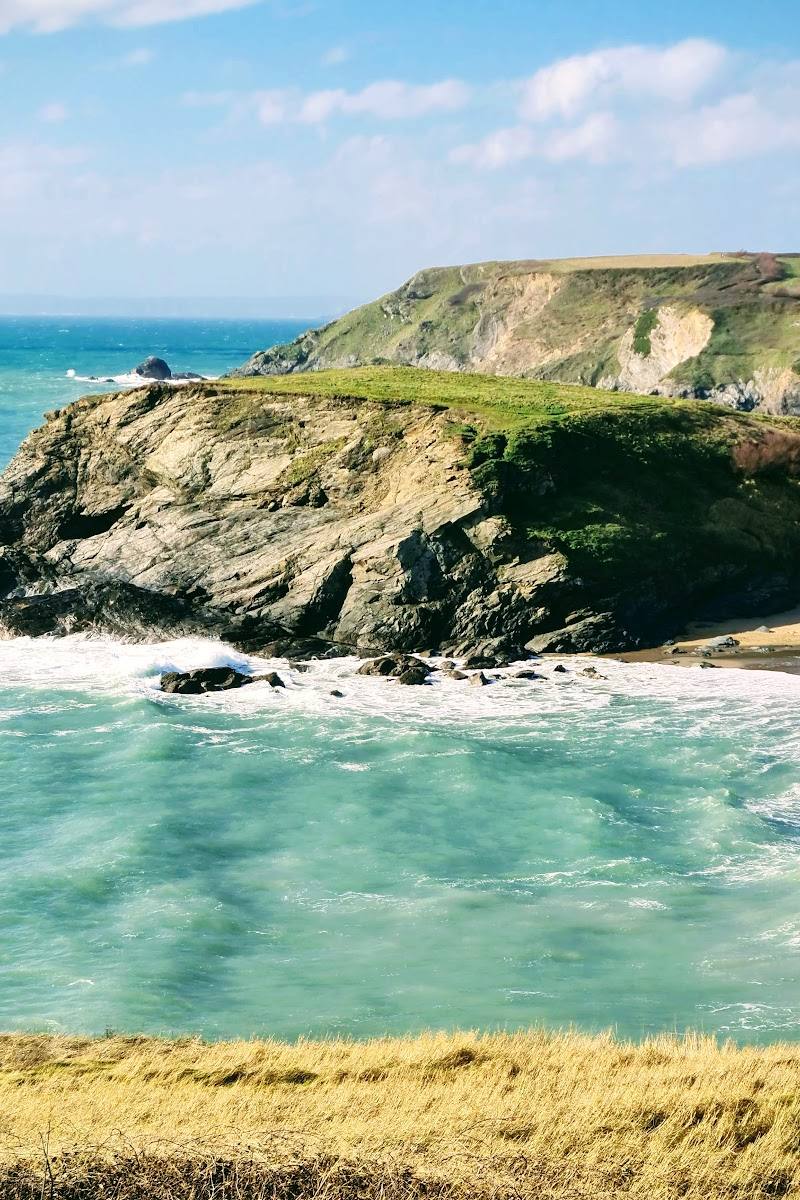
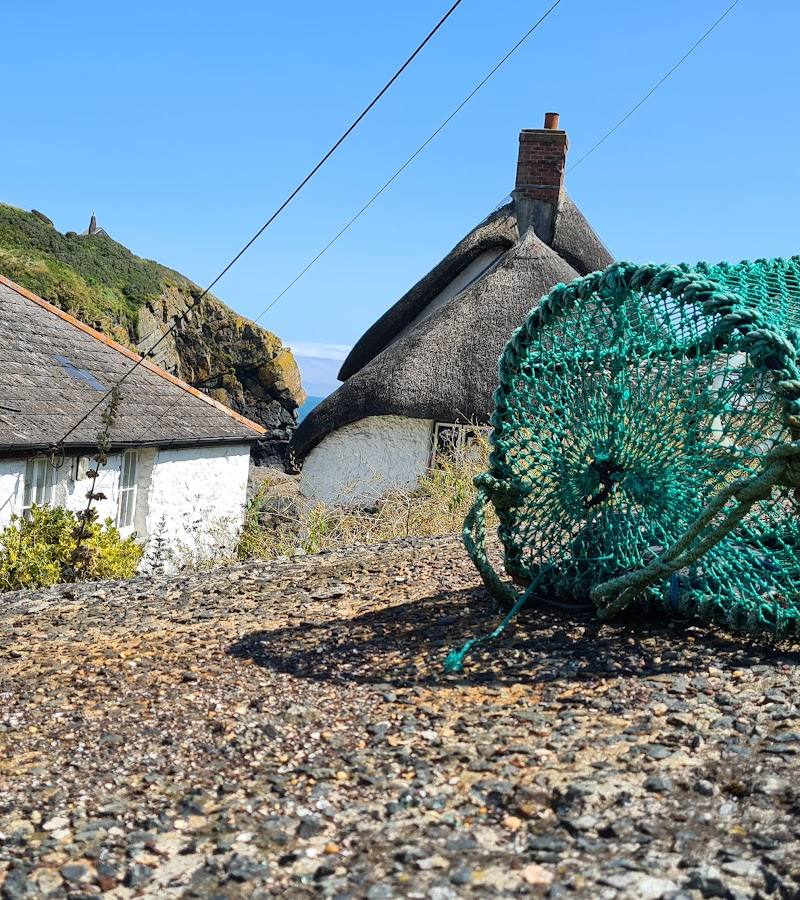
Look for the two beaches separated by the rocky Todden, the passage through the rock linking them, traditional cottages on the hillside, boats and fishing gear at the harbour, and the old Watch House.
The story
Industry, Maritime
Best time to go
Spring and early autumn
Spring and early autumn are described as quieter seasons. Early morning or golden hour is suggested for a calmer, more atmospheric visit; summer weekends can be busy.
How long to spend
1–2 hours
Perfect for
Walkers · Photographers · History lovers
Before you go
Address
Practical information
Opening & access
A path descends from the car park at the top of the hill into the village and harbour. Check current access and parking arrangements before travelling; take care on steep paths and near the cliffs.
Check before visiting
Parking
A car park at the top of the hill is reported; check current arrangements and charges before visiting.
Check before visiting
Toilets
Check before visiting
Check before visiting
Food & drink
A pub and a crab shop by the harbour are mentioned in the supplied sources; check current opening and availability.
Check before visiting
Dogs
One supplied guide reports dogs are allowed year-round on the east beach and subject to a seasonal daytime ban on the west beach from 1 July to 31 August. Check current local rules.
Check before visiting
Accessibility
The route down to the harbour includes a hill and the source describes steep steps to one beach. Check suitability and current conditions before visiting.
Check before visiting
Cost
Check before visiting
Check before visiting
Water
Sea
Gallery
Place photographsKeep exploring
Around Cadgwith
Within 50 km · approximate straight-line distances
 Place photograph6.5
Cadgwith Cove
Cadgwith, near Helston, on the Lizard Peninsula, Cornwall TR12 7JX
0.2 km away
 Place photograph6.2
Cadgwith Harbour
Cadgwith, Lizard Peninsula, near Helston, Cornwall TR12 7JX
0.2 km away