Burrator, near Yelverton, Devon, on the western edge of Dartmoor
Burrator Wood
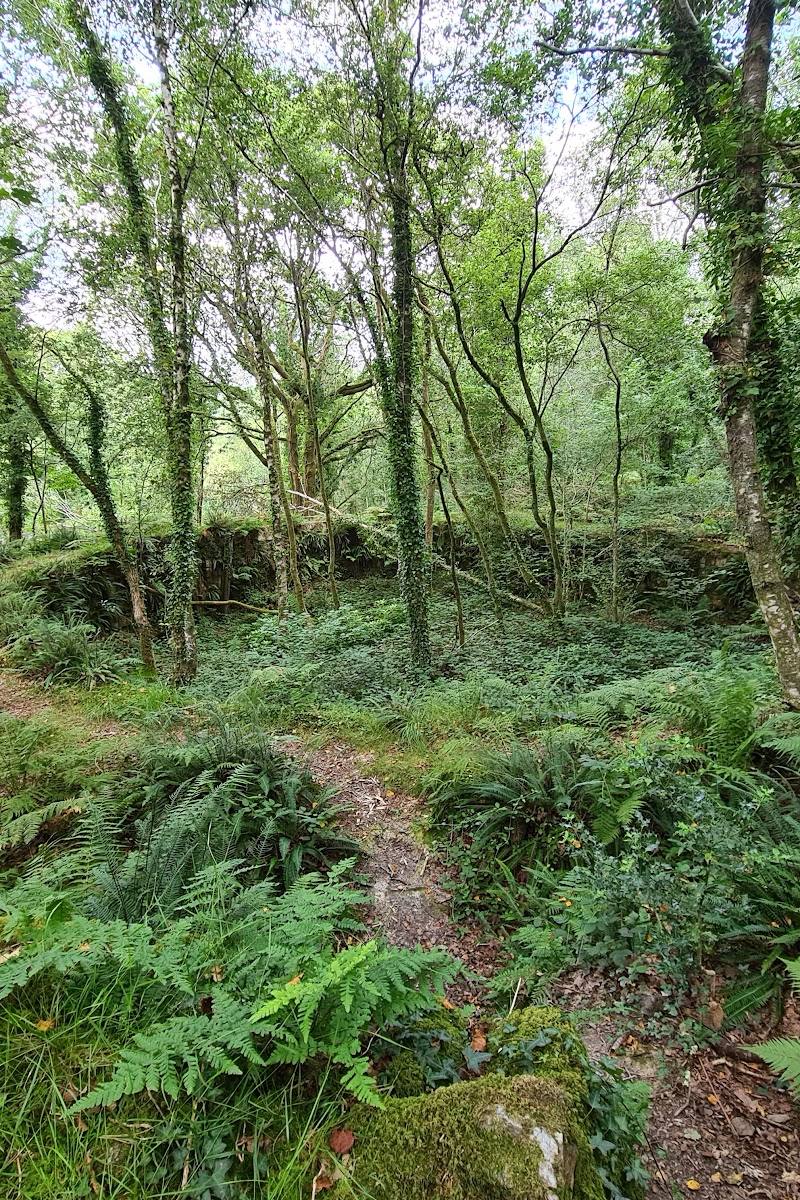
Broadleaf woodland
Place photograph
6.3
Wildland
1–2 hours
Time
Check
Cost
Peaceful
Feel
Why it's Wildland
6.3At Burrator, woodland meets open Dartmoor: a short Arboretum wildlife trail sits within a much larger landscape of reservoir, moorland, tors and traces of earlier lives.
This is more than a woodland stroll. The Arboretum’s accessible wildlife trail is a gentle introduction to Burrator, while the surrounding landscape opens out to reservoir views, a wetland reserve, prehistoric remains and evidence of tin working and an old railway.
Peaceful · Wild
Find your way
Open mapBurrator, near Yelverton, Devon, on the western edge of Dartmoor
Opening map…
Know this place a little better?
The experience
Start with the Arboretum’s easy-access wildlife trail, then explore further into Burrator’s woodland, wetland and open moorland if conditions and time allow. Look for the contrast between sheltered trees and the exposed Dartmoor skyline.
Things to do
Follow the Arboretum wildlife trail
Walk the 1.5 km easy-access trail and look for woodland birds and flowers. The trail is described as suitable for wheelchairs and pushchairs.
Not stated
Look and listen for Burrator wildlife
The Trust names nuthatches, robins, great tits, blue tits and horseshoe bats among the species found around Burrator. The site also has a wildlife guide covering 109 species.
Look for woodland flowers
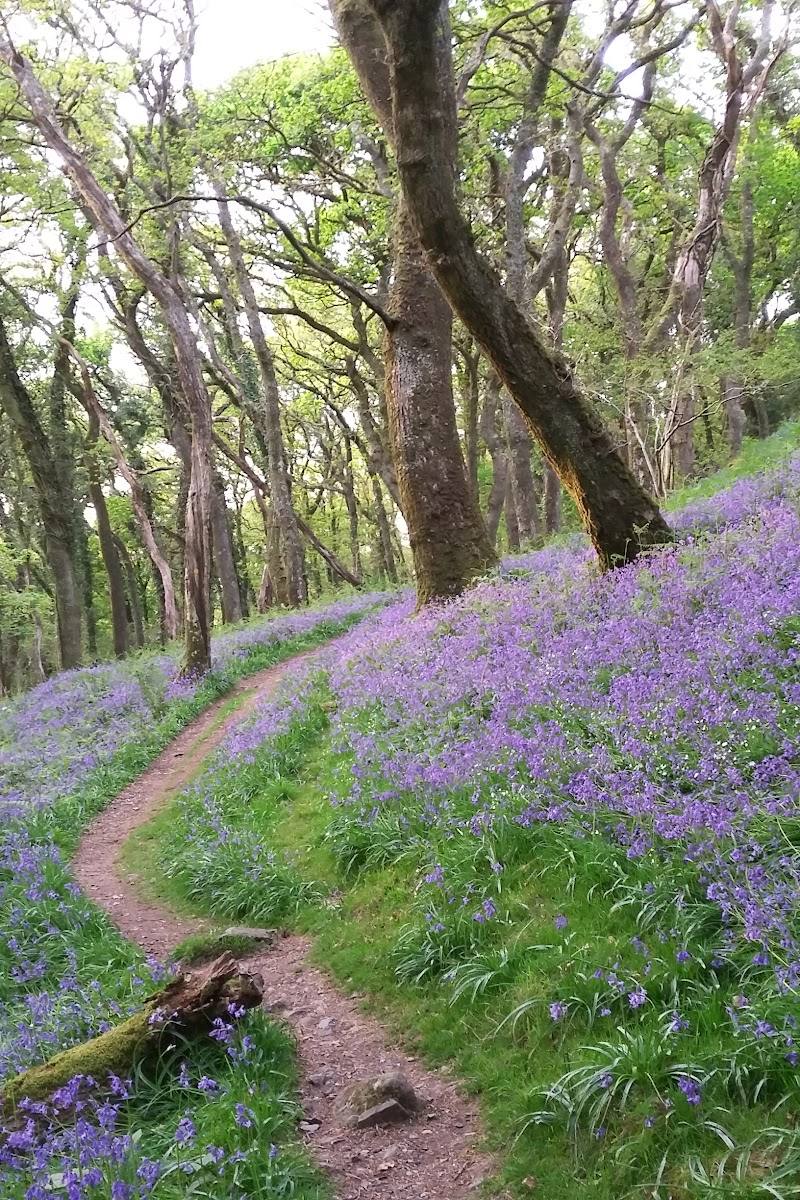
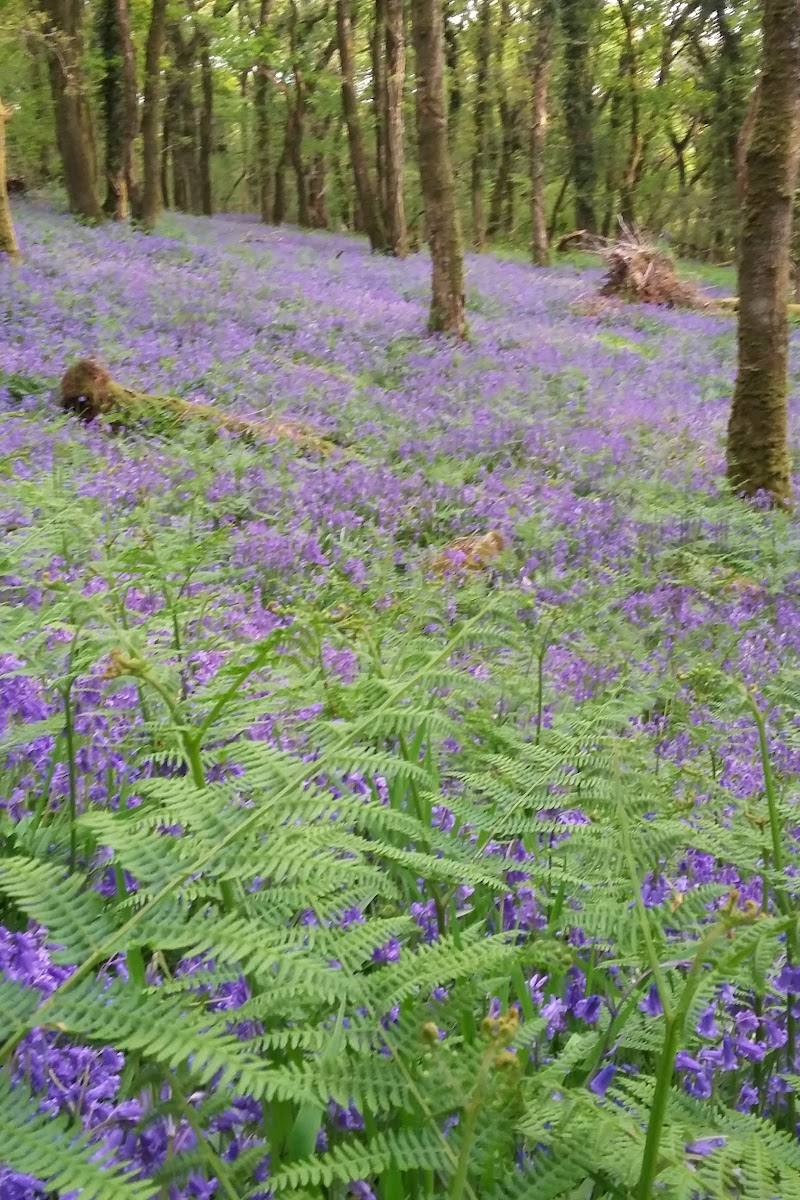
Keep an eye out for bluebells, primroses, ferns and other flowers listed by the site’s manager.
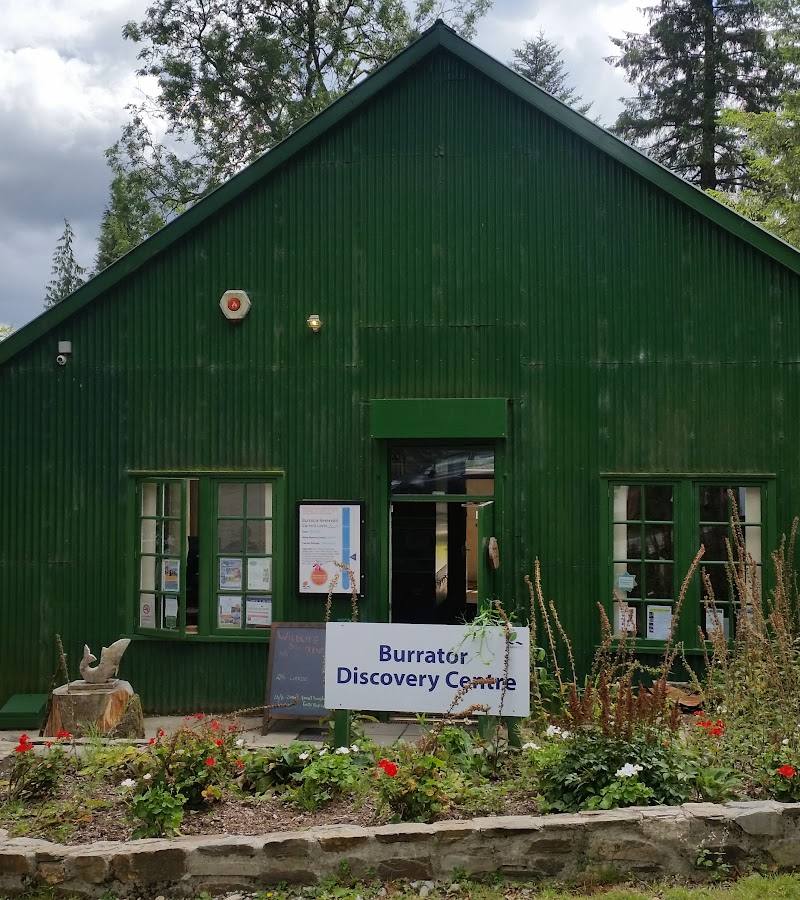
Visit the Burrator Discovery Centre
See displays, spoken history and short films about the reservoir and its surrounding landscape. Opening is subject to volunteer availability; contact the centre before making a special trip.
Explore Burrator’s historic landscape
Use a map or self-guided walk leaflet to find the wider area’s remains of abandoned farms, tin working, the Princetown Railway and prehistoric sites.
Make a day of it
Quick escape · Allow time for the 1.5 km trail; exact duration not stated.
Quick Escape: the Arboretum wildlife trail
- 01
Start at the Arboretum car park.
- 02
Follow the easy-access wildlife trail through the Arboretum.
- 03
Pause to look and listen for woodland birds and seasonal flowers.
- 04
Return to the car park.
Half day · Half day
Make a half day of it: woodland, wetland and water
- 01
Walk the Arboretum wildlife trail.
- 02
Continue to explore the Burrator woodland and wetland reserve using current maps or the Discovery Centre’s walk leaflets.
- 03
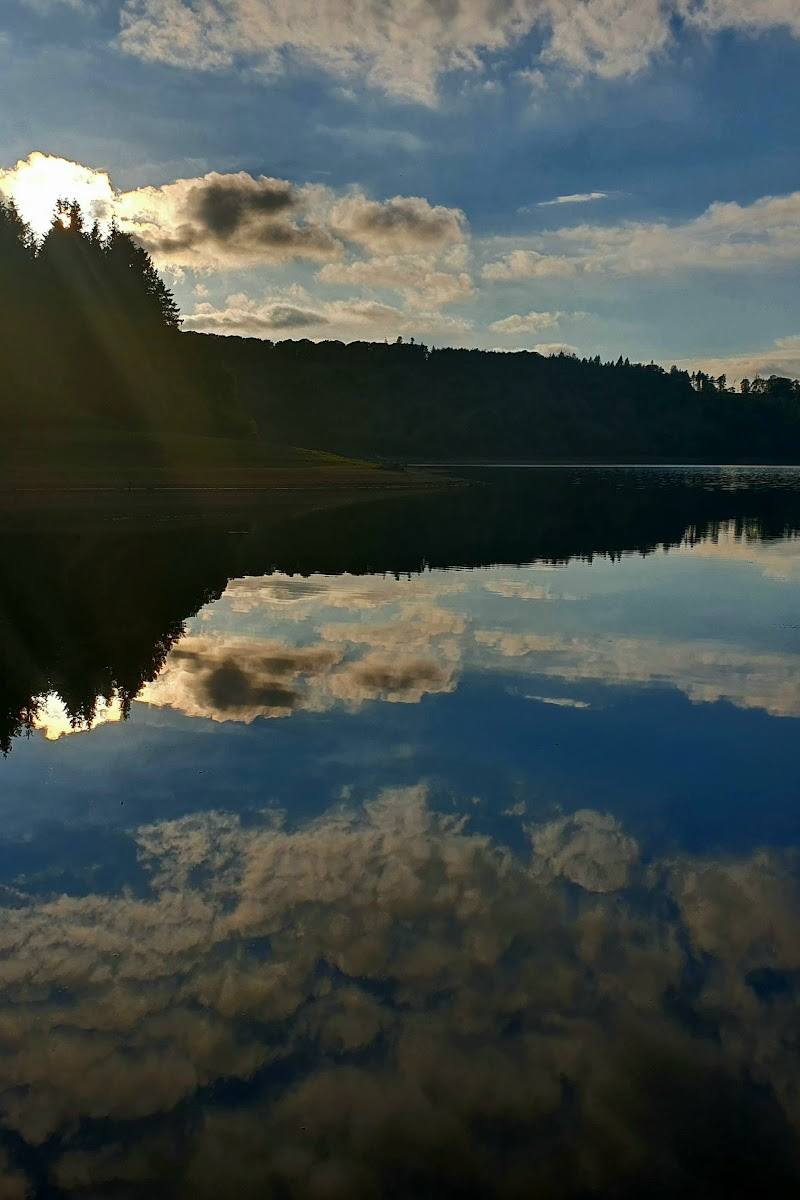
Take in the reservoir and views towards the open moorland and tors.
- 04
If time allows, visit the Discovery Centre; check its opening before making a special journey.
Verified history
Burrator’s wider landscape preserves evidence of abandoned farms, tin working, the Princetown Railway and prehistoric settlement, including cists and cairns. The reservoir’s Discovery Centre presents material about the area’s history and the construction and later raising of the dams.
Hidden details
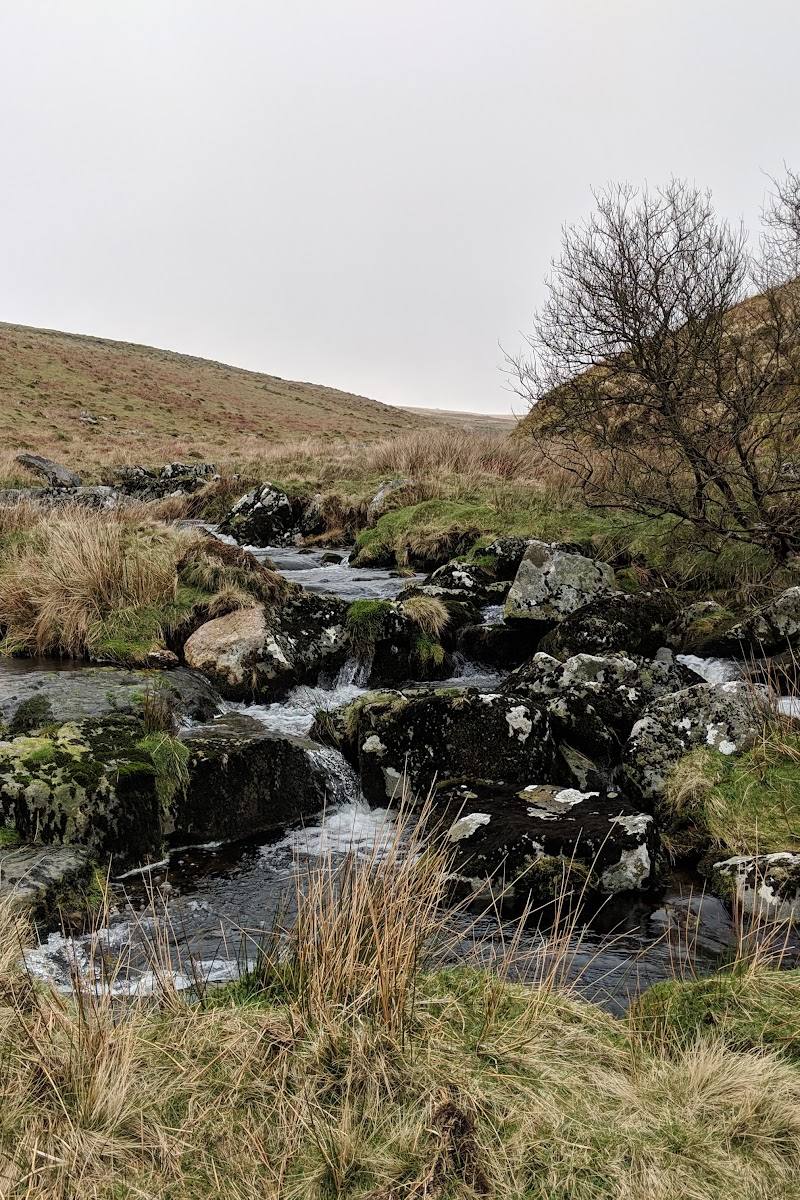
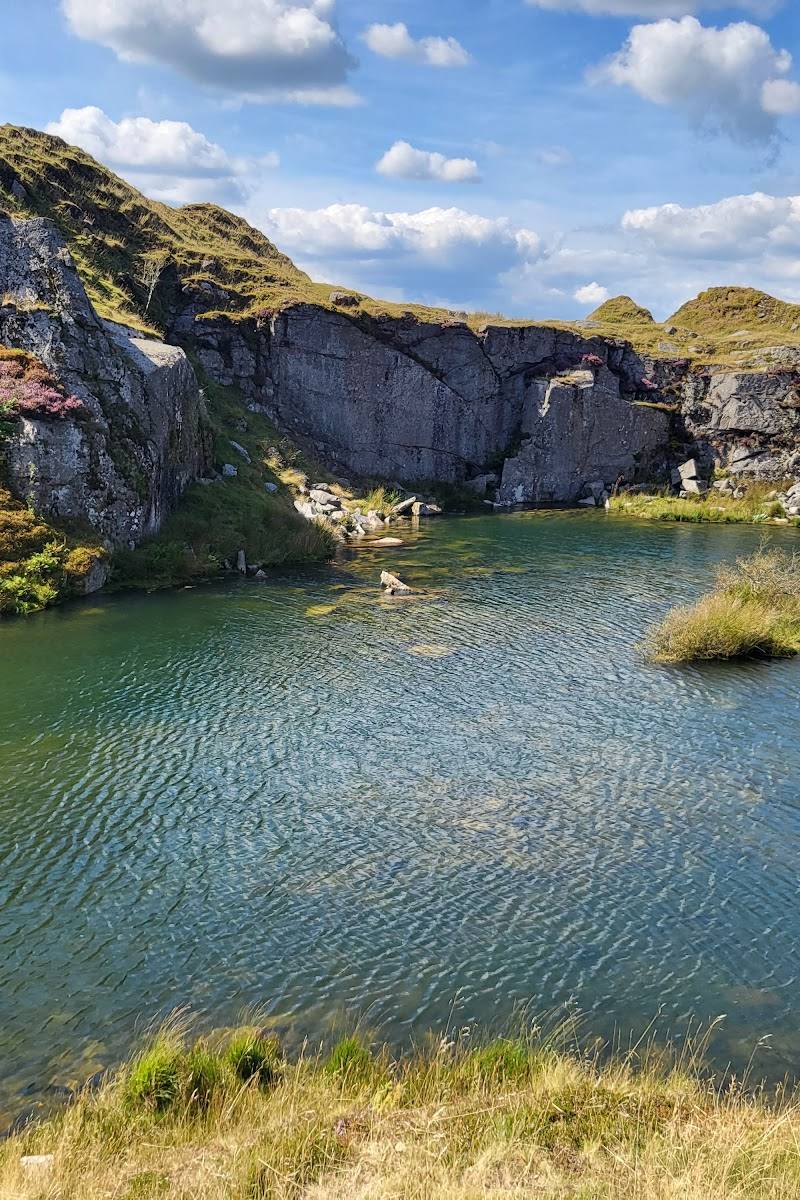
Look beyond the trees for older traces — Burrator’s wider landscape includes prehistoric cists and cairns, tin-working remains, abandoned farms and traces of the Princetown Railway. Use a current map or a self-guided leaflet to locate them.
When to go
March · April · May · September · October · Early morning for a quieter visit; check weather and ground conditions before setting out.
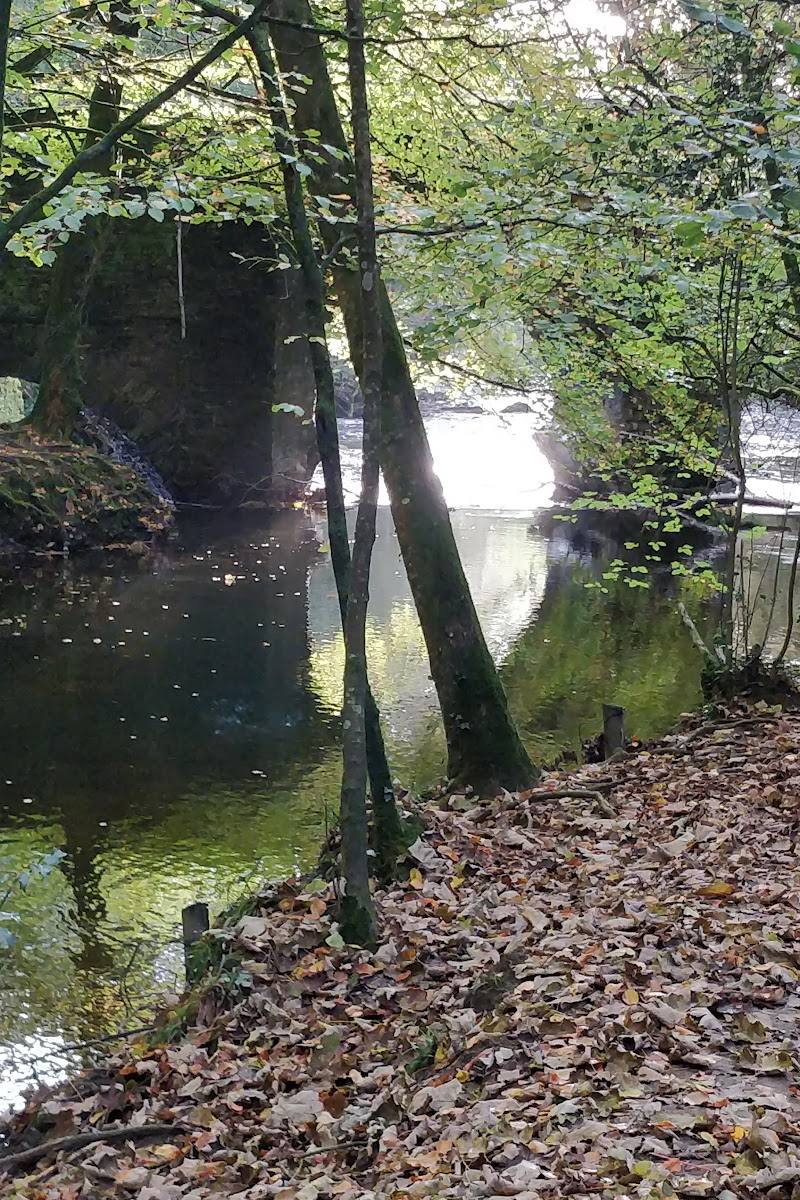
Spring is a good time to look for woodland flowers, while autumn brings colour to the surrounding trees. Burrator can be visited year-round, but wet weather can make paths muddy and slippery.
Paths may become muddy or slippery in wet weather. Dartmoor weather can change; check local conditions before setting out.
Worth pairing with
Burrator Reservoir and its wider trails
Extend a woodland visit into the surrounding reservoir, wetland, moorland and historic landscape. The Arboretum is one part of a broader network of walks.
Sheepstor
A nearby Dartmoor tor and village mentioned as a possible extension for visitors exploring the Burrator area. Check route and access details before setting out.
What to look for
Look for bluebells, primroses and ferns along the woodland floor, and listen for nuthatches and tits. Beyond the Arboretum, Burrator’s wider landscape holds traces of abandoned farms, tin working, the Princetown Railway and prehistoric cists, cairns and settlements.
The story
Tin working, abandoned farms, the Princetown Railway and prehistoric settlements
Best time to go
All year; spring for woodland flowers and autumn for colour.
Spring brings woodland flowers; autumn gives the surrounding trees their strongest seasonal colour. For the quietest feel, choose an early visit and check the weather and path conditions.
How long to spend
1–2 hours
Perfect for
Walkers · Families · Young children · Wildlife lovers · Photographers
Before you go
Address
Google rating
Practical information
Opening & access
The Burrator area has several car parks and walking routes, including an easy-access 1.5 km wildlife trail in the Arboretum. Check current conditions before setting out; paths can be muddy or slippery after rain.
Check before visiting
Parking
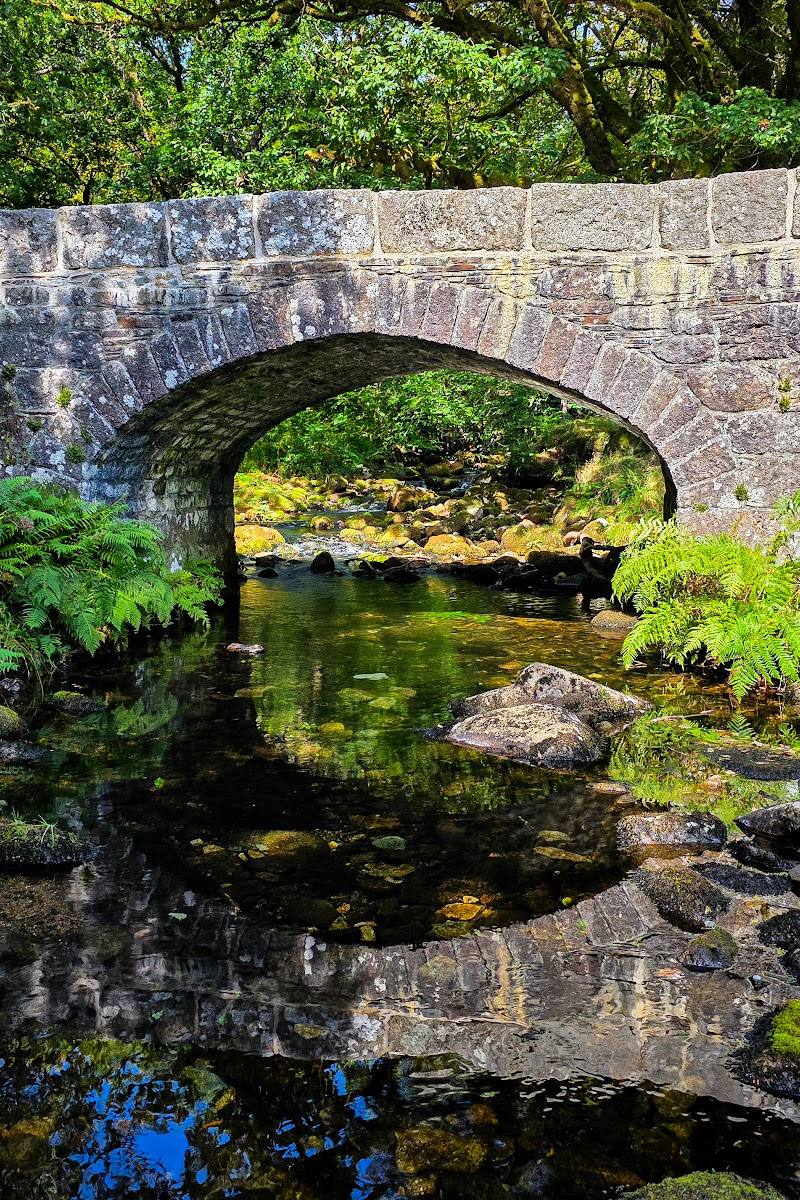
Car parks are available at the Arboretum, Quarry and Norsworthy Bridge, among other locations. Check current arrangements before travelling.
Check before visiting
Toilets
Public toilets at the main dam are reported open seven days a week; check before visiting.
Check before visiting
Food & drink
An ice-cream van is regularly at the main dam and at Norsworthy Bridge car park on busy days. Other food options at the site are not confirmed.
Dogs
Check current reserve guidance and on-site signage before visiting with a dog.
Check before visiting
Accessibility
The Arboretum has an easy-access 1.5 km wildlife trail described as suitable for wheelchairs and pushchairs. Other paths may be uneven or muddy; check conditions and route suitability before visiting.
Check before visiting
Cost
Check before visiting
Check before visiting
Water
Reservoir
Gallery
Place photographs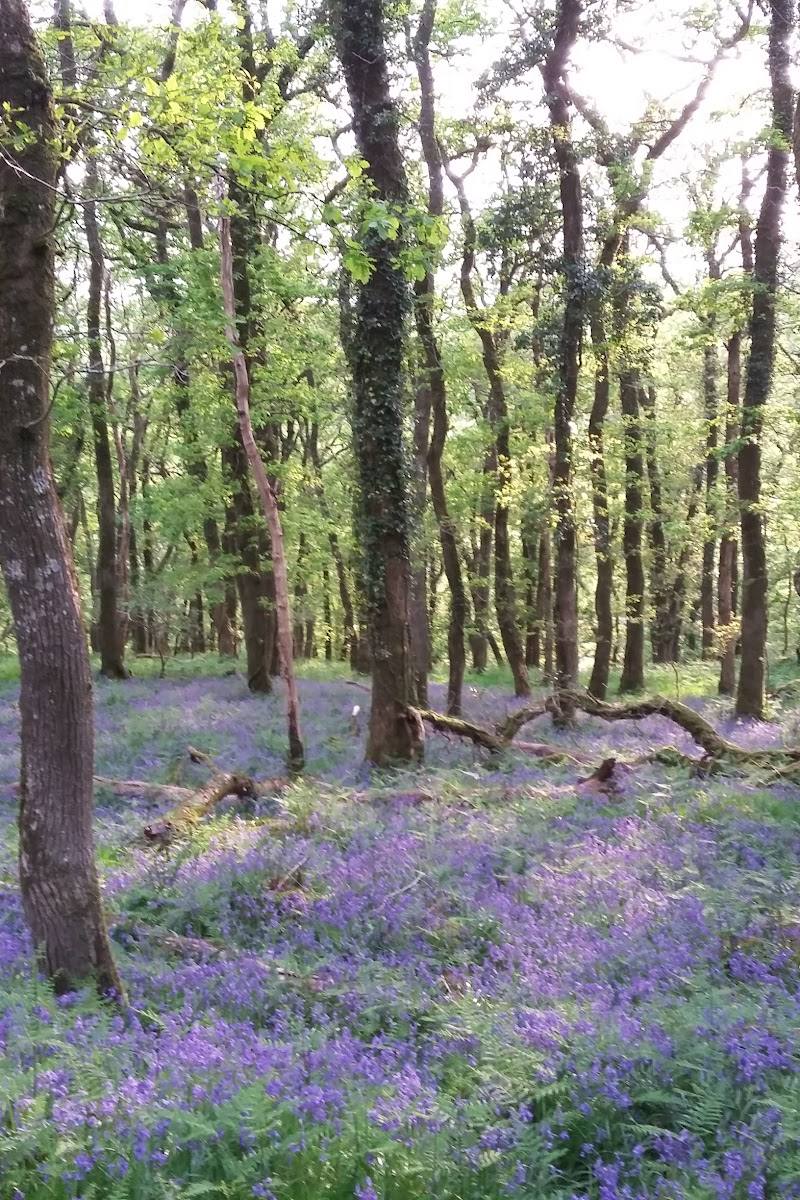
Keep exploring
Around Burrator Wood
Within 50 km · approximate straight-line distances