
Ell Lane, Brinklow, Rugby, Warwickshire CV23 0LR
Brinklow Castle
Castle
Place photograph
4.8
Wildland
Under 1 hour
Time
Free
Cost
Atmospheric
Feel
Why it's Wildland
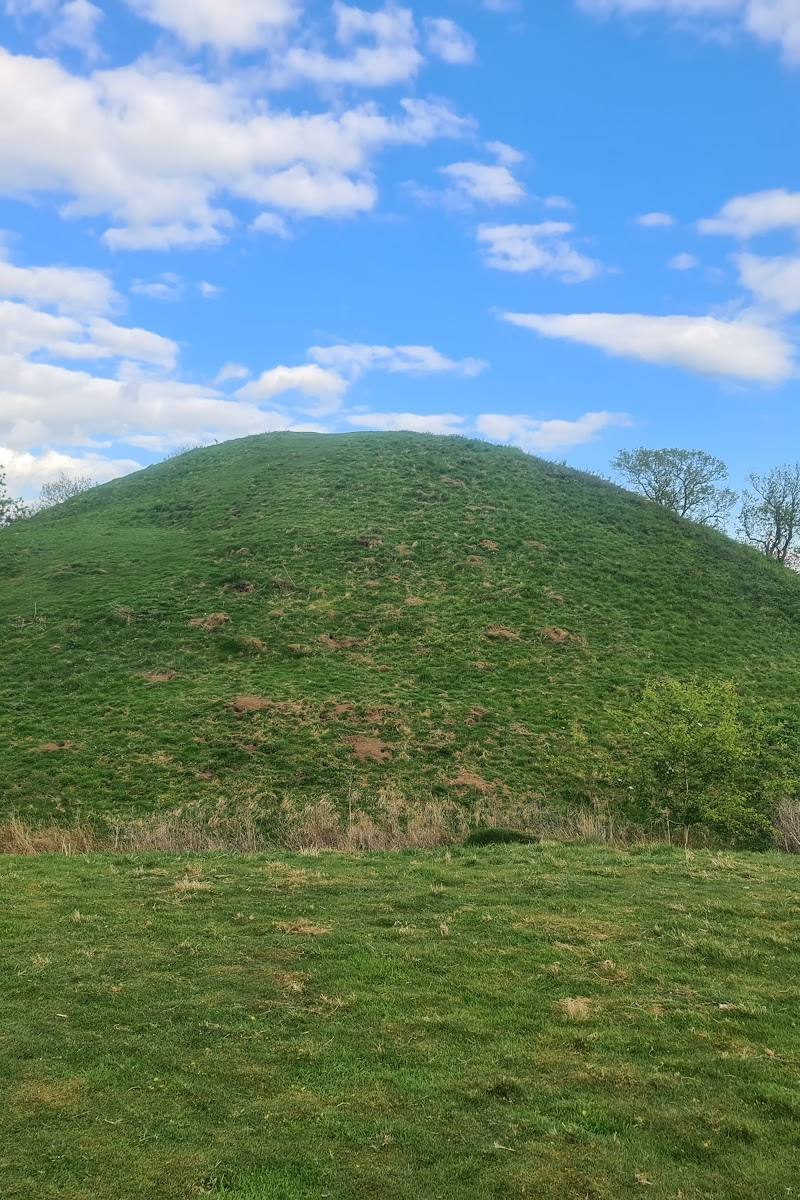
4.8Known locally as the Tump, Brinklow Castle is a striking Norman earthwork: a tall, flat-topped mound with the remains of its baileys, banks and ditches still legible in the landscape.
Brinklow’s appeal is its substantial, readable earthwork setting: from the motte, the layout of the baileys, banks and ditches can still be made out. It is a compact encounter with a medieval landscape, rather than a castle of standing stone walls.
Atmospheric · Ancient-feeling
Find your way
Open mapEll Lane, Brinklow, Rugby, Warwickshire CV23 0LR
Opening map…
Know this place a little better?
The experience
Visit the earthwork remains of an 11th-century Norman motte-and-bailey castle. The mound and surrounding earthworks are the main event; a longer village-and-canal circular walk passes the site.
Things to do
Read the castle earthworks
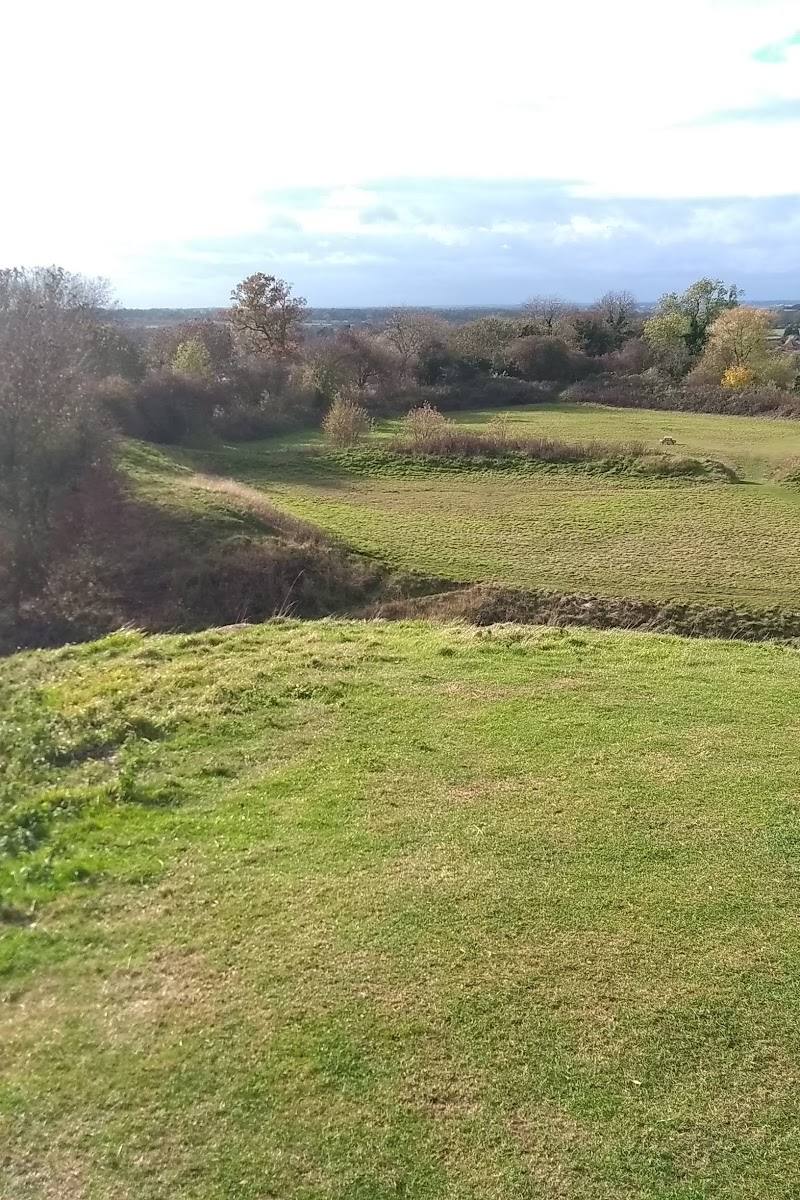
Explore the motte and remaining earthworks. From the top, the bailey layout, surrounding bank and ditch, and causeways can be made out.
20–40 minutes
Add the Brinklow Circular
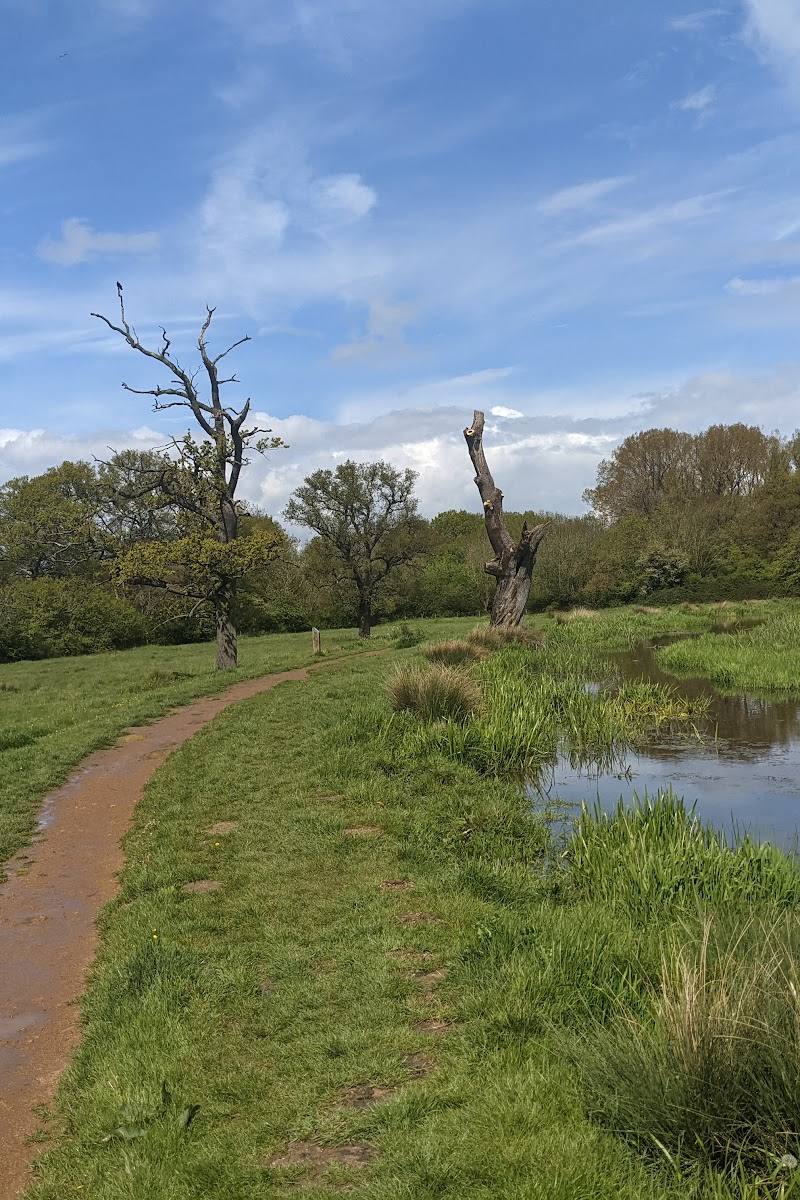
Extend the visit on a loop around the historic village, fields and Oxford Canal, with an optional castle detour. The route has road sections and can be muddy; the castle approach includes steps, and the route description notes kissing gates.
About 1–1.5 hours; 4.4 miles according to AllTrails
Make a day of it
Quick escape · Under 1 hour
Quick Escape: explore the Tump
- 01
Reach the castle earthworks by the footpath behind St John the Baptist’s Church.
- 02
Explore the mound and surrounding earthworks from the accessible paths.
- 03
Look for the bailey outlines, banks, ditches and causeways; avoid assuming that all slopes or ground are suitable for everyone.
Half day · About 1–2 hours for the described loop; allow extra time for stops
Half Day: castle, village and canal circuit
- 01
Walk the Brinklow Circular, which passes the village, fields and Oxford Canal, with an optional detour to the castle.
- 02
Take time at the Tump to examine the earthworks before returning by the loop.
- 03
Expect road sections, canal-side mud in places, steps and kissing gates; check current route conditions before going.
Verified history
Brinklow Castle is an extensive Norman motte-and-bailey earthwork, described by Historic UK as 11th century and possibly built in 1069 during William the Conqueror’s northern campaigns. The site may have occupied an earlier prehistoric barrow, though this is presented as a possibility, not a confirmed fact. It stood on the line of the Fosse Way. The castle was never rebuilt in stone and appears to have fallen out of use relatively quickly. The nearby stone church dates to the 15th century; Historic UK suggests it may have had a timber Norman predecessor.
Hidden details
The defences are still visible in the ground — Look beyond the central mound: Historic UK says the two baileys, surrounding bank and ditch, and the causeways between them can still be seen from the motte.
A possible earlier barrow — The castle may stand on the site of an earlier prehistoric barrow. This is a suggested interpretation, not a proven identification.
When to go
· No specific time of day is established by the supplied sources.
Historic UK describes the site as open year-round. Ground conditions may affect the wider walk; AllTrails reports muddy sections, especially beside the canal.
The circular route includes exposed sections and may be muddy. Wear suitable footwear and check route conditions before setting out.
Worth pairing with
Brinklow village and Oxford Canal
The Brinklow Circular combines the castle detour with the village, fields and a stretch beside the Oxford Canal.
What to look for
From the motte, look for the outlines of the two baileys, their enclosing bank and ditch, and the causeways between them. The source also notes the nearby church and the site’s position on the line of the Fosse Way.
The story
Archaeology
Best time to go
Year-round, subject to access and ground conditions.
The supplied source describes the site as open year-round. Choose a dry spell if combining it with the circular walk, as canal-side and field paths can be muddy.
How long to spend
Under 1 hour
Perfect for
History lovers · Walkers
Before you go
Address
Listed hours
- Monday: Open 24 hours
- Tuesday: Open 24 hours
- Wednesday: Open 24 hours
- Thursday: Open 24 hours
- Friday: Open 24 hours
- Saturday: Open 24 hours
- Sunday: Open 24 hours
Check before visiting.
Google rating
Practical information
Opening & access
Historic UK describes the earthworks as open year-round, free to visit and reached by a footpath behind St John the Baptist’s Church. The supplied map pin marks the place, not an entrance or parking point; check local access and conditions before setting out.
Check before visiting
Parking
Check before visiting. The supplied map pin is not a parking location.
Check before visiting
Toilets
Check before visiting.
Check before visiting
Food & drink
Check before visiting.
Check before visiting
Dogs
Check before visiting. AllTrails notes sheep in some fields on the wider circular walk; keep dogs under control if using that route.
Check before visiting
Accessibility
The source describes access by footpath. AllTrails reports steps on the optional castle detour and a narrow, steep, uneven and potentially muddy path in the wider circular walk. Check conditions and suitability before visiting.
Check before visiting
Cost
Free
Gallery
Place photographsKeep exploring
Around Brinklow Castle
Within 50 km · approximate straight-line distances