Newbold on Avon, north-west of Rugby, Warwickshire
Newbold Quarry Nature Reserve
Mixed-habitat reserve
Place photograph
6.2
Wildland
1–2 hours
Time
Check
Cost
Peaceful
Feel
Why it's Wildland
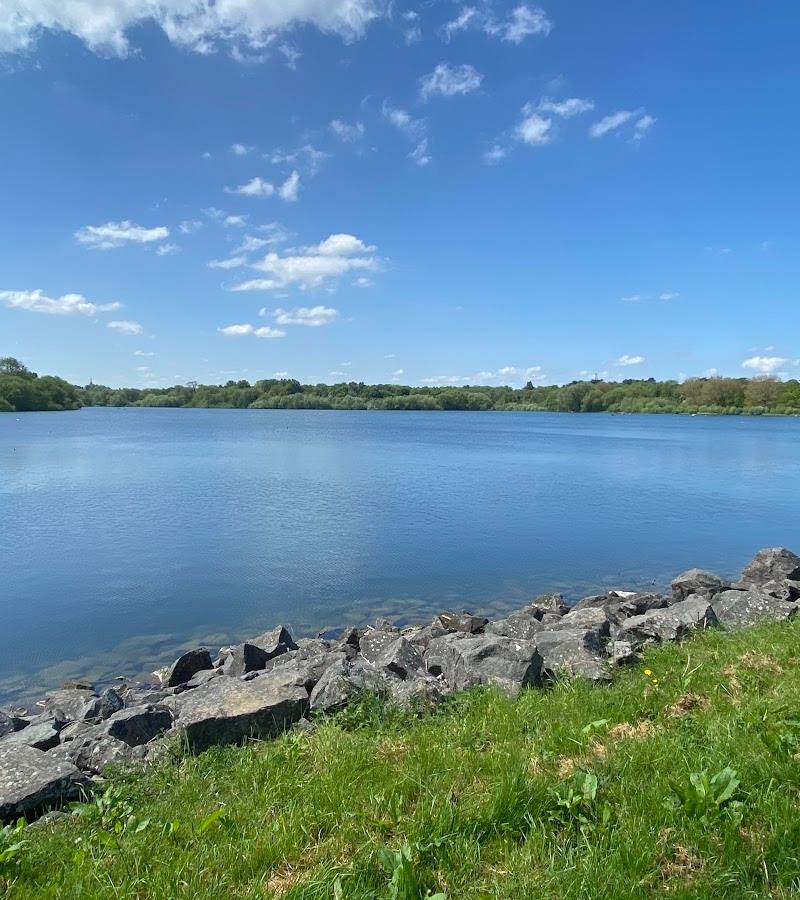
6.2A former blue lias quarry, worked for the local cement industry until 1920, flooded by natural springs and reclaimed as a lake-and-woodland reserve on Rugby’s edge.
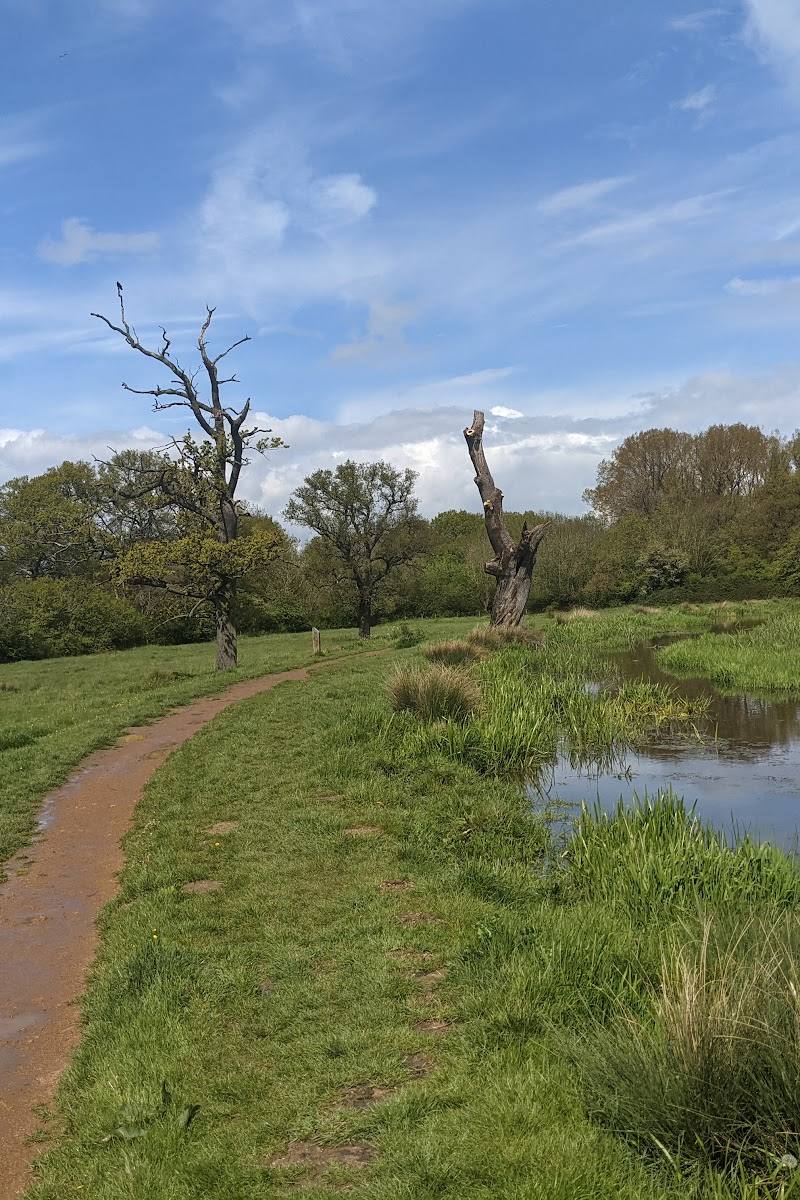
The appeal is the striking change from industrial quarry to wildlife-rich lake, with woodland, lime-loving plants and a proper circular waterside wander unusually close to Rugby. It is a modest reserve rather than a full-day destination; go for the lake, the view from the steps and the chance of spotting wildlife.
Peaceful · Secluded
Find your way
Open mapNewbold on Avon, north-west of Rugby, Warwickshire
Opening map…
Know this place a little better?
The experience
Take the circular route around the lake, then climb the steps for the view over the pool. Allow about an hour or two at an unhurried pace; the reserve’s paths include steep sections and can be difficult in wet weather.
Things to do
Follow the circular lake route
Walk the reserve paths around the lake and look for wildlife as you go. The Trust describes a circular route but does not provide a distance or duration.
Climb to the lake viewpoint
Walk up the path to the steps for a view over the pool.
Watch for birds on the lake
Look for great crested grebes and coots; in winter, the lake welcomes tufted duck, pochard and little grebe.
Listen along the woodland edge
Ash and sycamore woodland is a place to listen for songbirds including finches, tits and warblers.
Look for butterflies and lime-loving plants
The Trust notes that lime-rich clay heaps support lime-loving plants and a wide range of butterflies.
Listen for spring toads
The lake hosts large numbers of breeding toads in spring; observe quietly from the paths and do not disturb wildlife.
Make a day of it
Quick escape · About 1 hour; estimate, not a published route duration.
Quick lake loop
- 01
Start from the Egerton Close car park, accessed from the A426 via Yates Avenue.
- 02
Follow the reserve paths around the lake, choosing a route suited to conditions; some paths are steep and may be difficult when wet.
- 03
Walk up the path to the steps and pause for the view over the pool.
- 04
Return by the reserve paths to the car park.
Half day · Half day; suggested visit length, not a published itinerary.
Make a half day of the reserve
- 01
Walk the circular route around the lake at a wildlife-watching pace.
- 02
Climb to the viewpoint over the pool and pause to scan the water for birds.
- 03
Explore the woodland edge and lime-rich clay heaps for birds, butterflies and lime-loving plants.
- 04
Bring a picnic if you want to linger; facilities and nearby food options are not verified here.
Verified history
The site was quarried for blue lias rock used by the local cement industry. Quarrying finished in 1920, after which natural springs flooded the pit. The reserve page describes the resulting lake and its wildlife, including white-clawed crayfish and breeding toads. The source row gives a different end date for quarrying; the Wildlife Trust’s reserve account is used here.
Hidden details
A spring-fed quarry lake — The lake formed when natural springs flooded the former quarry after quarrying ended in 1920—a quieter industrial past beneath today’s waterside setting.
Look closely at the clay heaps — The lime-rich clay heaps support lime-loving plants and a wide range of butterflies, a less obvious wildlife interest beside the lake and woodland.
When to go
April · May · June · July · August · No specific time of day is verified. Choose a time that suits your visit and check current conditions before setting out.
Warwickshire Wildlife Trust recommends April to August. Spring is notable for breeding toads; winter offers a chance to see tufted duck, pochard and little grebe. The source row also describes autumn colour, but the reserve page does not specify it.
Paths can be steep in parts, and the source row warns they may be challenging in wet weather. Check conditions before visiting.
What to look for
- 01
From the path, scan the lake for great crested grebes and coots
- 02
winter can bring tufted duck, pochard and little grebe. Look over the lime-rich clay heaps for butterflies and lime-loving plants, and listen for finches, tits and warblers in the ash-and-sycamore woodland. The steps at the top of the path give a view over the pool.
The story
Quarrying for blue lias rock for the local cement industry; the quarry flooded from natural springs after quarrying ended in 1920.
Best time to go
April–August, the Wildlife Trust’s recommended visiting period; spring brings breeding toads and summer offers good opportunities to watch birds and butterflies.
April to August, the Wildlife Trust’s recommended season. In spring, look and listen for breeding toads; visit in winter for waterbirds including tufted duck, pochard and little grebe.
How long to spend
1–2 hours
Perfect for
Walkers · Wildlife lovers · Photographers · Families
Practical information
Opening & access
Warwickshire Wildlife Trust says the reserve is open at all times. The car park in Egerton Close is accessed from the A426 via Yates Avenue. Paths circle the lake; some are accessible for wheelchairs and pushchairs, but there are steep slopes in parts. Check with the Trust for access details before visiting.
Check before visiting
Parking
Car park in Egerton Close, accessed from the A426 via Yates Avenue. Confirm parking arrangements before travelling.
Toilets
Check before visiting. The source row says there are no dedicated toilets on site; the reserve page does not specify toilet provision.
Check before visiting
Food & drink
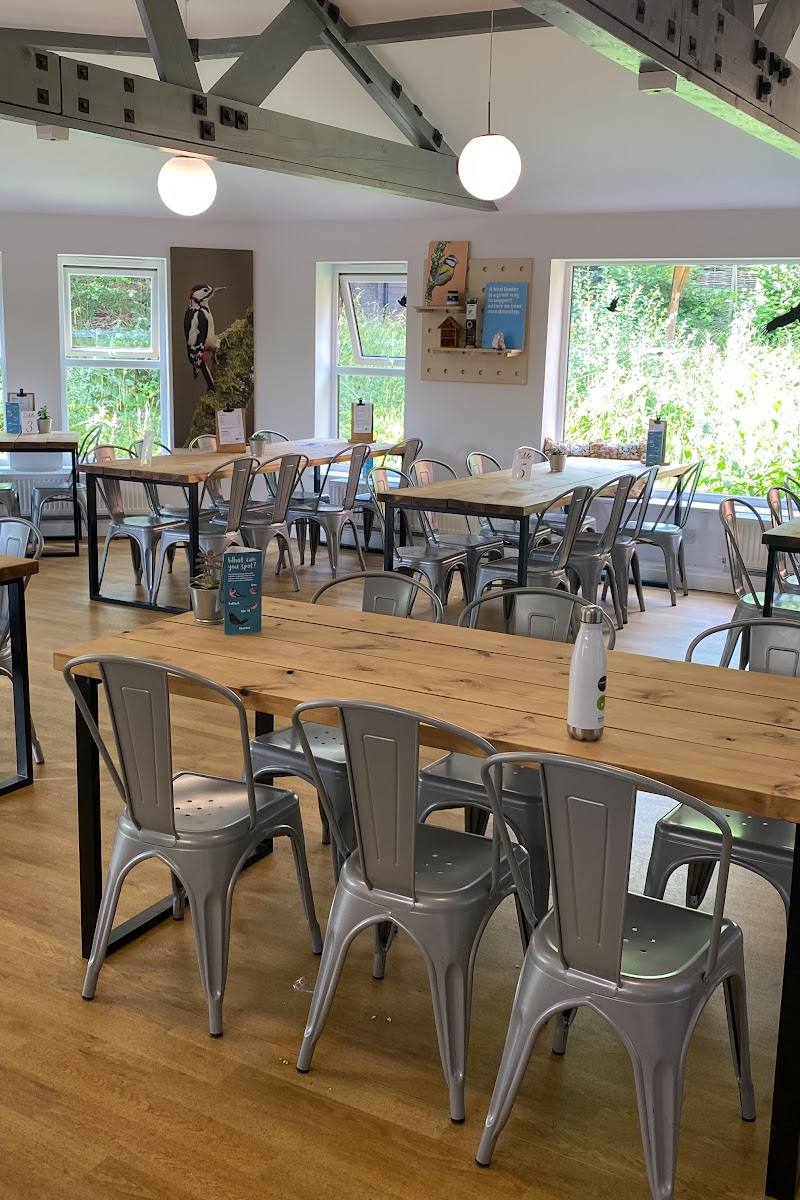
Check before visiting. The source row reports no on-site café; bring refreshments if needed.
Check before visiting
Dogs
Dogs permitted, according to Warwickshire Wildlife Trust. Check current reserve guidance and signage.
Check before visiting
Accessibility
Some paths are accessible for wheelchairs and pushchairs, but there are steep slopes in parts. Contact Warwickshire Wildlife Trust for current access details; paths may be challenging in wet weather according to the source row.
Cost
Check before visiting
Check before visiting
Water
Lake
Gallery
Place photographsKeep exploring
Around Newbold Quarry Nature Reserve
Within 50 km · approximate straight-line distances