Howfield Wood, near Upper Harbledown, Canterbury, Kent CT4 7NG
Bigbury Camp
Prehistoric
Place photograph
7.1
Wildland
1–2 hours
Time
Check
Cost
Atmospheric
Feel
Why it's Wildland
7.1An Iron Age hillfort in woodland west of Canterbury, where surviving earthworks recall a settlement occupied from about 350 BC. It may have been attacked during Julius Caesar’s British campaigns, but that connection is presented as a possibility rather than a certainty.
Bigbury Camp earns its place for the way a substantial archaeological story sits within a living woodland reserve. Look beyond the trees for the surviving defensive earthworks—and remember that the famous Caesar connection remains uncertain.
Atmospheric · Ancient-feeling · Peaceful
Find your way
Open mapHowfield Wood, near Upper Harbledown, Canterbury, Kent CT4 7NG
Opening map…
Know this place a little better?
The experience
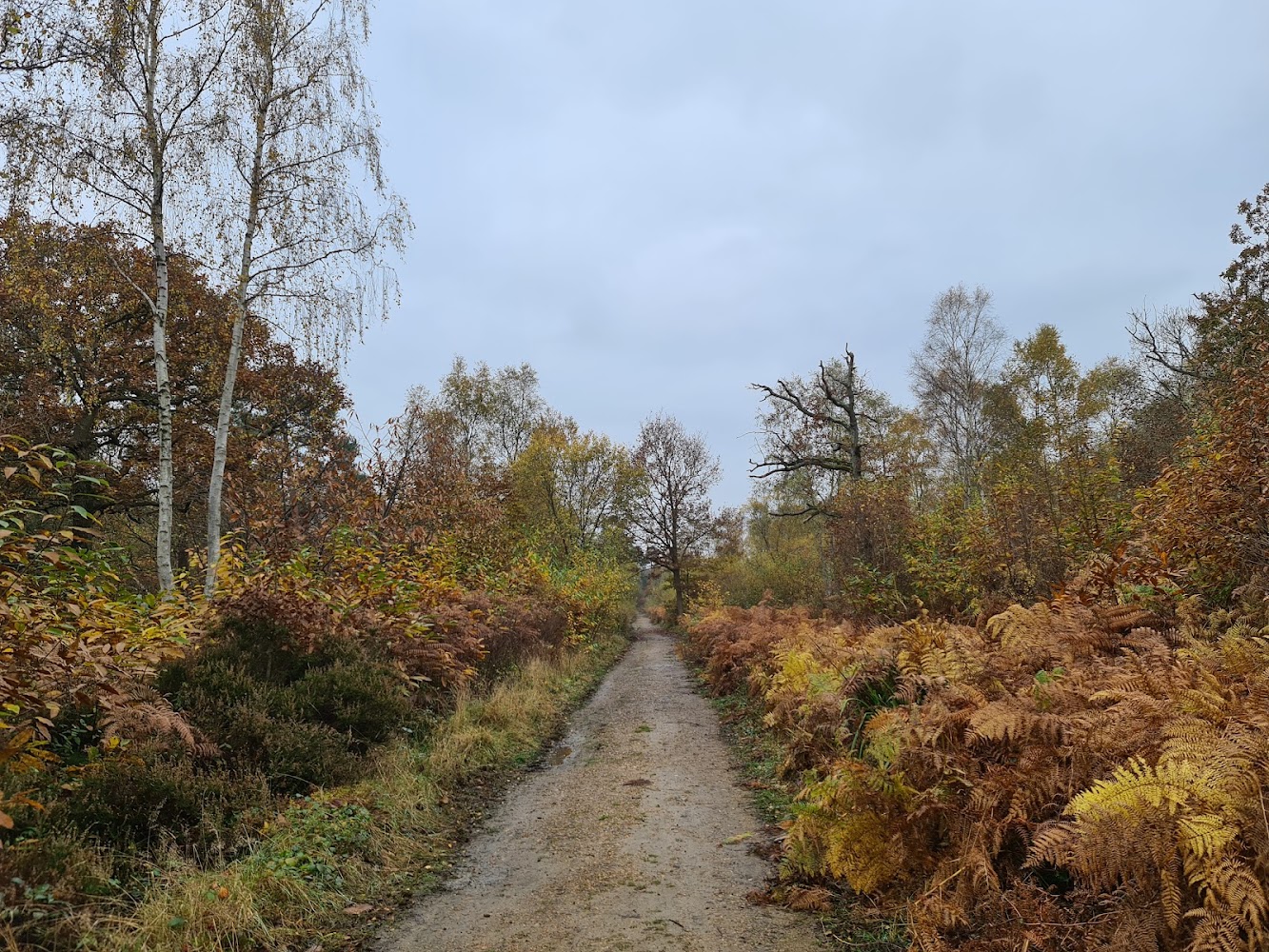
Follow the North Downs Way through the reserve and look for the defensive earthworks that survive beneath the woodland. The site was occupied from about 350 BC; the suggested connection to Caesar’s campaigns is uncertain. No measured on-site circuit is established by the supplied sources.
Things to do
Look for the hillfort’s defensive earthworks
Seek out the earthworks that remain visible within the woodland. Kent Wildlife Trust says restoration work aims to reveal defensive features that have survived for over two thousand years.
Walk the North Downs Way through the reserve
The North Downs Way runs through Bigbury Camp. Kent Wildlife Trust identifies access at Chartham Hatch to the west and Faulkners Road from Harbledown to the east.
Make a day of it
Quick escape · Allow 1–2 hours; this is a suggested visit length, not a published route duration.
Quick Escape: find the hillfort earthworks
- 01
Join the reserve from the North Downs Way at Chartham Hatch or from Faulkners Road, as described by Kent Wildlife Trust.
- 02
Follow the footpath into the reserve and look for the surviving defensive earthworks in the woodland.
- 03
Return by the same access point; no circular route is verified by the supplied sources.
Verified history
Bigbury Camp is an Iron Age hillfort in Howfield Wood. Kent Wildlife Trust says the site was occupied from about 350 BC and that many defensive earthworks remain visible. It also reports that the site was planted with European larch and sweet chestnut in the 18th and 19th centuries; chestnut was used for hop poles on nearby farms. The Trust is removing plantations to restore more natural habitats and help reveal surviving earthworks. Archaeological research describes Bigbury as part of a wider complex of earthworks in and around the South Blean. The suggestion that the hillfort was stormed during Julius Caesar’s campaigns is presented by Kent Wildlife Trust as a possibility, not a confirmed event.
Folklore & legend
No folklore or local legend is established by the supplied sources. Caesar’s possible attack belongs to historical interpretation, not folklore, and should not be presented as certain.
Hidden details
The hillfort sits within a wider earthwork landscape — Recent archaeological research places Bigbury among a wider complex of earthworks around the South Blean, rather than treating the hillfort as an isolated monument.
Look beneath the woodland cover — The visible woodland is not the whole story: Kent Wildlife Trust says plantation removal is intended to restore more natural habitats and show defensive earthworks that have survived for over two thousand years.
When to go
· No specific time of day is supported by the supplied sources.
The supplied sources do not establish a seasonal highlight. Check the reserve’s current conditions before visiting.
Check conditions before setting out; no specific weather guidance is provided by the supplied sources.
The route
- start point
- The North Downs Way runs through the reserve and can be joined at Chartham Hatch to the west or on Faulkners Road from Harbledown to the east.
- parking start
- No on-site parking. Kent Wildlife Trust suggests Faulkners Lane by Kent College School or Chartham Hatch village; check current restrictions and availability.
- Iron Age hillfort in Howfield Wood
- Surviving defensive earthworks
- North Downs Way access through the reserve
What to look for
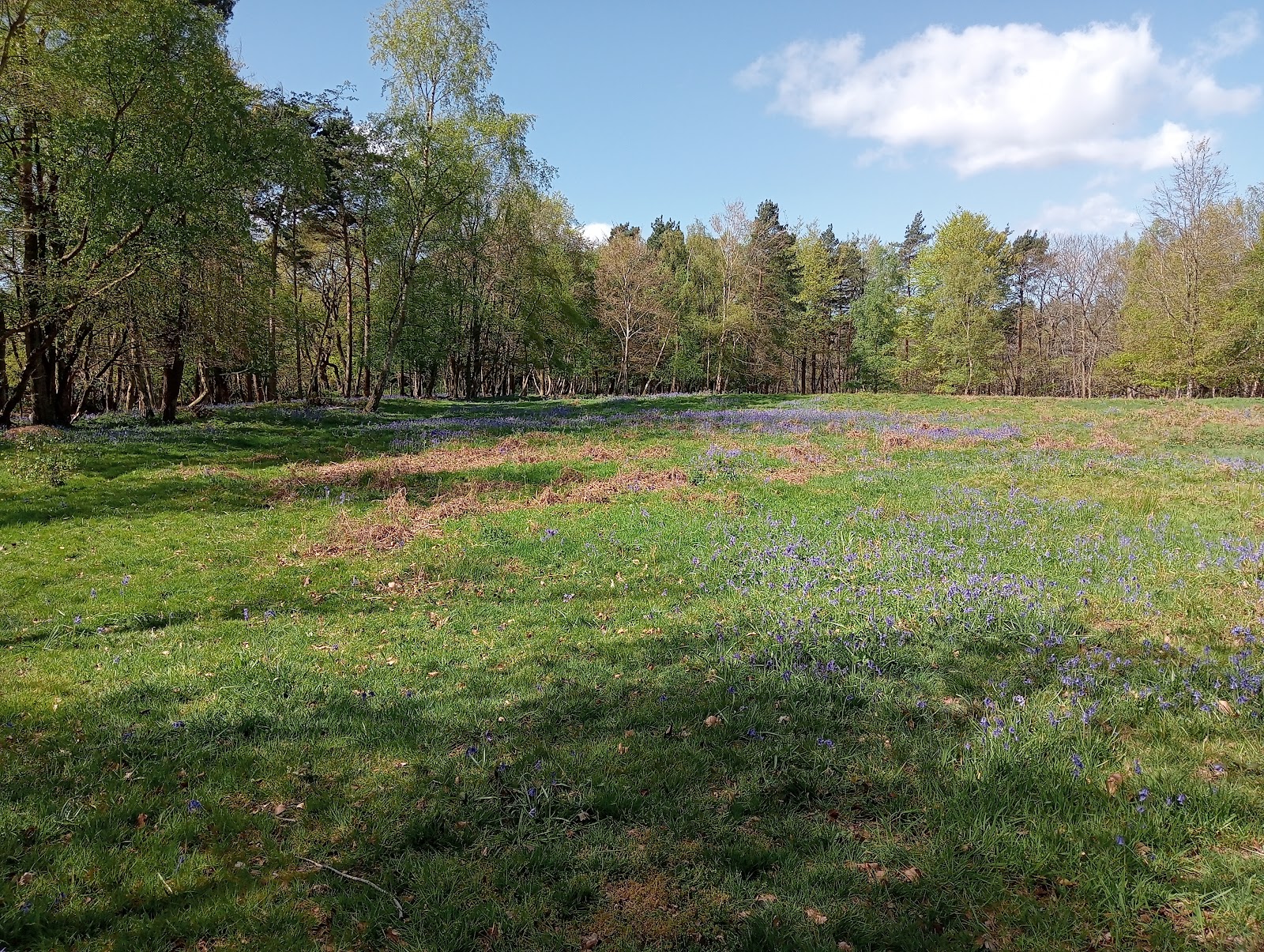
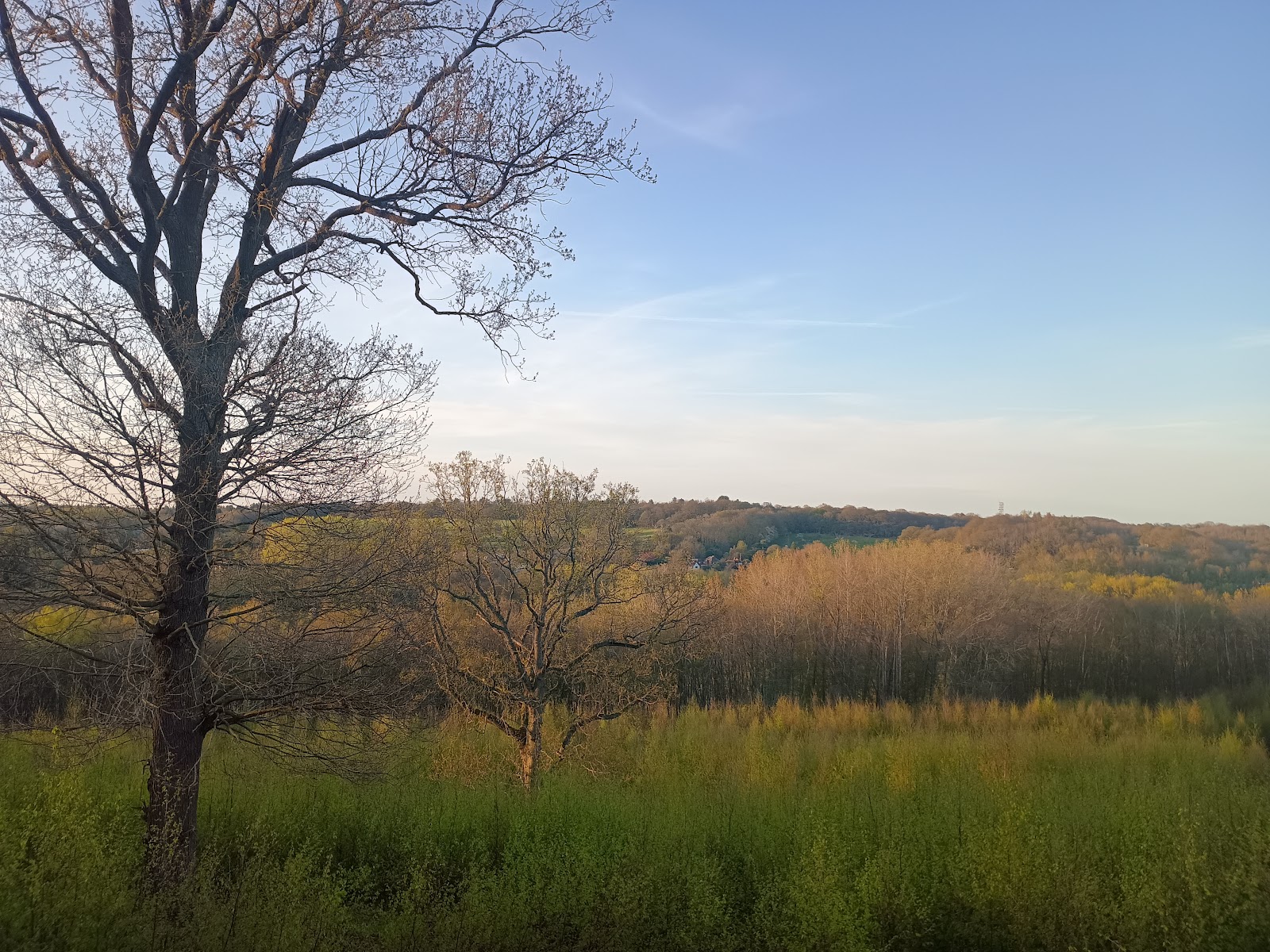
Look for the surviving defensive earthworks within Howfield Wood. Kent Wildlife Trust also describes ongoing work to remove plantations and restore more natural habitats, helping reveal features that have survived for more than two thousand years.
The story
Prehistoric archaeology; Iron Age hillfort and surviving defensive earthworks.
Best time to go
Check current reserve conditions before visiting; no specific seasonal peak is established by the supplied sources.
No best time of day is established by the supplied sources. Check current reserve conditions before visiting.
How long to spend
1–2 hours
Perfect for
History lovers · Walkers
Before you go
Address
Website
Listed hours
- Monday: Open 24 hours
- Tuesday: Open 24 hours
- Wednesday: Open 24 hours
- Thursday: Open 24 hours
- Friday: Open 24 hours
- Saturday: Open 24 hours
- Sunday: Open 24 hours
Check before visiting.
Google rating
Practical information
Opening & access
The North Downs Way runs through the reserve, with access via a kissing gate to a level track. Kent Wildlife Trust advises keeping dogs on leads because grazing animals may be present. Check current access information before setting out.
Check before visiting
Parking
No on-site parking. Kent Wildlife Trust suggests parking on Faulkners Lane by Kent College School or in Chartham Hatch village; check restrictions and availability before travelling.
Check before visiting
Toilets
Check before visiting
Check before visiting
Food & drink
Check before visiting
Check before visiting
Dogs
Keep dogs on leads; grazing animals may be present.
Accessibility
The reserve’s North Downs Way access includes a kissing gate leading to a level track. Wider route accessibility and conditions are not specified; check before visiting.
Check before visiting
Cost
Check before visiting
Check before visiting
Gallery
Place photographs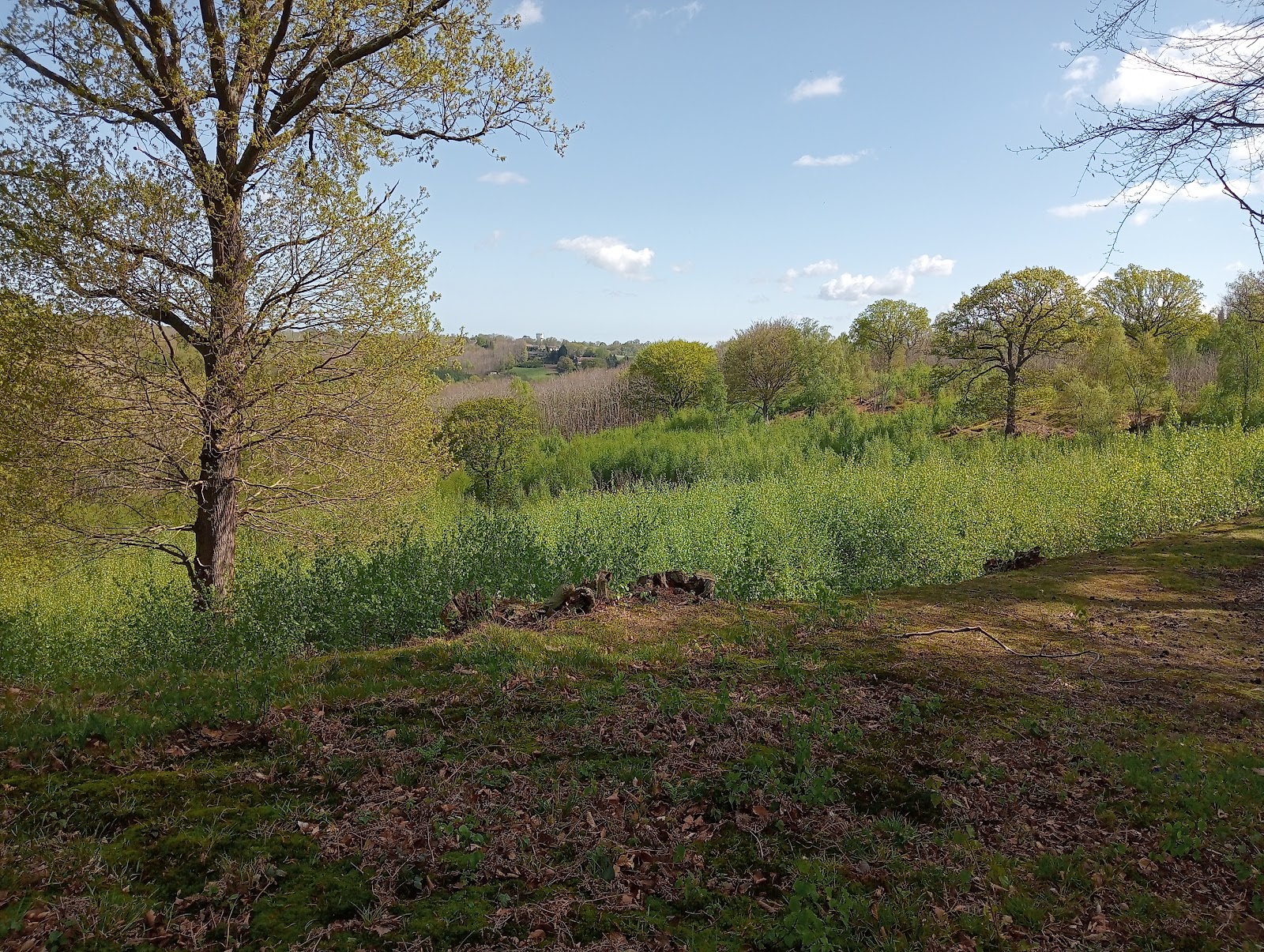
Keep exploring
Around Bigbury Camp
Within 50 km · approximate straight-line distances