New River Path, Woodberry Grove, Woodberry Down, London N16 5HQ
Woodberry Wetlands
Mixed-habitat reserve
Source image
6.6
Wildland
1–2 hours
Time
Free
Cost
Peaceful
Feel
Why it's Wildland
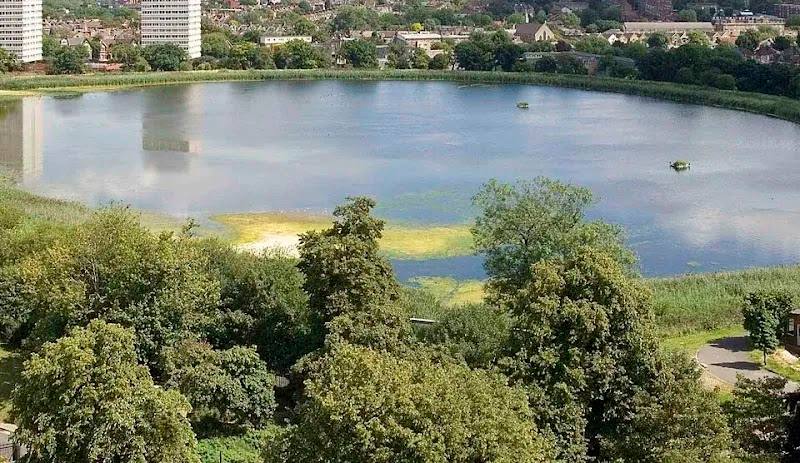
6.6Once Stoke Newington East Reservoir, this 11-hectare site was transformed into a public wetland reserve and opened by Sir David Attenborough in 2016.
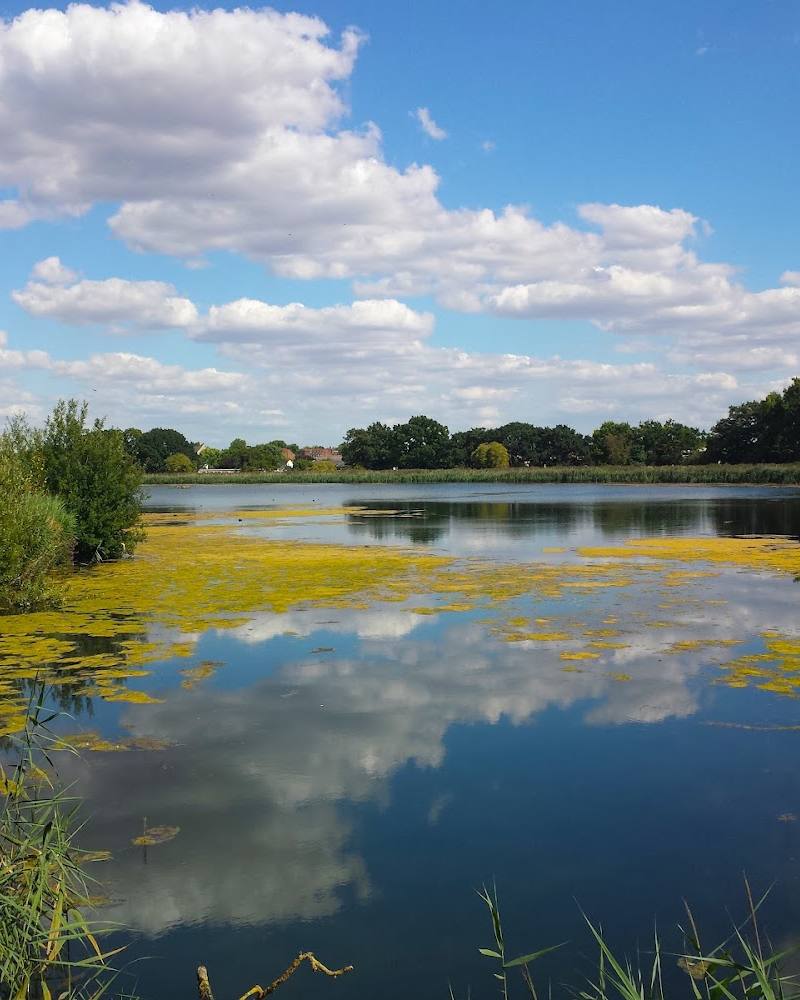
A substantial reed-fringed wetland in densely built-up Hackney, where ponds, dykes and managed habitat create a rewarding place for birdwatching and a quieter nature break within London.
Peaceful · Wildlife-rich
Find your way
Open mapNew River Path, Woodberry Grove, Woodberry Down, London N16 5HQ
Opening map…
Know this place a little better?
The experience
Explore the reserve’s accessible main path, pause to watch the wetland, and make time for the Coal House and New River Studio. London Wildlife Trust lists a visitor centre, toilets, shop, café/refreshments and picnic area; check current facilities before setting out.
Things to do
Watch for wetland birds
Pause beside the ponds and dykes to watch for waterbirds. The supplied visitor account mentions herons, ducks and swans, but sightings vary.
Allow time to pause
Follow the accessible main path
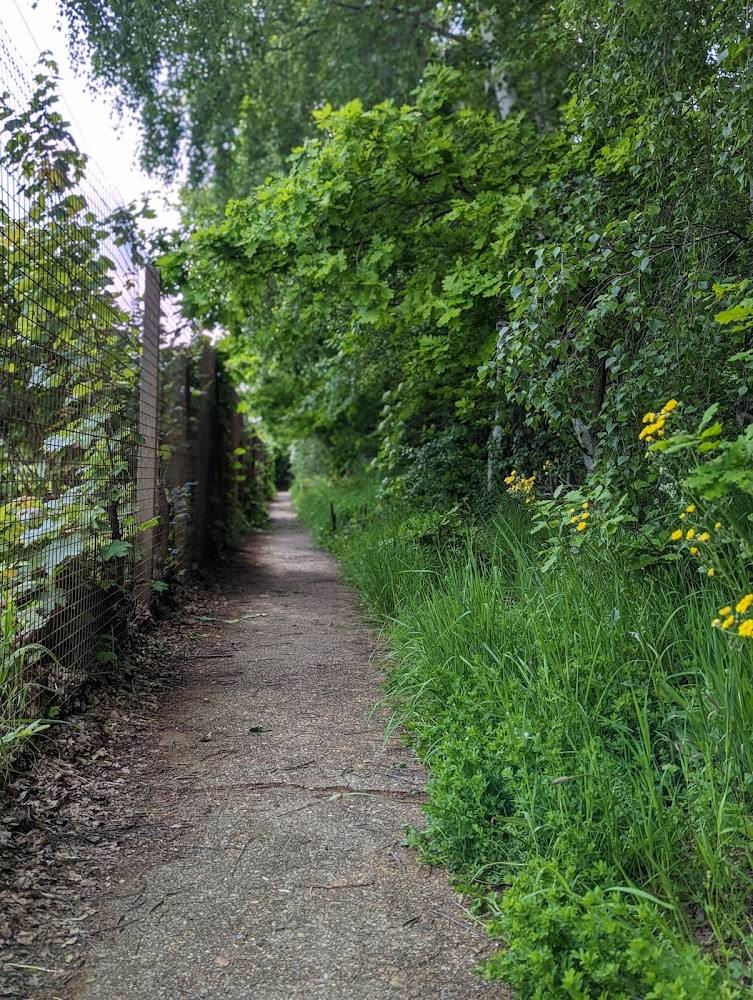
Walk the level main route from the entrance towards the Coal House and New River Studio; London Wildlife Trust reports no steep gradients on this wheelchair-accessible path.
About 1 hour for a short visit; allow longer for pauses.
Join a guided history and ecology walk
When scheduled, a London Wildlife Trust guided walk explores the reserve’s history and ecology. Confirm dates, availability and any booking requirements with the organiser.
Approximately 1 hour
Make a day of it
Quick escape · About 1 hour
Quick wetland escape
- 01
Enter via New River Path, Lordship Road.
- 02
Follow the main wheelchair-accessible path towards the Coal House and New River Studio.
- 03
Pause at the ponds and dykes to watch for birds, then return along the accessible path.
Half day · Half day
Make a half day of the wetlands
- 01
Check the reserve’s current seasonal opening hours before travelling.
- 02
Take time along the main accessible path, pausing at the reed-fringed ponds and dykes for birdwatching.
- 03
Visit the Coal House and New River Studio along the main path; the reserve lists a café/refreshments, visitor centre and picnic area, so check what is open before relying on them.
- 04
If a guided walk is running, check its current details with the organiser; supplied event information describes an approximately one-hour walk.
Verified history
The site was previously known as Stoke Newington East Reservoir. London Wildlife Trust proposed enhancing it for wildlife and opening it to the public; Woodberry Wetlands opened in 2016, with Sir David Attenborough at the opening. The site is owned by Thames Water and managed by London Wildlife Trust. The Trust reports ongoing management of reedbeds, grassland and hedgerows, alongside wildlife monitoring and surveys.
Hidden details
A reservoir before it was a wetland reserve — The reserve’s former identity as Stoke Newington East Reservoir is a useful reminder that this urban wildlife landscape was created through the transformation of an existing water site.
Conservation work is part of the landscape — London Wildlife Trust says volunteers help maintain the reedbeds, grassland and hedgerows, while wildlife monitoring and surveys are also carried out.
When to go
March · April · May · June · July · August · September · October · November · No specific best time of day is established by the supplied sources. Check opening hours before visiting.
London Wildlife Trust recommends visiting March to November. The supplied event information describes spring and autumn as migration seasons, when birdlife can make a visit especially engaging.
The supplied guided-walk information recommends dressing for the weather and wearing sturdy footwear. Check current conditions and access information before visiting.
What to look for
- 01
Look for the contrast between reed-fringed ponds and dykes, and watch for waterbirds. London Wildlife Trust also manages reedbeds, grassland and hedgerows and undertakes wildlife monitoring
- 02
specific species sightings are not guaranteed.
The story
Reservoir transformation and urban nature conservation
Best time to go
March–November, according to London Wildlife Trust; spring migration and autumn bird migration offer particular reasons to visit.
London Wildlife Trust recommends March to November. Spring and autumn are also identified in the supplied sources as migration seasons; go with time to pause and watch for birds.
How long to spend
1–2 hours
Perfect for
Wildlife lovers · Photographers · Families · Walkers
Before you go
Address
Phone
Website
Listed hours
- Monday: 9:30am-4pm
- Tuesday: 9:30am-4pm
- Wednesday: 9:30am-4pm
- Thursday: 9:30am-4pm
- Friday: 9:30am-4pm
- Saturday: 9:30am-4pm
- Sunday: 9:30am-4pm
Check before visiting.
Google rating
Practical information
Opening & access
London Wildlife Trust describes the reserve as free and accessible to everyone. The main entrance is via New River Path, Lordship Road. Check current access information before visiting.
Check before visiting
Parking
Disabled parking bays are available outside each entrance. Other parking details: Check before visiting.
Check before visiting
Toilets
Toilets and an accessible toilet are listed by London Wildlife Trust; check current availability before visiting.
Check before visiting
Food & drink
A café/refreshments facility is listed by London Wildlife Trust; check current availability before visiting.
Check before visiting
Dogs
Assistance dogs only, according to London Wildlife Trust.
Accessibility
Level access into the reserve; the main wheelchair-accessible path to the Coal House and New River Studio has no steep gradients. Seating is provided at various points. Check current access conditions before visiting.
Check before visiting
Cost
Free
Water
Reed-fringed ponds and dykes. No swimming or paddling permission is evidenced; do not assume either is permitted.
Gallery
Place photographsKeep exploring
Around Woodberry Wetlands
Within 50 km · approximate straight-line distances