Westhay Moor Drove, Westhay, Glastonbury, Somerset BA6 9TX
Westhay Moor National Nature Reserve
Mixed-habitat reserve
Place photograph
8.2
Wildland
1–2 hours
Time
Check
Cost
Peaceful
Feel
Why it's Wildland
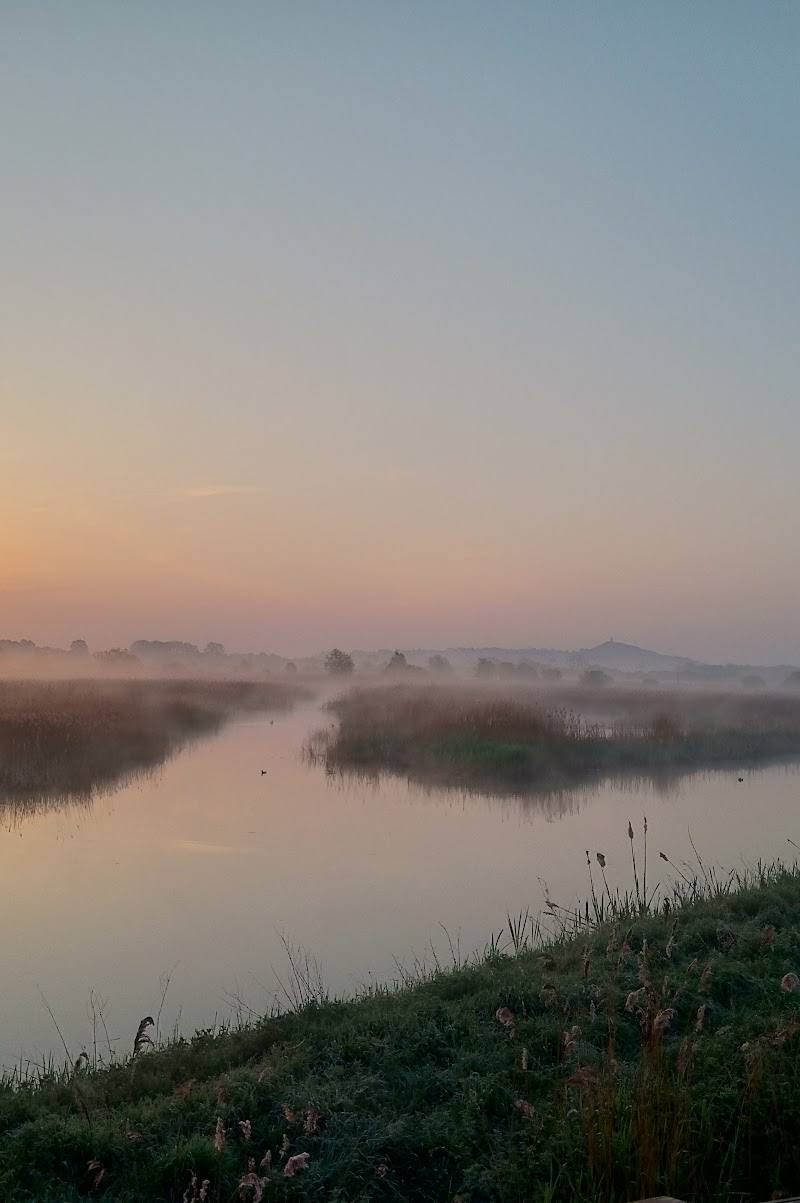
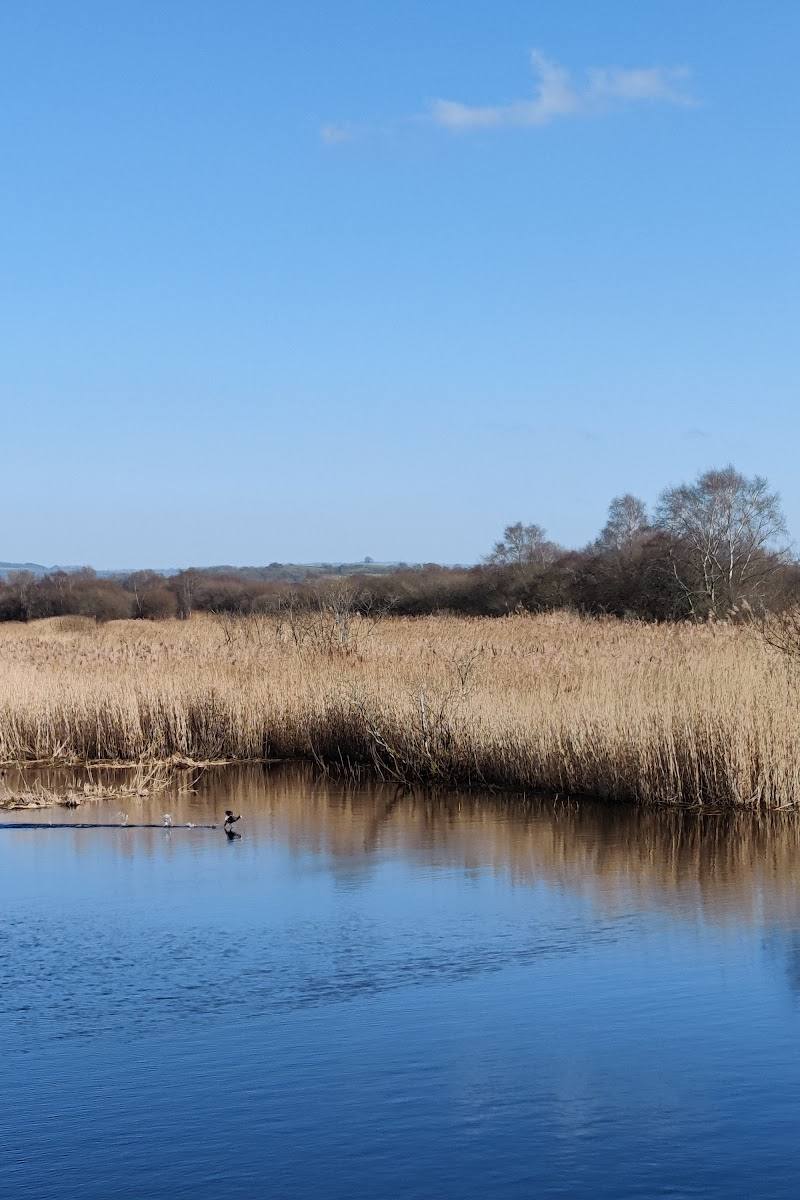
8.2A wetland landscape reshaped from peat workings, Westhay Moor now protects the largest surviving fragment of lowland acid mire in south-west England, alongside reedbeds, open water and wet woodland.
Westhay Moor is more than a birdwatching stop: its restored peat workings sit beside a rare surviving piece of lowland acid mire. Hides and two marked trails make this expansive, wildlife-rich wetland accessible without losing its sense of space.
Peaceful · Wild · Big-sky
Find your way
Open mapWesthay Moor Drove, Westhay, Glastonbury, Somerset BA6 9TX
Opening map…
Know this place a little better?
The experience
Choose the 1.6 km Coot trail for a shorter visit or the 3 km Otter trail for a longer circuit. Both lead to Viridor Hide; the Otter trail also reaches Tower Hide, overlooking reedbeds and wet woodland. Allow for muddy paths, especially in winter, and bring time to watch from the hides.
Things to do
Follow the Coot trail
Take the 1.6 km marked trail from the car park to Viridor Hide and back.
Around 1 hour, allowing time at the hide.
Walk the Otter trail to Tower Hide
Follow the 3 km trail via Viridor Hide to Tower Hide, which looks across reedbeds and wet woodland.
Allow 1–2 hours, depending on wildlife watching and path conditions.
Watch and listen from a bird hide
Settle in at one of the reserve hides and scan the reedbeds and open water. Bitterns, marsh harriers and otters are among the wildlife reported for the reserve, but sightings are not guaranteed.
Look closely at the mire plants
Notice the specialist wetland plants described for Westhay’s surviving lowland acid mire, including sundews, cotton grasses, sphagnum mosses, marsh pennywort and bog myrtle.
Make a day of it
Quick escape · Allow around 1 hour; the trail is 1.6 km.
Quick Escape: Coot trail and Viridor Hide
- 01
Start at the reserve car park and follow the Coot-footprint waymarkers.
- 02
Walk to Viridor Hide and spend time watching the wetland.
- 03
Return by the marked trail, checking path conditions before setting out.
Half day · Allow 2–3 hours; the Otter trail is 3 km, with additional time for wildlife watching.
Make a Half Day of It: Otter trail, two hides and the mire
- 01
Begin at the reserve car park and follow the Otter-footprint waymarkers.
- 02
Pause at Viridor Hide to scan the water and reedbeds.
- 03
Continue to Tower Hide for views across reedbeds and wet woodland.
- 04
Take time to notice the reserve’s mire plants and allow extra time if paths are wet.
Verified history
Westhay Moor includes land shaped by peat extraction. In the 1970s, Somerset Trust for Nature Conservation, now Somerset Wildlife Trust, began acquiring land here. Former peat-worked areas were subsequently transformed into reedbeds and open water, alongside wet woodland and damp meadow. The reserve contains the largest surviving fragment of lowland acid mire in south-west England, a habitat once much more widespread across the Avalon Marshes.
Hidden details
A rare remnant of the old marsh landscape — Westhay contains the largest surviving fragment of lowland acid mire in south-west England. Look for the mire’s named plants, including sundews, cotton grasses, sphagnum mosses, marsh pennywort and bog myrtle.
The wetland is partly a restoration story — The broad reedbeds and open water include former peat-worked land transformed for wildlife; the reserve is not an untouched natural landscape.
When to go
January · February · March · April · May · June · July · August · September · October · November · December · Early morning is a reasonable choice for quiet wildlife watching, but the supplied sources do not specify a best time of day.
The reserve is described as worth visiting year-round. Winter brings birds from northern and eastern Europe to the lakes and reedbeds; summer brings dragonflies, damselflies and sundews. A reserve video highlights early spring as a time to watch for displaying marsh harriers.
Some paths can be very wet and muddy in winter. Check conditions before setting out and use the reserve’s rights of way or permissive paths.
Worth pairing with
Avalon Marshes Centre
A nearby visitor centre mentioned in the reserve’s visitor-experience video, approximately 3 miles away. The video reports a café, toilets, gallery and information point there; verify current facilities and opening before travelling.
Catcott Complex Nature Reserve
Another nature reserve linked from the Avalon Marshes Westhay Moor page; a possible second wetland stop, but check current access and visit details before combining.
What to look for
- 01
Look for sundews, cotton grasses, sphagnum mosses, marsh pennywort and bog myrtle in the mire
- 02
watch the reedbeds and open water for bitterns, marsh harriers and, if fortunate, otters or water voles.
The story
Peat extraction, wetland restoration and the changing landscape of the Avalon Marshes.
Best time to go
All year; winter for visiting birds, and summer for dragonflies, damselflies and sundews.
Visit in winter for birds arriving from northern and eastern Europe. Summer brings dragonflies and damselflies, while early spring is noted by the reserve’s visitor-experience video as a good time to watch for displaying marsh harriers.
How long to spend
1–2 hours
Perfect for
Wildlife lovers · Birdwatchers · Walkers · Photographers
Before you go
Address
Phone
Website
Listed hours
- Monday: Open 24 hours
- Tuesday: Open 24 hours
- Wednesday: Open 24 hours
- Thursday: Open 24 hours
- Friday: Open 24 hours
- Saturday: Open 24 hours
- Sunday: Open 24 hours
Check before visiting.
Google rating
Practical information
Opening & access
Open at all times. Access is via public rights of way or permissive reserve paths; keep to these routes. Some paths can be very wet and muddy in winter.
Parking
Reserve car park at ST 456 437, reached via the minor road between Westhay village and Godney. Bicycle rack available. Check current parking arrangements before visiting.
Check before visiting
Toilets
Check before visiting
Check before visiting
Food & drink
Check before visiting
Check before visiting
Dogs
Assistance dogs only on the reserve. Dogs on leads or under close control are allowed on public rights of way (the droves) at Westhay Moor.
Accessibility
The source reports wheelchair-accessible car parking and entrance. Somerset Wildlife Trust notes that some hides have wheelchair ramps and that there are some all-weather paths; check the reserve map and current conditions for route suitability.
Check before visiting
Cost
Check before visiting
Check before visiting
Water
Lakes and pools, reedbeds, wet woodland and raised bog; no water activities are verified.
Gallery
Place photographs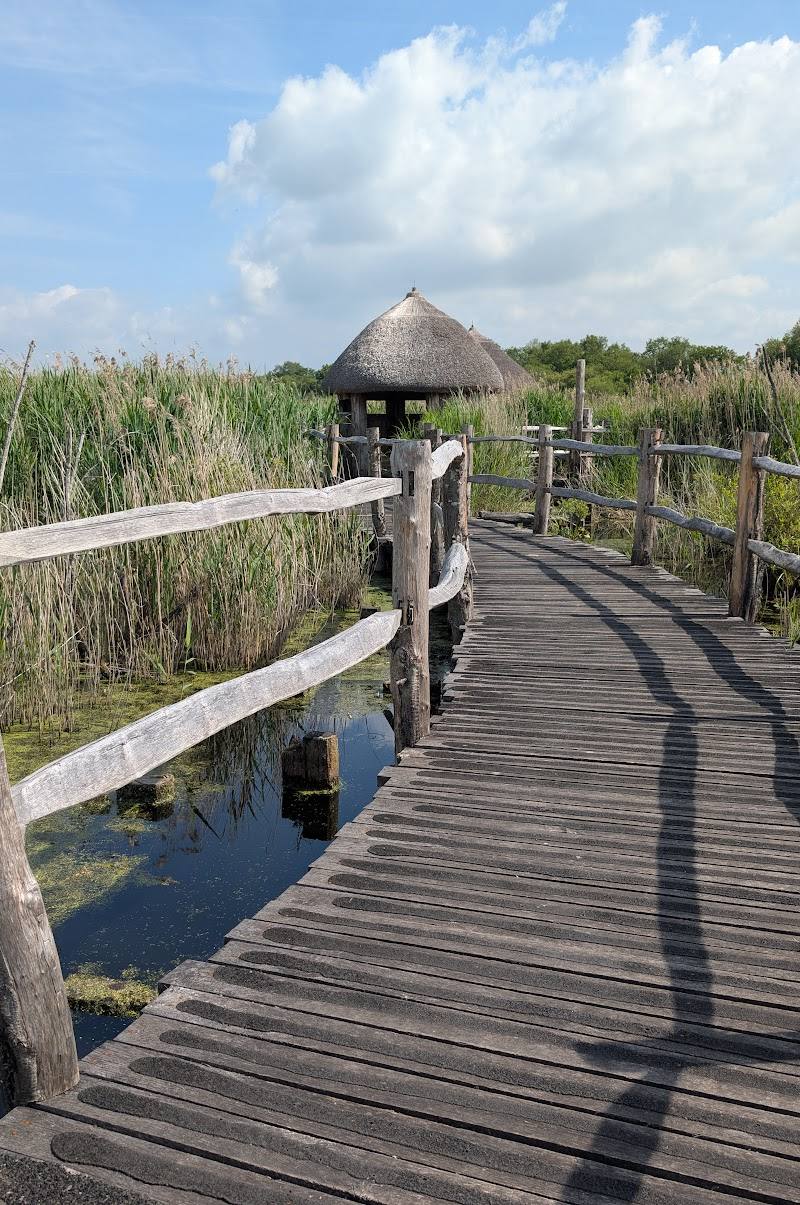
Keep exploring
Around Westhay Moor National Nature Reserve
Within 50 km · approximate straight-line distances