Bushy Park, Hampton, Teddington, TW12 2EJ
Waterhouse Woodland Gardens
Garden
Place photograph
5.5
Wildland
1–2 hours
Time
Check
Cost
Peaceful
Feel
Why it's Wildland
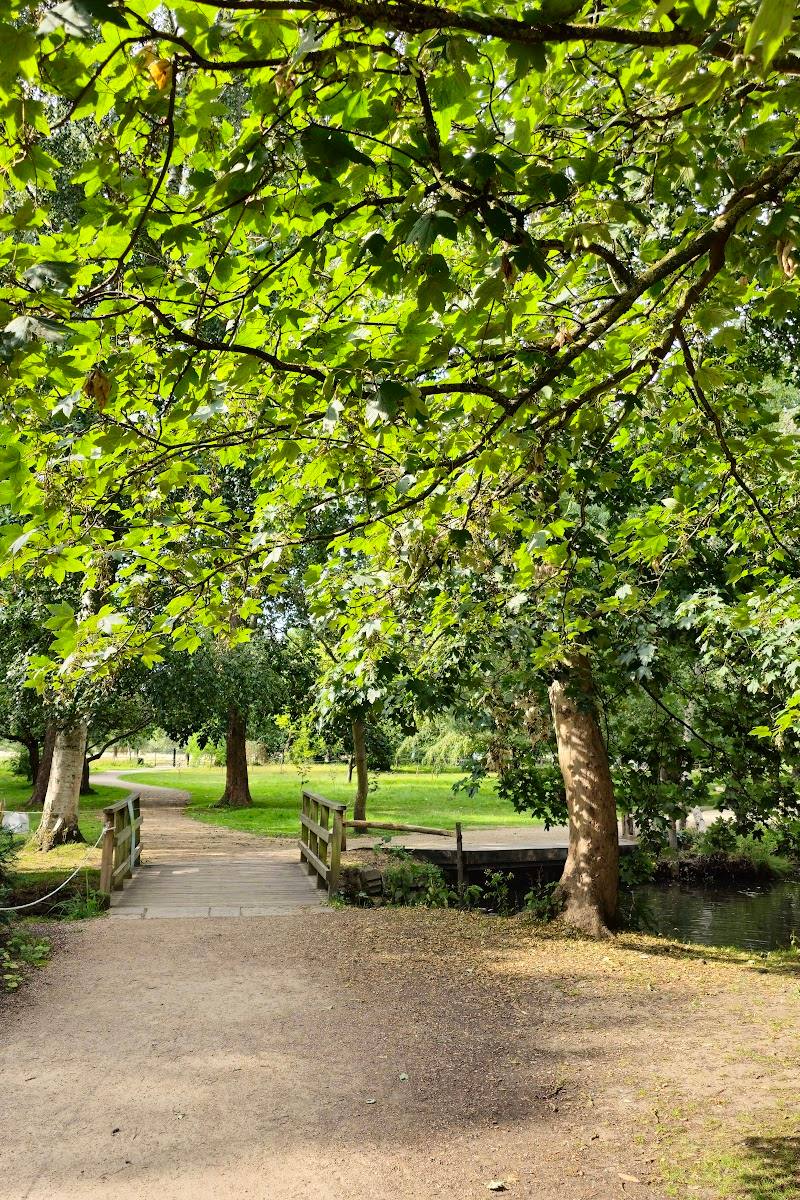
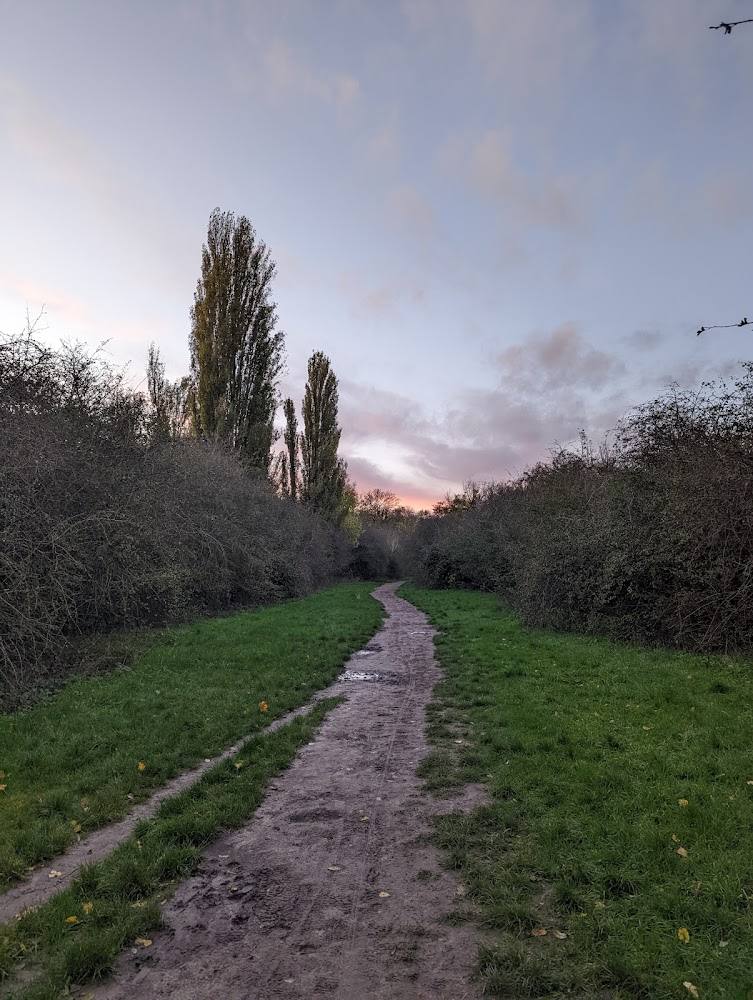
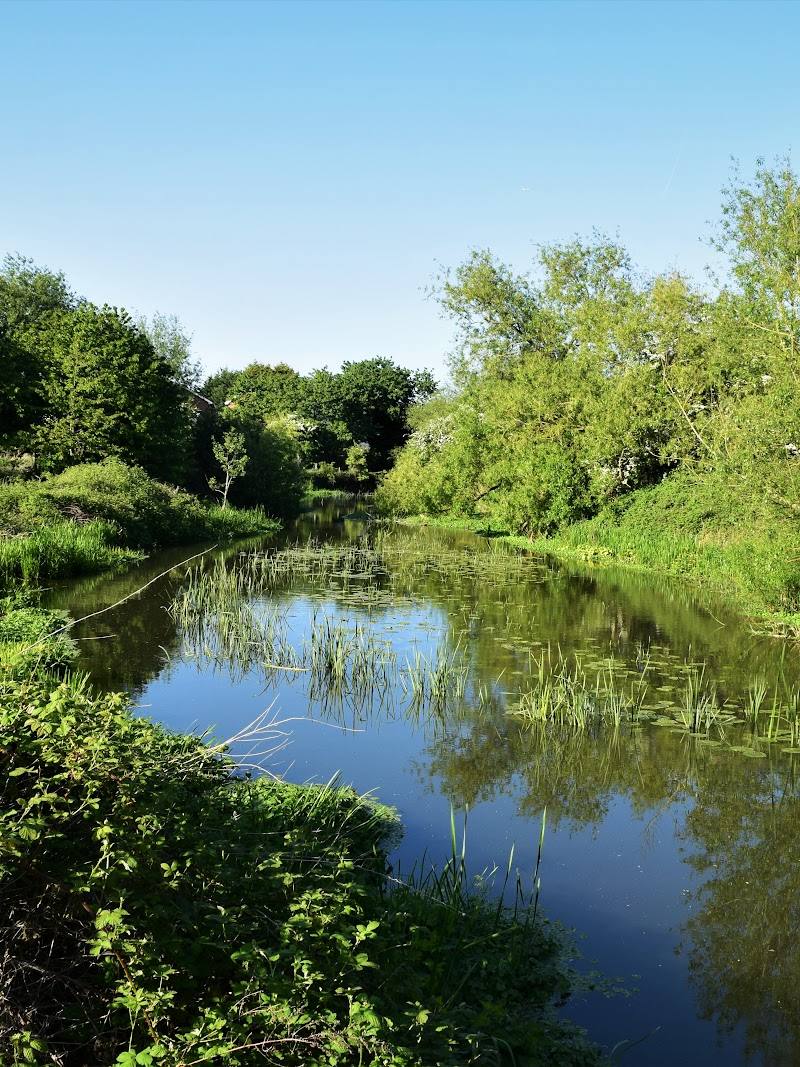
5.5A 60-acre woodland garden shaped by two early nineteenth-century plantations and redesigned from 1948 by Bushy Park superintendent Joseph Fisher. Its winding paths lead past ponds, glades and a bog garden; near Crocodile Gate, look for ridges left by medieval ploughing.
This is a substantial woodland garden with more to notice than a pleasant tree-lined walk: named ponds and planted glades sit alongside a bog garden of water-tolerant plants, while medieval plough ridges survive near Crocodile Gate. Its appeal lies in the way garden design and traces of an older landscape share the same stroll.
Peaceful · Atmospheric
Find your way
Open mapBushy Park, Hampton, Teddington, TW12 2EJ
Opening map…
Know this place a little better?
The experience
Explore a large woodland garden within Bushy Park, taking in its named ponds, planted glades and bog garden. The route and visit duration are not specified by the supplied source, so plan flexibly and check current arrangements before setting out.
Things to do
Explore the named glades and gardens
Stroll through the King’s River Garden, Willow Plantation and Silver Birch Glade, which the Royal Parks identifies as tranquil spots within the gardens.
Look closely at the Bog Garden
The Royal Parks highlights its water-tolerant plants, including irises, giant plantains and skunk cabbages.
Find the medieval lynchets
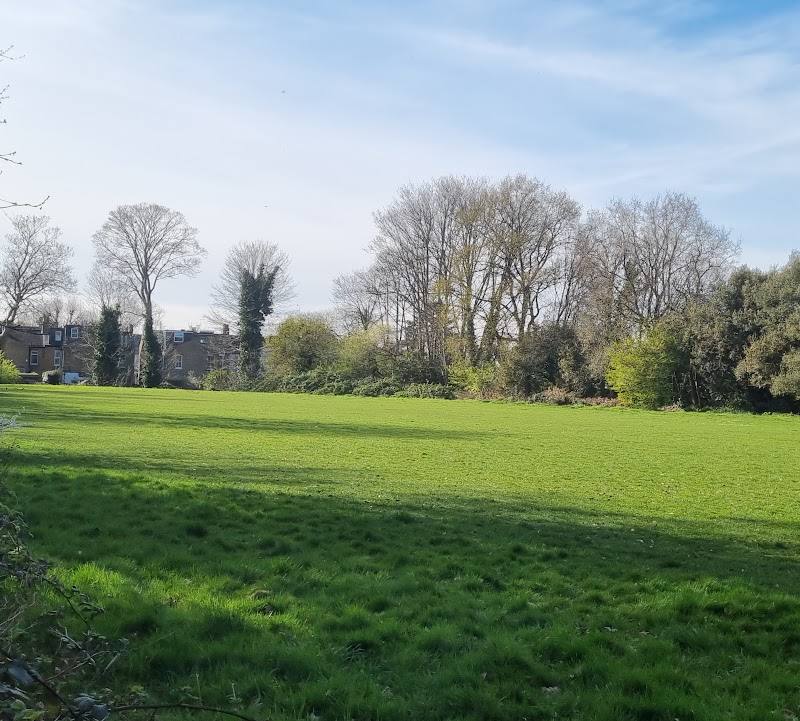
Near the fence by an entrance to the garden at Crocodile Gate, look for undulations in the grass: the Royal Parks identifies them as ridges created by medieval furrow ploughing.
Notice the ponds’ namesakes
Fisher’s Pond is named after superintendent Joseph Fisher, who began improvements to the area in 1948; the larger Triss’s Pond honours his daughter.
Make a day of it
Quick escape · About 1–2 hours; suggested, not an official estimate
Quick Escape: the garden highlights
- 01
Stroll through the Woodland Gardens and look out for the King’s River Garden, Willow Plantation and Silver Birch Glade.
- 02
Visit the Bog Garden to see its water-tolerant plants.
- 03
Near Crocodile Gate, look for the medieval lynchets in the grass.
Half day · Half day; suggested, not an official estimate
Make a Half Day of It: explore the gardens at an unhurried pace
- 01
Allow time to explore the named gardens and glades rather than treating this as a quick pass-through.
- 02
Pause at Fisher’s Pond and Triss’s Pond, whose names are explained in the Royal Parks history.
- 03
Spend time in the Bog Garden, then seek out the medieval lynchets near Crocodile Gate.
- 04
The Pheasantry Welcome Centre is within the Woodland Gardens; check current café opening and services before relying on it.
Verified history
The Woodland Gardens were created in 1925 by combining the early nineteenth-century Pheasantry and Waterhouse plantations. In 1948, Bushy Park superintendent Joseph Fisher began improvements; the Royal Parks credits him with the new paths and planting that remain the backbone of the gardens. Fisher’s Pond is named for him, and Triss’s Pond for his daughter. Near Crocodile Gate, medieval lynchets—earth ridges formed by furrow ploughing—can still be seen in the grass.
Hidden details
Medieval plough ridges by Crocodile Gate — Look for undulations in the grass near the fence by an entrance to the garden. The Royal Parks identifies these as medieval lynchets formed by furrow ploughing.
The ponds remember a park superintendent and his daughter — Fisher’s Pond is named after Joseph Fisher, who improved the gardens from 1948; the larger Triss’s Pond honours his daughter.
When to go
· No specific time of day is confirmed by the supplied sources; check current conditions before visiting.
The Royal Parks has published an autumn walkthrough of the gardens, supporting autumn as a season to consider. The supplied official garden page also describes the varied plantings and water-tolerant species, but does not specify peak months.
Check current conditions before visiting; path surfaces and weather guidance are not specified in the supplied sources.
What to look for
Look for the medieval lynchets—large ridges formed by furrow ploughing—in the grass near the Crocodile Gate entrance. In the Bog Garden, the official guide names irises, giant plantains and skunk cabbages. Notice the King’s River Garden, Willow Plantation and Silver Birch Glade, and the ponds named for superintendent Joseph Fisher and his daughter.
The story
Archaeology
Best time to go
Autumn, when The Royal Parks’ own walkthrough highlights the garden’s seasonal character; the official guide also points visitors to the bog garden’s water-tolerant plants.
Autumn is a well-supported choice: The Royal Parks has published an autumn walkthrough of the gardens. For a quieter visit, check conditions and access before you go; no specific quiet-time advice is confirmed by the supplied sources.
How long to spend
1–2 hours
Perfect for
Walkers · Photographers · History lovers
Before you go
Address
Website
Google rating
Practical information
Opening & access
The Royal Parks describes the gardens as a place to stroll. Check current access arrangements and any restrictions before visiting.
Check before visiting
Parking
Check before visiting.
Check before visiting
Toilets
Check before visiting.
Check before visiting
Food & drink
The Pheasantry Welcome Centre is in the Woodland Gardens. Check current café opening and food availability before visiting.
Check before visiting
Dogs
Check before visiting.
Check before visiting
Accessibility
The source row reports a wheelchair-accessible car park and entrance, but does not provide details about paths or accessible facilities. Check current conditions and route suitability before visiting.
Check before visiting
Cost
Check before visiting.
Check before visiting
Water
Pond
Gallery
Place photographsKeep exploring
Around Waterhouse Woodland Gardens
Within 50 km · approximate straight-line distances