St Albans, Hertfordshire
Watercress Wildlife Association
Mixed-habitat reserve
Place photograph
5.2
Wildland
Under 1 hour
Time
Check
Cost
Peaceful
Feel
Why it's Wildland
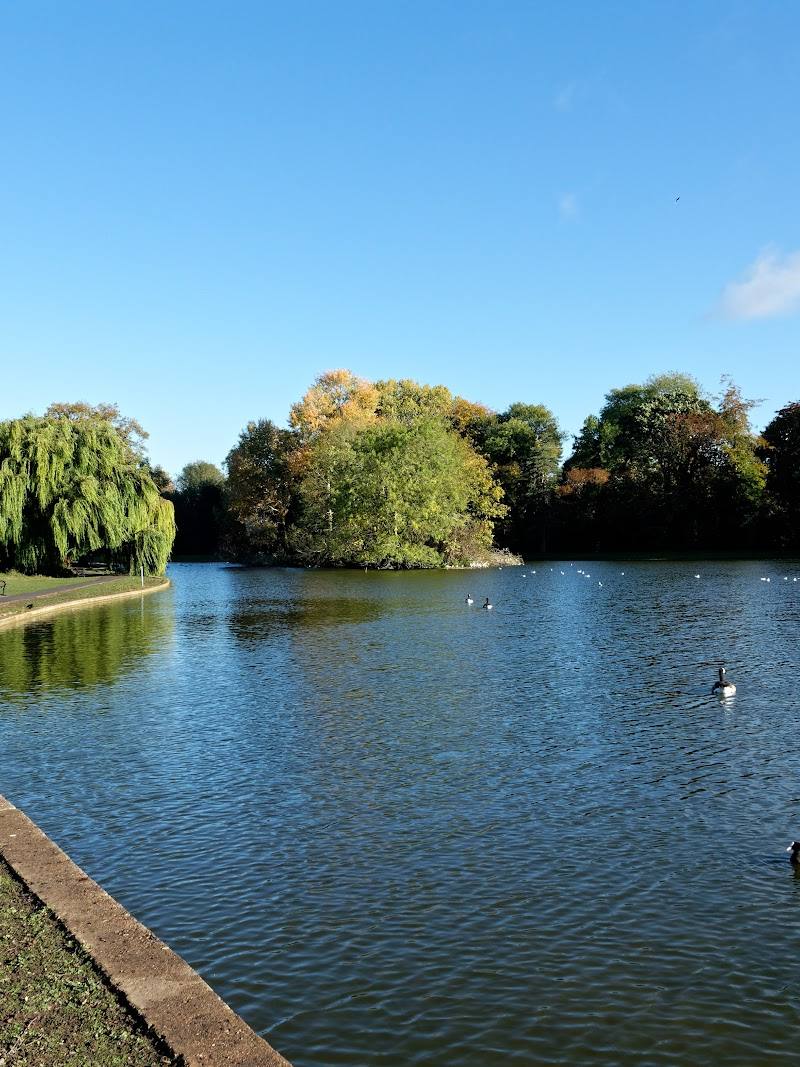
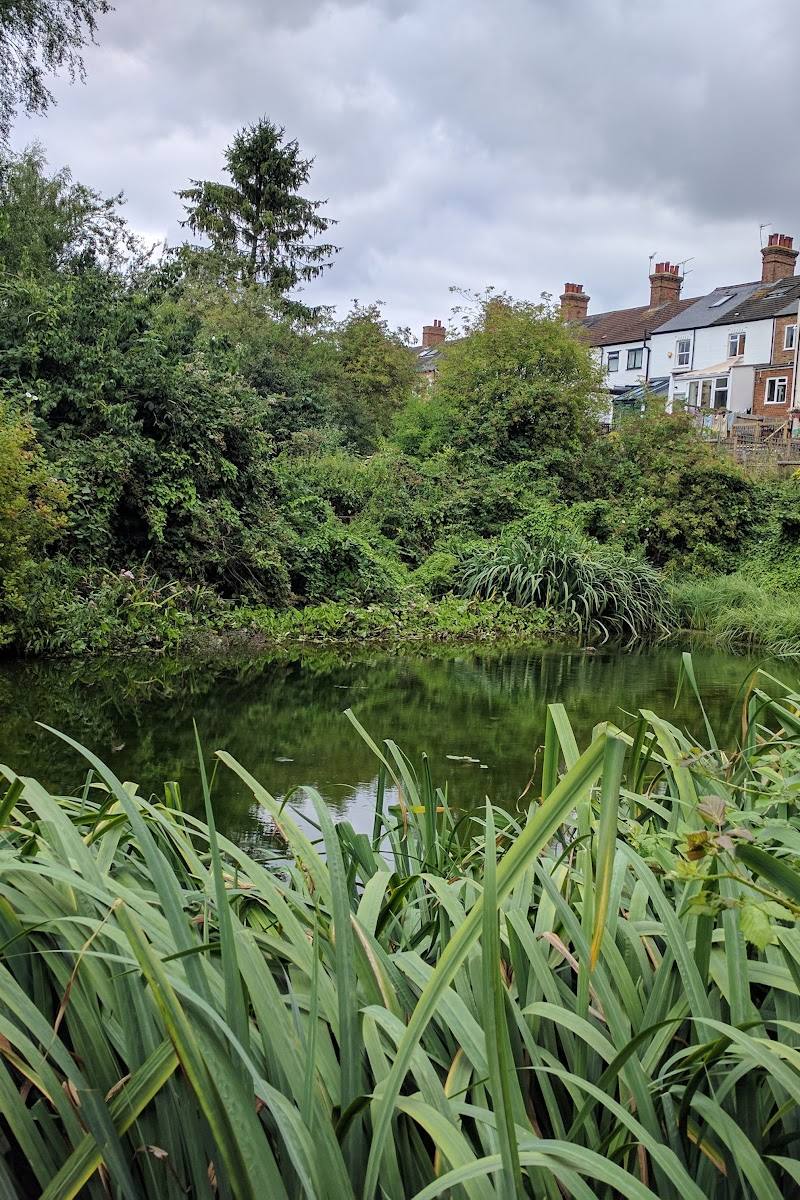
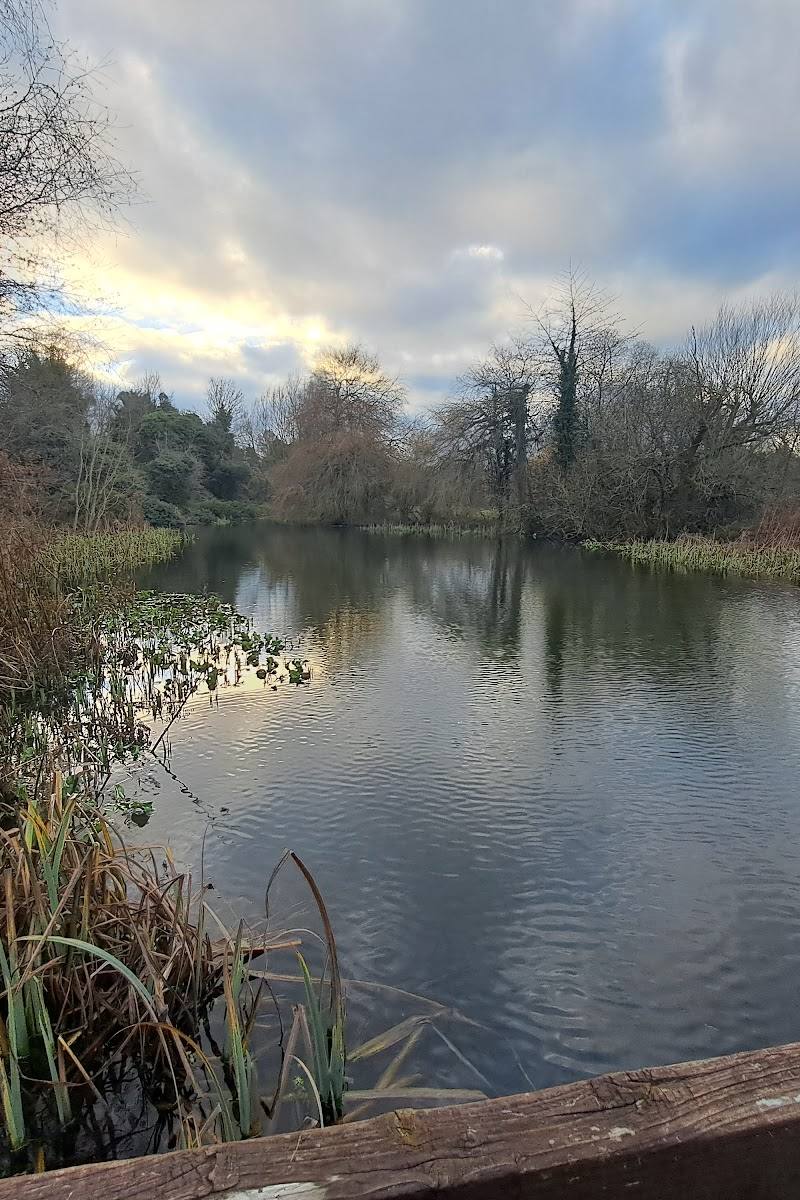
5.2Former commercial watercress beds have become a compact wetland refuge beside the River Ver, with a shallow lake known as The Mere, ponds, a boggy area and orchard habitat.
This is a modest urban-edge reserve rather than a destination for a long countryside hike. Its appeal is the contrast: former watercress beds, wetland habitat and worthwhile birdwatching tucked beside St Albans. The hide is not always accessible, so check access before making a special trip.
Peaceful · Secluded
Find your way
Open mapSt Albans, Hertfordshire
Opening map…
Know this place a little better?
The experience
Think of this as a short, quiet birdwatching visit rather than a long walk. Explore the accessible paths and wetland margins, look out for waterbirds and small birds, and check whether the hide is open before planning around it.
Things to do
Watch for wetland birds
Scan the pond and wetland for waterfowl and water rail; the supplied sources also mention kingfishers and little grebes as birds associated with the reserve.
30–60 minutes
Explore the former watercress beds
Follow the reserve’s short paths through the wetland landscape and look for the transition between pond, boggy ground, reedbeds and orchard habitat.
20–40 minutes
Check whether the bird hide is open
A hide is reported at the reserve, but Birdingplaces notes that access is restricted. Confirm access before relying on it for your visit.
Make a day of it
Quick escape · Under 1 hour
A short wetland birdwatch
- 01
Check the reserve’s current opening notice and whether the hide is accessible.
- 02
Enter on foot from Riverside Road or the Alban Way.
- 03
Follow the short paths and scan the pond and wetland for waterbirds and small birds.
- 04
Return the way you came; paths are described as narrow and can be wet.
Verified history
The reserve occupies former watercress beds, reflecting the site’s earlier use for watercress growing. The supplied sources do not establish further dates or historical details.
Hidden details
The Mere — The shallow lake within the reserve is known as The Mere. Look for it among the reserve’s former watercress beds, ponds and wetland habitat.
Water rail in an urban-edge wetland — Birdingplaces reports water rail at the pond and wetland, a noteworthy bird to keep in mind while watching quietly from accessible paths.
When to go
March · April · May · June · July · August · Early morning is suggested by the source row for a quieter visit; this is not independently confirmed by the supplied research sources.
Birdingplaces identifies spring and summer as the best visiting seasons for birding, while also describing the site as suitable year-round.
The site is described as flat but wet, and paths may be narrow. Wear footwear suitable for damp ground and check conditions before visiting.
The route
- surface
- Narrow paths; ground described as flat and wet.
- duration
- Short visit; exact route distance and duration are not provided by the sources.
- difficulty
- Easy; Birdingplaces describes the trail as easy, flat and wet.
- route shape
- A circular trail is reported, but route details are not supplied.
- start point
- Access from Riverside Road or the Alban Way; confirm the appropriate entrance before visiting.
- parking start
- Local parking is reported as difficult. Birdingplaces suggests Westminster Lodge car park followed by the riverside walk; verify current parking arrangements.
- Former watercress beds
- The Mere and ponds
- Wetland birdwatching
- A bird hide with restricted access
What to look for
Look across the pond and wetland for waterbirds, including water rail records noted by the birding source. Notice the contrast between the former watercress beds and the reserve’s present wetland habitats.
The story
Former watercress beds and the area’s watercress-growing past.
Best time to go
All year for birdwatching; spring and summer are highlighted by the supplied birding source as the best seasons.
Spring and summer are identified as good birding seasons. Visit early for a quieter experience, but check opening notices and hide access first.
How long to spend
Under 1 hour
Perfect for
Birdwatchers · Wildlife lovers · Walkers · Photographers
Practical information
Opening & access
A small reserve on former watercress beds, reached on foot from Riverside Road or the Alban Way. The reserve’s website reports daily opening from 9am to dusk, with Wednesday closures and restricted opening on the last Sunday of each month; check current notices before travelling. Access to the bird hide is restricted.
Check before visiting
Parking
Local parking is reported as difficult. Birdingplaces suggests parking at Westminster Lodge and walking along the riverside path; verify arrangements before setting out.
Check before visiting
Toilets
Check before visiting
Check before visiting
Food & drink
No on-site café is verified by the supplied sources; check before visiting for nearby food options.
Check before visiting
Dogs
Check before visiting
Check before visiting
Accessibility
Birdingplaces describes the paths as narrow and access as limited for wheelchair users. The supplied source says the ground is flat but wet; check conditions and current access before visiting.
Check before visiting
Cost
Check before visiting
Check before visiting
Water
The Mere, ponds, boggy wetland and nearby River Ver. No swimming or paddling permission is evidenced.
Gallery
Place photographs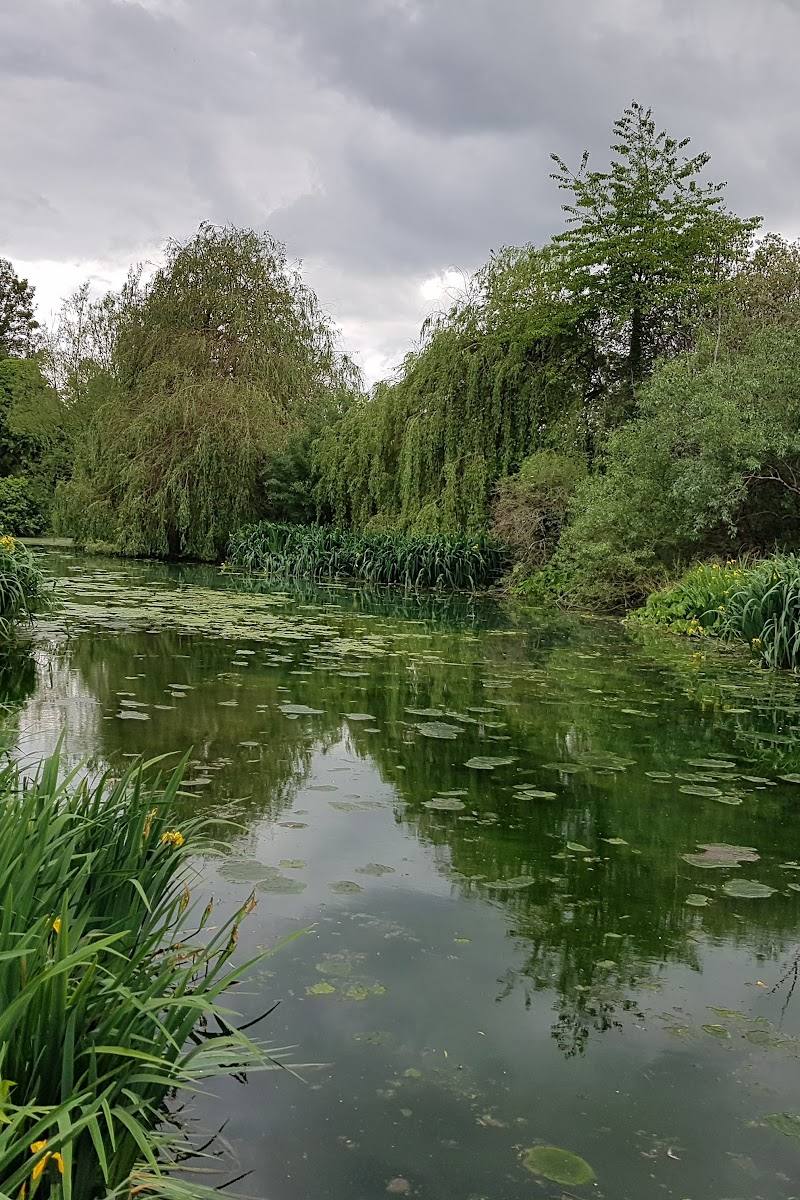
Keep exploring
Around Watercress Wildlife Association
Within 50 km · approximate straight-line distances
 Place photograph6.0
Watercress Wildlife Association
Riverside Road, St Albans, Hertfordshire AL1 1SF
0.0 km away
 Place photograph7.8
St Albans Cathedral
Cathedral, Sumpter Yard, St Albans, Hertfordshire AL1 1BY
1.1 km away