3 km north-west of Tring, Hertfordshire
Tring Reservoirs
Reservoir
Place photograph
6.0
Wildland
1–2 hours
Time
Free to visit
Cost
Peaceful
Feel
Why it's Wildland
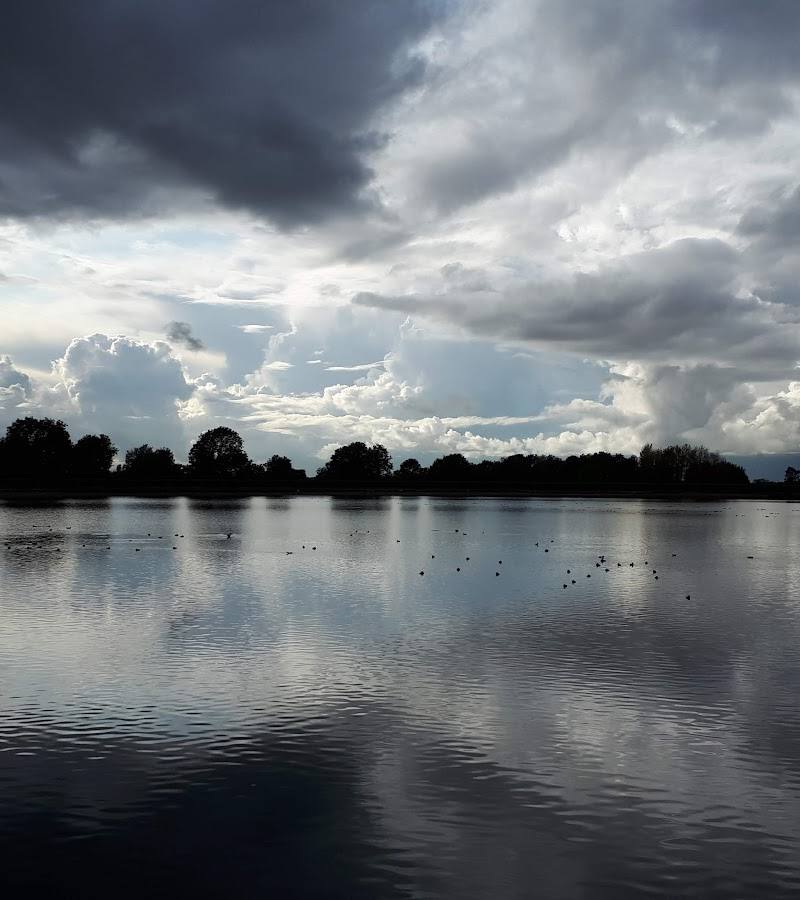
6.0Four reservoirs built to serve the canal system have become one of southern England’s standout birdwatching places. Reedbeds, wet woodland and open water draw wintering wildfowl, breeding birds and seasonal visitors beneath the Chilterns escarpment.
This is more than a waterside stroll: four linked reservoirs support varied wetland habitats and rewarding birdwatching through the year. Winter brings concentrations of wildfowl and the chance of bittern at Marsworth; in spring, look for displaying great crested grebes and listen for reedbed birds.
Peaceful · Big-sky · Wild
Find your way
Open map3 km north-west of Tring, Hertfordshire
Opening map…
Know this place a little better?
The experience
Explore some of the four reservoirs on foot, pausing at hides and viewpoints to watch the changing birdlife. Choose your visit around the wildlife: spring for displaying grebes and breeding reedbed birds, or winter for wildfowl and the possibility of bittern at Marsworth. Swimming and boating are not permitted.
Things to do
Watch wintering wildfowl
Scan the open water for winter visitors including tufted duck, pochard, teal, gadwall, wigeon and shoveler. The Wildlife Trust notes that nationally important numbers of shoveler are present in winter.
Allow time to pause and watch
Look for bittern at Marsworth
From December to February, watch the reedbed at Marsworth for overwintering bittern. Sightings are not guaranteed; give the reedbed time and space.
Allow time for patient watching
Watch the great crested grebes in spring
Look across the water for the grebes’ distinctive courtship display, which the Wildlife Trust highlights as a spring spectacle.
Search Wilstone’s mudflats for mudwort
When water levels recede in autumn, the rare mudwort may be visible on Wilstone Reservoir’s mudflats.
Explore the reservoir paths and hides
Walk sections of the reserve and use available viewpoints and hides to look across the open water, reedbeds and wet woodland. Check current closures and access conditions first.
Make a day of it
Quick escape · 1–2 hours
Quick Escape: a reservoir-side birdwatch
- 01
Choose an accessible reservoir entrance and check for current path closures before you go.
- 02
Walk a suitable section of the reservoir paths, stopping at available viewpoints or hides to watch the water and reedbeds.
- 03
Take binoculars if you have them; focus on the season’s birdlife, then return by the route you came.
Half day · Half day
Make a half day of it: explore more than one reservoir
- 01
Start at Startop’s End, Marsworth or Tringford and explore the paths and viewpoints that are open on the day.
- 02
Continue to another of the nearby reservoirs if conditions and access allow, making time to compare open water, reedbeds and wet woodland.
- 03
Finish at Wilstone if paths are open, checking the hide and mudflats for seasonal wildlife.
Verified history
The four reservoirs—Startop’s End, Marsworth, Tringford and Wilstone—were originally built to serve the canal system. Their engineered waters have since become a wetland reserve with open water, reedbeds and wet woodland. The supplied source describes their construction as early nineteenth century; the Wildlife Trust confirms their original canal purpose.
Hidden details
A seasonal plant on Wilstone’s mudflats — When the water recedes in autumn, look for rare mudwort on Wilstone Reservoir’s exposed mudflats.
A winter reedbed refuge — Marsworth’s reedbed retains water through winter, creating feeding habitat for overwintering bittern between December and February.
When to go
April · May · June · July · November · December · January · February · Early morning for a quieter birdwatching visit; allow time to watch rather than simply pass through.
April to July brings breeding activity, including displaying great crested grebes and reedbed birds. November to February is the key period for wintering wildfowl, with bittern possible at Marsworth from December to February. Autumn offers a chance to look for mudwort on Wilstone’s receding mudflats.
Reservoir banks can be exposed to cold winds. The Wildlife Trust advises warm clothing. Check current path conditions and closures before travelling.
What to look for
- 01
In winter, scan the reservoirs for wildfowl including tufted duck, pochard, teal, gadwall, wigeon and shoveler. At Marsworth, look for overwintering bittern from December to February. In spring, watch for the great crested grebe’s display
- 02
at Wilstone, look for mudwort on the mudflats in autumn as water levels recede.
The story
Industry
Best time to go
April–July and November–February
The Wildlife Trust recommends April to July and November to February. Early morning is a sensible choice for a quieter birdwatching visit; exposed reservoir banks can be cold and windy, so bring warm clothing.
How long to spend
1–2 hours; allow longer to explore more than one reservoir
Perfect for
Birdwatchers · Walkers · Photographers · Wildlife lovers · Families · Dogs
Practical information
Opening & access
The reserve is open at all times and free to visit. There is a free car park at Wilstone and a pay-and-display car park at Startop’s End. Swimming and boating are not permitted. Check current path closures before setting out; the Wildlife Trust reports works affecting paths at Wilstone, while its car park and hide remain accessible.
Check before visiting
Parking
Free car park at Wilstone; pay-and-display car park at Startop’s End. Check before visiting for current arrangements.
Check before visiting
Toilets
The source listing reports toilets at the main car parks; check before visiting.
Check before visiting
Food & drink
The source listing reports a small café near Startop’s End Reservoir; check before visiting.
Check before visiting
Dogs
Dogs should be kept under effective control.
Accessibility
The source listing reports that some paths are suitable for wheelchairs and pushchairs, while others are uneven. The Wildlife Trust notes very steep steps from the car park to the tops of reservoir banks. Check route conditions and access before visiting.
Check before visiting
Cost
Free to visit; donations welcome
Water
Reservoir
Gallery
Place photographsKeep exploring
Around Tring Reservoirs
Within 50 km · approximate straight-line distances