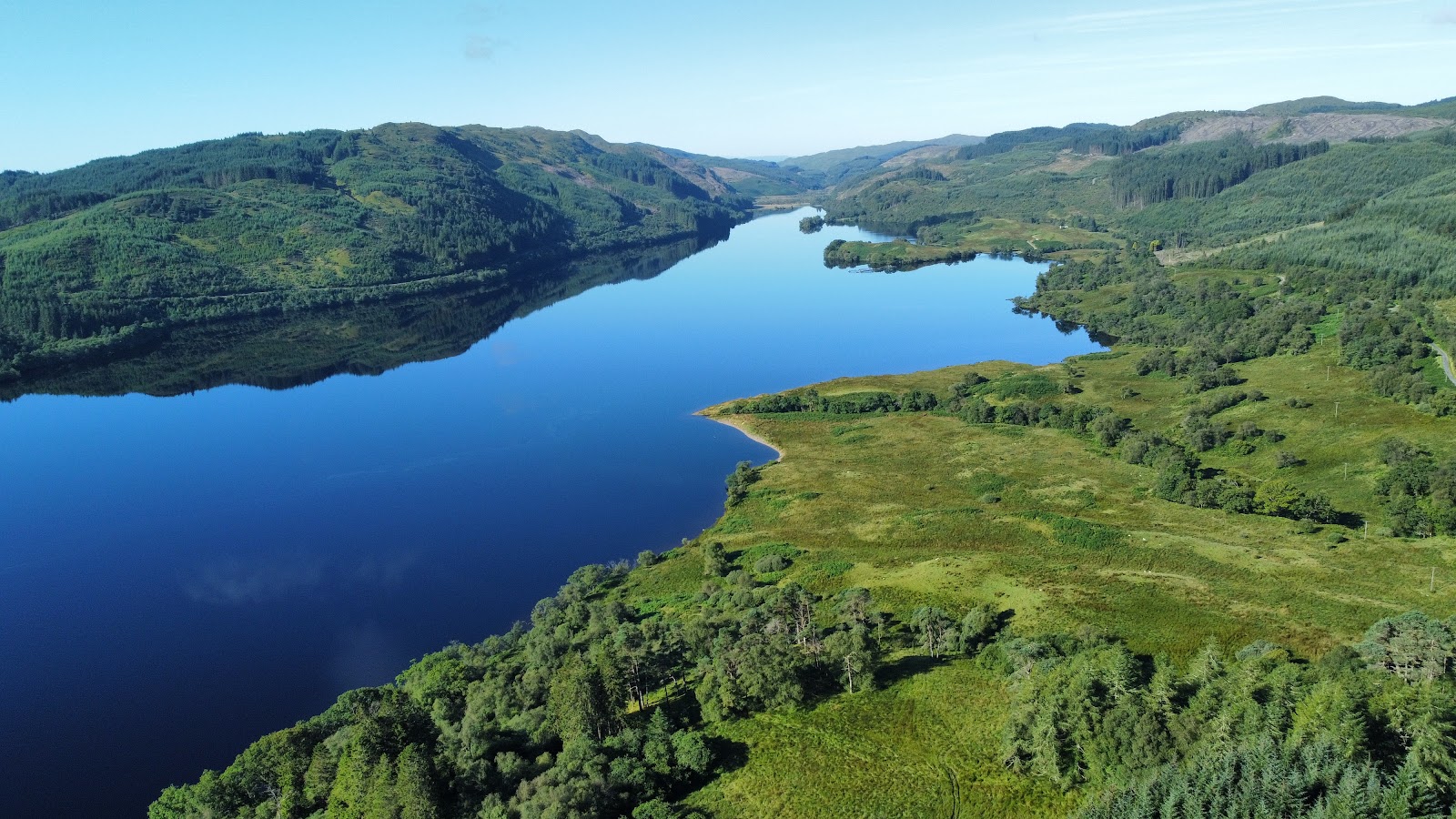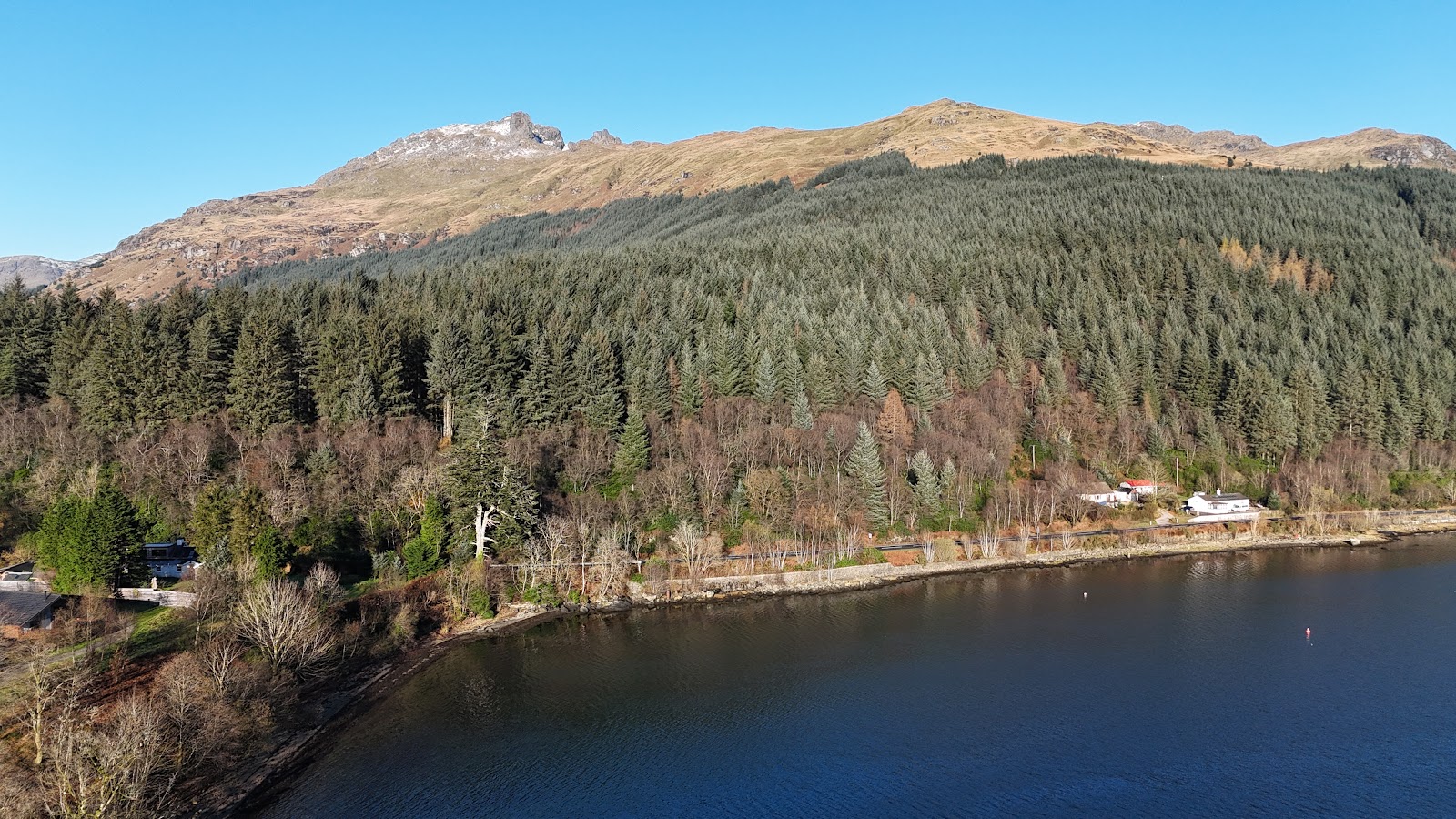
Near Nether Largie, Kilmartin Glen, Argyll
Temple Wood Stone Circle
Prehistoric
Source image
6.8
Wildland
Under 1 hour
Time
Check
Cost
Atmospheric
Feel
Why it's Wildland
6.8A prehistoric monument reused and reshaped over roughly two millennia: the earliest evidence points to a timber circle, followed by an unfinished stone circle and later stone settings.
Temple Wood is more than a ring of standing stones: the official account describes successive prehistoric phases on the same site, while the surrounding Kilmartin Glen gives it a wider archaeological context. It merits a considered visit, though practical access details should be checked before setting out.
Atmospheric · Ancient-feeling · Peaceful
Find your way
Open mapNear Nether Largie, Kilmartin Glen, Argyll
Opening map…
Know this place a little better?
The experience
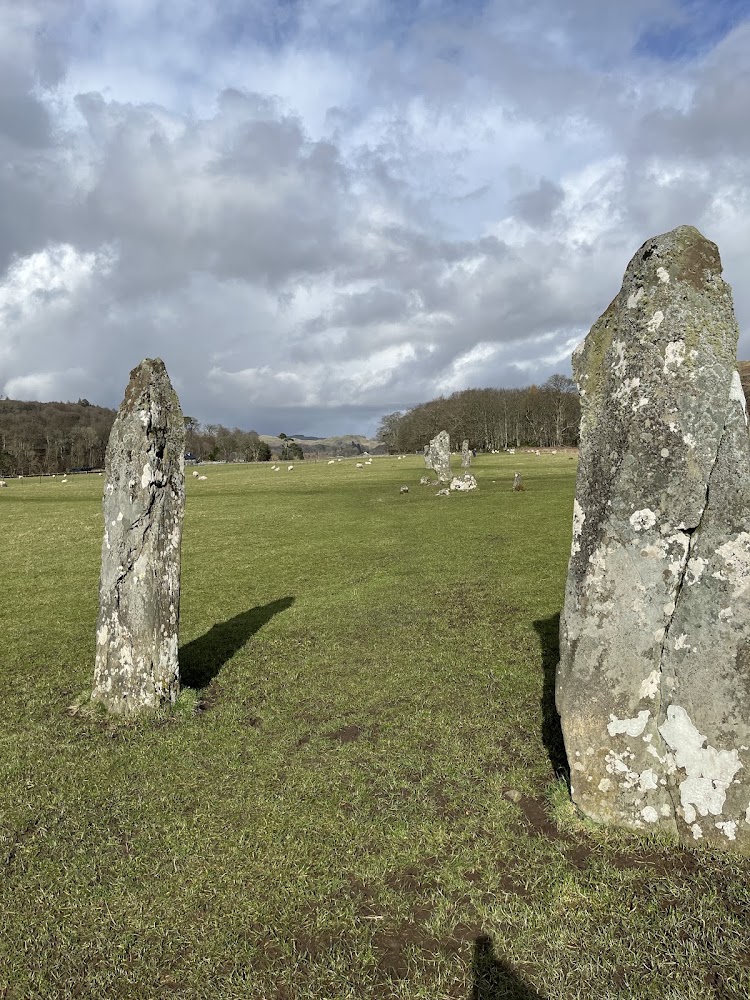
Take time to look closely at the arrangement of stones and imagine the site as a sequence of monuments rather than a single finished design. Historic Environment Scotland dates its use from the Neolithic into the Bronze Age. Confirm access and ground conditions before visiting.
Things to do
Read the monument as a sequence
Compare the stone settings with Historic Environment Scotland’s account of the earlier timber circle, the unfinished stone-circle work and the later oval setting.
20–40 minutes
Use the Kilmartin Glen self-guided trail
Plan a broader archaeology outing with Kilmartin Museum’s trail. Its supplied directions describe continuing on foot from Nether Largie Standing Stones towards Temple Wood.
Make a day of it
Quick escape · Under 1 hour
Quick look at the circles
- 01
Visit Temple Wood Stone Circle and take time to view the stone settings.
- 02
Use the official history account to notice that the site developed in several phases, rather than as one single circle.
Half day · Half day
Temple Wood and the wider prehistoric landscape
- 01
Visit Temple Wood Stone Circle.
- 02
Extend the outing to other Kilmartin Glen archaeology sites using Kilmartin Museum’s self-guided trail as a planning resource.
- 03
Check each site’s access and practical arrangements before setting out; the supplied trail excerpt gives a walking link from Nether Largie Standing Stones towards Temple Wood.
Verified history
Historic Environment Scotland says Temple Wood was in use for about 2,000 years, from the Neolithic into the Bronze Age. The earliest remains indicate use around 3500–3000 BC, when a timber circle was built. Work began on a stone circle to replace it but was not completed. Around 3000 BC, an oval setting of 22 standing stones was built south of it. The supplied source describes the site as part of Kilmartin Glen’s wider prehistoric landscape.
Folklore & legend
The supplied sources do not establish a specific local legend for Temple Wood. Do not treat visitor comments about spirits as historical evidence.
Hidden details
A timber predecessor — The earliest remains indicate that a timber circle stood here before the stone monuments.
An unfinished stone circle — Historic Environment Scotland says work began on a stone circle intended to replace the timber one, but was never completed.
Twenty-two stones in an oval setting — The official history describes an oval setting of 22 standing stones built around 3000 BC.
When to go
· No specific time-of-day recommendation is established by the supplied sources.
Historic Environment Scotland lists the site as open all year round. The supplied sources do not identify a season-specific reason to visit.
Check local conditions before travelling; the supplied sources do not describe site-specific weather or ground conditions.
Worth pairing with
Nether Largie Standing Stones
Kilmartin Museum’s self-guided trail describes continuing on foot from the Nether Largie Standing Stones towards Temple Wood. Check access and route conditions before setting out.
Kilmartin Glen archaeological sites
Kilmartin Museum provides a self-guided trail through locations in Mid Argyll, offering a sourced way to plan a broader archaeology-focused outing.
What to look for
Look for the different stone settings described by Historic Environment Scotland, including evidence of an unfinished stone circle and an oval setting of standing stones. The supplied history excerpt also identifies an earlier timber-circle phase.
The story
Prehistoric archaeology
Best time to go
Open all year round according to Historic Environment Scotland; no season-specific advantage is established by the supplied sources.
No particular time of day is recommended by the supplied sources. Historic Environment Scotland says the site is open all year round; check current access before travelling.
How long to spend
Under 1 hour
Perfect for
History lovers · Photographers · Walkers
Before you go
Address
Phone
Website
Listed hours
- Monday: Open 24 hours
- Tuesday: Open 24 hours
- Wednesday: Open 24 hours
- Thursday: Open 24 hours
- Friday: Open 24 hours
- Saturday: Open 24 hours
- Sunday: Open 24 hours
Check before visiting.
Google rating
Practical information
Opening & access
Historic Environment Scotland lists the site as open all year round. Check current access and conditions before travelling.
Check before visiting
Parking
Check before visiting
Check before visiting
Toilets
Check before visiting
Check before visiting
Food & drink
Check before visiting
Check before visiting
Dogs
Check before visiting
Check before visiting
Accessibility
Check before visiting; the supplied sources do not establish step-free access or path conditions.
Check before visiting
Cost
Check before visiting
Check before visiting
Gallery
Place photographsKeep exploring
Around Temple Wood Stone Circle
Within 50 km · approximate straight-line distances