5.2
Wildland
Under 1 hour
Time
Check
Cost
Atmospheric
Feel
Why it's Wildland
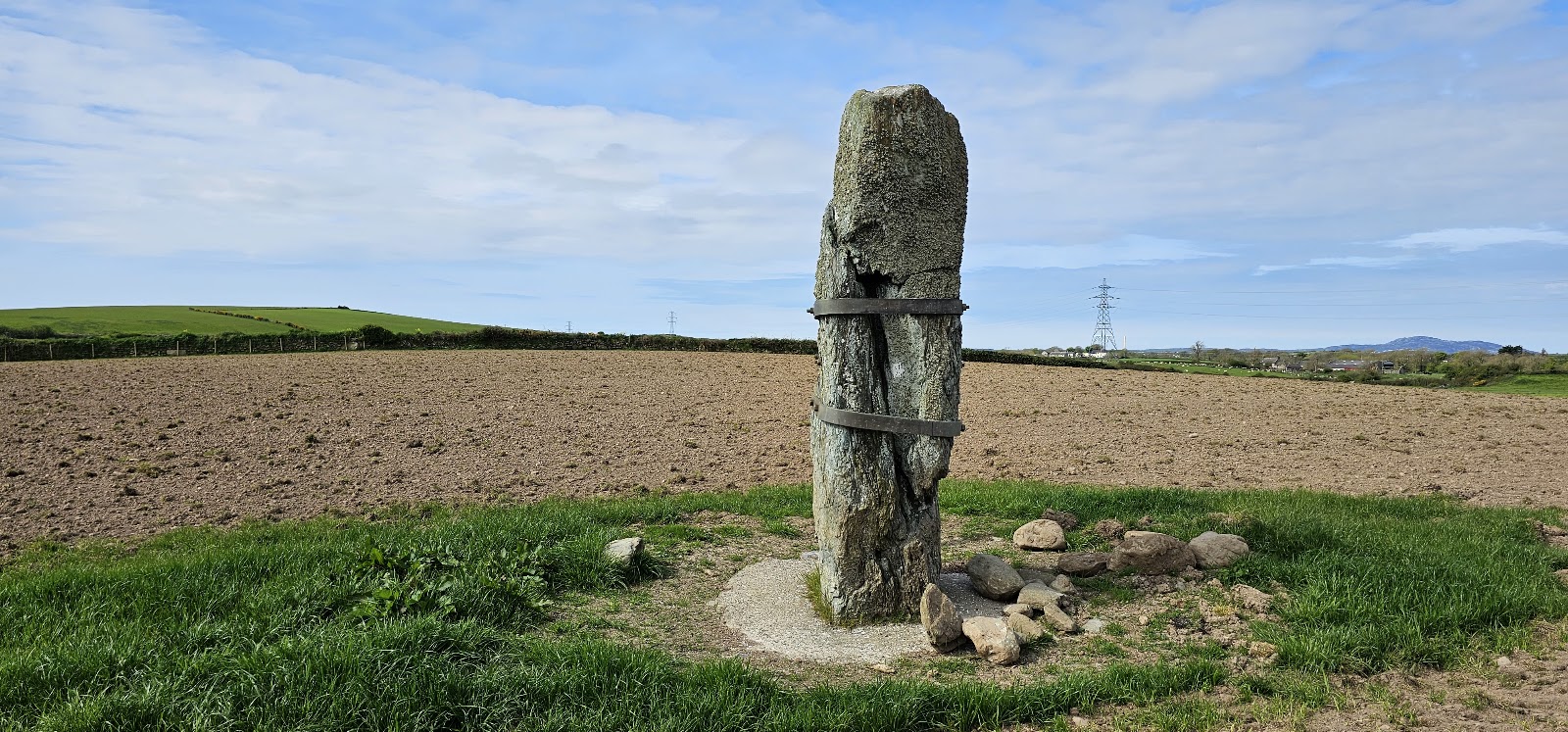
5.2A solitary, unusually twisted stone rises about 2.7 metres from the fields on Holyhead’s outskirts. Its purpose is uncertain: it may be a prehistoric ritual or commemorative monument, or a comparatively recent cattle-rubbing stone.
This is a small, unusual piece of Holyhead’s archaeological landscape: a tall, contorted monolith whose original purpose remains unresolved. It is worth a short stop for the stone itself and the question it leaves open, rather than as a full-day destination.
Atmospheric · Quirky
Find your way
Open mapParc Cybi, Holyhead, LL65 2YF
Opening map…
Know this place a little better?
The experience
A brief visit focused on the solitary standing stone. Take time to notice its height and contorted shape, while keeping its uncertain date and purpose in mind.
Things to do
Study the stone’s shape
Look at how the slab twists as it rises; Cadw identifies this unusual shape as a notable feature.
A few minutes
Consider the unresolved purpose
Coflein records two possibilities: a prehistoric commemorative or ritual monument, or a comparatively recent cattle-rubbing stone. Neither interpretation is established as certain by the supplied record.
A few minutes
Make a day of it
Quick escape · Under 1 hour
Meet the twisted monolith
- 01
Visit during reasonable daylight hours, as listed by Cadw.
- 02
Look closely at the stone’s unusual twisting shape and consider the competing explanations for its purpose.
- 03
Wear footwear suited to potentially slippery or muddy ground.
Verified history
Coflein records the stone as an erect monolith measuring 2.67 metres high, 1.2 metres wide and 0.4 metres thick. An 1889 Ordnance Survey county-series map showed it standing in the centre of a small field. Its date and function are uncertain: Coflein suggests it may be a comparatively recent cattle-rubbing stone or a prehistoric commemorative or ritual monument. Cadw describes it as probably erected during the Bronze Age; the supplied evidence does not resolve the uncertainty.
Hidden details
An uncertain identity — The stone is not securely identified as prehistoric in the Coflein record: it may instead have been used by cattle to rub against. Keep that ambiguity in view when interpreting the monument.
The field setting has changed — When first mapped on the 1889 Ordnance Survey county-series map, the stone stood at the centre of a small field.
When to go
· During reasonable daylight hours, as specified by Cadw.
Cadw lists the monument as open all year; the supplied evidence gives no seasonal highlight.
Cadw warns that the site is exposed to the elements and may be slippery or muddy underfoot. Wear appropriate footwear.
Worth pairing with
RSPB South Stack
A possible additional stop near Holyhead: the supplied Trip.com source lists it 4.3 km from Tŷ Mawr. Check current visitor details before planning a visit.
What to look for
The stone’s contorted outline and its scale: Coflein records it as 2.67 metres high, 1.2 metres wide and 0.4 metres thick. Its purpose is disputed, so treat prehistoric interpretations as possibilities rather than established fact.
The story
Prehistoric archaeology; possible ritual or commemorative use, though the stone’s purpose is uncertain.
Best time to go
Any season; Cadw lists it as open all year during reasonable daylight hours.
Visit during reasonable daylight hours, as specified by Cadw. The source material gives no season-specific reason to prefer one time of year.
How long to spend
Under 1 hour
Perfect for
History lovers · Photographers
Before you go
Address
Phone
Website
Listed hours
- Monday: Open 24 hours
- Tuesday: Open 24 hours
- Wednesday: Open 24 hours
- Thursday: Open 24 hours
- Friday: Open 24 hours
- Saturday: Open 24 hours
- Sunday: Open 24 hours
Check before visiting.
Google rating
Practical information
Opening & access
Cadw lists the monument as open all year during reasonable daylight hours. Check Cadw’s current visitor guidance before travelling.
Check before visiting
Parking
Check before visiting
Check before visiting
Toilets
Check before visiting
Check before visiting
Food & drink
Check before visiting
Check before visiting
Dogs
Dogs welcome, according to Cadw.
Accessibility
Cadw describes the terrain as easy, but notes that the site can be slippery or muddy underfoot. Check before visiting for further access details.
Check before visiting
Cost
Check before visiting
Check before visiting
Gallery
Place photographs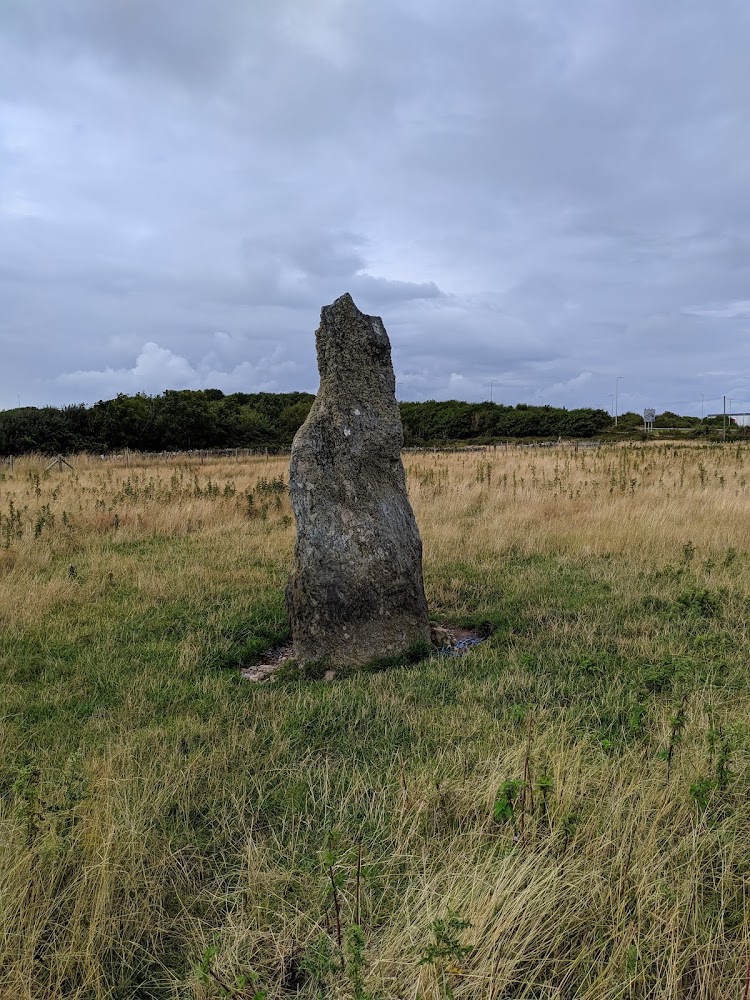
Keep exploring
Around Tŷ Mawr Standing Stone
Within 50 km · approximate straight-line distances