Isle of Staffa, PA73 6NA, Scotland
Staffa National Nature Reserve – Fingal’s Cave
Cave
Place photograph
9.2
Wildland
Allow for a boat trip
Time
Check
Cost
Dramatic
Feel
Why it's Wildland
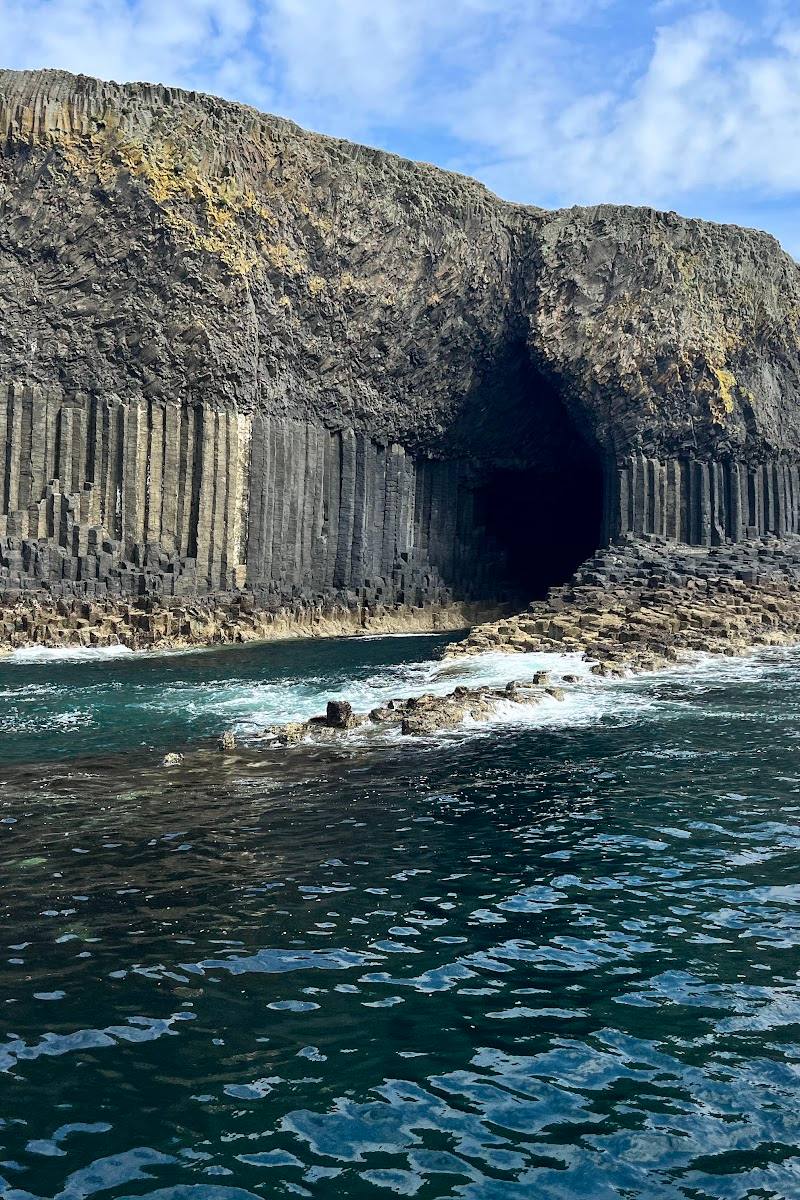
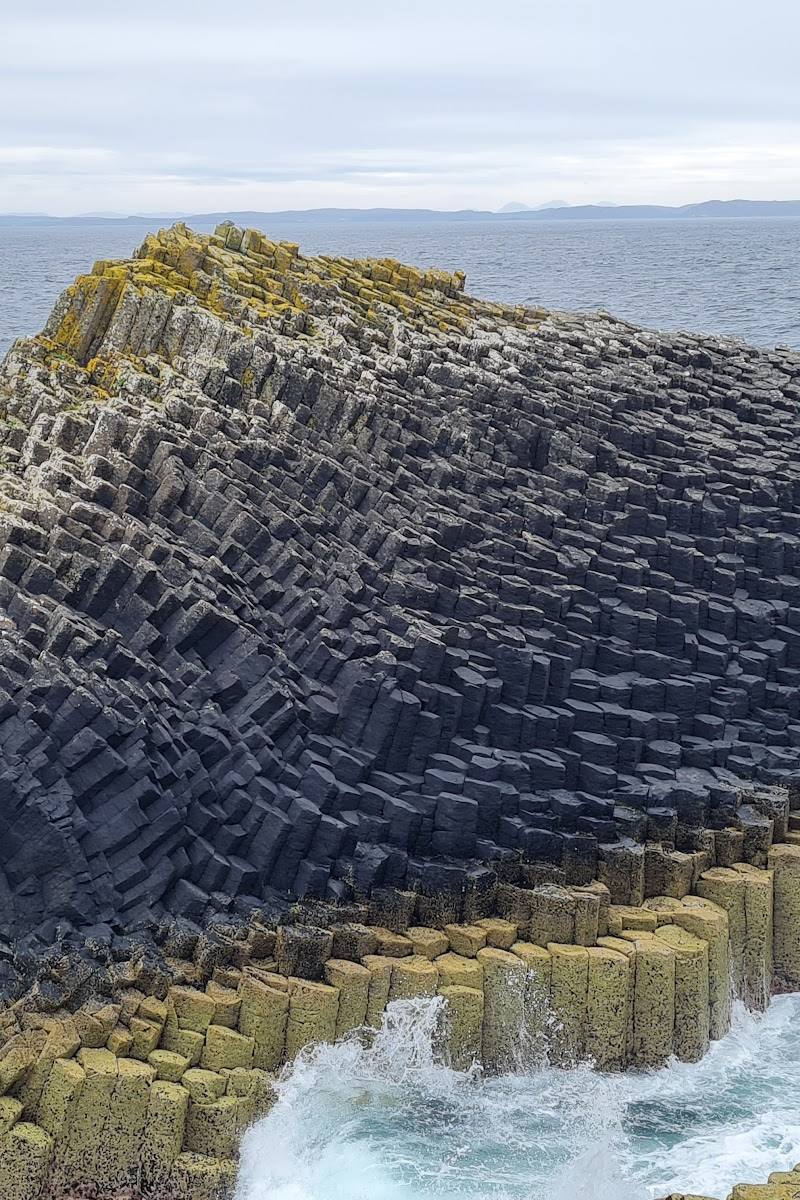
9.2Hexagonal basalt columns frame a sea cave whose wave-driven acoustics inspired Mendelssohn’s Hebrides Overture. The island’s volcanic formations, seabirds and exposed Atlantic setting make the journey part of the experience.
Staffa is a rare meeting of striking geology and sound: immense volcanic columns lead into a sea cave where waves give the space its remarkable acoustics. Reaching it depends on a boat landing and the weather, but the island’s cliffs, wildlife and open Hebridean views make it more than a cave visit.
Dramatic · Wild · Atmospheric
Find your way
Open mapIsle of Staffa, PA73 6NA, Scotland
Opening map…
Know this place a little better?
The experience
A boat journey to a small, exposed Hebridean island: see the basalt formations, listen for the cave’s wave-shaped acoustics and, if conditions allow, walk to the island’s high point for views across the surrounding islands.
Things to do
See the hexagonal basalt columns
Look closely at the island’s striking columns, formed by volcanic eruptions and a vast lava flow. Stay on permitted routes and follow on-site guidance.
Listen to Fingal’s Cave
When access is permitted, listen to the waves echoing through the sea cave. Its acoustics inspired Mendelssohn’s Hebrides Overture.
Walk to the island’s highest point
The National Trust for Scotland highlights a walk to Staffa’s highest point for a panorama of the Hebridean islands. Confirm access and conditions with your operator.
Look for seabirds
The reserve is home to black guillemots, eiders, fulmars and puffins. Puffin sightings are seasonal; ask your operator about recent sightings and keep clear of nesting birds.
Make a day of it
Quick escape · Allow for the landing time set by your boat operator; the supplied sources do not give a standard visit duration.
Quick escape: the cave and columns
- 01
Book a boat trip that explicitly includes landing on Staffa; check current landing arrangements before travelling.
- 02
If landing is possible, explore the basalt columns and visit Fingal’s Cave only where access is open and safe.
- 03
Pause to listen to the waves inside the cave, then follow operator or ranger advice and keep clear of nesting birds.
Half day · Depends on departure point and operator. Supplied examples range from a four-hour tour to a six-hour trip.
Make a half day of it: Staffa by sea
- 01
Choose a boat tour from a departure point that suits your wider journey; check whether it lands on Staffa or views the cave from the boat.
- 02
On Staffa, see the basalt columns and Fingal’s Cave if conditions permit, and allow time for the island’s seabirds and views.
- 03
If travelling in May–July, ask the operator about recent puffin sightings; follow their advice on weather, footwear and access.
Verified history
Staffa’s volcanic columns and the sea cave formed through geological processes over millions of years. The National Trust for Scotland says botanist Joseph Banks highlighted the island’s natural beauty in 1772; it became a prominent visitor destination, attracting figures including Queen Victoria, Lord Tennyson, Jules Verne, Robert Louis Stevenson and John Keats. Mendelssohn visited in 1829 and was inspired by the cave’s acoustics to compose the Hebrides Overture. Staffa came into the care of the National Trust for Scotland in 1986, gifted by John Elliott, Jr, of New York.
Folklore & legend
A supplied tour operator describes a local legend linking Fingal’s Cave with the Irish hero Fionn MacCumhaill and the Giant’s Causeway. This is folklore, not a verified account of the cave’s formation.
Hidden details
The cave’s Gaelic name — The supplied regional visitor guide gives the Gaelic name as An Uamh Binn, translated there as “the Cave of Music”—a fitting reference to the waves and the cave’s acoustics.
Look out to sea for marine wildlife — The National Trust for Scotland suggests watching for whales, dolphins or basking sharks from the island. Sightings are not guaranteed.
When to go
May · June · July · Check boat departure times and sea conditions with your operator; no particular time of day is established by the supplied sources.
May to July is suggested for puffin-spotting, but sightings vary. Landing and access to the cave depend on sea conditions.
Boat landings and cave access depend on sea conditions. Wear sturdy footwear and waterproof layers; the cave path is narrow, uneven and can be slippery when wet, with steep drops. Follow current operator and ranger advice.
Worth pairing with
Treshnish Isles
Some boat tours combine Staffa with the Treshnish Isles. Check the current itinerary, departure point and landing arrangements with the operator.
Iona
Some tour itineraries combine Staffa with Iona. Confirm the current route and timing with the operator before planning a day around both.
What to look for
- 01
The hexagonal basalt columns
- 02
the sea cave’s arched opening and wave-shaped acoustics
- 03
seabirds including puffins in season
- 04
and the panorama from the island’s highest point. Keep clear of nesting birds and follow ranger or operator guidance.
The story
Volcanic geology, Hebridean natural history and the cave’s influence on music
Best time to go
May–July for the chance to see puffins; landings remain dependent on sea conditions.
May–July is a good time to plan for puffins, but check recent sightings with your boat operator. Landing and cave access depend on sea conditions.
How long to spend
Allow for a boat trip; duration depends on departure point and operator.
Perfect for
Photographers · Wildlife lovers · History lovers
Before you go
Practical information
Opening & access
Staffa is reached by boat; landings and access to Fingal’s Cave depend on sea conditions. Check the operator’s current arrangements and whether the trip includes a landing before booking. The National Trust for Scotland recommends booking tickets in advance.
Check before visiting
Parking
Check with your boat operator for the departure point and parking arrangements.
Check before visiting
Toilets
Check before visiting; the supplied source reports no visitor facilities on Staffa.
Check before visiting
Food & drink
Check before visiting; the supplied sources do not confirm food facilities on Staffa.
Check before visiting
Dogs
Dogs cannot land, except guide or assistance dogs, according to the supplied visitor guidance. Confirm current arrangements with the operator.
Accessibility
Not wheelchair accessible, according to the supplied visitor guidance. The cave path is described as narrow, uneven and slippery when wet, with steep drops. Discuss mobility needs with the boat operator before booking.
Cost
Paid boat trip; check current prices and booking arrangements.
Check before visiting
Water
Sea
Gallery
Place photographs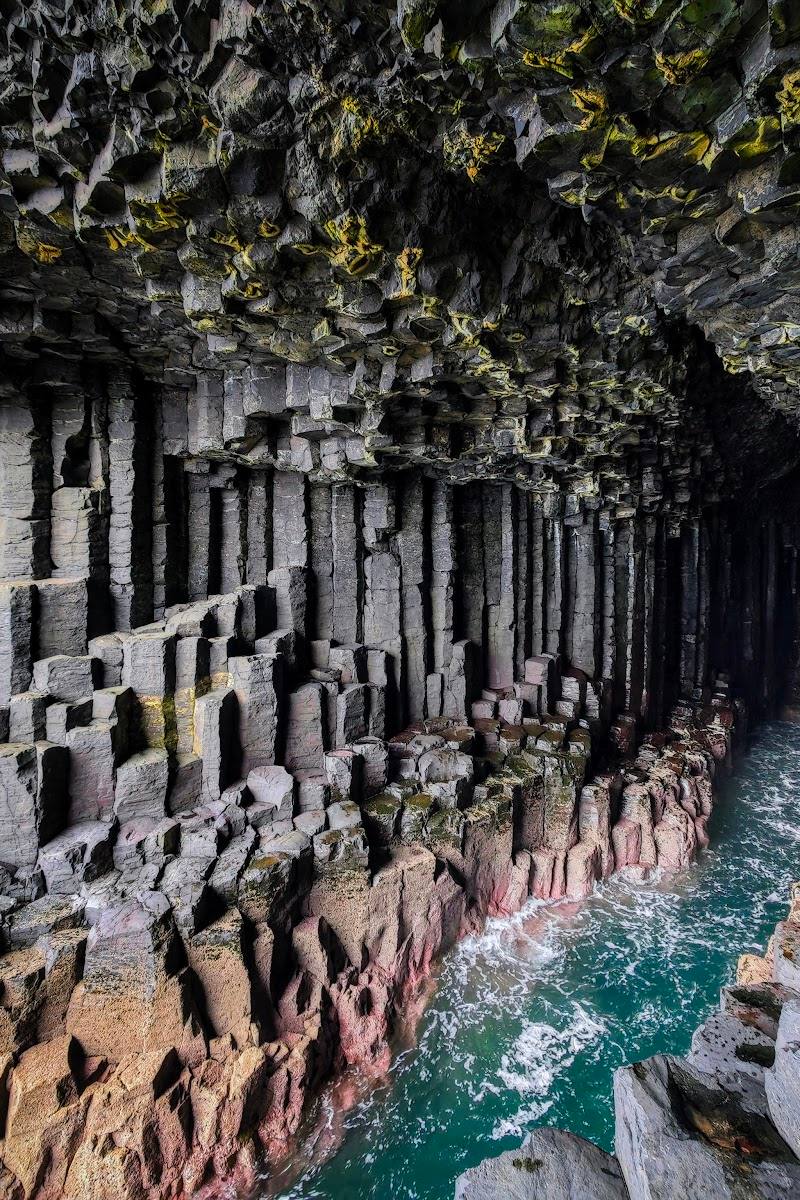
Keep exploring
Around Staffa National Nature Reserve – Fingal’s Cave
Within 50 km · approximate straight-line distances