Spurn Head, south of Kilnsea, East Riding of Yorkshire HU12 0UH
Spurn National Nature Reserve
Mixed-habitat reserve
Place photograph
8.6
Wildland
Half day
Time
Check
Cost
Wild
Feel
Why it's Wildland
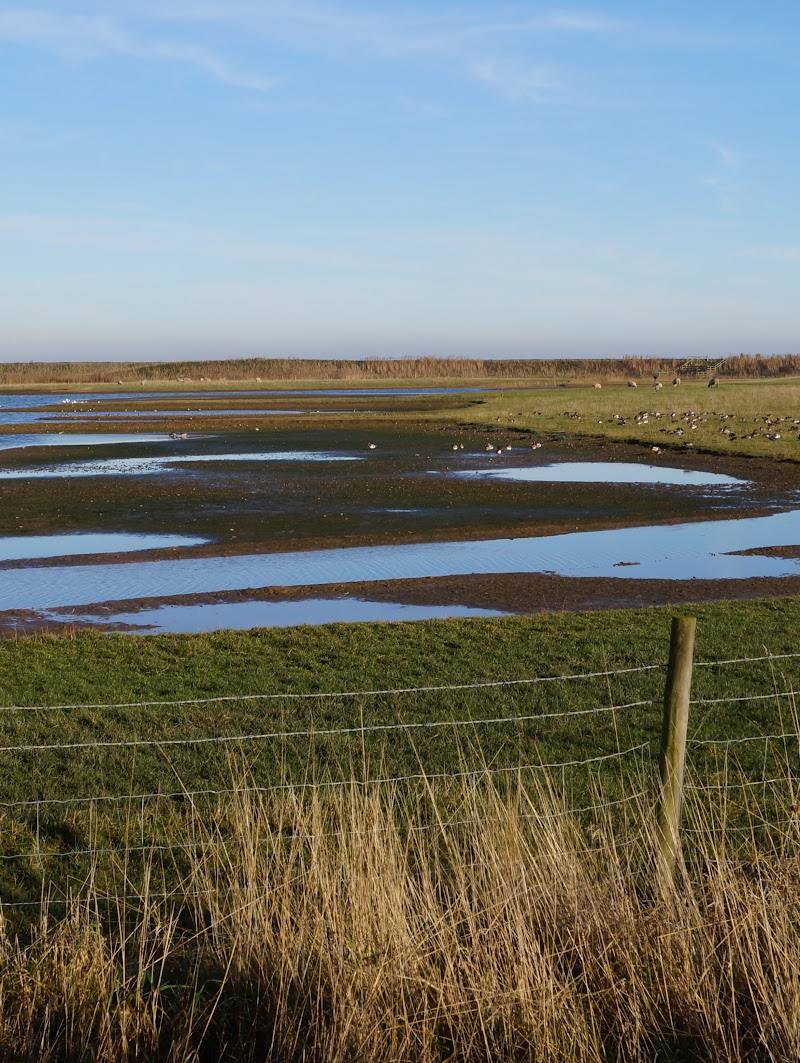
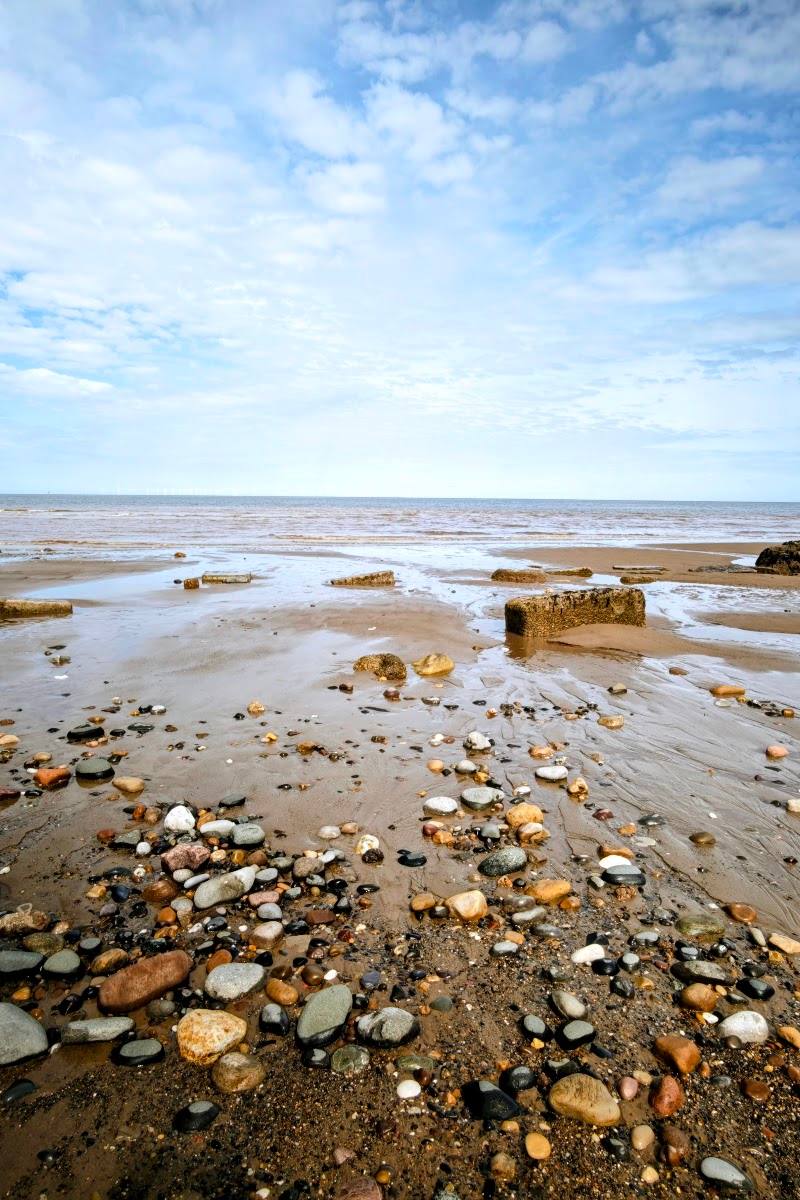
8.6A narrow, shifting peninsula more than three miles long and as little as 50 metres wide, with the North Sea on one side and the Humber Estuary on the other.
Spurn feels genuinely exposed and changeable: a long, narrow spit shaped by the meeting of sea and estuary, with bird migration, wildlife and traces of human history all part of the experience. Tide and weather matter here, so check conditions before setting out.
Wild · Dramatic · Big-sky · Atmospheric
Find your way
Open mapSpurn Head, south of Kilnsea, East Riding of Yorkshire HU12 0UH
Opening map…
Know this place a little better?
The experience
Begin at the visitor centre, then choose a walk suited to the conditions. The reserve’s footpaths are generally open, but bad weather can close the site and tide times should be checked before going onto Spurn Point. Look out across both the North Sea and Humber Estuary, and allow time for birds and the reserve’s historic traces.
Things to do
Watch for migrating and overwintering birds
Bring binoculars and spend time scanning the reserve and surrounding waters. Yorkshire Wildlife Trust identifies birdwatching and overwintering birds as interests at the reserve; a supplied account describes autumn migration as a strong draw.
Allow time to pause during your visit
Walk towards Spurn Point
Explore the narrow peninsula on open footpaths, checking tide times first. The route can be affected by tides and bad weather, and the reserve may close for safety.
Check route and conditions before setting out
Look for Spurn’s human traces
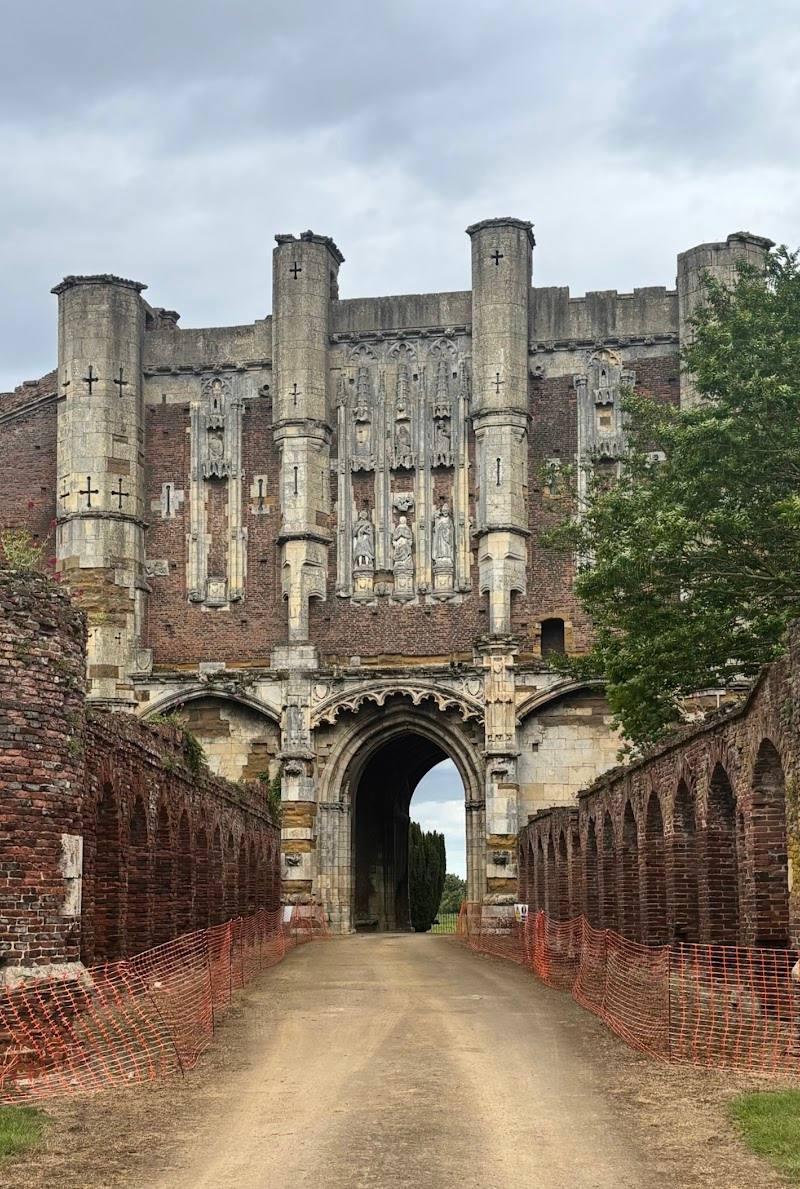
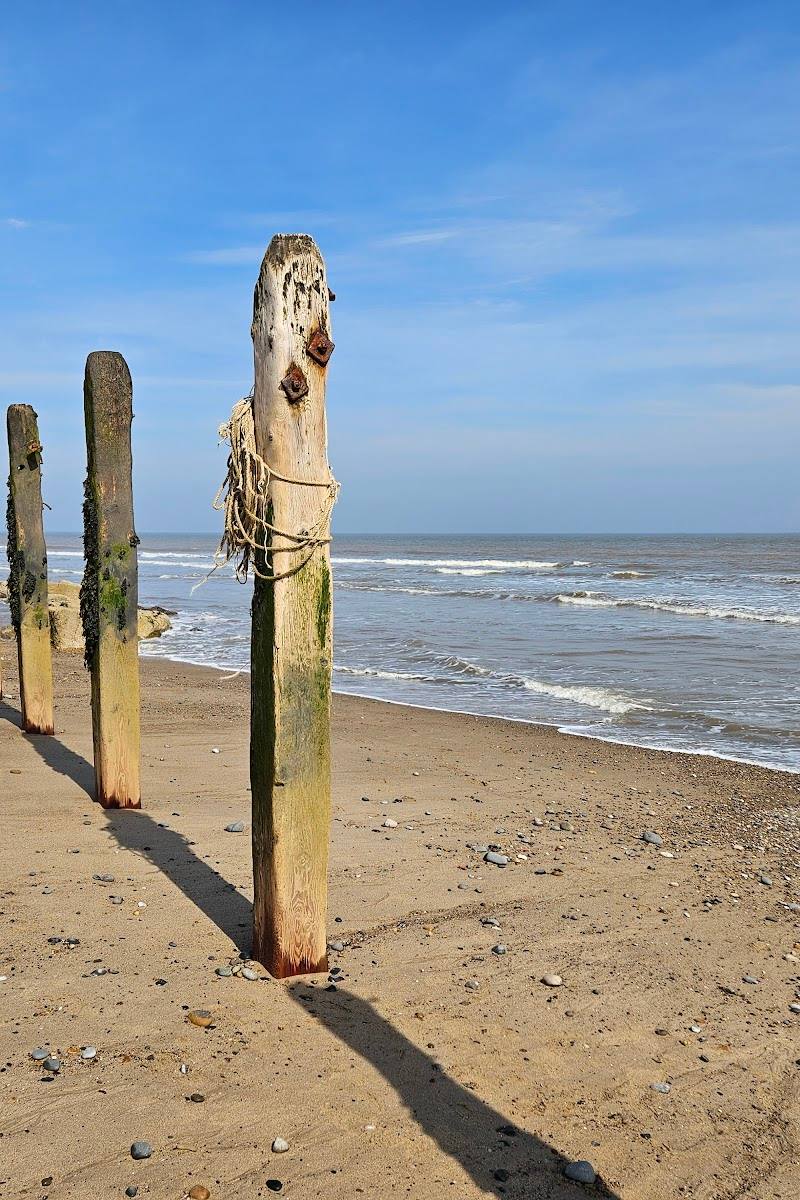
Notice derelict buildings and hidden structures within the changing coastal landscape; Yorkshire Wildlife Trust describes these as part of the reserve’s human history.
Make a day of it
Quick escape · 1–2 hours
Quick Escape: begin at the Discovery Centre
- 01
Start at the visitor centre and check current conditions, tide times and any closures.
- 02
Choose an open footpath for a short out-and-back walk, turning back well before conditions or tide become a concern.
- 03
Pause to scan the estuary and sea for birds, then return to the visitor centre.
Half day · Half day
Make a half day of it: explore the peninsula
- 01
Begin at the visitor centre; check tide times and whether weather has affected access.
- 02
Follow open reserve footpaths towards Spurn Point only if conditions and tide information support the outing.
- 03
Take time to watch for birds and notice the changing landscape between the North Sea and Humber Estuary.
- 04
Return to the visitor centre for the listed cafe/refreshments and facilities, checking what is open.
Verified history
Yorkshire Wildlife Trust describes Spurn as having an extensive human history, with derelict buildings and hidden structures remaining in its landscape. The supplied material does not identify specific dates, people or events, so none are asserted here.
Hidden details
Look for traces of the reserve’s human past — Yorkshire Wildlife Trust notes derelict buildings and hidden structures within the reserve. Their individual identities and locations are not established by the supplied evidence.
Notice how narrow and changeable the spit is — The reserve’s peninsula is described by Yorkshire Wildlife Trust as over three miles long and as little as 50 metres wide, constantly changing under coastal forces.
When to go
March · April · May · June · July · August · September · October · November · Check tide times and weather before choosing when to walk towards Spurn Point. No specific time of day is established by the supplied reserve source.
Yorkshire Wildlife Trust recommends visiting from March to November. A supplied wildlife account singles out September and October for autumn migration; bird sightings vary and are not guaranteed.
The reserve may close in bad weather for visitor safety. Check current conditions and tide times before venturing onto Spurn Point.
What to look for
Watch for migrating and overwintering birds, the contrast between the North Sea and Humber Estuary, and derelict buildings or hidden structures left by Spurn’s human history. The narrow spit is constantly changing.
The story
Coastal landscape with a human history and derelict buildings and hidden structures.
Best time to go
March to November, according to Yorkshire Wildlife Trust. September and October are highlighted by a supplied wildlife account for autumn migration.
Yorkshire Wildlife Trust recommends March to November. For autumn migration, a supplied wildlife account highlights September and October. Check tide times and weather before walking out towards the Point.
How long to spend
Half day; allow longer for an extended walk towards the Point
Perfect for
Walkers · Wildlife lovers · Birdwatchers · Photographers · History lovers
Before you go
Address
Phone
Website
Listed hours
- Monday: 10am-4pm
- Tuesday: 10am-4pm
- Wednesday: 10am-4pm
- Thursday: 10am-4pm
- Friday: 10am-4pm
- Saturday: 10am-4pm
- Sunday: 10am-4pm
Check before visiting.
Google rating
Practical information
Opening & access
Yorkshire Wildlife Trust says the reserve is open at all times unless bad weather makes access unsafe. Footpaths may close in bad weather; check tide times before venturing onto Spurn Point. No dogs are permitted.
Check before visiting
Parking
Large car park at the visitor centre, with disabled spaces. Yorkshire Wildlife Trust members park free.
Toilets
Toilets and an accessible toilet are listed by Yorkshire Wildlife Trust.
Food & drink
Cafe/refreshments are listed by Yorkshire Wildlife Trust. Check current opening arrangements before visiting.
Check before visiting
Dogs
No dogs permitted, according to Yorkshire Wildlife Trust.
Accessibility
The source row identifies a wheelchair-accessible car park and entrance. Yorkshire Wildlife Trust lists disabled parking spaces and an accessible toilet. Surface and route accessibility are not specified; check its accessibility information before setting out.
Check before visiting
Cost
Check before visiting
Check before visiting
Water
North Sea and Humber Estuary
Gallery
Place photographs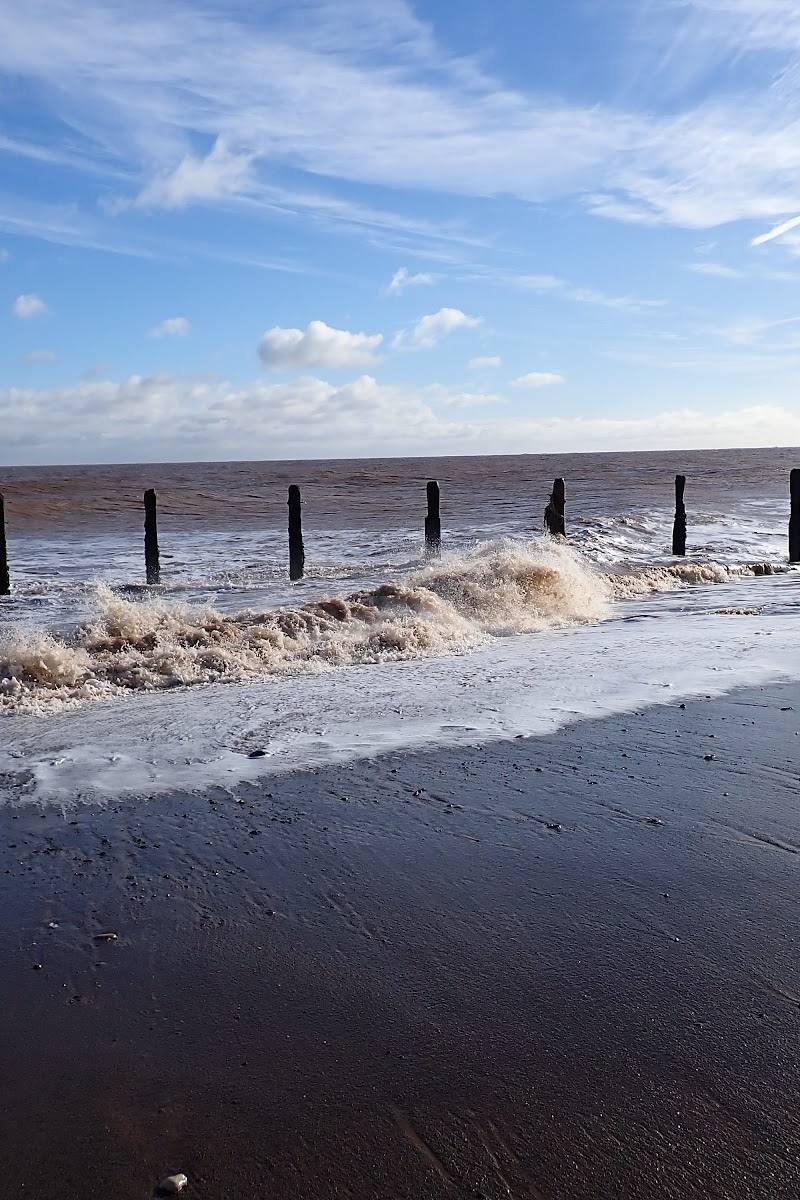
Keep exploring
Around Spurn National Nature Reserve
Within 50 km · approximate straight-line distances