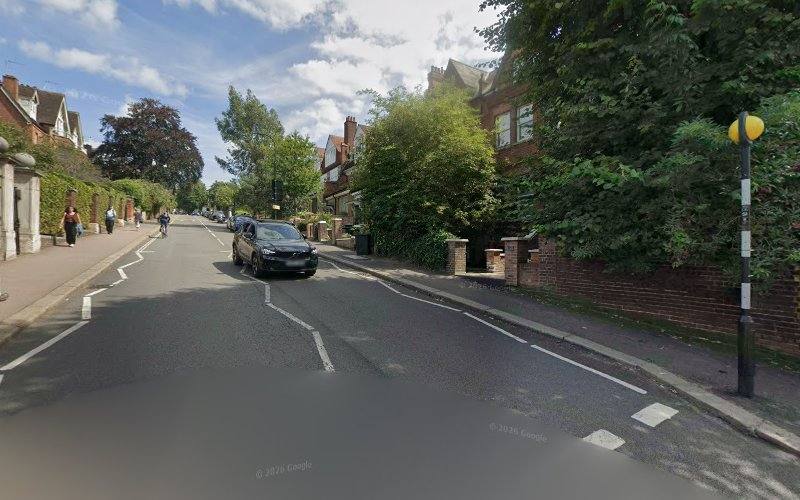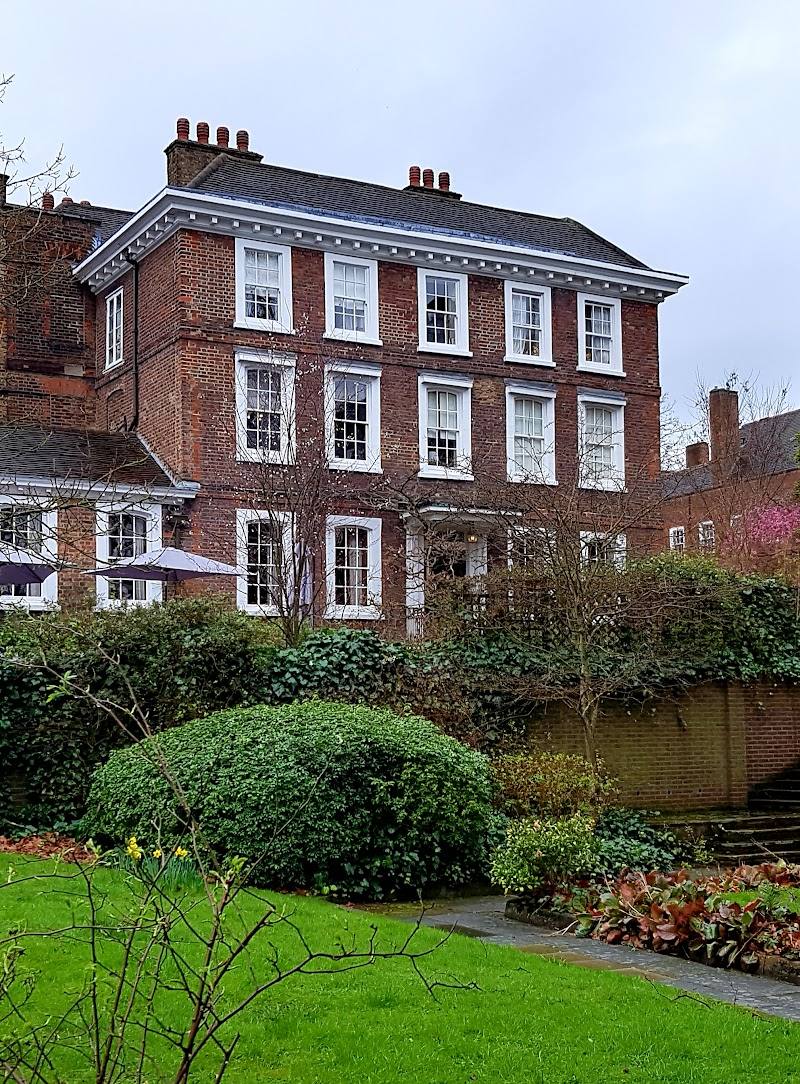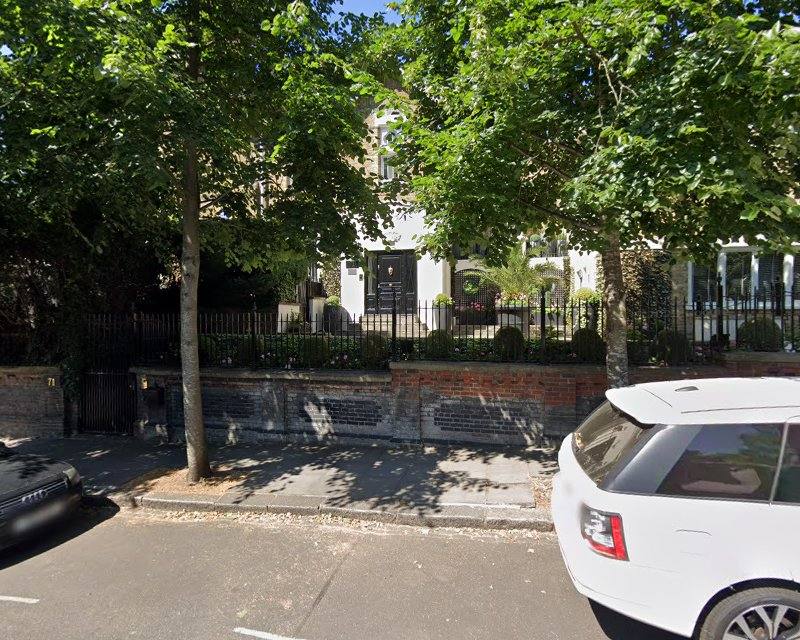
71 Frognal, Hampstead, London NW3 6XY
Sir Harold Gillies Blue Plaque
Battle & memorial
Source image
2.9
Wildland
Under 1 hour
Time
Check
Cost
Historic
Feel
Why it's Wildland
2.9At 71 Frognal, a blue plaque marks the former home of Sir Harold Gillies, whose First World War work helped shape modern reconstructive surgery. The address connects a Hampstead house to the much larger story of facial surgery pioneered for wounded servicemen.
This is a small urban heritage stop rather than a wild landscape: its value lies in a specific, consequential story attached to a real address. It earns a place for visitors seeking a brief, thoughtful encounter with medical history, not for outdoor exploration.
Historic
Find your way
Open map71 Frognal, Hampstead, London NW3 6XY
Opening map…
Know this place a little better?
The experience
A short, exterior heritage stop at 71 Frognal. Read the inscription if visible, then consider the story behind it: Gillies and a multidisciplinary team developed new approaches to treating severe facial injuries during and after the First World War. The plaque may be obscured by garden planting.
Things to do
Read the blue plaque
Look for the ceramic plaque commemorating Gillies as a pioneer plastic surgeon. It is on the exterior of his former home; planting may make it hard to see.
10–20 minutes
Trace the wartime surgery story
Read about how Gillies’ work with wounded servicemen led to specialist facial-surgery wards and a team that included surgeons, dentists, artists and other medical staff.
20–40 minutes
Explore the patient case-file record
The Royal College of Surgeons describes case files from 1915–1925, including clinical notes, photographs, watercolours and X-rays relating to facial reconstruction patients. This is a research and reading suggestion, not a claim that the archive is open for walk-in visits.
20–40 minutes
Make a day of it
Quick escape · Under 1 hour
Find the plaque at Frognal
- 01
Go to 71 Frognal, Hampstead.
- 02
Look for the English Heritage blue plaque on the exterior, viewing from the street without entering the property.
- 03
Read the inscription and take a moment to connect the address with Gillies’ work in reconstructive surgery.
Half day · 1–2 hours
Follow the story behind the plaque
- 01
Visit 71 Frognal to look for the plaque from the street.
- 02
Read English Heritage’s account of Gillies’ wartime work, including the development of specialist facial-surgery wards and the multidisciplinary team at Queen’s Hospital.
- 03
Continue the story through the Royal College of Surgeons’ account of Gillies’ patient case files, which documents the surgery, photographs and artwork associated with the work.
Verified history
Harold Delf Gillies (1882–1960) was born in Dunedin, New Zealand. After volunteering in 1915, he became involved in treating severe facial injuries sustained in the First World War. English Heritage records that he helped establish specialist facial-surgery wards and that, after the Battle of the Somme, 2,000 casualties with face and jaw wounds arrived at his ward. His team later worked at Queen’s Hospital in Sidcup, where surgeons and other specialists developed new techniques and approaches to rehabilitation. From 1921 Gillies lived at 71 Frognal, the address marked by this plaque. English Heritage erected the plaque in 1997.
Hidden details
A plaque that may be easy to miss — English Heritage says garden planting may make the plaque difficult to see. Look carefully from the street and do not enter the property.
The house’s unusual outline — English Heritage describes Gillies’ former home as an unusual corner house with a round tower and turret, on a site bounded by Redington Road and Oak Hill Park.
When to go
· Daylight, to make the exterior plaque easier to look for.
The visit centres on an exterior plaque; the supplied sources do not identify a seasonal best time.
Check before visiting. Visibility may be affected by garden planting.
What to look for
- 01
The ceramic English Heritage blue plaque and its inscription: “SIR HAROLD GILLIES 1882 – 1960 Pioneer Plastic Surgeon lived here”. The house is described by English Heritage as an unusual corner house with a round tower and turret
- 02
the plaque may be difficult to see because of garden planting.
The story
Medicine; First World War; reconstructive surgery
Best time to go
Any time of year; the plaque is an exterior feature. Check before visiting.
No particular season is evidenced. Visit in daylight so the plaque is easier to look for; visibility may vary with the garden planting.
How long to spend
Under 1 hour
Perfect for
Solo · Couples · History lovers
Before you go
Address
Website
Practical information
Opening & access
The plaque is on the exterior of Gillies’ former home at 71 Frognal. View it from the public street; do not enter the private property. English Heritage notes that garden planting may make the plaque difficult to see. Check before visiting. Access arrangements are unconfirmed. Check before visiting; do not enter private land or restricted structures.
Check before visiting
Parking
Check before visiting.
Check before visiting
Toilets
Check before visiting.
Check before visiting
Food & drink
Check before visiting.
Check before visiting
Dogs
Check before visiting.
Check before visiting
Accessibility
The plaque is at a street address, but step-free viewing conditions and pavement accessibility have not been verified. Check before visiting.
Check before visiting
Cost
Check before visiting
Check before visiting
Gallery
Place photographsKeep exploring
Around Sir Harold Gillies Blue Plaque
Within 50 km · approximate straight-line distances