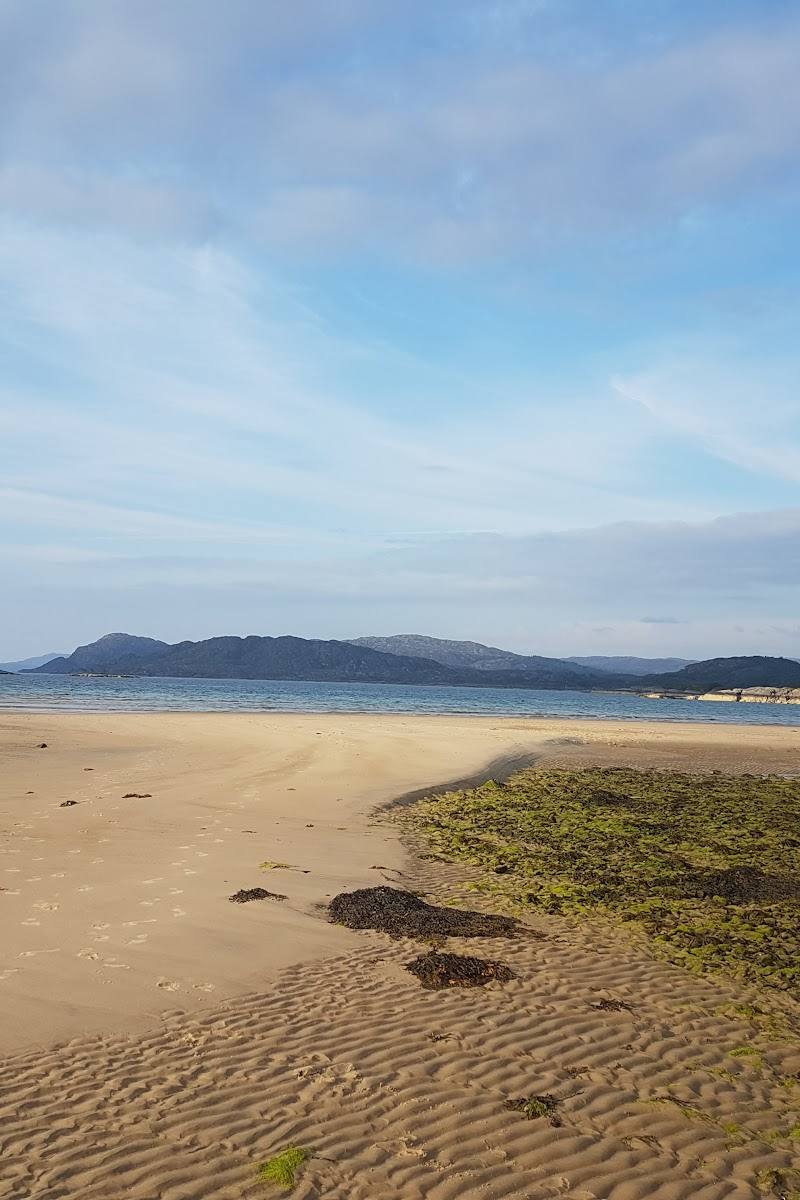
Near Gortenfern on the Ardnamurchan peninsula, Highland, Scotland
Singing Sands
Beach
Place photograph
6.8
Wildland
Half day
Time
Check
Cost
Secluded
Feel
Why it's Wildland
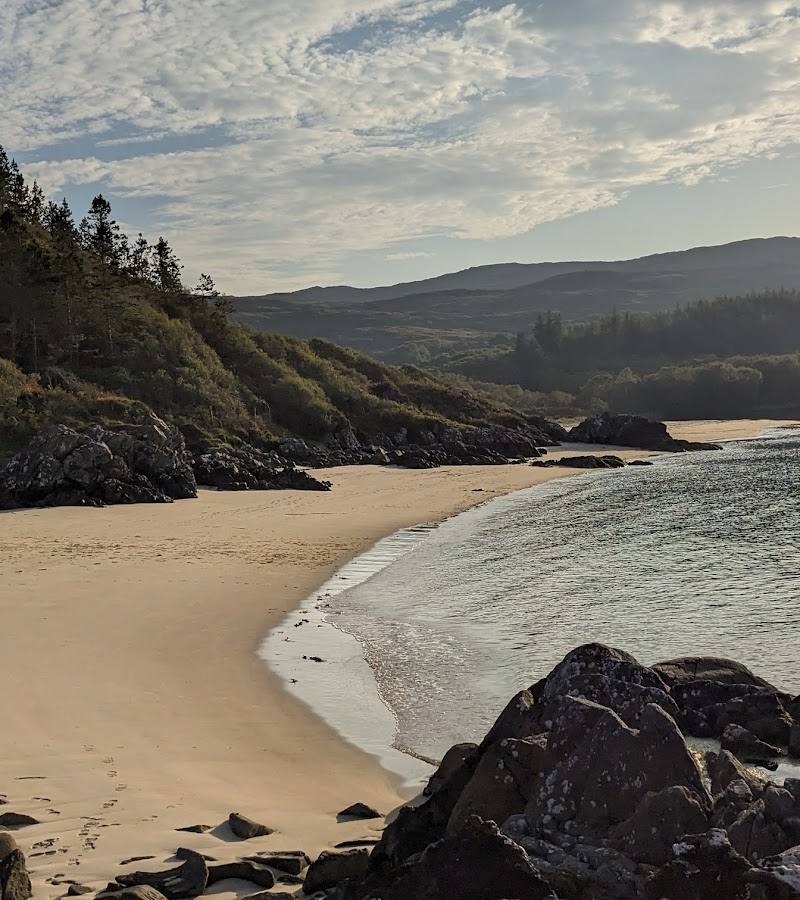
6.8A remote sandy bay where the grains can sing beneath your feet—if their humidity is just right.
The Singing Sands earns its name through a rare, tangible natural quirk: under the right conditions, its silica-rich grains squeak and sing as wind or footsteps move across them. Reaching the bay involves a proper walk from Arivegaig, adding a sense of escape to the shoreline experience.
Secluded · Atmospheric · Wild
Find your way
Open mapNear Gortenfern on the Ardnamurchan peninsula, Highland, Scotland
Opening map…
Know this place a little better?
The experience
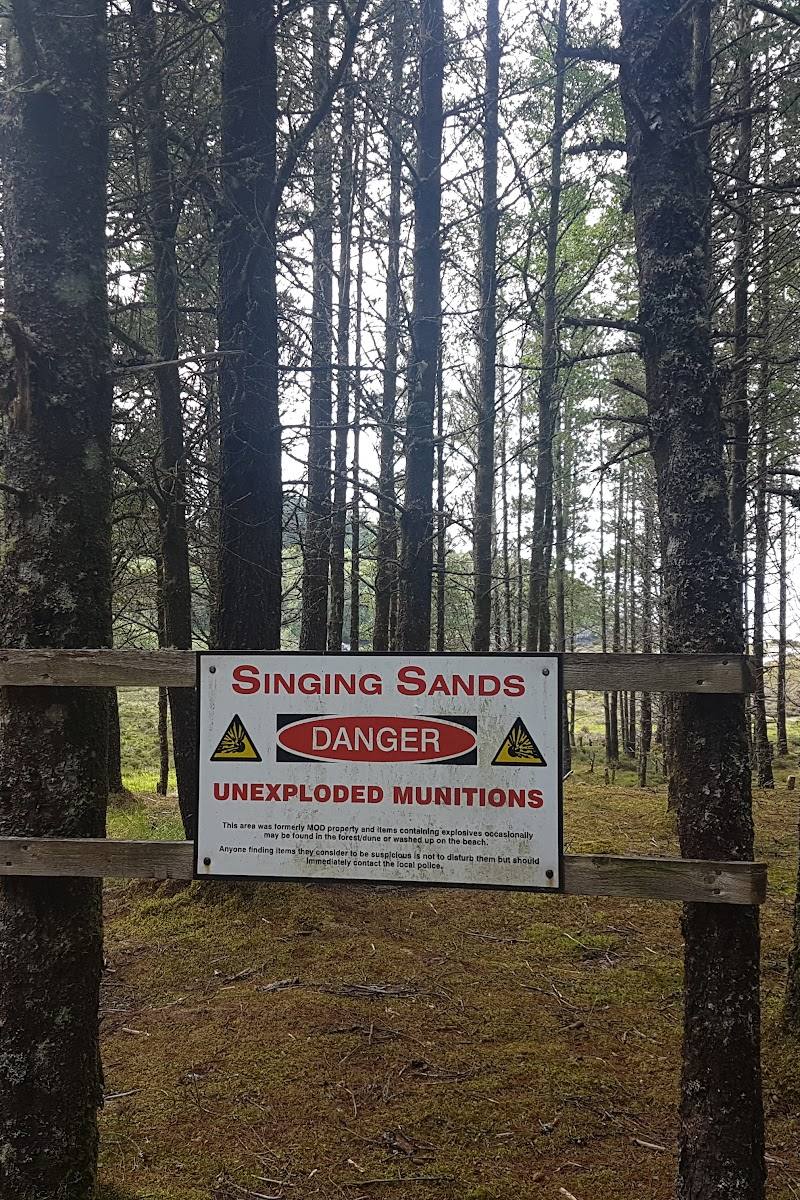
Walk in from Arivegaig to a sandy Ardnamurchan bay known for its singing sand. Enjoy the shoreline and, at low tide, consider exploring neighbouring bays only after checking tide times. The approach and beach require care: the area was used for wartime commando training and may contain unexploded munitions.
Things to do
Walk in from Arivegaig
Follow the track from the end of the public road in Arivegaig to the beach. The local visitor source gives the distance as 4 km.
Listen for the singing sand
Try shuffling your feet through the sand and listen. The grains may sing when their shape, size, silica content and humidity are right; the effect is not guaranteed.
Explore neighbouring bays at low tide
At low tide, the local visitor source says you can head north-east along the coastline to bays including Cul na Criose. Check tide times and leave enough time to return.
Make a day of it
Quick escape · Allow time for the 4 km approach from Arivegaig and the return walk; total duration is not verified.
1 — Quick Escape: Hear the Singing Sands
- 01
Park at the end of the public road in Arivegaig.
- 02
Follow the track on foot to the beach.
- 03
Walk on the sand and listen for its sound if humidity conditions are suitable.
- 04
Return by the same route.
Half day · Half day; exact duration depends on walking pace, tide and how far you explore.
2 — Make a Half Day of It: Beach and neighbouring bays
- 01
Walk from Arivegaig to Singing Sands and spend time listening for the sand’s distinctive sound.
- 02
Check tide times before deciding whether to head north-east along the coast.
- 03
If conditions allow, explore neighbouring bays such as Cul na Criose.
- 04
Allow time to retrace your steps before the tide changes.
Verified history
The beach and surrounding area were used for commando training during the Second World War. The local visitor source warns that unexploded munitions may remain in the area.
Hidden details
The sand’s song has a physical explanation — The beach’s distinctive sound is linked to the shape and size of its sand grains and their silica content. The grains also need the right humidity to sing, whether moved by wind or by footsteps.
A tide-dependent coastal extension — At low tide, it may be possible to continue north-east along the coast to other bays, including Cul na Criose. This is tide-dependent: check the times and make sure you can retrace your steps before the tide changes.
Wartime training ground — The beach and surrounding area were used for commando training during the Second World War. The visitor source warns of possible unexploded munitions; do not disturb suspicious objects.
When to go
· At low tide if you plan to explore neighbouring bays; check tide times before setting out.
The local visitor source describes the walk as worthwhile at any time of year. The sand’s sound depends on humidity rather than a specified season, so it cannot be guaranteed.
The sand sings only when humidity conditions are suitable. Check the forecast and coastal conditions before walking; check tide times before exploring beyond the beach.
What to look for
Listen for the distinctive sound made when the sand grains rub together. It depends on the grains’ shape, size and silica content, as well as the sand’s humidity. Keep to safe areas and do not touch or disturb suspicious objects because of the risk of unexploded munitions.
The story
War & battle
Best time to go
Any time of year; check tides before exploring beyond the beach.
The sand sings only when its humidity is right, so the sound is not guaranteed. At low tide, the coast opens up for exploring neighbouring bays; check tide times and leave enough time to retrace your steps.
How long to spend
Half day
Perfect for
Walkers · Photographers · Couples
Before you go
Address
Google rating
Practical information
Opening & access
Reach the beach on foot via a track from Arivegaig, where parking is available at the end of the public road. The local visitor source describes the walk as 4 km; allow for a return walk and check route and access conditions before setting out. At low tide, it is possible to explore bays to the north-east, but check tide times and ensure you can retrace your steps. The area was used for Second World War commando training and may contain unexploded munitions: do not disturb suspicious objects. Access arrangements are unconfirmed. Check before visiting; do not enter private land or restricted structures.
Check before visiting
Parking
Parking is available at the end of the public road in Arivegaig. Check local conditions before travelling.
Check before visiting
Toilets
Check before visiting
Check before visiting
Food & drink
Check before visiting
Check before visiting
Dogs
Check before visiting
Check before visiting
Accessibility
The beach is reached on foot via a 4 km track from Arivegaig, so this is not a drive-up beach. Route surface, gradients and accessibility details are not fully established; check conditions before visiting.
Check before visiting
Cost
Check before visiting
Check before visiting
Water
Sea
Gallery
Place photographsKeep exploring
Around Singing Sands
Within 50 km · approximate straight-line distances
 Place photograph5.6
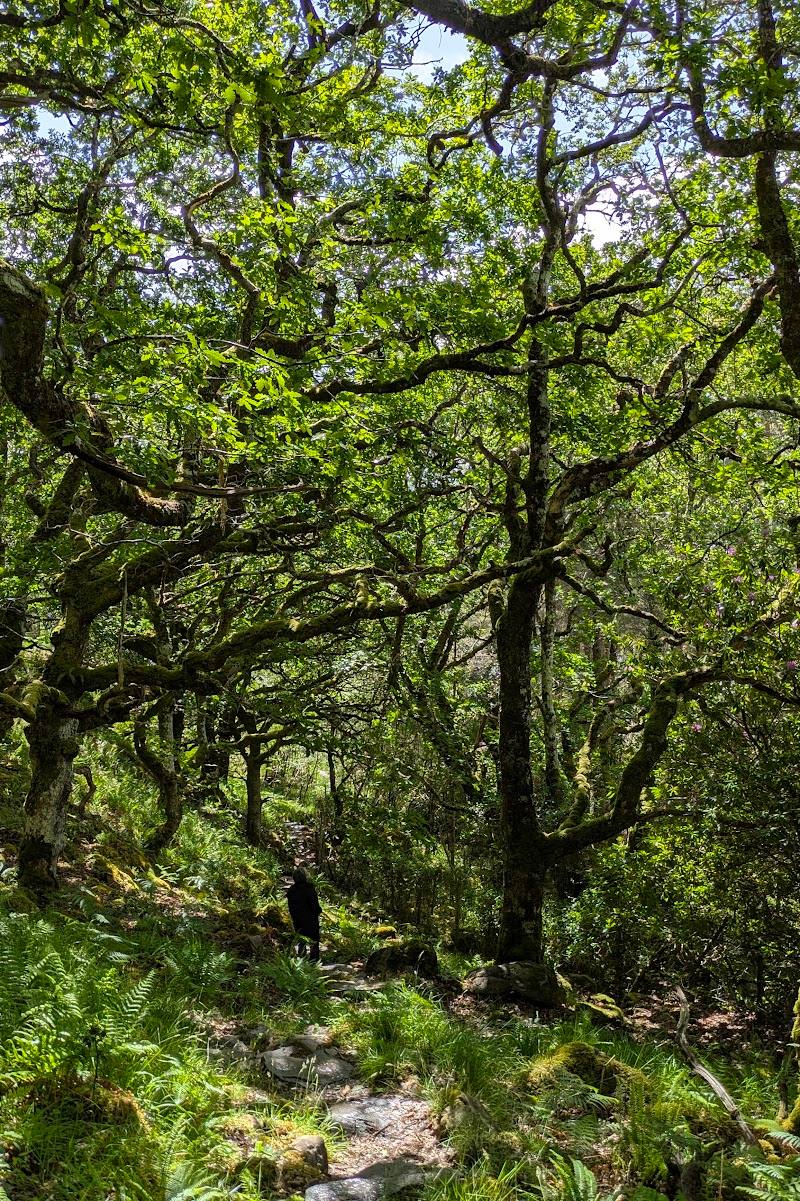
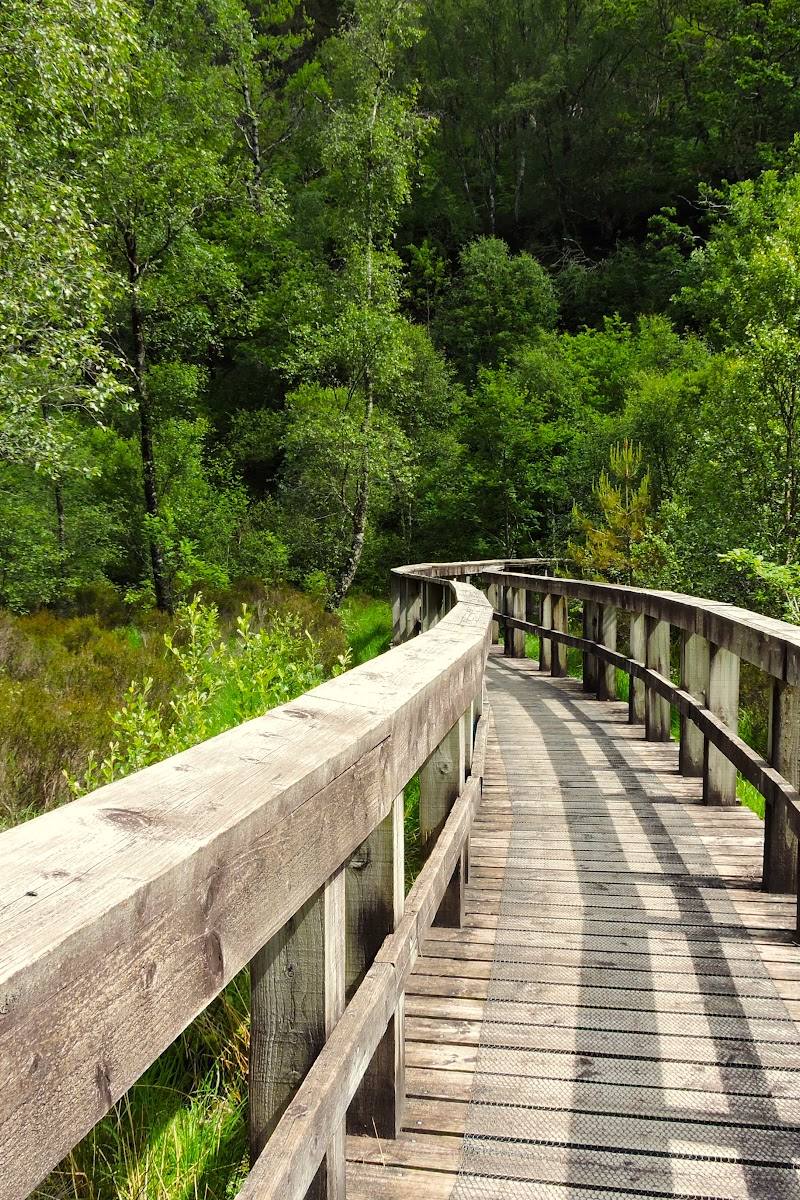
Lochan na Dunaich Trail
Lochan na Dunaich, near Acharacle, Highlands, Scotland
9.2 km away
 Place photograph6.0
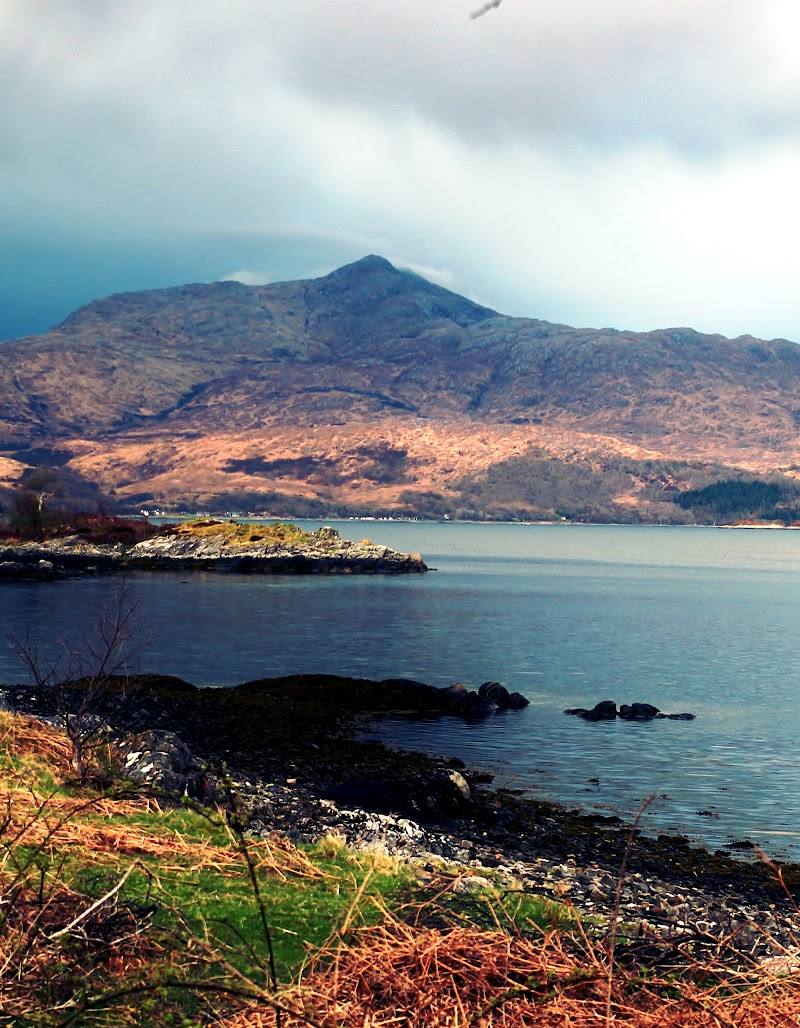
Garbh Eilean Wildlife Hide
Loch Sunart, near Strontian, Lochaber, Scottish Highlands
14.6 km away