Near Crail, East Neuk of Fife, Scotland
Kilminning Coast
Mixed-habitat reserve
Place photograph
6.0
Wildland
1–2 hours
Time
Check
Cost
Peaceful
Feel
Why it's Wildland
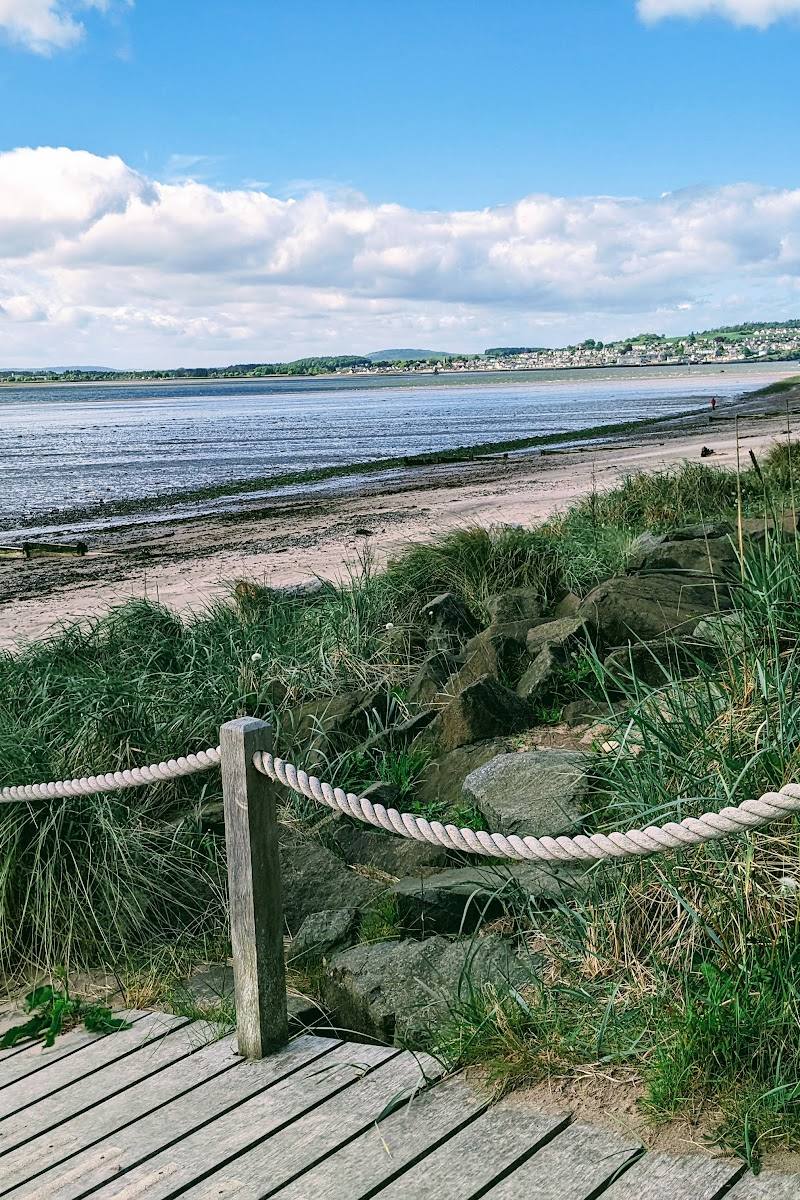
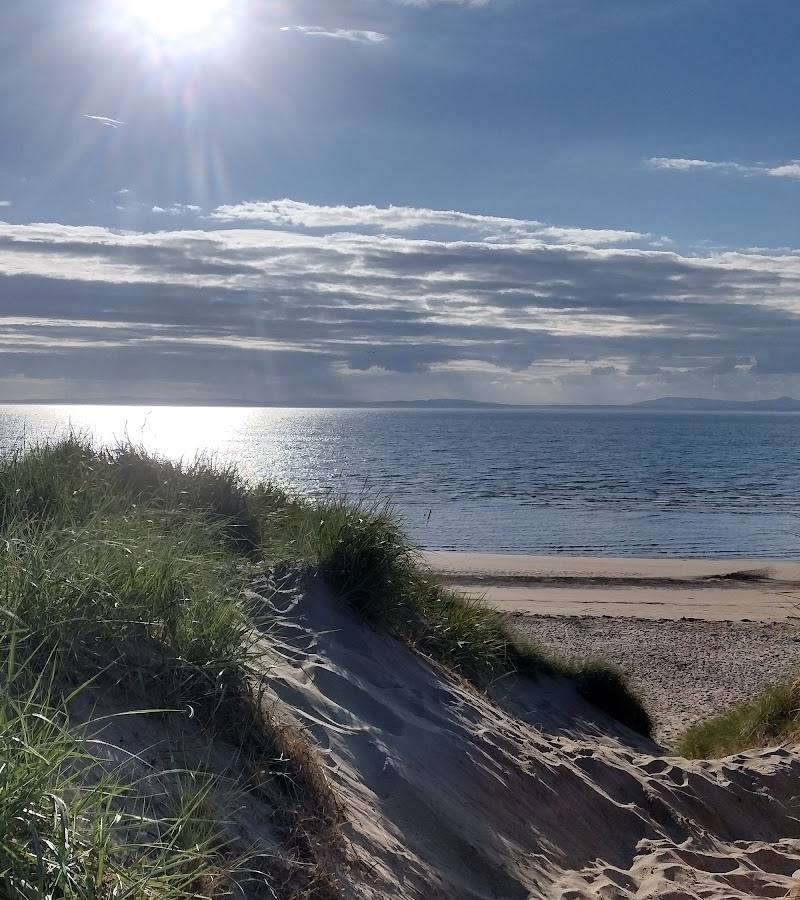
6.0On Fife’s east coast, grassland, salt marsh and coastal scrub make a compact wildlife reserve with more to notice than its sea views alone. Watch for migrant birds among the scrub and rare plants in the grassland and wet areas.
Kilminning Coast earns its place through the meeting of salt marsh, species-rich grassland and coastal scrub, with unusual plants and birds using this exposed stretch of Fife coast. It rewards a slower visit: pause to scan the scrub and grass rather than treating the sea view as the whole story.
Peaceful · Wild
Find your way
Open mapNear Crail, East Neuk of Fife, Scotland
Opening map…
Know this place a little better?
The experience
Take a gentle reserve visit focused on birdwatching and coastal habitats. Walk only where access is clear, pause to scan the scrub and grassland, and check the shore conditions before approaching the beach.
Things to do
Watch the coastal scrub
Scan the scrub for whitethroats, stonechats and linnets, which use it for nesting. Bird sightings are not guaranteed.
20–40 minutes
Look for salt-marsh and grassland plants
The reserve includes species-rich grassland, salt marsh and coastal scrub. Look for purple milk-vetch and northern marsh-orchid where they grow, keeping to suitable paths and avoiding damage to plants.
20–40 minutes
Scan offshore for seabirds
Look out to sea for birds including shag, eider, cormorant and guillemot. Bring binoculars if you have them; sightings depend on conditions and season.
15–30 minutes
Notice the scurvy-grass
Look for the small white flowers of scurvy-grass. Its name refers to the vitamin-C-rich leaves, which were eaten by sailors to help prevent scurvy.
5–15 minutes
Make a day of it
Quick escape · About 1 hour
A short coastal wildlife pause
- 01
Walk a suitable accessible section of the reserve, checking the route and ground conditions as you go.
- 02
Pause to scan the coastal scrub and grassland for birds.
- 03
Look for salt-marsh and grassland plants without leaving the paths or trampling habitat.
Half day · Half day
Make time for the habitats
- 01
Spend an unhurried visit exploring the reserve’s grassland, salt marsh and coastal scrub where access permits.
- 02
Take binoculars and look for scrub-nesting birds and seabirds offshore.
- 03
In spring or summer, look for the reserve’s notable plants, including purple milk-vetch and northern marsh-orchid.
- 04
Check current local information before adding a nearby stop; no specific pairing is verified by the supplied sources.
Hidden details
A plant with a seafaring name — The Scottish Wildlife Trust explains that scurvy-grass is not a grass: its name comes from the vitamin-C-rich leaves once eaten by sailors to help prevent scurvy. Look for its white flowers in season.
When to go
March · April · May · September · October · Choose a calm, clear spell when you can pause to watch for birds; check the forecast and current conditions before travelling.
The supplied reserve information highlights spring and autumn for migratory birds. Spring and summer also bring flowering plants, including the reserve’s notable grassland and wetland species.
This is an exposed coastal setting. Wind, rain and shore conditions can affect comfort and access; check conditions before visiting and take care near the coast.
What to look for
- 01
Look for whitethroats, stonechats and linnets in the scrub
- 02
seabirds including shag, eider, cormorant and guillemot
- 03
and plants such as purple milk-vetch and northern marsh-orchid. The Scottish Wildlife Trust also notes scurvy-grass, whose name recalls its former use by sailors as a source of vitamin C.
Best time to go
Spring and autumn for seasonal bird interest; late spring and summer for flowering plants. Wildlife sightings vary.
Spring and autumn are noted as good seasons for migratory birds. Visit in calm, clear weather if you want to spend time watching the coast; check conditions before setting out.
How long to spend
1–2 hours
Perfect for
Wildlife lovers · Walkers · Photographers
Practical information
Opening & access
A coastal reserve with uneven ground and steps down to the beach, according to the supplied listing information. Check current access and path conditions before visiting; take care near the shore and on uneven terrain. Access arrangements are unconfirmed. Check before visiting; do not enter private land or restricted structures.
Check before visiting
Parking
Parking is reported nearby in the supplied listing information. Check current arrangements before travelling.
Check before visiting
Toilets
No toilets directly on site, according to the supplied listing information; check nearby facilities before setting out.
Check before visiting
Food & drink
Check before visiting.
Check before visiting
Dogs
Dog access is reported in the supplied listing information. Check current reserve guidance, and keep dogs under close control around wildlife.
Check before visiting
Accessibility
The supplied listing information notes uneven terrain and steps down to the beach; it may be challenging for visitors with mobility needs. Check current conditions and access options before visiting.
Check before visiting
Cost
Check before visiting.
Check before visiting
Water
Sea
Gallery
Place photographsKeep exploring
Around Kilminning Coast
Within 50 km · approximate straight-line distances

 Source image5.8
Standing Stones of Lundin
Lundin Links, near Leven, Fife, KY8 6AJ, Scotland
23.4 km away
 Place photograph7.9
Tentsmuir National Nature Reserve
Tentsmuir Forest, near Tayport, Fife
24.2 km away