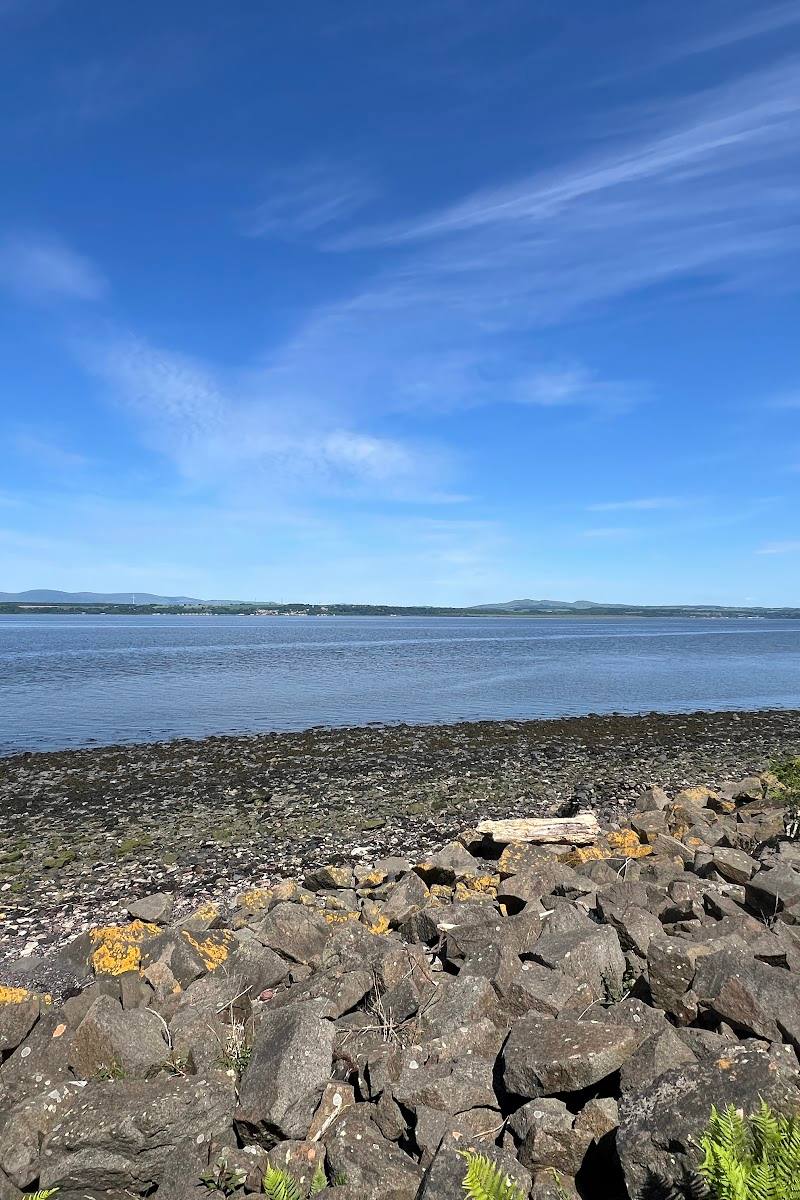
Skinflats, near Grangemouth, Falkirk, Scotland, on the Inner Forth.
RSPB Skinflats
Coastal reserve
Place photograph
5.5
Wildland
1–2 hours
Time
Check
Cost
Peaceful
Feel
Why it's Wildland
5.5At Skinflats, the changing Forth tide is part of the spectacle: saline lagoons and saltmarsh provide habitat for waders, ducks, gulls, geese and migrant passerines. The reserve also offers a place to learn about the Inner Forth’s intertidal landscape and how it may change.
Skinflats earns its place for a distinctive estuary landscape where saltmarsh and saline lagoons support wildlife, with the tidal character of the Inner Forth at the heart of the experience. It is a place to slow down, watch and notice how habitat and water shape the scene.
Peaceful · Wild
Find your way
Open mapSkinflats, near Grangemouth, Falkirk, Scotland, on the Inner Forth.
Opening map…
Know this place a little better?
The experience
Come for a gentle walk and patient wildlife watching. Look across the lagoons and saltmarsh for birds using this part of the Inner Forth; the reserve’s education space, when staffed and open, adds context about intertidal habitats and environmental change.
Things to do
Watch birds over the saline lagoons
Scan the lagoons and saltmarsh for waders, ducks, gulls, geese and migrant passerines. Species and activity vary with season.
Allow time to pause and observe
Explore the intertidal interpretation
When the reserve is staffed and the room is open, look at seasonal interpretation about the Inner Forth’s intertidal habitats and how the landscape may change.
Make a day of it
Quick escape · 1–2 hours
A short lagoon and saltmarsh watch
- 01
Check current reserve access and conditions before travelling.
- 02
Take a gentle walk on the reserve paths, as described in the source row.
- 03
Pause to scan the saline lagoons and saltmarsh for waders, ducks, gulls, geese and migrant passerines.
Half day · Half day
Make a half day of the Inner Forth
- 01
Visit RSPB Skinflats and spend time watching the saltmarsh and lagoons.
- 02
If RSPB staff are present and the room is open, visit the reserve’s education and interpretation space to learn about intertidal habitats and possible landscape change.
- 03
Bring your own refreshments; check current facilities and access before setting out.
Verified history
Skinflats’ present-day interpretation focuses on the Inner Forth’s intertidal habitats and how the landscape may change, including through climate change. An education and interpretation room was created at the reserve during the Inner Forth Landscape Initiative programme for learning and events. The supplied sources do not establish a detailed chronology of the area’s earlier industrial or river-management history.
Hidden details
Seasonal interpretation room — A reserve education and interpretation space has seasonal panels about the Inner Forth intertidal habitat. It is open when RSPB staff are present, so availability is not guaranteed on every visit.
When to go
March · April · May · September · October · November · December · January · February · Choose a calm period when you can pause to watch; the supplied sources do not specify an optimal time of day. Check tide and weather conditions before visiting.
The source row identifies spring and autumn as good for migratory birds and winter for overwintering birds. The Fatbirder source identifies the saline lagoons and saltmarsh as habitat used by several groups of birds, but does not provide a month-by-month calendar.
The reserve is exposed estuary and wetland terrain. Check the forecast and tide conditions, wear suitable outdoor clothing, and do not enter tidal mudflats. Confirm current path conditions before visiting.
What to look for
Watch the lagoon and saltmarsh edges for waders, ducks, gulls, geese and migrant passerines. Notice how the view and exposed feeding areas change with the tide. The Inner Forth education room has seasonal interpretation panels when it is open and staffed.
The story
Industry
Best time to go
Spring and autumn for migrating birds; winter for overwintering birds. The source row also describes summer visits as pleasant, though bird activity varies seasonally.
Spring and autumn are identified in the source row as good seasons for migratory birds. Winter is another option for overwintering birds. Check tide and weather conditions before setting out, and do not enter tidal mudflats.
How long to spend
1–2 hours
Perfect for
Birdwatchers · Photographers · Walkers · Families · Wildlife lovers
Practical information
Opening & access
The source row describes the reserve as a visitor destination with nearby parking and paths. Check current access arrangements and conditions before visiting; tidal mudflats are not an invitation to enter them. Access arrangements are unconfirmed. Check before visiting; do not enter private land or restricted structures.
Check before visiting
Parking
The source row reports a small parking area nearby. Check current parking arrangements before travelling.
Check before visiting
Toilets
The source row reports no nearby toilets. Check before visiting.
Check before visiting
Food & drink
No café is reported on site; the source row says amenities are available in nearby Grangemouth. Bring refreshments and check what is open.
Check before visiting
Dogs
The source row says dogs are not permitted. Check current rules before visiting.
Check before visiting
Accessibility
The source row describes the reserve as relatively flat, with some mobility access, but not fully wheelchair accessible. Paths and ground conditions may affect access; check before visiting.
Check before visiting
Cost
Check before visiting
Check before visiting
Water
Estuary, Marsh
Gallery
Place photographsKeep exploring
Around RSPB Skinflats
Within 50 km · approximate straight-line distances