Rye Road, Hoddesdon, Ware, Hertfordshire SG12 8JS
RSPB Rye Meads
Mixed-habitat reserve
Source image
6.6
Wildland
1–2 hours
Time
Check
Cost
Peaceful
Feel
Why it's Wildland
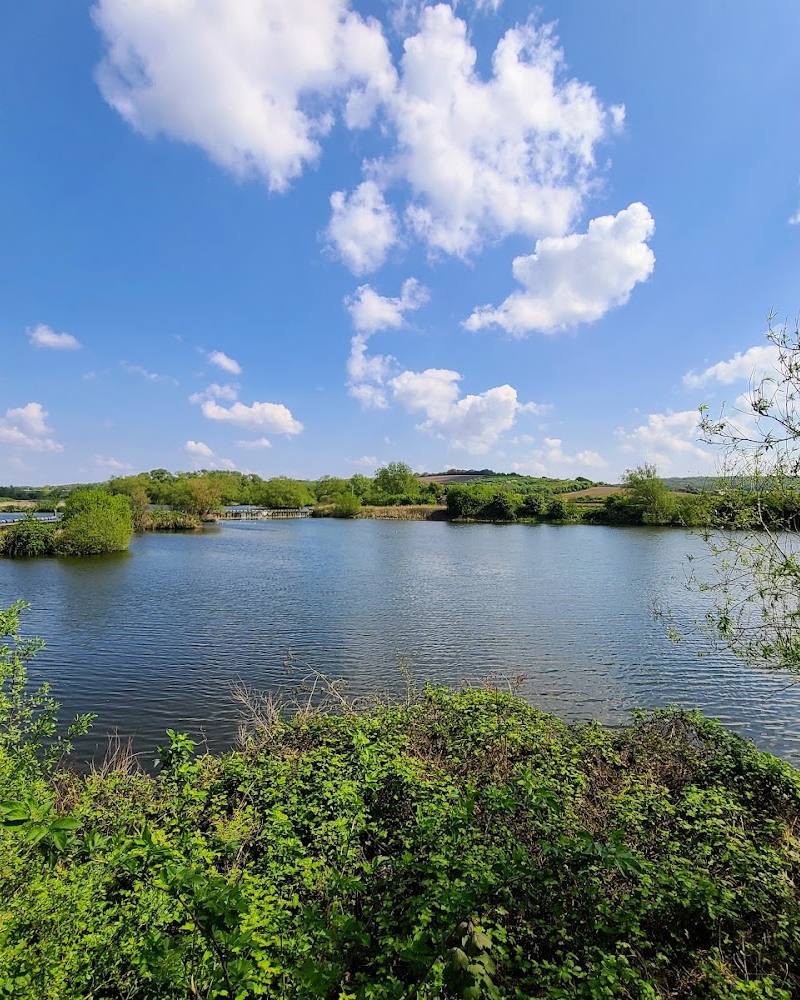
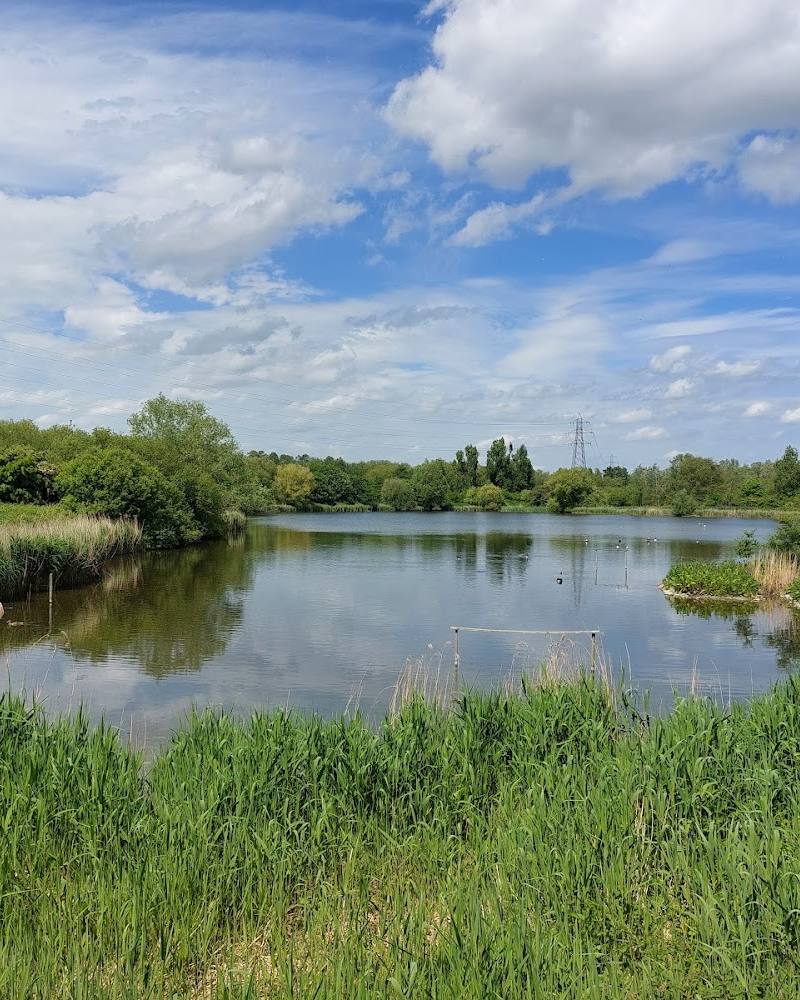
6.6Reedbeds, open water and shallow pools make Rye Meads a wetland refuge beside the River Lee, with kingfisher nesting banks and summer rafts used by common terns.
This is a purpose-built wetland landscape with a clear reason to explore slowly: follow trails past reedbeds, scrapes and open water, watching for kingfishers and seasonal waterbirds. Its imminent change of management makes checking access essential.
Peaceful · Wildlife-rich
Find your way
Open mapRye Road, Hoddesdon, Ware, Hertfordshire SG12 8JS
Opening map…
Know this place a little better?
The experience
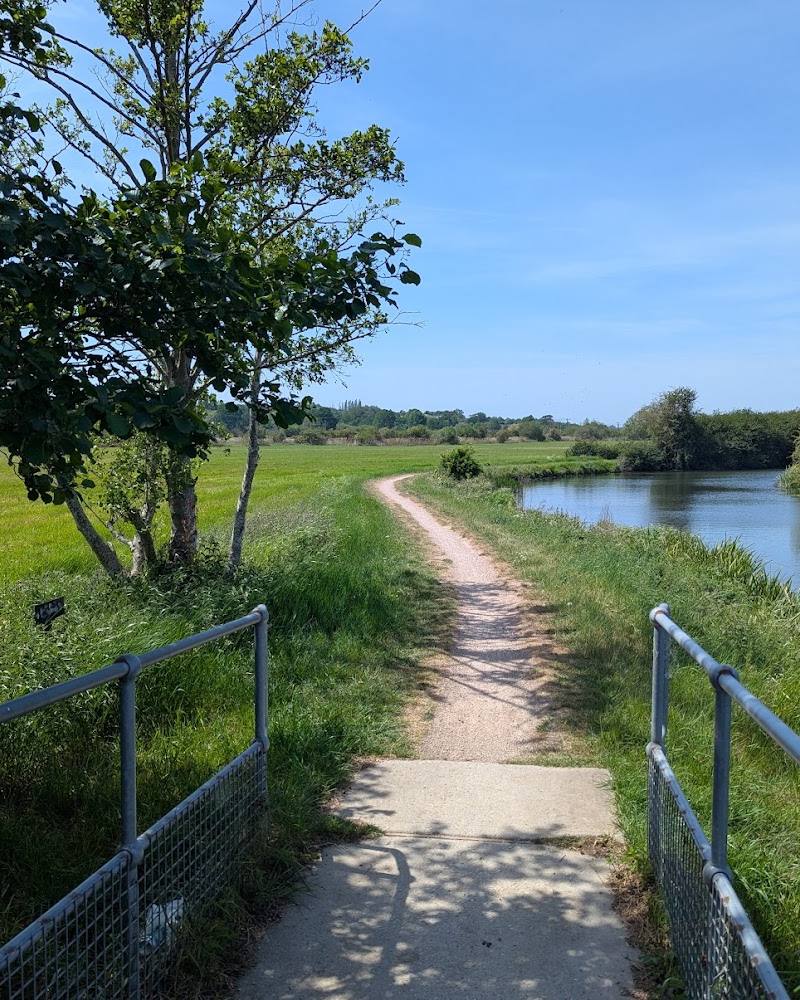
Follow the reserve trails around reedbeds, open water and shallow pools. Pause at the artificial sandbanks, which the RSPB identifies as places to spot kingfishers, and look for common terns around their nesting rafts in summer. Confirm the reserve is open before setting out.
Things to do
Follow the wetland trails
Explore trails through reedbeds, open water and shallow pools known as scrapes. Confirm which trails are currently open.
Watch the kingfisher sandbanks
The RSPB identifies artificial sandbanks as a good place to spot kingfishers. Watch quietly and give wildlife space.
Look for summer common terns
The RSPB says common terns use specially built rafts to nest in summer.
Scan the winter water
The RSPB names snipe, green sandpipers, shovelers, gadwalls and tufted ducks among the birds present in winter.
Make a day of it
Quick escape · About 1–2 hours; confirm visit duration and opening before setting out.
Quick wetland circuit
- 01
Check that the reserve is open and confirm current visitor arrangements.
- 02
Start at the visitor centre and follow an available reserve trail through the wetland.
- 03
Pause at the artificial sandbanks and watch the reedbeds and shallow pools for birds.
- 04
Return to the visitor centre.
Half day · Half day; the exact time depends on trail availability and wildlife-watching stops.
Make a half day of the wetlands
- 01
Check current opening, reserve management and visitor-centre facilities before travelling.
- 02
Spend time on the reserve trails around reedbeds, open water and scrapes, taking a slower circuit with pauses at the hides or viewing points available on the day.
- 03
Look for kingfishers around the artificial sandbanks and, in summer, common terns around their nesting rafts.
- 04
Use the visitor centre for refreshments if it is open and operating.
Hidden details
Kingfisher nesting banks — The reserve’s artificial sandbanks are specifically identified by the RSPB as a place to look for kingfishers.
Rafts for nesting terns — Look for the specially built rafts used by common terns for nesting in summer.
Shallow pools called scrapes — The RSPB describes shallow pools here as scrapes; they are part of the wetland trail landscape.
When to go
June · July · August · December · January · February · During confirmed opening hours; no source-supported optimal time of day is available.
The RSPB identifies summer nesting common terns and several waterbirds using the reserve in winter. Specific peak months are not established by the supplied evidence.
No site-specific weather guidance is available in the supplied sources. Check conditions and current trail information before travelling.
Worth pairing with
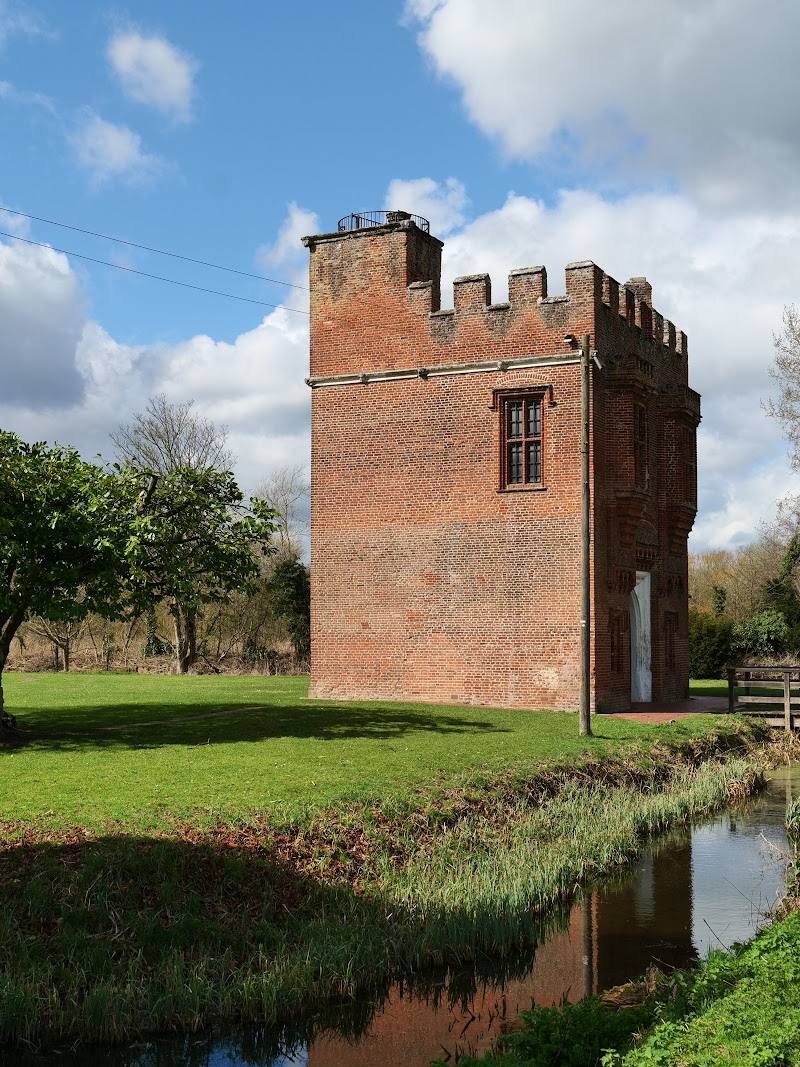
Rye House Station and medieval gatehouse
Good Journey describes Rye House Station as about a quarter-mile walk from the reserve and notes a striking brick medieval gatehouse on the approach. Verify the route and reserve access before combining them.
Amwell Nature Reserve
A nearby reserve mentioned alongside Rye Meads in the supplied visitor video. Treat as a separate visit and check its access and facilities independently.
What to look for
Look for the artificial sandbanks used by kingfishers, the rafts where common terns nest in summer, reedbeds, shallow scrapes and seasonal waterbirds.
Best time to go
Summer for common terns nesting on rafts; winter for the waterbirds identified by the RSPB. Check current opening and reserve arrangements before visiting.
Summer for common terns on their nesting rafts; winter for the waterbirds the RSPB says use the reserve. Visit during confirmed opening hours and check for current closure or management updates.
How long to spend
1–2 hours
Perfect for
Walkers · Wildlife lovers · Photographers · Families
Before you go
Address
Phone
Website
Listed hours
- Monday: 9am-5pm
- Tuesday: 9am-5pm
- Wednesday: 9am-5pm
- Thursday: 9am-5pm
- Friday: 9am-5pm
- Saturday: 9am-5pm
- Sunday: 9am-5pm
Check before visiting.
Google rating
Practical information
Opening & access
The RSPB source describes visitor trails and a visitor centre, but also announces that the reserve is expected to close from 2 November 2026 pending a later reopening under Thames Water management. Check the current access status before travelling.
Check before visiting
Parking
The RSPB lists parking and three Blue Badge spaces near the visitor centre. Current availability, charges and access arrangements should be checked before visiting.
Check before visiting
Toilets
The RSPB lists toilets at the rear of the visitor centre, open during opening hours. Check current availability.
Check before visiting
Food & drink
The RSPB lists hot and cold drinks and refreshments at the visitor centre. Check current availability.
Check before visiting
Dogs
Dogs are not permitted on the reserve except assistance dogs, according to the RSPB.
Accessibility
The RSPB describes level pedestrian access and tarmac parking, with three Blue Badge spaces 33 yards from the visitor centre. A mobility scooter and manual wheelchair are listed as available to hire free by advance booking. Check current arrangements and event suitability.
Check before visiting
Cost
Check before visiting
Check before visiting
Water
River, reedbeds, open water and shallow pools (scrapes).
Gallery
Place photographsKeep exploring
Around RSPB Rye Meads
Within 50 km · approximate straight-line distances
 Place photograph6.8
Rye House Gatehouse
Rye House Quay, Rye Road, Hoddesdon, Hertfordshire EN11 0EH
0.4 km away
 Place photograph7.4
Amwell Nature Reserve
Amwell Lane, Great Amwell, near Ware, Hertfordshire SG12 9SS
2.5 km away
 Source image7.0
Amwell Nature Reserve
Amwell Lane, Great Amwell, near Ware, Hertfordshire SG12 9SS
2.5 km away