Bromhey Farm, Rochester, Kent ME3 8DS, on the Hoo Peninsula
RSPB Northward Hill
Mixed-habitat reserve
Source image
6.3
Wildland
1–2 hours
Time
Check
Cost
Peaceful
Feel
Why it's Wildland
6.3A ridge-top reserve where a bluebell wood looks out over the broad, flat Thames marshes—and herons and egrets feed across the landscape below.
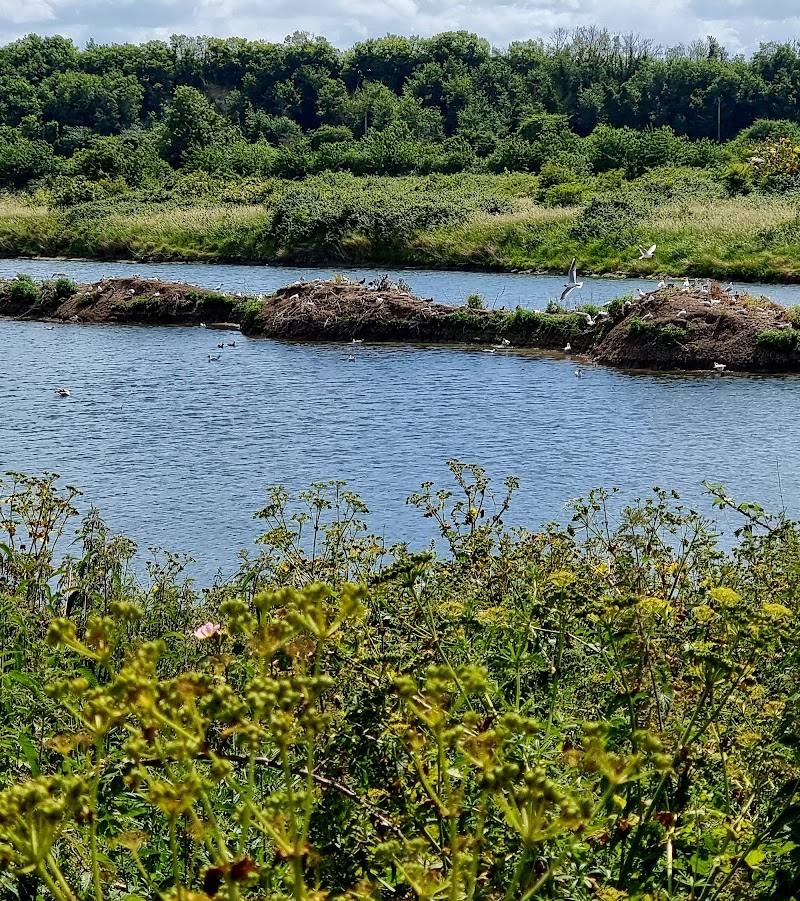
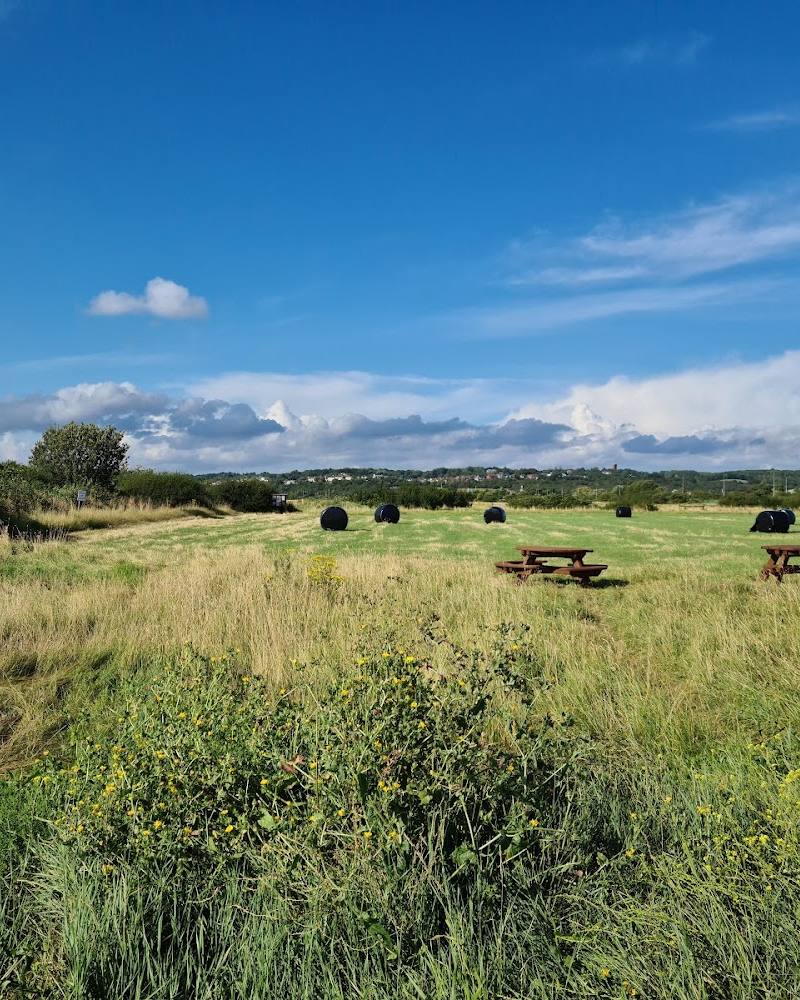
Northward Hill brings together marsh, hayfields, scrub, woodland and orchard on a ridge above the Thames Marshes. Its appeal is in the contrast: spring bluebells and birdsong in the wood, wide estuary views from the higher ground, and seasonal birdlife across the reserve. Check trail closures before setting out; the Heronry Trail is currently closed.
Peaceful · Big-sky · Atmospheric
Find your way
Open mapBromhey Farm, Rochester, Kent ME3 8DS, on the Hoo Peninsula
Opening map…
Know this place a little better?
The experience
Explore the short trail if open, then take time to scan the marshes and listen in the woodland. This is a reserve for watching the landscape change with the season, rather than ticking off a single viewpoint. The Heronry Trail is currently closed, so check the RSPB’s latest guidance before visiting.
Things to do
Walk the short trail
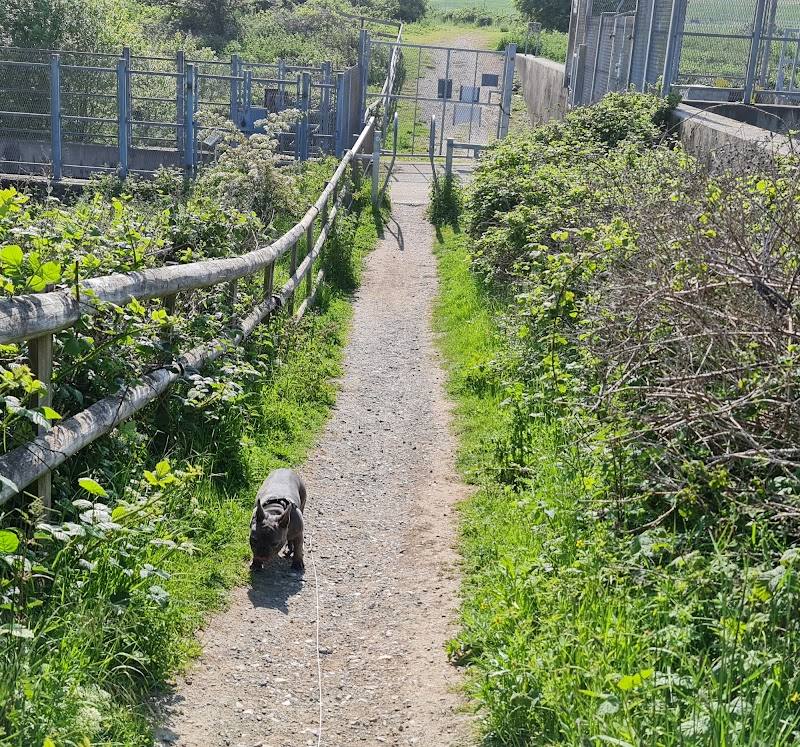
The RSPB lists a 0.7-mile (1.2km) unsurfaced trail with small inclines. Check current access first, as the Heronry Trail is reported closed.
About 30–60 minutes
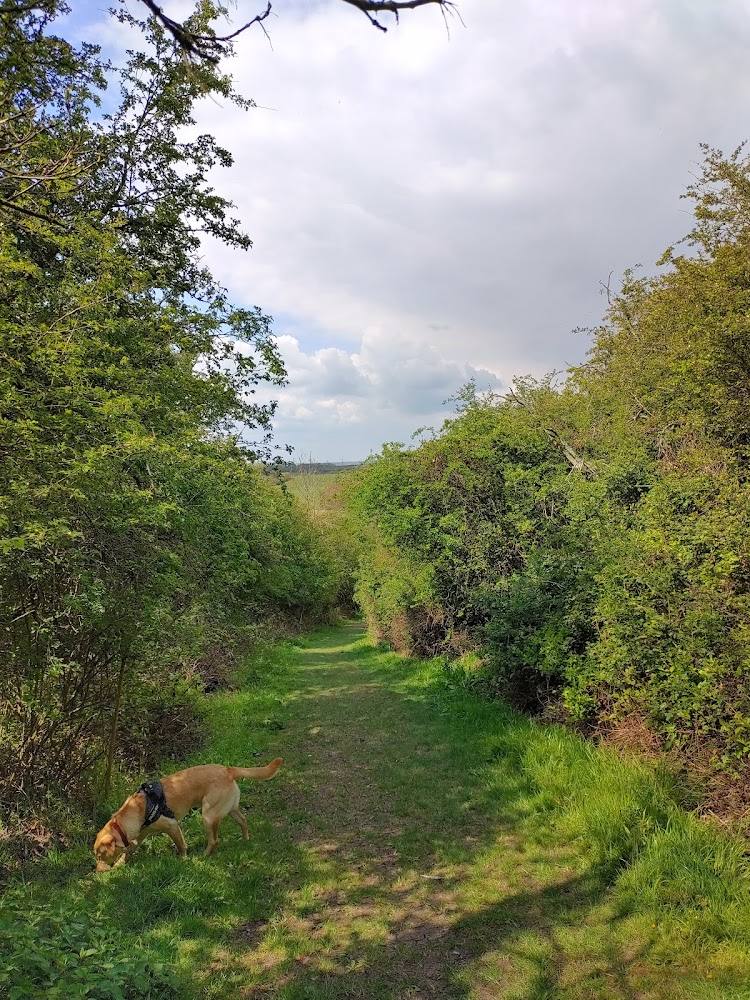
Look for spring bluebells and woodland birds
The RSPB highlights a spring bluebell display and blackcaps and nightingales in the wood. The local RSPB group gives mid-April to mid-May as the bluebell period.
Scan the marsh for birds
Look for feeding grey herons and little egrets, waders and waterfowl across the marshes. The RSPB cautions that the nesting colony cannot be seen from the Heronry Viewpoint.
Listen for the winter roost
The reserve is noted for large numbers of rooks and jackdaws gathering in the wood at dusk in winter. Roost activity can vary, so treat it as a possibility rather than a guarantee.
Watch for summer butterflies and dragonflies
The RSPB reports butterflies and dragonflies among the reserve’s summer wildlife, with dragonflies also noted in late summer and early autumn.
Make a day of it
Quick escape · About 1 hour
Quick escape: the short trail and marsh views
- 01
Check the RSPB’s current trail information before setting out; the Heronry Trail is currently closed.
- 02
If open, follow the RSPB’s 0.7-mile (1.2km) short trail.
- 03
Pause where the route opens onto views across the marshes and scan for feeding herons and egrets.
- 04
Allow extra time for uneven ground and wildlife watching.
Half day · Half day
Make a half day of it: woodland, marsh and birdwatching
- 01
Check current reserve access, especially the Heronry Trail closure, before travelling.
- 02
Explore an open public trail through the reserve’s woodland, marsh and hayfield landscape.
- 03
In spring, look and listen for bluebells, blackcaps and nightingales; in summer, watch for butterflies and dragonflies.
- 04
Spend time scanning the marsh for waders, waterfowl, herons and egrets.
- 05
If visiting in winter, consider staying until dusk for the reported rook and jackdaw roost, but check access and daylight conditions.
Verified history
The RSPB says the land was drained in the 1940s. After buying it in the 1990s, the organisation began restoring wetland habitat. That restoration helps explain the reserve’s present mix of marsh, hayfields, woodland and bird-rich wetland.
Hidden details
The heronry is not visible from the named viewpoint — Although the reserve is known for its nesting herons and egrets, the RSPB notes that the colony cannot be seen from the Heronry Viewpoint; birds may instead be spotted feeding across the marsh.
When to go
April · May · June · July · August · September · December · January · February · Early morning for wildlife watching; dusk in winter for the rook and jackdaw roost, subject to current access and daylight.
Spring combines the reported bluebell display with woodland birdsong and nesting activity. Summer and early autumn bring butterflies and dragonflies. Winter offers marshland waterfowl and the possibility of a large dusk roost.
The reserve’s short trail is unsurfaced, and the RSPB reports large potholes and uneven ground in the car park. The local RSPB group warns that woodland trails can become muddy in winter. Wear suitable footwear and check current conditions.
The route
- surface
- Unsurfaced
- distance
- 0.7 miles (1.2km) for the RSPB short trail
- duration
- Check before visiting
- difficulty
- Easy; small inclines
- waymarking
- Check before visiting
- start point
- Northward Hill reserve; confirm the currently open trail and start point with the RSPB
- parking start
- Main car park at Bromhey Farm; reported open daily 10am–4pm, with no formal spaces and uneven, pothole-prone ground. Check current details.
- Views over the Thames Marshes
- Mixed woodland and wetland habitats
- Seasonal bluebells and birdsong
- Seasonal birdlife across the marsh
Worth pairing with
High Halstow
The local RSPB group identifies High Halstow as the nearest place for public toilets, a local shop and pub food. Check current opening and facilities before relying on them.
What to look for
- 01
In spring, look for bluebells beneath the trees and listen for blackcaps and nightingales. Scan the marsh for feeding grey herons and little egrets
- 02
the RSPB says the nesting colony cannot be seen from the Heronry Viewpoint. In winter, look for flocks of waterfowl and listen for rooks and jackdaws gathering to roost at dusk.
The story
Wetland restoration; land drainage and marshland landscape
Best time to go
Spring for bluebells, nesting birds and woodland song; winter for wildfowl and the dusk rook and jackdaw roost.
Mid-April to mid-May is the local group’s reported bluebell window. Summer brings butterflies and dragonflies; winter is a good time to look for waterfowl and, if conditions and timing are right, the dusk rook and jackdaw roost.
How long to spend
1–2 hours
Perfect for
Walkers · Wildlife lovers · Photographers · Families
Before you go
Address
Phone
Website
Listed hours
- Monday: 10am-4pm
- Tuesday: 10am-4pm
- Wednesday: 10am-4pm
- Thursday: 10am-4pm
- Friday: 10am-4pm
- Saturday: 10am-4pm
- Sunday: 10am-4pm
Check before visiting.
Google rating
Practical information
Opening & access
RSPB-managed reserve with public trails. The Heronry Trail is currently closed; check the RSPB website for current access and trail information before travelling.
Check before visiting
Parking
The RSPB says the main car park at Bromhey Farm is open daily from 10am to 4pm. It has no formal parking bays; the surface has large potholes and uneven ground. Confirm current arrangements before travelling.
Toilets
Toilets are in the car park but are temporarily closed according to the RSPB. Nearest public toilets are in Hoo, about four miles away.
Food & drink
Check before visiting.
Check before visiting
Dogs
Dogs are permitted on public footpaths but must be kept under close control. Assistance dogs are welcome throughout the reserve. Follow current signage and keep dogs away from sensitive wildlife.
Accessibility
The RSPB describes a 0.7-mile (1.2km) unsurfaced short trail with small inclines as accessible for wheelchairs and pushchairs. Paths and car-park ground may be uneven; check current trail conditions and closures before visiting.
Check before visiting
Cost
Check before visiting
Check before visiting
Water
Marsh, reservoir
Gallery
Place photographsKeep exploring
Around RSPB Northward Hill
Within 50 km · approximate straight-line distances