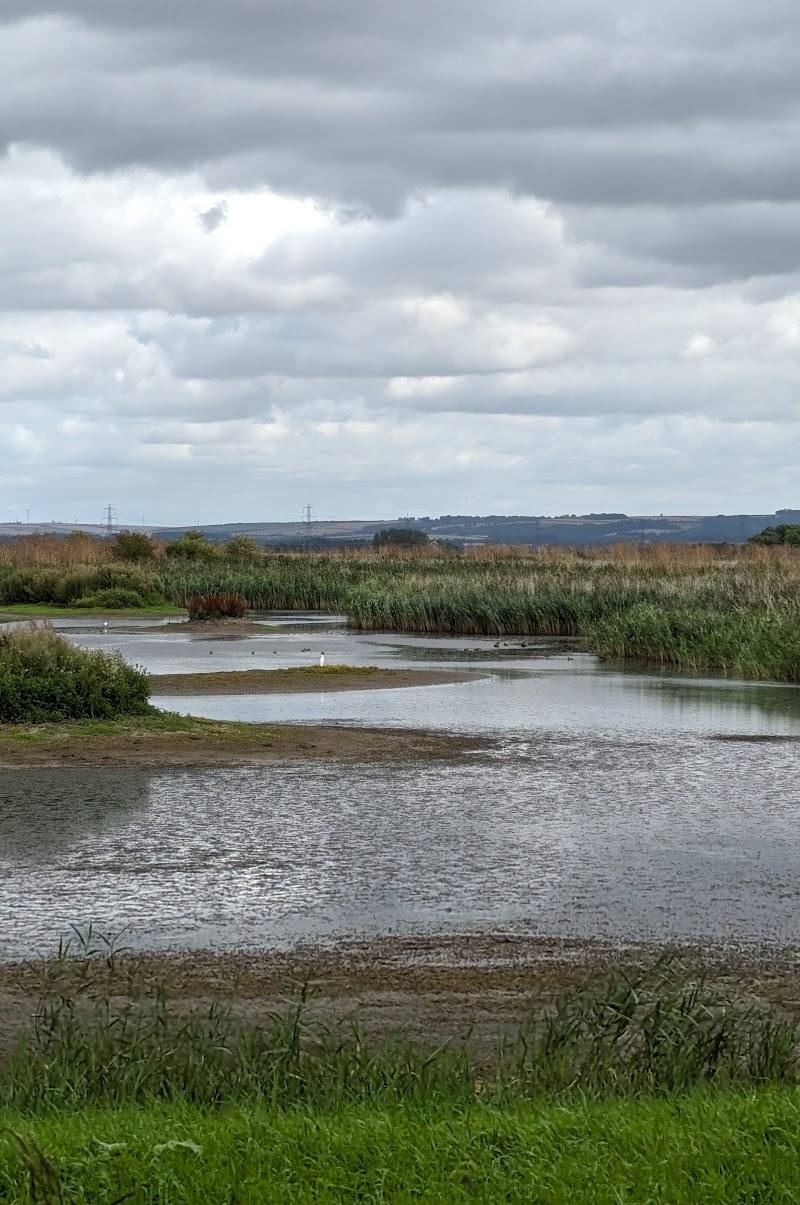
South bank of the River Ouse, near Goole, East Riding of Yorkshire
RSPB Blacktoft Sands
Mixed-habitat reserve
Place photograph
8.2
Wildland
1–2 hours
Time
Check
Cost
Peaceful
Feel
Why it's Wildland
8.2At the point where the Ouse opens towards the Humber, Blacktoft Sands protects England’s largest tidal reedbed. Six lagoons, grazing marsh, scrub and hides bring an unusually varied wetland birdlife within reach of a gentle visit.
This is more than a place to watch birds from a hide: its vast tidal reedbed, lagoons and grazing marsh form a rare, carefully managed wetland landscape. The changing mix of breeding, migrating and wintering birds gives a visit a strong reason to return in different seasons.
Peaceful · Wild · Big-sky
Find your way
Open mapSouth bank of the River Ouse, near Goole, East Riding of Yorkshire
Opening map…
Know this place a little better?
The experience
Take a gentle visit between the hides and trails, giving yourself time to watch rather than simply walk through. The reserve’s changing wetland habitats make the wildlife the experience; bring binoculars or hire them when the visitor centre is open.
Things to do
Watch from the wildlife hides
Use the reserve’s viewing hides to look across the lagoons and wetland habitats. Six viewing hides are open in line with reserve hours; the reception hide has seasonal opening times.
Look for birds across the six lagoons
Scan the shallow lagoons for wildfowl and waders, including avocets. Migrating birds stop at the reserve in spring and autumn.
Listen and watch at the reedbed edge
Look for marsh harriers over the reeds and listen for bitterns and bearded tits. The reserve describes the reedbed as England’s largest tidal reedbed.
Check the scrub between the hides
The scrub attracts warblers and tree sparrows; pause to watch for movement among the bushes.
Make a day of it
Quick escape · Allow 1–2 hours
Quick Escape: a hide-to-hide birdwatch
- 01
Start at the car park and check current opening arrangements.
- 02
Follow a reserve trail to the open viewing hides.
- 03
Pause at the lagoons and reedbed edges to scan for waders, wildfowl and birds of prey.
Half day · Half day
Make a half day of it: explore the reserve’s wetland habitats
- 01
Take time across the reserve’s trails and viewing hides rather than staying at a single viewpoint.
- 02
Compare the lagoons, reedbed, grazing marsh and scrub for different birds and behaviours.
- 03
If the visitor centre is open, use its information and viewing window; refreshments and binocular hire are available subject to its opening hours.
Hidden details
A changing patchwork beneath the reeds — The reserve manages reedbed, pools, lagoons, grazing marsh and willow scrub in different ways to maintain varied habitat. Look for the transitions between these habitats as you move between hides.
The mudflats are a refuge, not a viewing destination — Hidden mudflats provide roosting habitat for golden plovers and lapwings, but are not accessible to visitors. Look for birds using them from permitted viewing points instead.
When to go
March · April · May · September · October · November · December · January · February · Check current conditions and reserve hours. Spring and summer mornings or evenings may reward patient birdwatching; winter visits can be worthwhile for roosting birds.
The reserve is described as good for birdwatching throughout the year. Spring and autumn bring migrating birds; avocets return from early March and begin nesting in April. Winter brings large numbers of lapwings and golden plovers, with birds of prey reported at roost.
The terrain is flat but can be wet. Check conditions and current reserve access before travelling.
What to look for
- 01
Watch the reedbed edges and sky for marsh harriers
- 02
scan the lagoons for avocets and other waders
- 03
listen for bitterns and bearded tits in the reeds. Tree sparrows and warblers use the scrub between the hides.
Best time to go
Year-round; spring and autumn bring migration, while winter is notable for roosting birds of prey and large numbers of waders.
Spring and autumn are especially worthwhile for migrating birds. In winter, look for roosting birds of prey and flocks of waders. Check current reserve hours before setting out.
How long to spend
1–2 hours
Perfect for
Birdwatchers · Wildlife lovers · Photographers · Walkers
Before you go
Address
Phone
Website
Listed hours
- Monday: 9am-6pm
- Tuesday: 9am-6pm
- Wednesday: 9am-6pm
- Thursday: 9am-6pm
- Friday: 9am-6pm
- Saturday: 9am-6pm
- Sunday: 9am-6pm
Check before visiting.
Google rating
Practical information
Opening & access
RSPB reserve. The reserve is open daily, 9am–6pm or dusk, and is locked outside those hours. Check current admission and access details before visiting.
Check before visiting
Parking
Car park on site; accessible parking spaces are 100m from the reception hut. Do not park on the road, verges or in gateways.
Toilets
Accessible toilet and other toilets by the car park; open in line with reserve hours. The accessible toilet has no electricity or lighting.
Food & drink
No café. The visitor centre has seasonal opening times and offers takeaway hot drinks, snacks and cakes when open.
Dogs
Dogs are not permitted, except assistance dogs.
Accessibility
Accessible parking spaces, an accessible toilet and wheelchair spaces in the hides are provided. A push-style wheelchair is available to hire. The visitor centre approach has gradients; some hide seating areas require steps. Check the RSPB accessibility guide before visiting.
Check before visiting
Cost
Check before visiting
Check before visiting
Water
Tidal reedbed, six shallow lagoons, grazing marsh and the nearby River Ouse; no swimming or paddling permission is stated.
Gallery
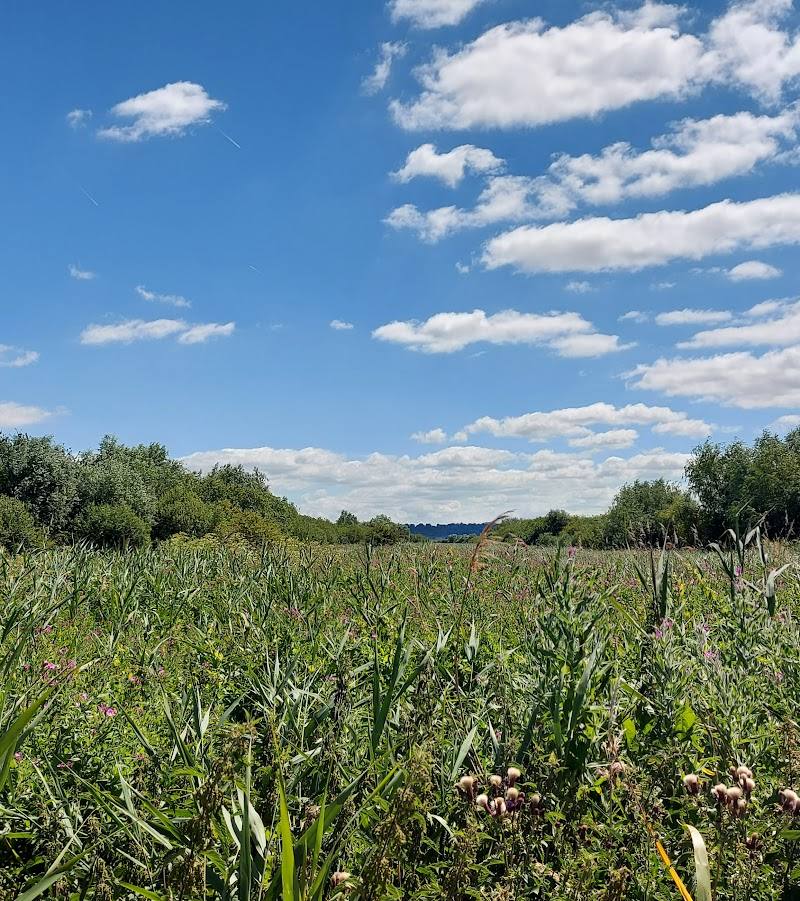
Place photographs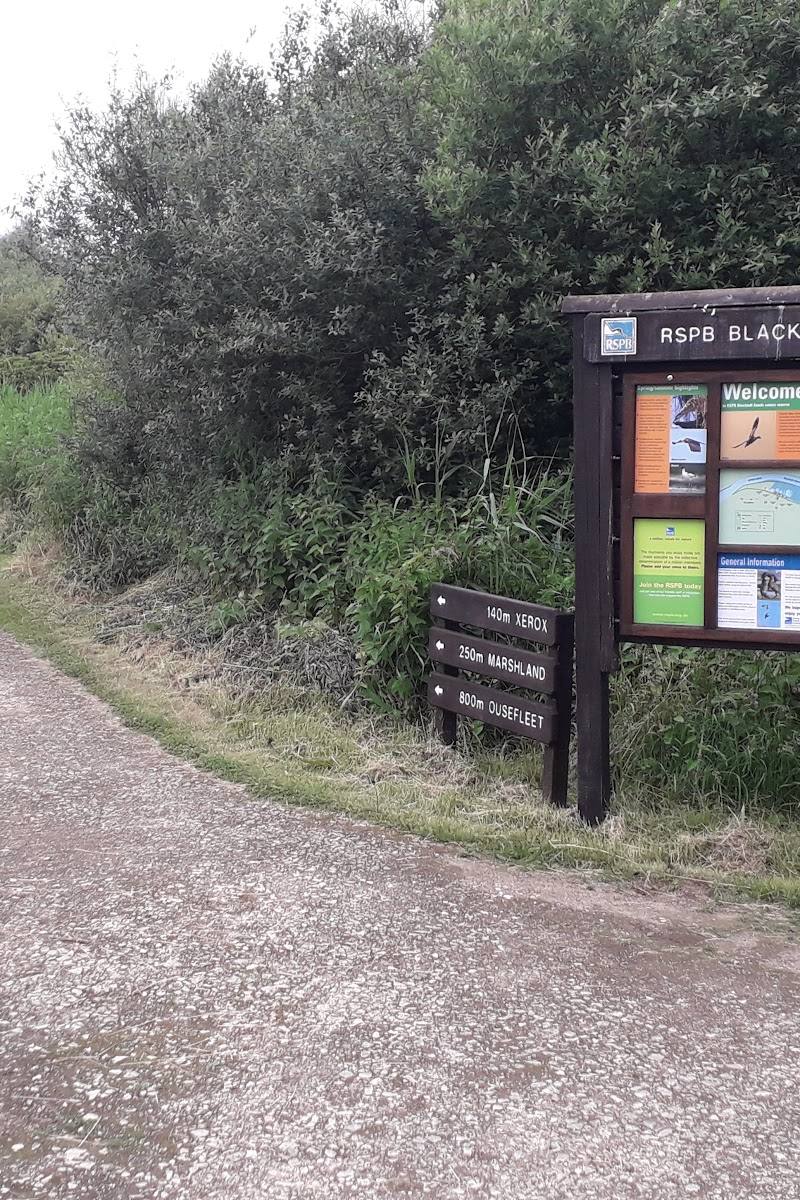
Keep exploring
Around RSPB Blacktoft Sands
Within 50 km · approximate straight-line distances
 Place photograph6.8
North Cave Wetlands
Dryham Lane, Brough, East Riding of Yorkshire HU15 2LY
10.5 km away

 Place photograph7.2
North Duffield Carrs
North Duffield Carrs, near Bubwith, North Yorkshire
19.8 km away