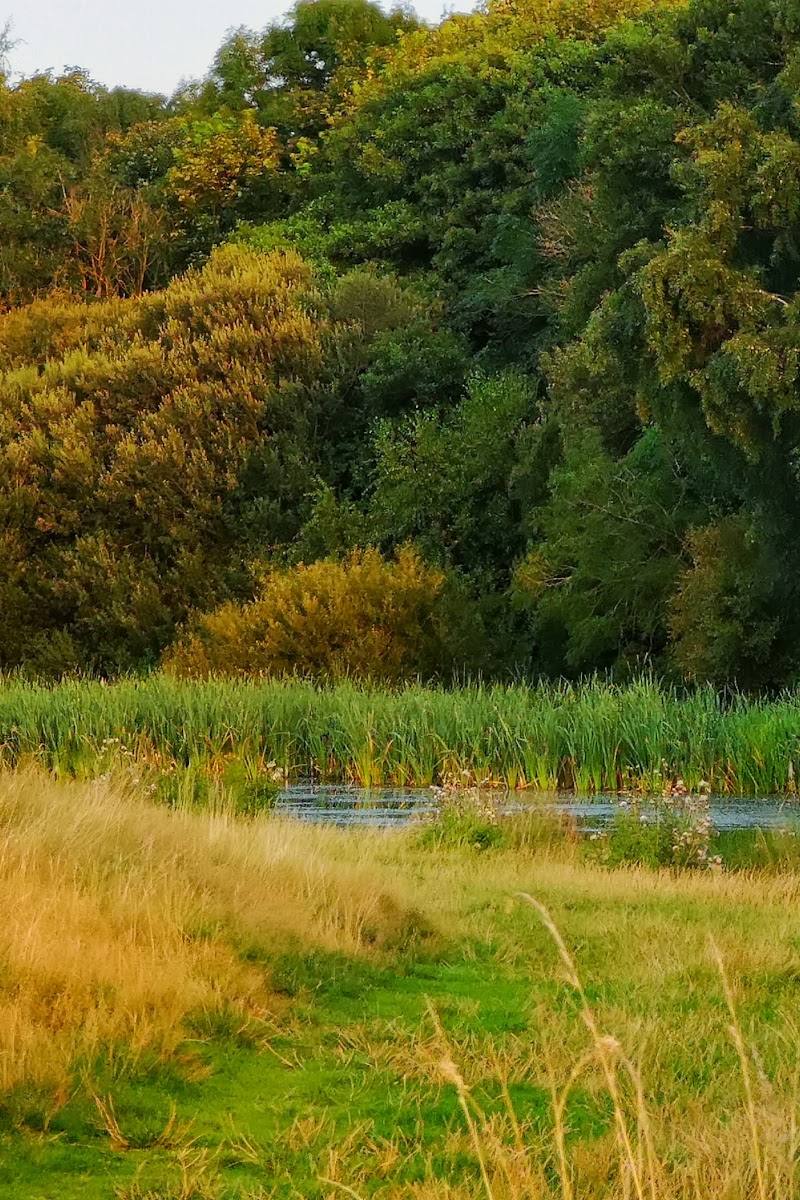
The Staiths, Dunston, Gateshead, NE11 9DR
Riverside Park and Saltmarsh Garden, Dunston
Mixed-habitat reserve
Place photograph
4.8
Wildland
Under 1 hour, 1–2 hours
Time
Check
Cost
Peaceful
Feel
Why it's Wildland
4.8A small surviving patch of upper saltmarsh sits where the River Team meets the Tyne, among reedbed and young woodland. In spring, bluebells flower beneath the trees; around the Staiths, former industrial ground has also become feeding habitat for wintering and migrating wading birds.
This is a distinctive urban nature stop: Gateshead’s main remaining area of upper saltmarsh shares space with reedbed, young woodland and spring wildflowers. The contrast between estuary-edge habitat and the industrial story of the Staiths gives a short visit more to notice than the garden’s modest scale suggests.
Peaceful · Atmospheric
Find your way
Open mapThe Staiths, Dunston, Gateshead, NE11 9DR
Opening map…
Know this place a little better?
The experience
A compact nature visit centred on the Saltmarsh Garden, where upper saltmarsh, reedbed and young woodland meet the lower River Team. Take the documented self-guided walk from the Staiths Cafe, look for spring bluebells and learn how the former industrial landscape became valuable habitat. The supplied sources do not establish swimming or paddling access.
Things to do
Follow the self-guided wildlife walk
Use the council-described walk from the Staiths Cafe to reach the Saltmarsh Garden. Check the linked leaflet and current route information before setting out.
Look for spring bluebells
The council reports bluebells beneath the young woodland and says they make an impressive spring display.
Explore the saltmarsh habitat
Notice the remaining upper saltmarsh and adjoining reedbed. Gateshead Council names several plants of note, including sea clubrush, which it describes as scarce in the old County Durham area.
Watch for wading birds around the Staiths
The council describes the mudflats behind the Staiths as a regionally important feeding area for wintering and migrant wading birds. No species list or viewing facilities are specified.
Make a day of it
Quick escape · Under 1 hour
Quick escape: Saltmarsh Garden walk
- 01
Start from the Staiths Cafe area and follow the council-described self-guided walk to the Saltmarsh Garden.
- 02
Pause to notice the saltmarsh, reedbed and young woodland.
- 03
In spring, look beneath the trees for bluebells.
Half day · Half day
Make a half day of it: Garden and Staiths wildlife
- 01
Follow the documented self-guided walk from the Staiths Cafe to the Saltmarsh Garden.
- 02
Spend time identifying the habitat mix and plant species listed by Gateshead Council.
- 03
Continue your wildlife watching around the Staiths mudflats, which the council describes as a feeding area for wintering and migrant wading birds.
- 04
Check current café availability and access before setting out.
Verified history
The Saltmarsh Garden was created in 1990 as part of the Gateshead Garden Festival site, then closed for 25 years. Following the Staiths South Bank development, ownership transferred to Gateshead Council in 2015; the garden officially reopened in June 2016. Its name refers to the small surviving fragment of saltmarsh. The council connects the wider landscape to coal transport: horse-drawn rail waggonways began carrying coal into Dunston in 1671. The Staiths’ industrial history is also linked to habitat change: after dredging stopped, a lagoon behind the Staiths silted up and the resulting mudflats became a feeding area for wading birds.
Hidden details
A small remnant of a once wider habitat — The garden takes its name from the tiny fragment of saltmarsh that survives here. Gateshead Council describes it as the main remaining area of this habitat in urban Gateshead.
A habitat balance in flux — The council says the planted reedbed is expanding onto the saltmarsh and threatening the small habitat; steps have been taken to limit that expansion.
When to go
April · May · December · January · February · No specific time of day is established by the supplied sources.
Spring is the stated season for the bluebell display. Winter and migration periods are relevant for the reported wading-bird feeding area, although precise peak months are not supplied.
Check conditions and route information before visiting. No site-specific weather guidance is supplied.
The route
- start point
- The Staiths Cafe area; the council describes a self-guided walk from there to the Saltmarsh Garden.
- parking start
- Check before visiting.
- The surviving upper saltmarsh fragment
- Reedbed and young woodland
- Spring bluebells
- Wading-bird feeding habitat around the Staiths mudflats
What to look for
Look for the small remaining area of upper saltmarsh, the adjoining reedbed and woodland, and spring bluebells. The council also names wild celery, hemlock water-dropwort, scurvy grass, saltmarsh grass, fennel-leaved pondweed and sea clubrush as species of note. Around the Staiths, watch for wading birds using the mudflats as a feeding area.
The story
Industry
Best time to go
Spring for the bluebell display; winter and migration periods for the reported wading-bird feeding area around the Staiths.
Visit in spring if you want to see the bluebells beneath the young woodland. For birds, the council identifies the Staiths mudflats as a feeding area for wintering and migrant waders; exact peak dates are not given, so check local updates.
How long to spend
Under 1 hour, 1–2 hours
Perfect for
Families · Walkers · Wildlife lovers · Photographers
Practical information
Opening & access
The official visitor information describes a self-guided walk from the Staiths Cafe to the Saltmarsh Garden. Check current access and route conditions before visiting.
Check before visiting
Parking
Check before visiting.
Check before visiting
Toilets
Check before visiting.
Check before visiting
Food & drink
A self-guided walk is described as starting from the Staiths Cafe; check current opening and availability before visiting.
Check before visiting
Dogs
The source row marks the site dog-friendly. Check local rules and keep dogs under control around wildlife and sensitive habitat.
Check before visiting
Accessibility
The source row describes the site as wheelchair accessible, but does not specify route surfaces or step-free details. Check current conditions and route suitability before visiting.
Check before visiting
Cost
Check before visiting
Check before visiting
Water
River, Estuary
Gallery
Place photographsKeep exploring
Around Riverside Park and Saltmarsh Garden, Dunston
Within 50 km · approximate straight-line distances
Newcastle Castle
The Black Gate, Castle Garth, Newcastle upon Tyne NE1 1RQ
2.3 km away
 Place photograph5.2
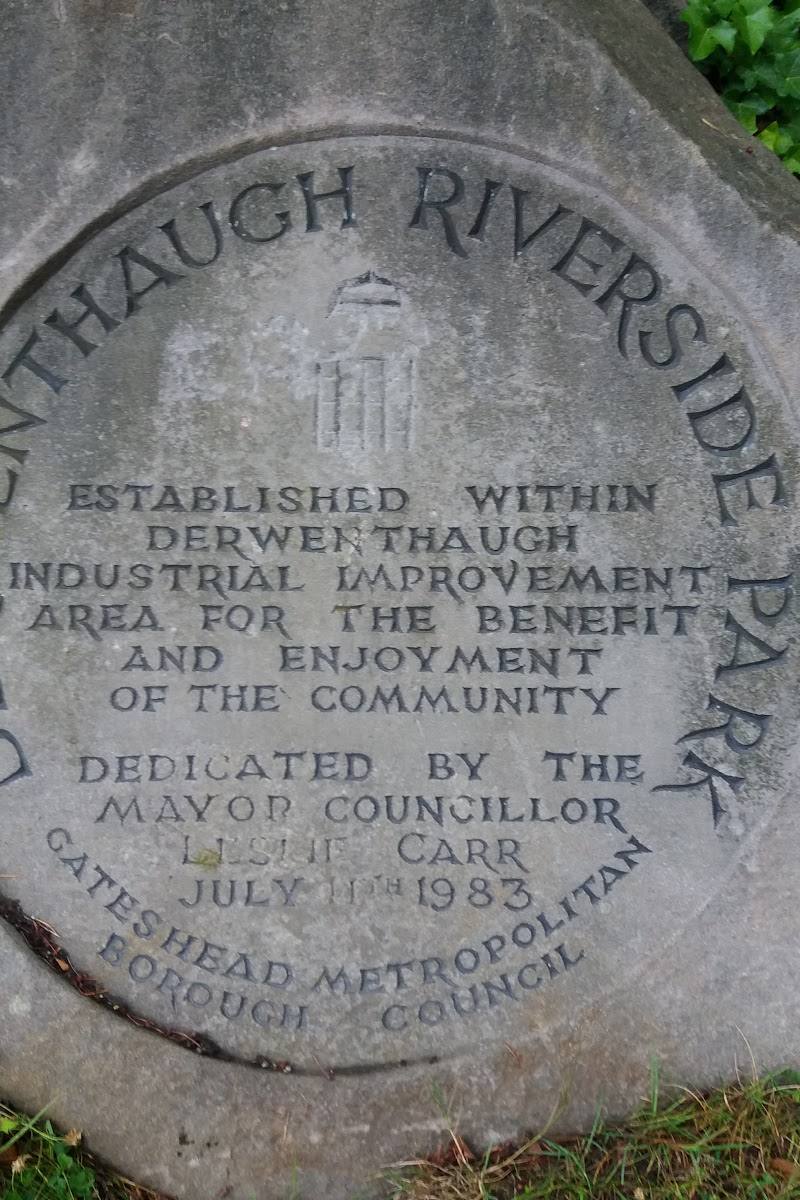
Derwenthaugh Riverside Park
Derwenthaugh, Gateshead, on the River Derwent
2.9 km away
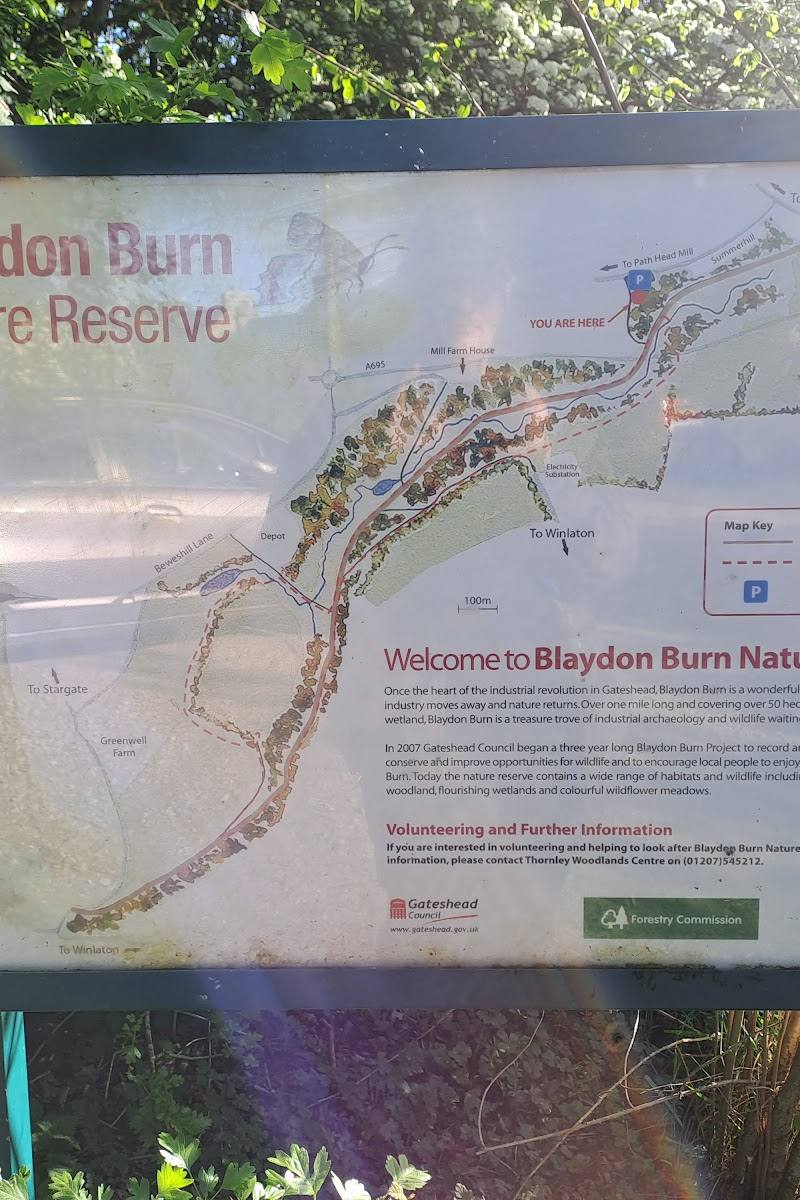
Summerhill and Stella Meadows
Stella Road, Blaydon, Gateshead, North East England
5.8 km away
 Source image5.8
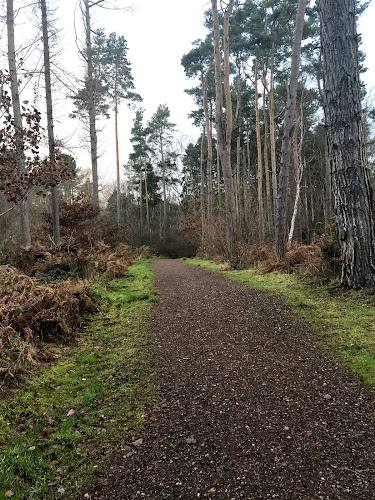
Thornley Woods Sculpture Trail
Thornley Woods, near Rowlands Gill, County Durham
5.8 km away