Quarr Road, Ryde, Isle of Wight, PO33 4ER
Quarr Abbey Remains
Monastic ruins
Place photograph
5.8
Wildland
1–2 hours
Time
Free
Cost
Peaceful
Feel
Why it's Wildland
5.8Founded in 1132, the Cistercian abbey grew into the Isle of Wight’s largest religious house. Its coastal position gave it a role beyond prayer: defensive walls built during the early stages of the Hundred Years’ War included gun ports thought to date from the early 1360s. After Henry VIII ordered the abbey sold and dismantled, its stone was reused in coastal forts. Today, fragments of the medieval complex—and a watercourse still running through an old culvert—reward a slower look.
Quarr’s remains make a striking connection between monastic life and island defence. The surviving medieval fabric is varied enough to explore closely, while the old precinct walls and still-gurgling culvert bring the history into the landscape rather than leaving it on a plaque.
Peaceful · Atmospheric · Ancient-feeling
Find your way
Open mapQuarr Road, Ryde, Isle of Wight, PO33 4ER
Opening map…
Know this place a little better?
The experience
Explore the surviving medieval remains and precinct walls, then look for architectural traces that reveal how the abbey worked and defended its coastal position.
Things to do
Explore the medieval abbey remains
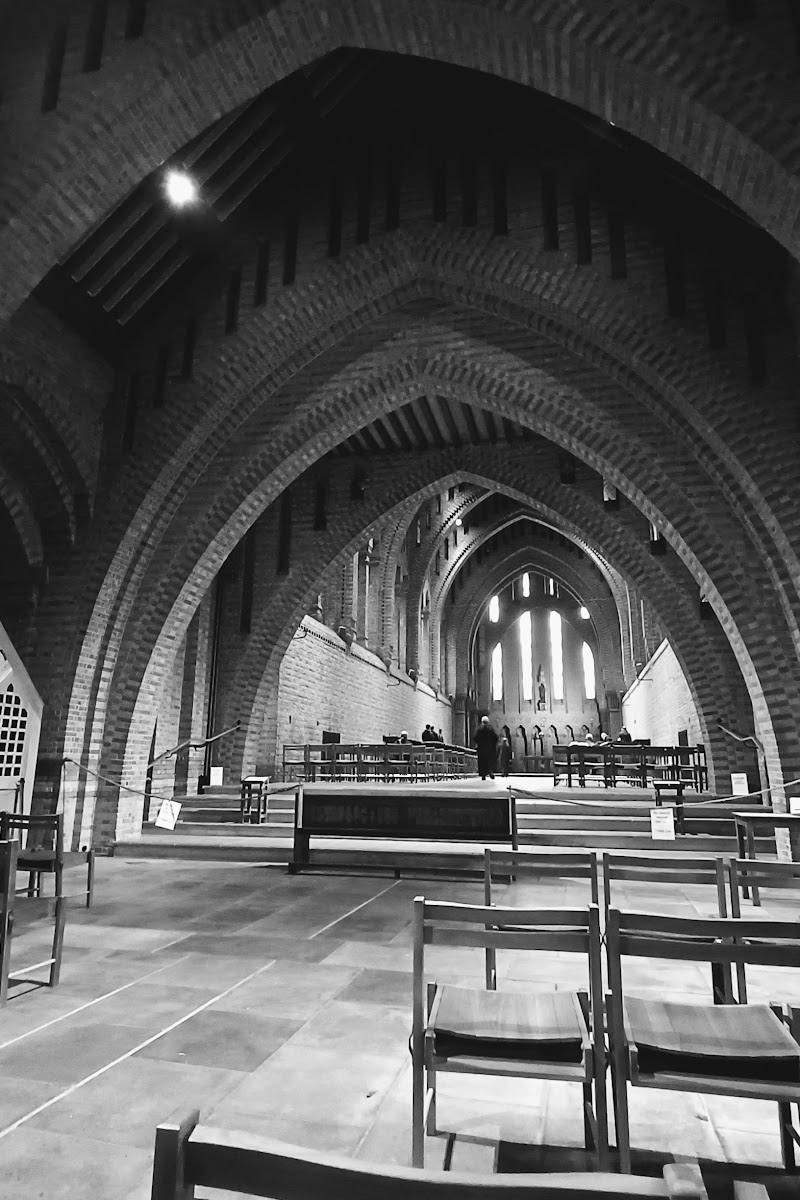
Look for the infirmary chapel near the stream, parts of the kitchen and refectory, the servery hatch, the wood store and surviving vaulting.
30–60 minutes
Inspect the fortified precinct walls
The Abbey describes the northern and southern walls as part of defensive works built in the early stages of the Hundred Years’ War. Their gun ports are thought to date from the early 1360s.
15–30 minutes
Find the medieval culvert
Look in the lane leading from the cottage towards the main road for the culvert, which the Abbey says is still carrying water.
5–10 minutes
Visit the Abbey church and grounds
The supplied visitor information says visitors can visit the church and wander the grounds. Check current opening arrangements, particularly around religious services.
30–60 minutes
Make a day of it
Quick escape · About 1 hour
Quick escape: trace the abbey’s surviving fabric
- 01
Walk among the accessible old abbey remains and identify the surviving monastic structures.
- 02
Look for the infirmary chapel, kitchen and refectory remains, servery hatch and vaulting.
- 03
Follow the lane by the cottage and look for the medieval culvert.
Half day · Half day
Make a half day of it: ruins, church and gardens
- 01
Explore the old abbey remains and precinct walls.
- 02
Visit the Abbey church and wander the grounds and gardens.
- 03
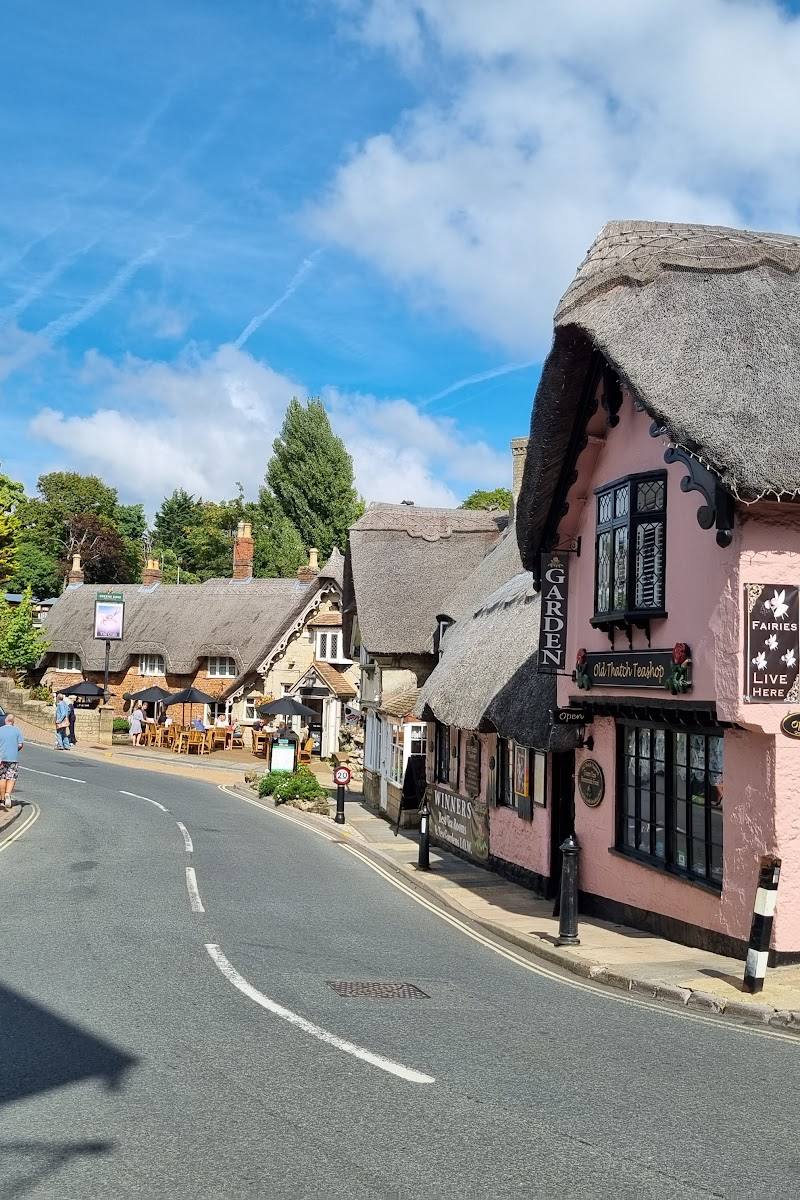
Pause at the teashop or browse the farm shop if open; check current visitor information before travelling.
Verified history
The Cistercian Abbey of Our Lady and St John was founded in 1132 and grew to become the largest religious house on the Isle of Wight. It was sold and dismantled on the orders of Henry VIII about four centuries later. The Abbey’s account describes its precinct walls as defensive works built during the early stages of the Hundred Years’ War, with gun ports thought to date from the early 1360s. In 1600, Sir John Oglander was told by an old local man that the church had once been magnificent. By then, much of its stone had been carried away for the King’s coastal forts. Percy Stone began investigating buried traces in 1896, and later geophysical surveys helped reveal more of the abbey’s plan.
Hidden details
The culvert still carries water — The medieval culvert in the lane from the cottage towards the main road is easy to miss; the Abbey says it is still gurgling with water.
Monastic stone reused in Yarmouth Castle — The Abbey says stone from the dismantled church was carried away to build coastal forts, and that monastic carving can be seen reused in the masonry of Yarmouth Castle.
The former dormitory’s cart arches — The surviving structure used as a barn was the brothers’ dormitory. The Abbey notes that the outlines of large ground-floor arches, through which carts could deliver supplies, remain visible.
When to go
· Choose a time when the Abbey and remains are open to visitors; check current arrangements before travelling.
The supplied sources do not identify a particular season as best for viewing the remains.
Historic and outdoor surfaces may be uneven; check current conditions and access arrangements before visiting.
What to look for
- 01
Look for the surviving infirmary chapel, kitchen and refectory remains, servery hatch, vaulting and the former brothers’ dormitory, now used as a barn. In the lane near the cottage, the medieval culvert is easy to miss
- 02
the Abbey says it still carries running water. The precinct walls contain gun ports thought to date from the early 1360s.
The story
Industry, Archaeology
Best time to go
Year-round for the ruins and historic fabric; check current visitor arrangements before setting out.
Allow around an hour or two to look through the remains at an unhurried pace. Check the Abbey’s current visitor information before travelling.
How long to spend
1–2 hours
Perfect for
History lovers · Walkers · Couples
Before you go
Address
Google rating
Practical information
Opening & access
Quarr Abbey welcomes visitors to its church and grounds, where the old abbey remains can be explored. Check the official visitor information before travelling for current opening arrangements and any access restrictions.
Check before visiting
Parking
The supplied visitor information lists a car park and describes it as free. Check current arrangements before travelling.
Check before visiting
Toilets
Check before visiting
Check before visiting
Food & drink
A teashop and farm shop are described in supplied visitor information; check current opening arrangements.
Check before visiting
Dogs
Check before visiting
Check before visiting
Accessibility
Some areas may have uneven historic surfaces. Check directly with the Abbey about current access and specific requirements.
Check before visiting
Cost
Free
Gallery
Place photographsKeep exploring
Around Quarr Abbey Remains
Within 50 km · approximate straight-line distances