7.4
Wildland
Under 1 hour
Time
Check
Cost
Atmospheric
Feel
Why it's Wildland
7.4Founded in 1130 by Norman knight Sir Richard de Granville, Neath Abbey grew into one of Wales’s wealthiest monasteries before its religious buildings were absorbed into an industrial landscape.
Neath Abbey is more than a set of monastic ruins: the surviving layout reveals the scale of a prosperous medieval settlement, while its later conversion to copper works gives the site an unusually vivid religious and industrial history.
Atmospheric · Historic
Find your way
Open mapMonastery Road, Neath Abbey, Neath SA10 7DW
Opening map…
Know this place a little better?
The experience
Explore the visible abbey layout and look for the evidence of its changing use. The supplied sources establish the site’s medieval and industrial story, but do not provide enough verified visitor-route or opening detail to prescribe a longer itinerary.
Things to do
Trace the abbey’s layout
Cadw says virtually the entire layout of the abbey and its buildings can still be seen, giving visitors a sense of the size of the former religious settlement.
Look for the industrial afterlife
The abbey later became a copper-smelting plant with furnaces, workshops and workers’ dwellings. Look for evidence of this change in the surviving site, without assuming that every industrial feature remains visible.
Make a day of it
Quick escape · Allow about an hour; this is an editorial suggestion, not a verified visit duration.
Read the abbey’s changing story
- 01
Check Cadw’s current opening information before travelling.
- 02
Explore the visible abbey layout and its surviving remains.
- 03
Use the contrast between the monastic site and its later industrial history as a guide to what you look at.
Verified history
Cadw dates Neath Abbey’s foundation to 1130 and names Norman knight Sir Richard de Granville as its founder. By the late 13th century it had become one of Wales’s wealthiest abbeys. Around 50 monks lived there, alongside a larger number of lay brothers working on the abbey’s estates. In a later transformation, the site became a copper-smelting plant with furnaces, workshops and workers’ dwellings; an ironworks stood next door. Cadw describes the surviving remains as showing virtually the entire layout of the abbey and its buildings.
Hidden details
A settlement, not just a church — Cadw notes that virtually the entire layout of the abbey and its buildings can still be seen. Look beyond the most prominent walls for evidence of the broader monastic settlement.
The industrial chapter — The site’s story continued after its religious use: Cadw records copper smelting, furnaces, workshops and workers’ dwellings at the abbey.
When to go
· No source-supported recommendation.
The supplied sources do not identify a seasonal highlight.
Check the forecast and current site information before visiting.
What to look for
- 01
Look for the surviving layout of the abbey buildings
- 02
the scale of the monastic settlement
- 03
traces described by Cadw as connected with later industrial use
- 04
and the contrast between religious remains and the site’s copper-smelting past.
The story
Monastic history, industrial heritage
Best time to go
No source-supported seasonal advantage identified.
No particular season or time of day is supported by the supplied sources. Check Cadw’s current visitor information before setting out.
How long to spend
Under 1 hour
Perfect for
History lovers · Photographers
Before you go
Address
Phone
Website
Listed hours
- Monday: 11am-3:20pm
- Tuesday: 11am-3:20pm
- Wednesday: 11am-3:20pm
- Thursday: 11am-3:20pm
- Friday: 11am-3:20pm
- Saturday: 11am-3:20pm
- Sunday: 11am-3:20pm
Check before visiting.
Google rating
Practical information
Opening & access
A Cadw-managed historic site. Check the Cadw listing for current opening and access information before travelling.
Check before visiting
Parking
The supplied Google listing reports free street parking and a free car park; confirm availability and conditions before visiting.
Toilets
Check before visiting
Check before visiting
Food & drink
Check before visiting
Check before visiting
Dogs
Check before visiting
Check before visiting
Accessibility
The supplied Google place information reports a wheelchair-accessible car park, entrance and seating. Confirm current arrangements with Cadw before travelling.
Cost
Check before visiting
Check before visiting
Gallery
Place photographs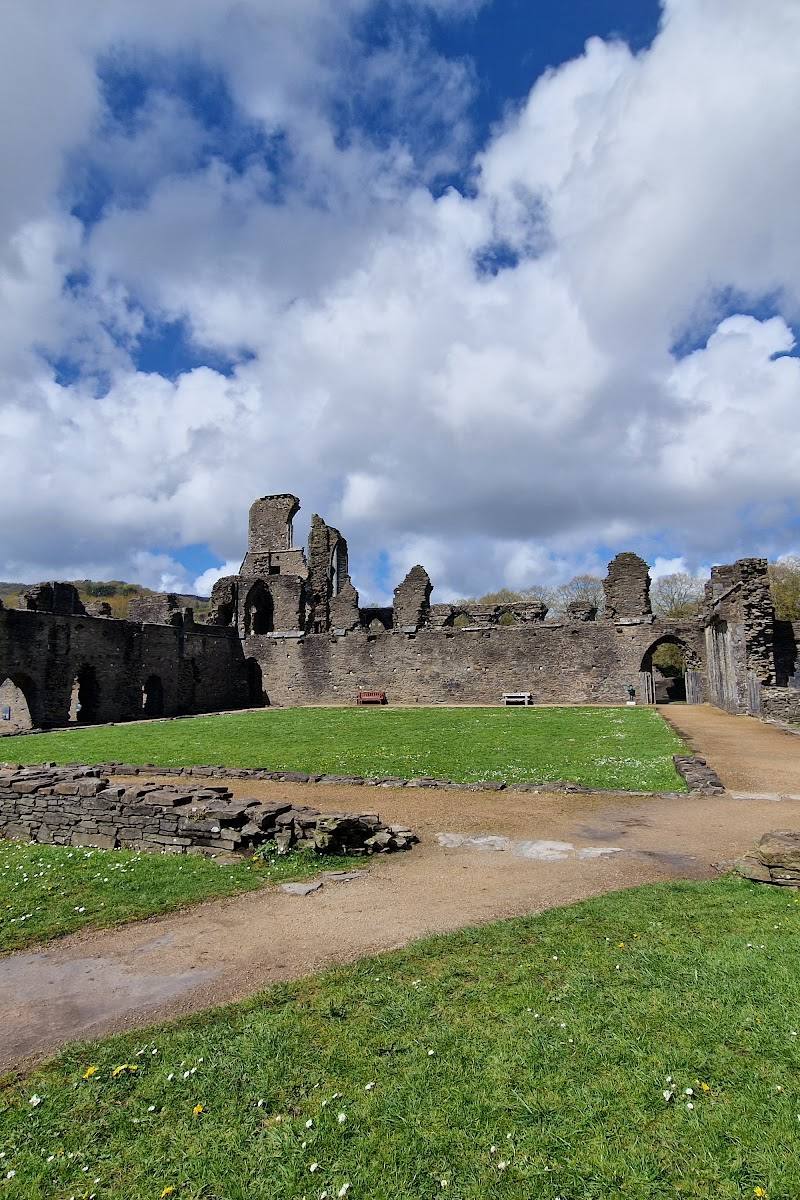
Keep exploring
Around Neath Abbey
Within 50 km · approximate straight-line distances

 Place photograph8.6
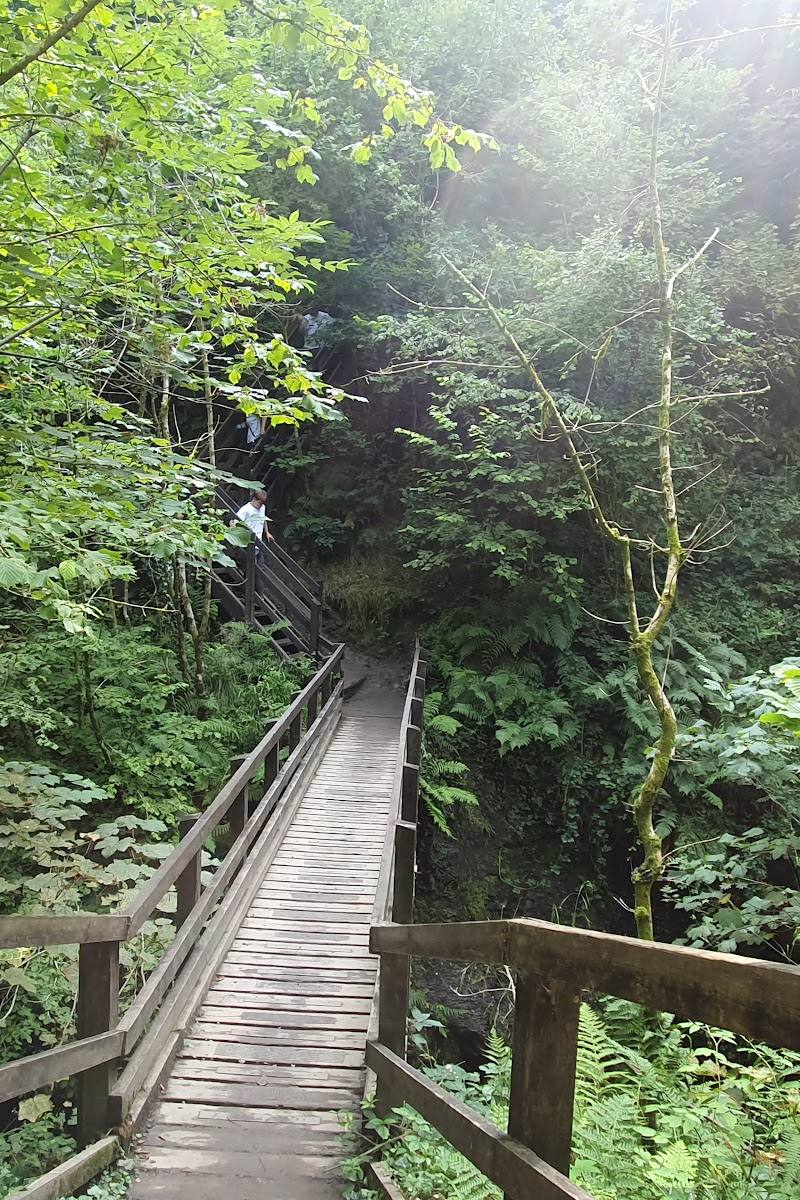
Heronstone Lodges Retreat
Ystrad Isaf Farm, Station Road, Ystradgynlais, Swansea SA9 1PJ
13.4 km away
 Place photograph8.2
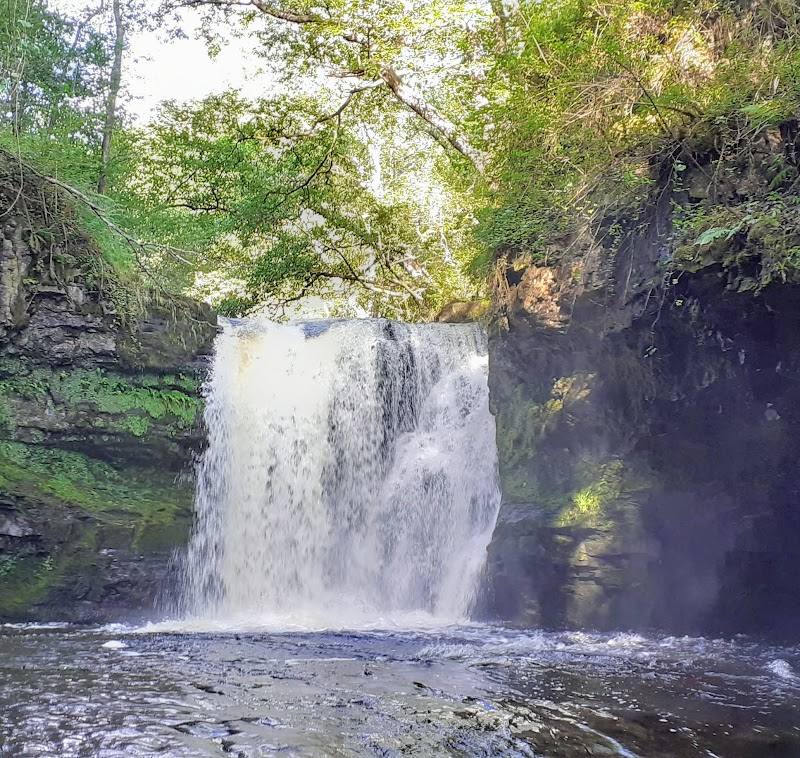
Henrhyd Falls
Near Coelbren, Bannau Brycheiniog (Brecon Beacons), Wales
18.6 km away

 Place photograph8.5
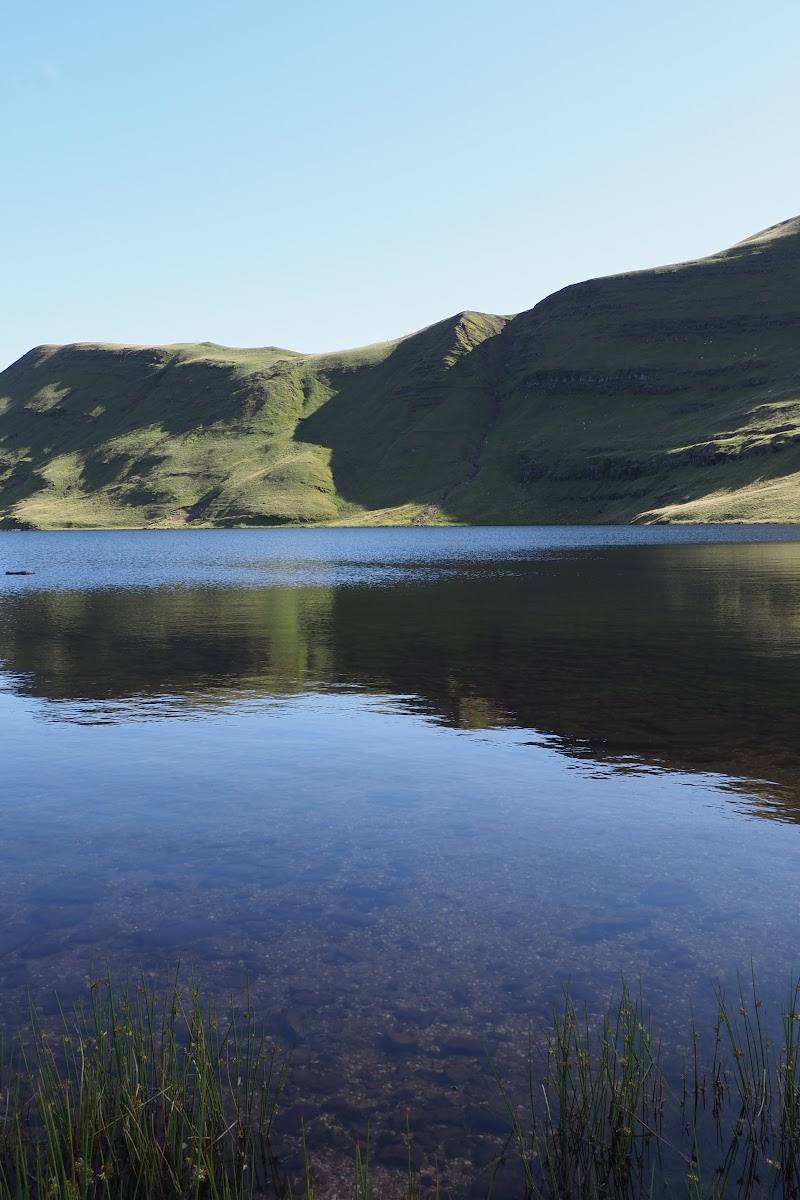
Llyn y Fan Fawr
Carmarthenshire Fans, western Bannau Brycheiniog National Park, Wales
26.1 km away