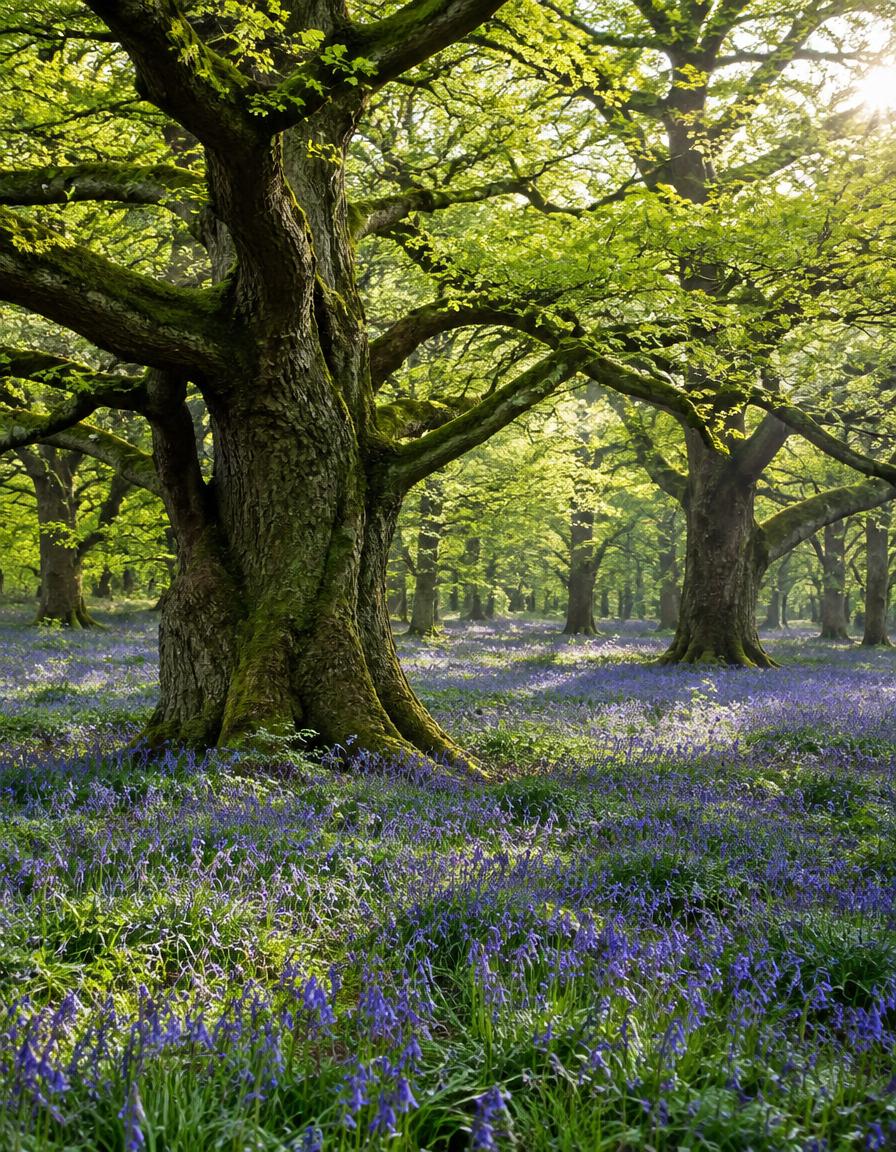
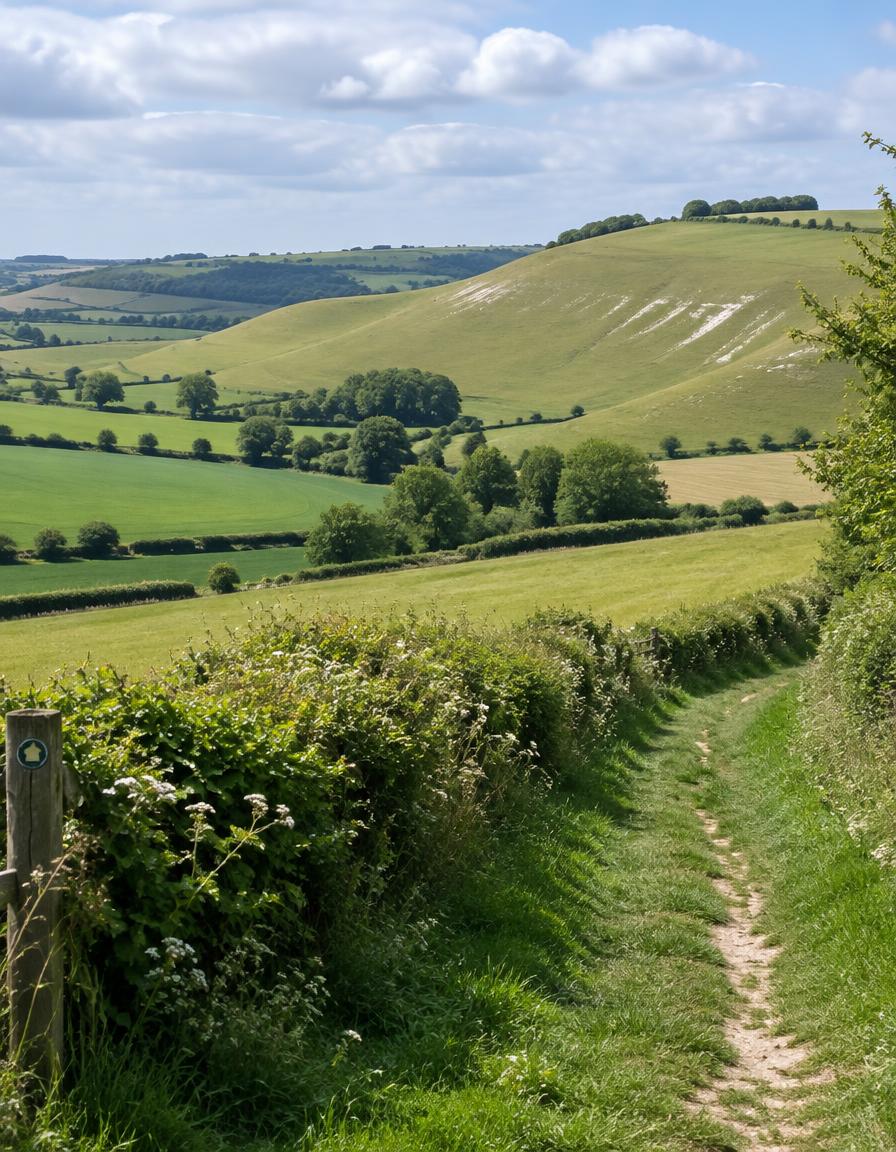
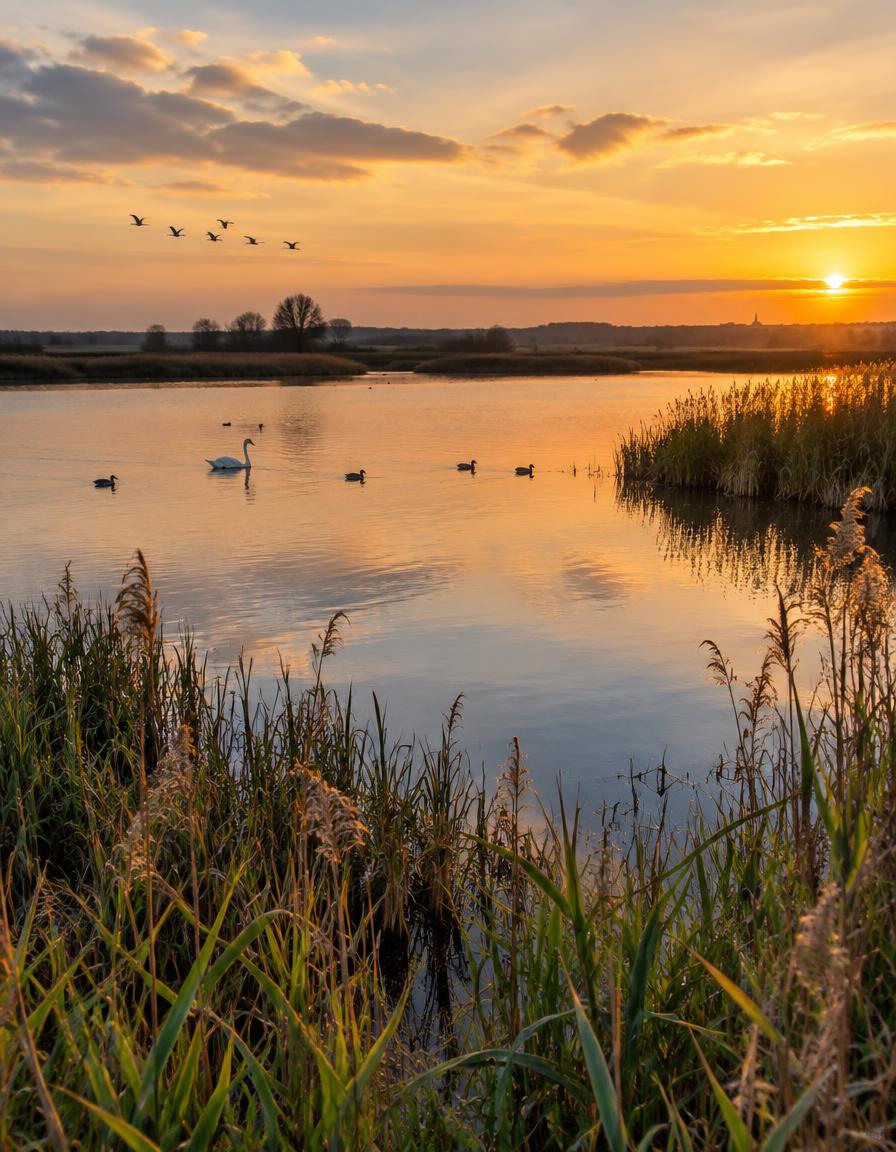
Off Outgang Lane, Maltby, South Yorkshire S66 7JX
Maltby Low Common Nature Reserve
Mixed-habitat reserve
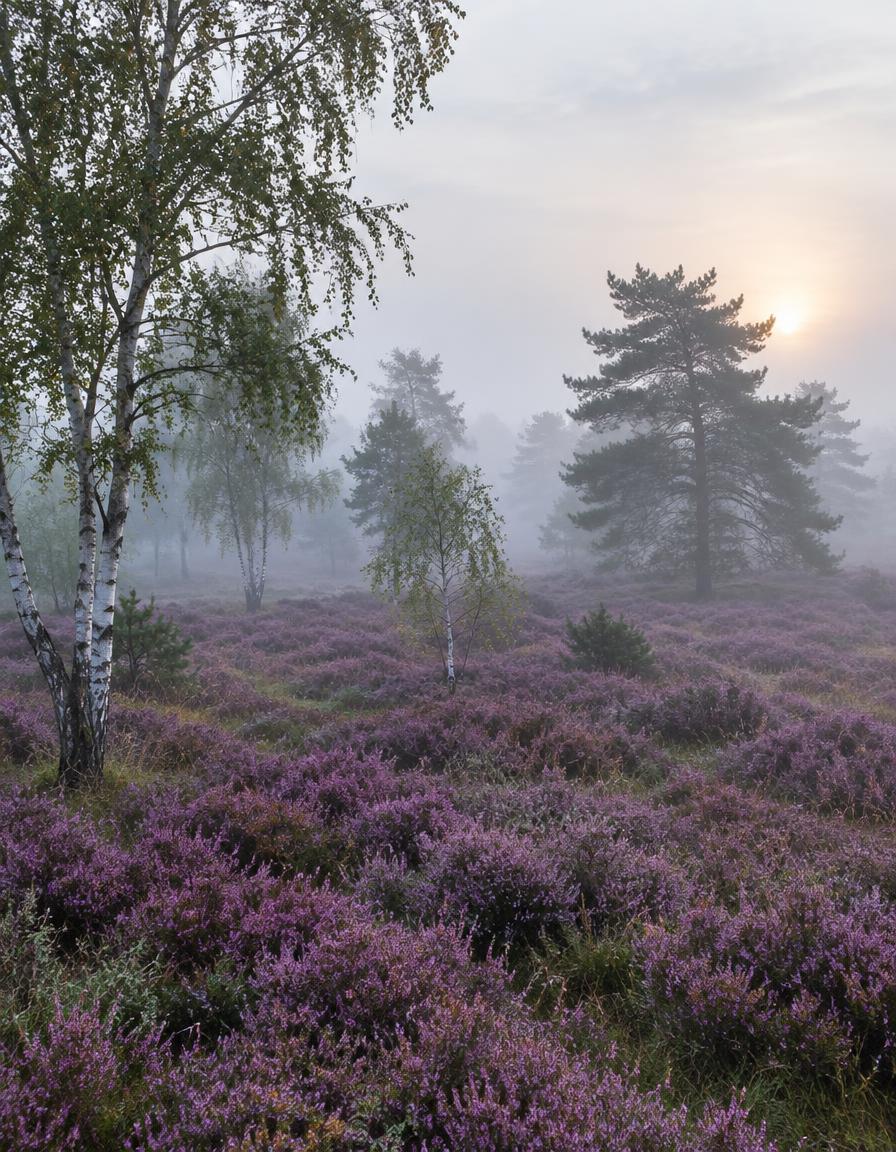
Place photograph
6.5
Wildland
1–2 hours
Time
Free
Cost
Peaceful
Feel
Why it's Wildland
6.5On just seven hectares, limestone bank, flat grassland and wetter and drier ground sit close together, creating an unusually varied patchwork of plants and insect life.
Maltby Low Common earns its place through close-up variety rather than dramatic scale: different grassland conditions meet on a compact reserve, and more than 400 insect species have been recorded across the commons. Come in the flowering season and take time to notice how the plants change between the limestone bank and wetter ground.
Peaceful · Secluded
Find your way
Open mapOff Outgang Lane, Maltby, South Yorkshire S66 7JX
Opening map…
The experience
Explore the reserve slowly, comparing its different grassland conditions and looking for flowers and insects. For a longer outing, the Yorkshire Wildlife Trust suggests walking on to Maltby Far Common; paths can be wet and muddy.
Things to do
Compare the grassland habitats
Notice the transitions between the steep limestone bank, flat grassland and wetter and drier areas; the reserve is particularly notable for these habitats sitting close together.
Allow time to explore at your own pace
Look for grassland flowers and insects
In later spring and summer, look for the reserve’s grassland flowers and watch for butterflies and other insect life. The source names grass-of-Parnassus and field scabious among limestone grassland species.
Walk to Maltby Far Common
A footpath connects the reserve to adjoining Far Common. The two commons can be explored as a circular walk of around two miles; expect paths that may be wet or muddy.
Around 2 miles for the circular walk
Make a day of it
Quick escape · Under 1 hour
Quick Common wander
- 01
Enter from the reserve access and explore the paths across the different grassland areas.
- 02
Pause at the limestone bank, then compare it with the flatter and wetter ground.
- 03
Return the way you came; no specific short circuit is confirmed by the supplied source.
Half day · Half day
Walk on to Maltby Far Common
- 01
Explore Maltby Low Common, taking time to notice the changing grassland and flowers.
- 02
Follow the footpath to adjoining Maltby Far Common.
- 03
Allow for wet or muddy paths and check current conditions before setting out.
Hidden details
Three grassland conditions close together — The steep limestone bank, flat grassland and wetter and drier patches make this a place to look for contrasts in plant communities, not just a single uniform meadow.
A rich record of butterflies and moths — Yorkshire Wildlife Trust reports well over 400 insect species recorded across the commons, including dark green fritillary, brimstone, orange-tip, small copper, wall, heath, cinnabar and silver Y moth.
When to go
March · April · May · June · July · August · September · No specific time of day is confirmed by the supplied source.
Yorkshire Wildlife Trust recommends March to September; later spring and summer bring the strongest interest in grassland flowers and insects.
Paths are fairly flat but can be wet and muddy. Check conditions before visiting.
The route
- surface
- Paths are fairly flat but can be wet and muddy
- distance
- Around 2 miles for a circular walk to Maltby Far Common
- route shape
- Circular walk linking Maltby Low Common and Maltby Far Common
- start point
- Maltby Low Common Nature Reserve; access off Outgang Lane
- parking start
- Small car park on Lansbury Avenue, about 40 metres from the railway bridge on Outgang Lane; alternatively park at Far Common on Stoneywell Lane.
- shorter alternative
- Explore Maltby Low Common only; the source does not specify a distance or circuit for this option.
- Steep limestone bank
- Flat grassland and wetter and drier areas
- Grassland flowers and insect life
Worth pairing with
Maltby Far Common
Adjoining common reachable by footpath; the two commons can be combined in a circular walk of around two miles.
Roche Abbey
Suggested by Yorkshire Wildlife Trust as a nearby option for a longer day. Check current access and visitor information before travelling.
What to look for
Look for the contrast between the steep limestone bank, flat grassland and wetter ground. The reserve source names grass-of-Parnassus and field scabious among the limestone grassland plants, and records a wide range of butterflies and moths across the commons.
Best time to go
March to September; later spring and summer are particularly rewarding for grassland flowers and insects.
March to September, with later spring and summer especially good for grassland flowers and insects. Check conditions before setting out, as paths can be wet and muddy.
How long to spend
1–2 hours
Perfect for
Walkers · Wildlife lovers · Photographers
Practical information
Opening & access
Open at all times; free entry. Yorkshire Wildlife Trust says the paths are not wheelchair or pushchair accessible.
Parking
Small car park on Lansbury Avenue, about 40 metres from the railway bridge on Outgang Lane; another option is at Far Common on Stoneywell Lane.
Toilets
No toilet information confirmed by the supplied reserve source; check before visiting.
Check before visiting
Food & drink
No on-site café information confirmed by the supplied reserve source; check before visiting.
Check before visiting
Dogs
Dogs should be kept on a lead.
Accessibility
Not wheelchair or pushchair accessible. Paths are fairly flat but can be wet and muddy.
Cost
Free
Water
No visitor water activity or swimming permission is evidenced.
Gallery
Place photographsKeep exploring
Around Maltby Low Common Nature Reserve
Within 50 km · approximate straight-line distances
Thorpe Marsh Nature Reserve
Fordstead Lane, Doncaster, South Yorkshire DN5 0LN
18.7 km away
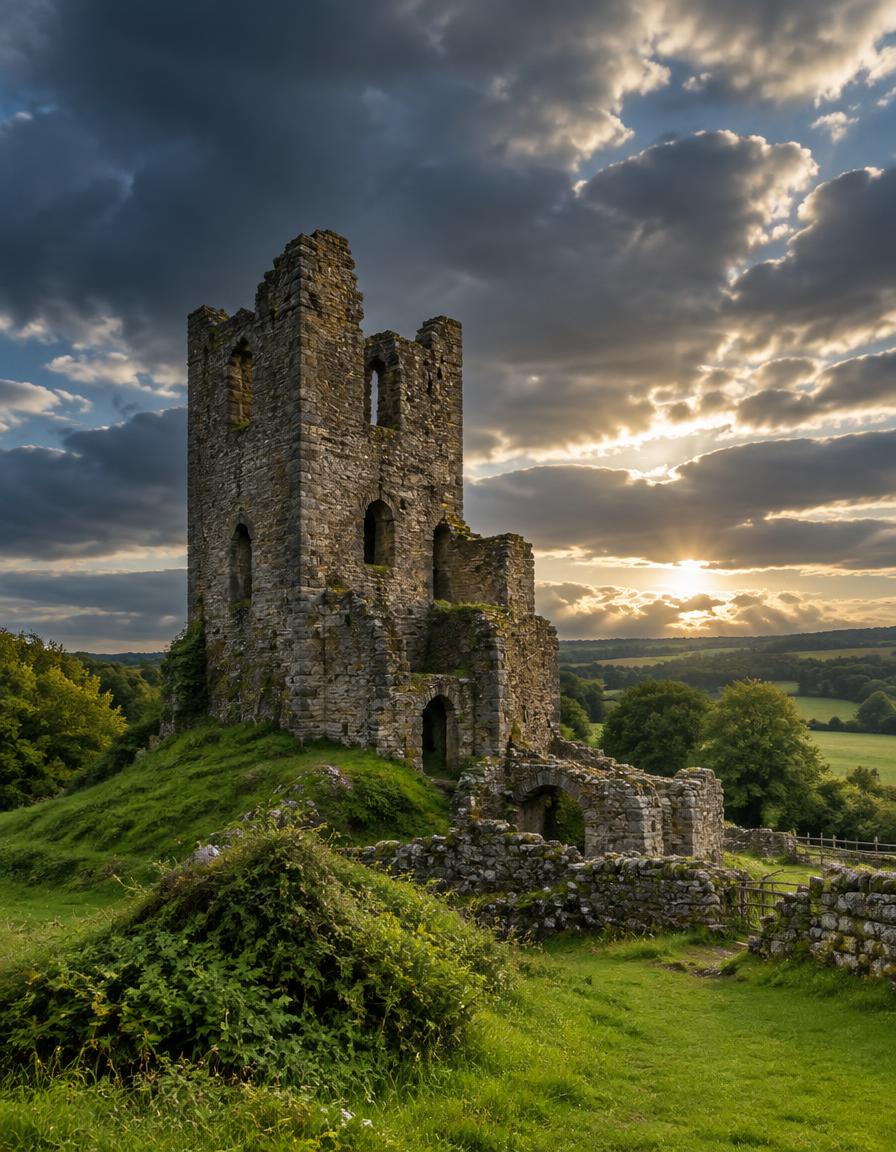
Whistlestop Valley – Shelley Station
Shelley, near Huddersfield, West Yorkshire
38.5 km away