Long Rock Down, St Mary’s, Isles of Scilly, TR21 0NS
Long Rock Standing Stone
Prehistoric
Source image
4.8
Wildland
Under 1 hour
Time
Check
Cost
Atmospheric
Feel
Why it's Wildland
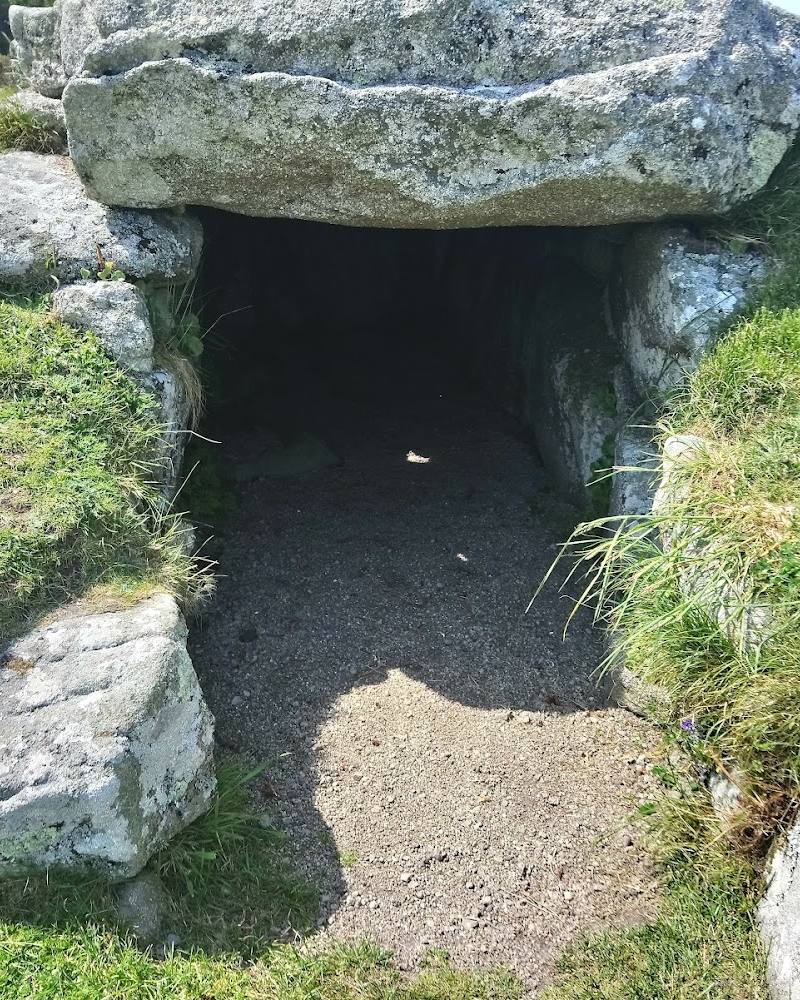
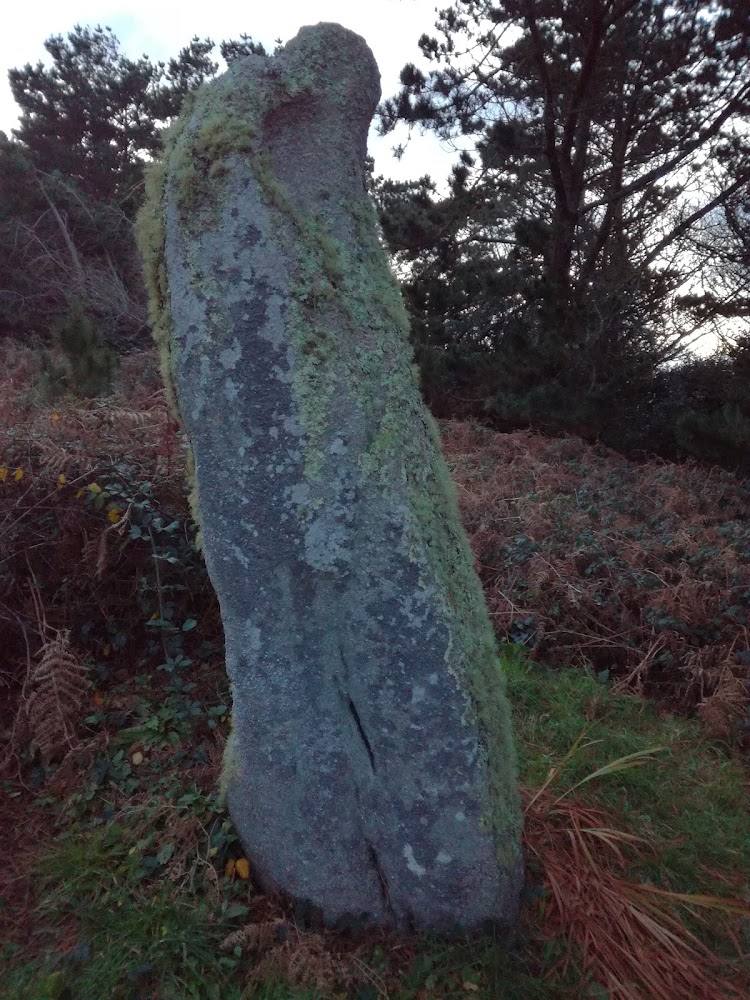
4.8A solitary prehistoric stone on Long Rock Down marks a place of long human activity on St Mary’s. Historic England records nearby flint finds and notes that standing stones could have served several purposes, from ritual monuments to route or boundary markers; this stone’s precise meaning is not known.
This is a small, evocative archaeological find rather than a full day-out destination: its value lies in encountering a surviving prehistoric monument in the distinctive landscape of the Isles of Scilly. The reported approach sounds overgrown, so verify access before making the journey.
Atmospheric · Ancient-feeling
Find your way
Open mapLong Rock Down, St Mary’s, Isles of Scilly, TR21 0NS
Opening map…
Know this place a little better?
The experience
A short archaeological stop for visitors who can confirm a suitable approach. The monument’s setting and prehistoric context are the main reasons to go; no verified circular route or facilities are available in the supplied evidence.
Things to do
See the prehistoric standing stone
Visit the monument on Long Rock Down if you have confirmed that the approach is accessible. Historic England identifies it as a prehistoric standing stone and a scheduled monument.
Check before visiting
Consider the evidence for prehistoric activity
Historic England notes a concentration of flint artefacts recorded near the stone, indicating that the area was a focus of prehistoric activity. The sources do not establish that artefacts are visible to visitors.
Make a day of it
Quick escape · Under 1 hour, excluding approach
A short visit to the standing stone
- 01
Confirm access and the route locally before setting out; the map pin marks the place, not an entrance.
- 02
If access is confirmed, visit the standing stone and take time to consider its landscape setting.
- 03
Return by the route you came; no circuit is verified.
Verified history
Historic England identifies the monument as a prehistoric standing stone and scheduled it on 21 May 1963. The official entry says it has survived in its present location without recorded disturbance and that a concentration of flint artefacts recorded nearby points to prehistoric activity at the site. Historic England describes standing stones generally as monuments dating to the later Neolithic and Bronze Age, around 2500–700 BC, and notes that their possible functions included ritual, routeway, boundary, grave or meeting-point markers. The supplied entry does not establish the exact date or purpose of this individual stone.
Hidden details
A focus of prehistoric activity — Historic England records a concentration of flint artefacts near the stone. This is evidence for activity in the area, not a claim that artefacts remain visible at the site.
When to go
· No specific time is supported by the supplied sources.
The supplied sources do not establish a seasonal advantage. Route conditions and access should be checked before visiting.
Path conditions are not verified; a visitor review reported an overgrown approach. Check locally before setting out.
What to look for
Look for the standing stone itself and consider its position in the landscape. Historic England records a concentration of flint artefacts nearby, but the supplied sources do not identify visible artefacts or other specific features to seek on site.
The story
Archaeology
Best time to go
No season-specific advantage is established by the supplied sources. Check access and path conditions before visiting.
No best time of day is established by the supplied sources. Check route conditions before visiting.
How long to spend
Under 1 hour
Perfect for
History lovers · Walkers
Before you go
Address
Listed hours
- Monday: Open 24 hours
- Tuesday: Open 24 hours
- Wednesday: Open 24 hours
- Thursday: Open 24 hours
- Friday: Open 24 hours
- Saturday: Open 24 hours
- Sunday: Open 24 hours
Check before visiting.
Google rating
Practical information
Opening & access
Public access to the monument is not confirmed. A visitor review describes reaching it by a path from McFarland’s Down, but do not assume the route is open or passable; check local access before setting out. The supplied map pin is a main-place pin, not an entrance or parking location. Access arrangements are unconfirmed. Check before visiting; do not enter private land or restricted structures.
Check before visiting
Parking
Unknown; check before visiting. The supplied map pin is not a parking location.
Check before visiting
Toilets
Check before visiting
Check before visiting
Food & drink
Check before visiting
Check before visiting
Dogs
Check before visiting
Check before visiting
Accessibility
The route, surface, gradient and accessibility are not verified. A visitor review describes an overgrown path. Check local access and conditions before attempting the walk.
Check before visiting
Cost
Unknown
Check before visiting
Gallery
Place photographsKeep exploring
Around Long Rock Standing Stone
Within 50 km · approximate straight-line distances