Ferry Road, Golspie, Sutherland, Scottish Highlands
Loch Fleet National Nature Reserve
Mixed-habitat reserve
Place photograph
8.0
Wildland
1–2 hours
Time
Check
Cost
Peaceful
Feel
Why it's Wildland
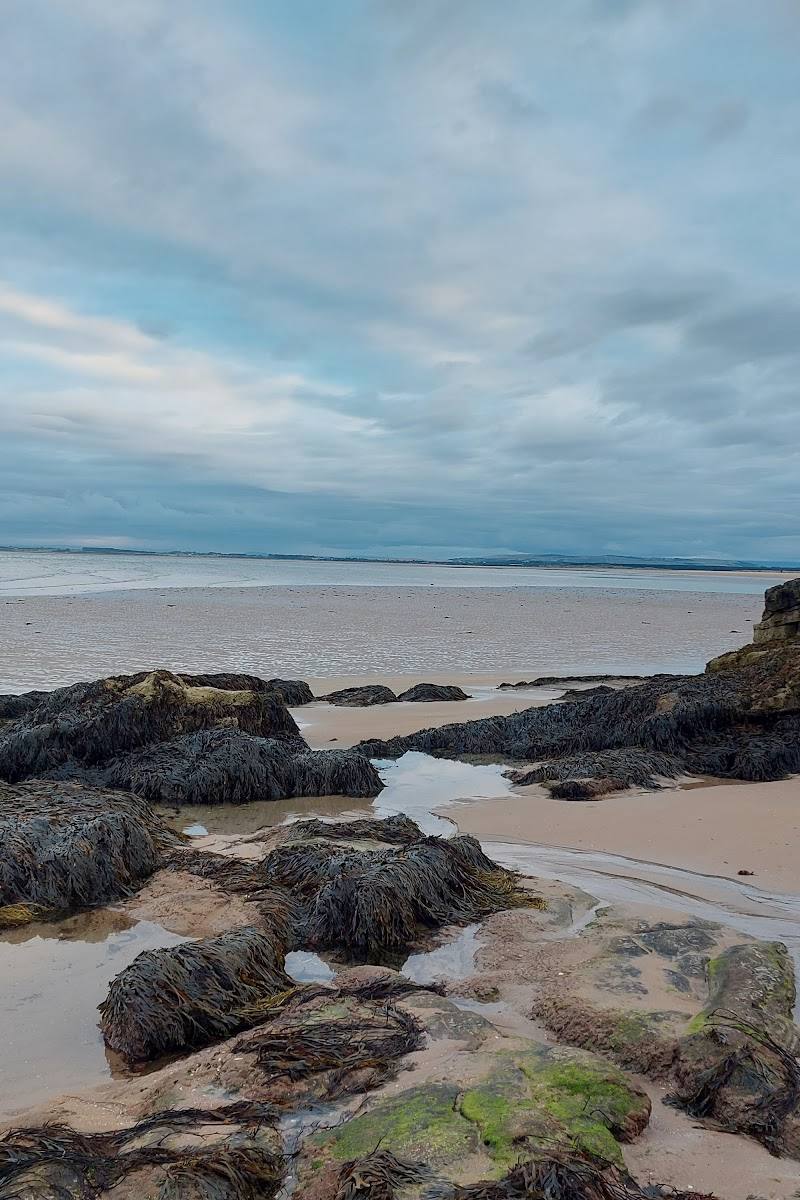
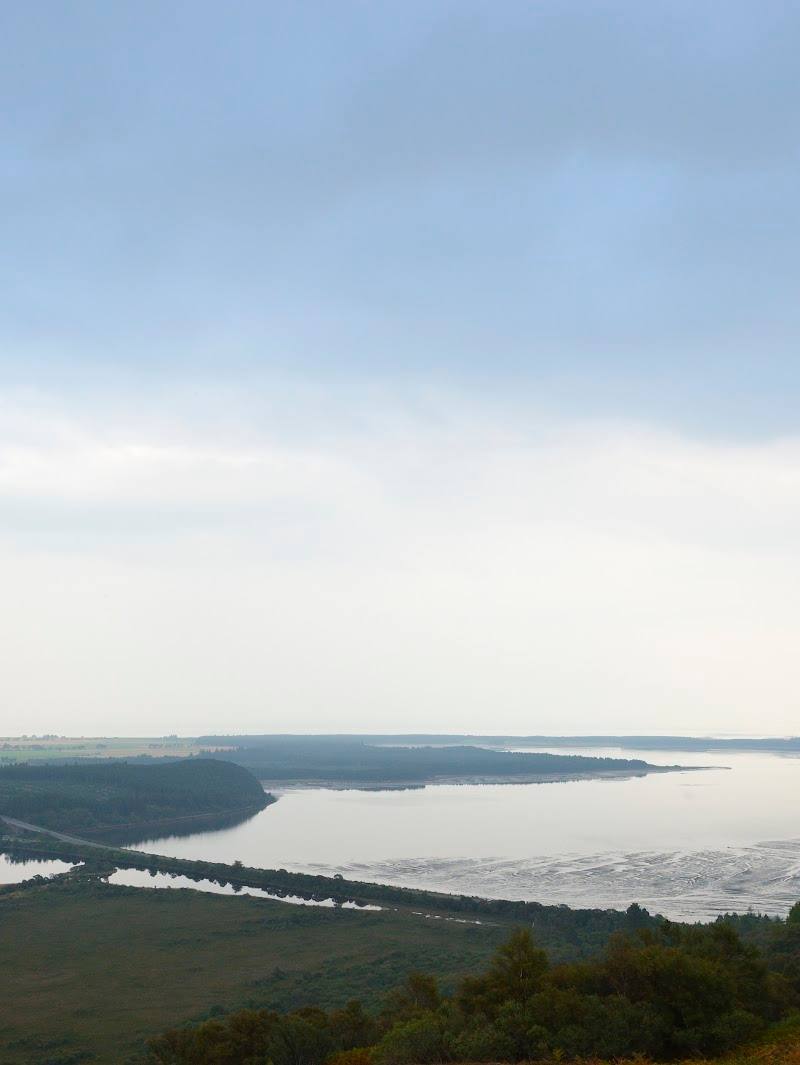
8.0A tidal Highland basin where saltmarsh, dunes and old pinewoods meet—and where the changing seasons bring ospreys, flowering dunes, seals and wintering waterfowl.
Loch Fleet earns its place for the unusual meeting of tidal-estuary scenery, dunes and old pinewoods, backed by a clear seasonal wildlife story. The reserve offers several ways to explore, from a short surfaced path at Littleferry to a walk-in hide at Balblair.
Peaceful · Wild · Big-sky
Find your way
Open mapFerry Road, Golspie, Sutherland, Scottish Highlands
Opening map…
Know this place a little better?
The experience
Start from one of the reserve’s shore-side car parks and choose a walk suited to your time. At Balblair, the wildlife hide is a 1-kilometre walk from the car park; at Littleferry, a short surfaced path leads to picnic tables. In spring and summer, look for wildflowers; in autumn and winter, watch for waterfowl. Check current conditions and access before you go.
Things to do
Walk to the north-shore wildlife hide
Reach the wildlife hide from Balblair woods by a 1-kilometre, approximately 20-minute walk. The hide overlooks the north shore of Loch Fleet.
20 minutes each way, as stated by NatureScot
Take the short surfaced path at Littleferry
From Littleferry south car park, follow the short surfaced path to two picnic tables, one of which NatureScot describes as fully accessible.
Look for seasonal wildlife and flowers
NatureScot highlights spring ospreys and dune flowers, summer pinewood flowers and seal pups, and wintering wildfowl and waders. Observe wildlife without disturbing it.
Make a day of it
Quick escape · Short visit; exact duration not stated
Quick escape: Littleferry’s surfaced path
- 01
Start at the Littleferry south car park.
- 02
Follow the short surfaced path to the picnic tables.
- 03
Continue to the dunes and beach if conditions and access allow.
Half day · Allow at least the 20-minute walk each way to the hide; total visit duration not stated
Make a half day of it: Balblair woods and the wildlife hide
- 01
Park at Balblair woods and explore the woodland trail.
- 02
Walk 1 kilometre, about 20 minutes, to the wildlife hide overlooking the loch’s north shore.
- 03
Pause to watch the estuary and wildlife, taking care not to disturb feeding birds.
Hidden details
One-flowered wintergreen in the old pinewoods — NatureScot lists one-flowered wintergreen among the delicate flowers to look for in the old pinewoods in summer.
Rare toothed fungi in autumn — NatureScot notes that toothed fungi flourish in autumn and have a strong association with old pinewoods.
When to go
· Not specified in the supplied authoritative source.
NatureScot recommends spring and summer for wildflowers, notes autumn arrivals of wintering waterfowl, and identifies winter as a good time to see winter wildfowl, seals and otters.
Check local weather and current conditions before setting out; specific weather guidance was not available in the supplied sources.
The route
- surface
- NatureScot identifies a short surfaced path at Littleferry; surfaces for other walks are not specified in the supplied authoritative source.
- start point
- The reserve has access from car parks on the north and south shores. The Balblair-to-hide walk starts at Balblair woods car park.
- parking start
- NatureScot describes car parks at Balblair woods, Littleferry and on the south shore; check current arrangements before visiting.
- shorter alternative
- The short surfaced path from Littleferry south car park is a shorter option; its exact length is not stated.
- Wildlife hide overlooking the north shore, reached by a 1-kilometre walk from Balblair woods car park
- Short surfaced path and picnic tables at Littleferry
- Seasonal wildlife and wildflowers across the reserve
What to look for
- 01
In spring, look for birds-foot trefoil and wild pansy on the dunes, and watch for ospreys over the estuary. Summer brings flowering plants in the old pinewoods and seal pups in the estuary. In autumn and winter, watch for geese and waders
- 02
NatureScot asks visitors not to disturb feeding birds.
Best time to go
Spring and summer for wildflowers; autumn and winter for arriving and wintering waterfowl. Wildlife varies by season.
Spring and summer are highlighted for wildflowers; autumn brings arriving waterfowl, and winter is a good time for winter wildfowl, seals and otters. The supplied sources do not specify a best time of day.
How long to spend
1–2 hours
Perfect for
Walkers · Wildlife lovers · Photographers · Families
Before you go
Address
Phone
Website
Listed hours
- Monday: Open 24 hours
- Tuesday: Open 24 hours
- Wednesday: Open 24 hours
- Thursday: Open 24 hours
- Friday: Open 24 hours
- Saturday: Open 24 hours
- Sunday: Open 24 hours
Check before visiting.
Practical information
Opening & access
NatureScot describes visitor access from car parks on the reserve’s north and south shores, with walks shown on information panels. Check current access and conditions before travelling.
Check before visiting
Parking
NatureScot describes car parks at Balblair, Littleferry and on the south shore. Check current parking arrangements before visiting.
Check before visiting
Toilets
Nearest public toilets are at Fountain Road car park in Golspie; NatureScot describes them as fully accessible.
Food & drink
Check before visiting.
Check before visiting
Dogs
Check before visiting.
Check before visiting
Accessibility
NatureScot identifies a short surfaced path at Littleferry with a fully accessible picnic table. It also states that the nearest public toilets, at Fountain Road car park in Golspie, are fully accessible. Check route-specific access before setting out.
Check before visiting
Cost
Check before visiting
Check before visiting
Water
Tidal loch/estuary.
Gallery
Place photographsKeep exploring
Around Loch Fleet National Nature Reserve
Within 50 km · approximate straight-line distances