7.2
Wildland
Half day
Time
Check
Cost
Remote
Feel
Why it's Wildland
7.2A remote sea loch that became a major Arctic convoy gathering point in the Second World War. Its shore still holds wartime remains and a memorial to crews lost on the Russian convoys.
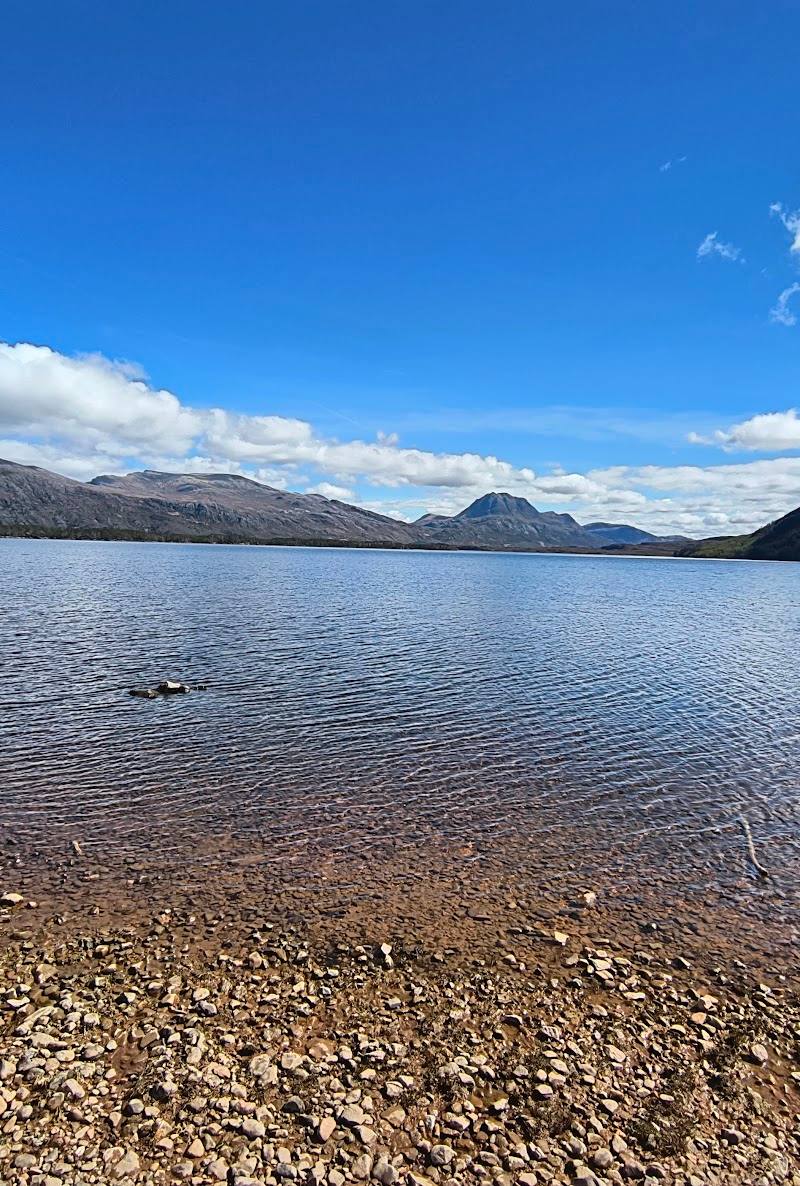
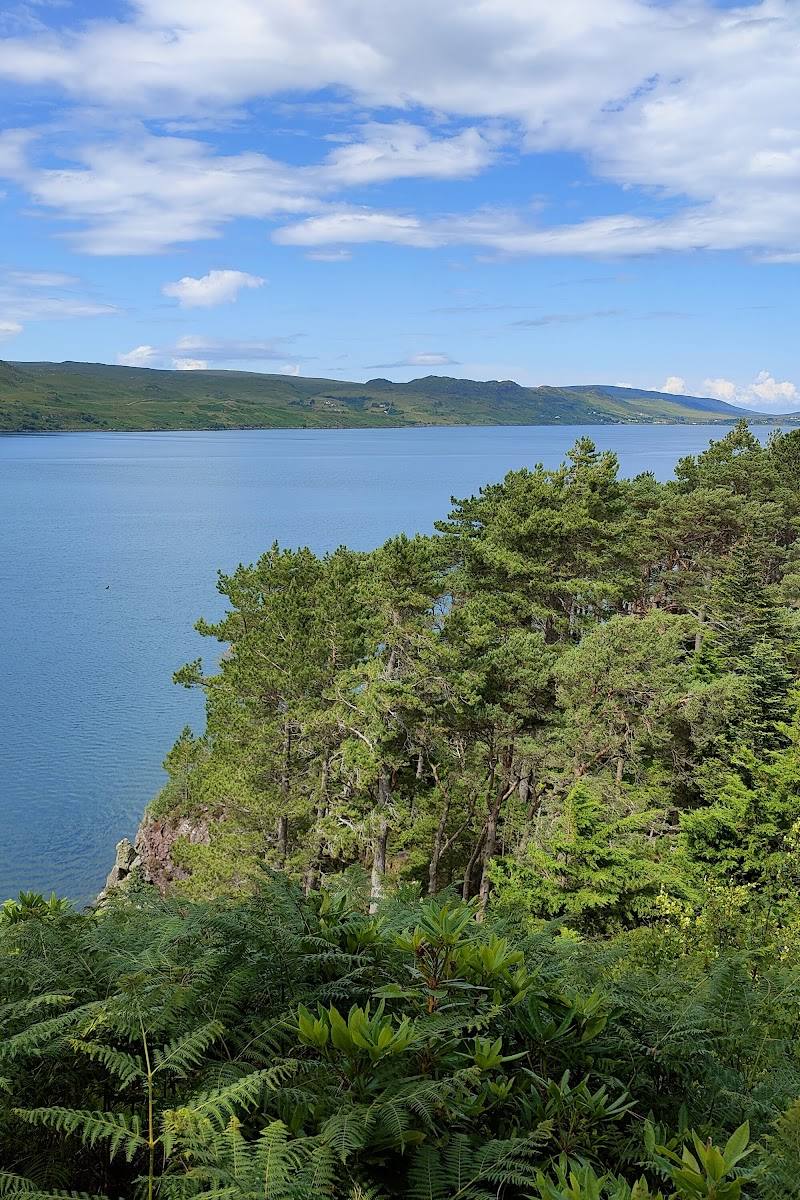
Loch Ewe joins a striking Highland coastal landscape to a substantial, visible wartime story: convoy-defence remains are scattered around the loch, and a memorial stands at Rubha nan Sasan. The quiet settlements and changing light make the journey around the shore part of the experience.
Remote · Atmospheric · Peaceful · Big-sky
Find your way
Open mapWester Ross, Highland, Scotland
Opening map…
Know this place a little better?
The experience
Explore Loch Ewe as a landscape and a wartime story. A sourced 17-mile drive follows mostly single-track roads between Cove and Mellon Charles; allow time to pause at places you can access lawfully and to visit the Arctic Convoy Museum in Aultbea.
Things to do
Drive the shore road between Cove and Mellon Charles
The supplied guide describes a 17-mile drive around the loch, mostly on single-track roads. Treat it as a scenic journey rather than a defined walking route, and stop only where it is safe and permitted.
Not specified by the source
Explore the Arctic convoy story
Visit the Arctic Convoy Museum in Aultbea; check current opening information before making it part of your plans.
Look for wartime defence remains
The supplied guide reports gun emplacements and remains of other small wartime buildings around the loch. Their exact locations and access conditions are not established here.
Find the Russian Convoy memorial
A memorial to crews lost on the Russian convoys is reported at Rubha nan Sasan. Check access and local conditions before setting out.
Make a day of it
Quick escape · Allow 1–2 hours; this is an editorial estimate, not a sourced visit duration.
Quick Escape: take in the loch and its wartime story
- 01
Choose an accessible stopping point around Loch Ewe and take in the sea-loch setting.
- 02
If access permits, seek out a wartime defence remain or the convoy memorial at Rubha nan Sasan.
- 03
Check local signs and access conditions before leaving the road or approaching shore sites.
Half day · Half day; allow additional time for stops and check the museum’s current opening arrangements.
Make a Half Day of It: drive the loch and visit the convoy museum
- 01
Follow the described 17-mile drive between Cove and Mellon Charles, taking care on the mostly single-track roads.
- 02
Pause at places where stopping and access are permitted; look for wartime remains along the loch.
- 03
Add a visit to the Arctic Convoy Museum in Aultbea, checking its current opening information before travelling.
Verified history
During the Second World War, Loch Ewe served as a gathering point for Arctic convoys carrying vital supplies to Murmansk and Archangel. The supplied guide reports that 19 convoys departed with 481 merchant ships and more than 100 naval vessels. Defences included anti-aircraft guns, a boom net and mine defences. Wartime remains are reported around the loch, with a memorial to crews lost on the Russian convoys at Rubha nan Sasan.
Hidden details
Wartime traces around the shore — The supplied guide reports ruined gun emplacements and remains of other small wartime buildings scattered around the loch. It does not provide a complete site list or confirm access to individual remains.
An inhabited island in the loch — The same guide describes the Isle of Ewe as inhabited and says the crossing to Aultbea is by boat. This does not establish visitor access or a public boat service.
When to go
· Not established by the supplied sources; check weather and road conditions.
The supplied sources do not give reliable seasonal guidance for visiting Loch Ewe.
Check the forecast and road conditions before travelling. The route described is mostly single-track; the supplied sources do not provide specific weather or seasonal access advice.
Worth pairing with
Arctic Convoy Museum, Aultbea
A strong historical pairing for understanding Loch Ewe’s role in the Arctic convoys. Check current opening information before visiting.
Aultbea and Poolewe
The supplied local guide lists village food and hospitality options in Aultbea and Poolewe. Check current opening hours and winter closures.
Firemore Beach
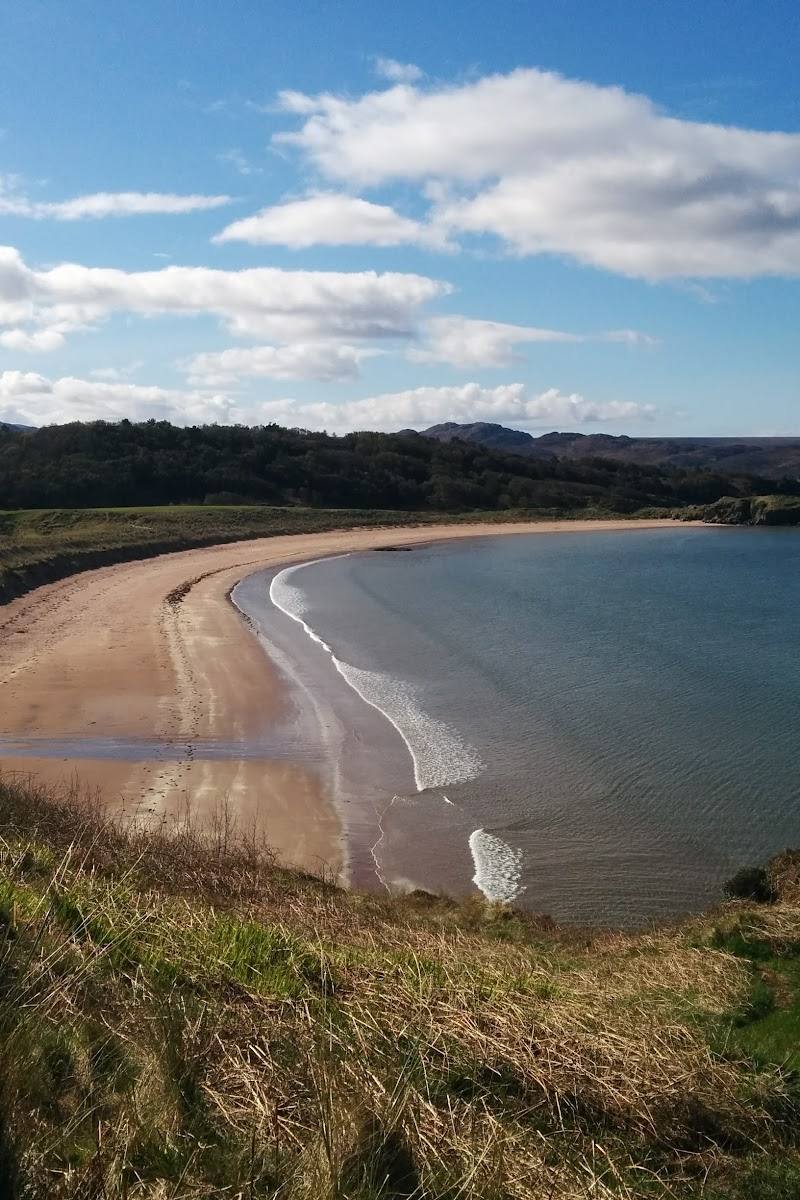
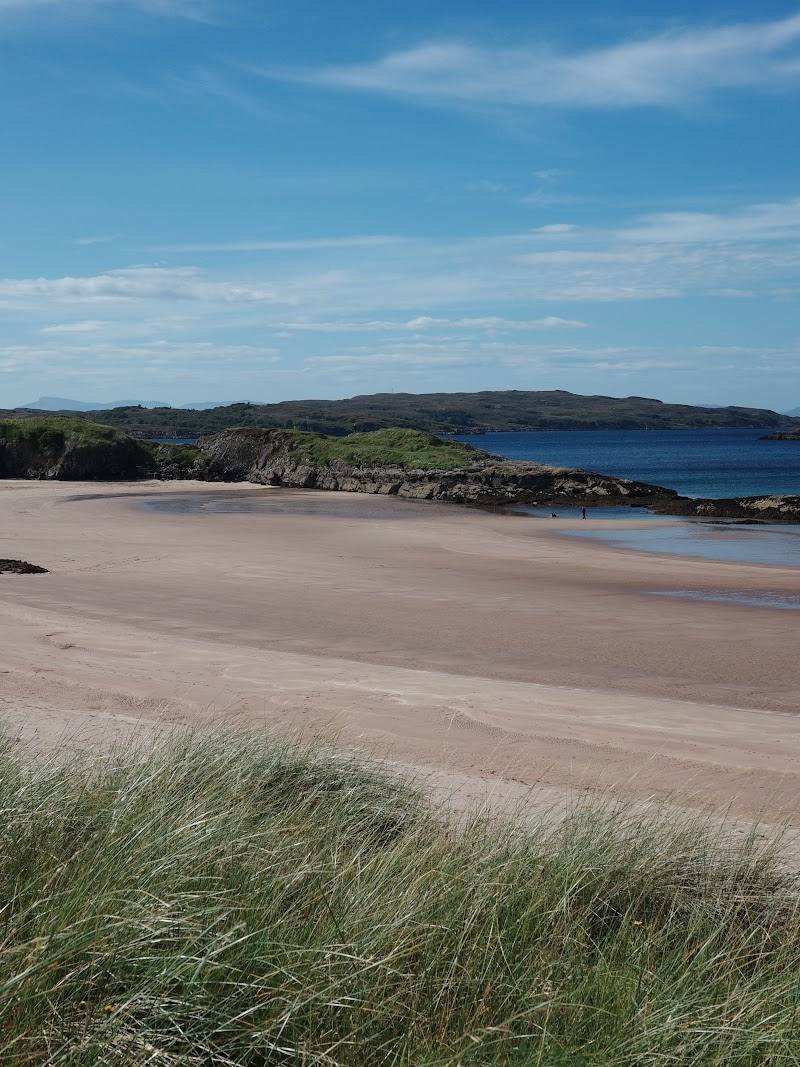
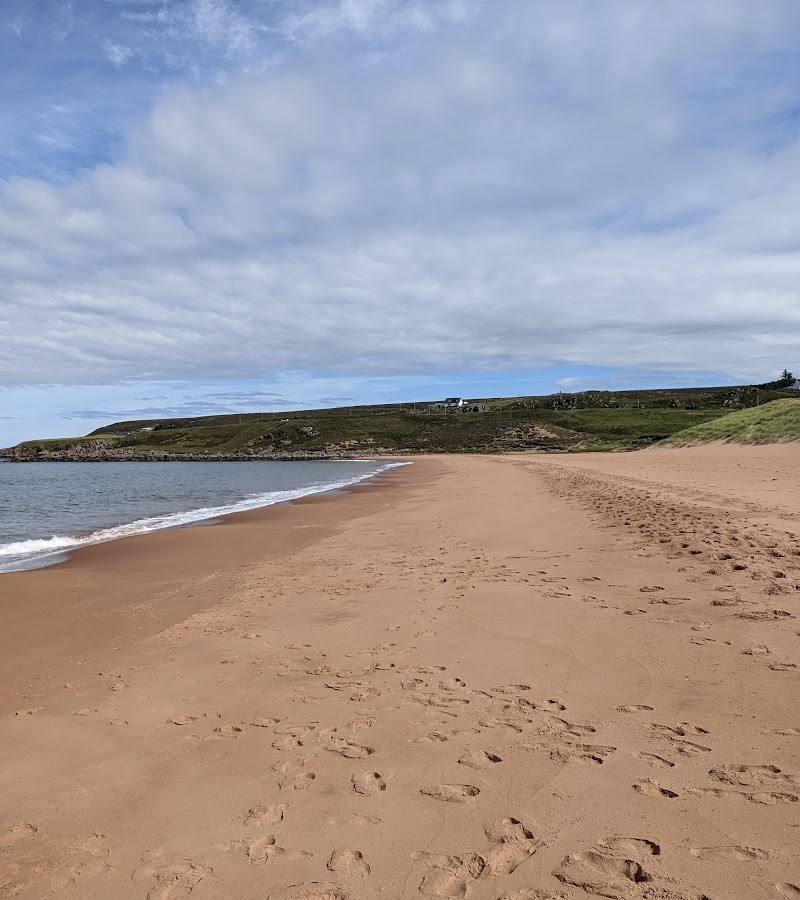
The supplied guide describes this as a sandy beach near Cove and mentions it as a place for walking. Confirm access and conditions locally.
What to look for
- 01
Look for the remains of wartime gun emplacements and other small defence buildings around the loch, and the Russian Convoy memorial at Rubha nan Sasan. The sources also identify the inhabited Isle of Ewe
- 02
do not assume public access to the island.
The story
Second World War; Arctic convoys; wartime coastal defences
Best time to go
Check local conditions before travelling; the supplied sources do not establish a particular best season.
The supplied sources do not identify a best time of day or season. Check weather, road conditions and local opening information before setting out.
How long to spend
Half day
Perfect for
History lovers · Photographers · Walkers
Before you go
Google rating
Practical information
Opening & access
The supplied sources describe a public-road drive around the loch. Access to individual shores, memorials and wartime remains may vary; check locally and respect signs and private property.
Check before visiting
Parking
Check before visiting; parking information is not established by the supplied sources.
Check before visiting
Toilets
Check before visiting
Check before visiting
Food & drink
A supplied local guide describes food and hospitality in Aultbea and Poolewe; check current opening hours and winter closures.
Check before visiting
Dogs
Check before visiting
Check before visiting
Accessibility
Check before visiting. The supplied sources describe mostly single-track roads around the loch but do not establish accessible paths or facilities.
Check before visiting
Cost
Check before visiting
Check before visiting
Water
Sea loch
Gallery
Place photographs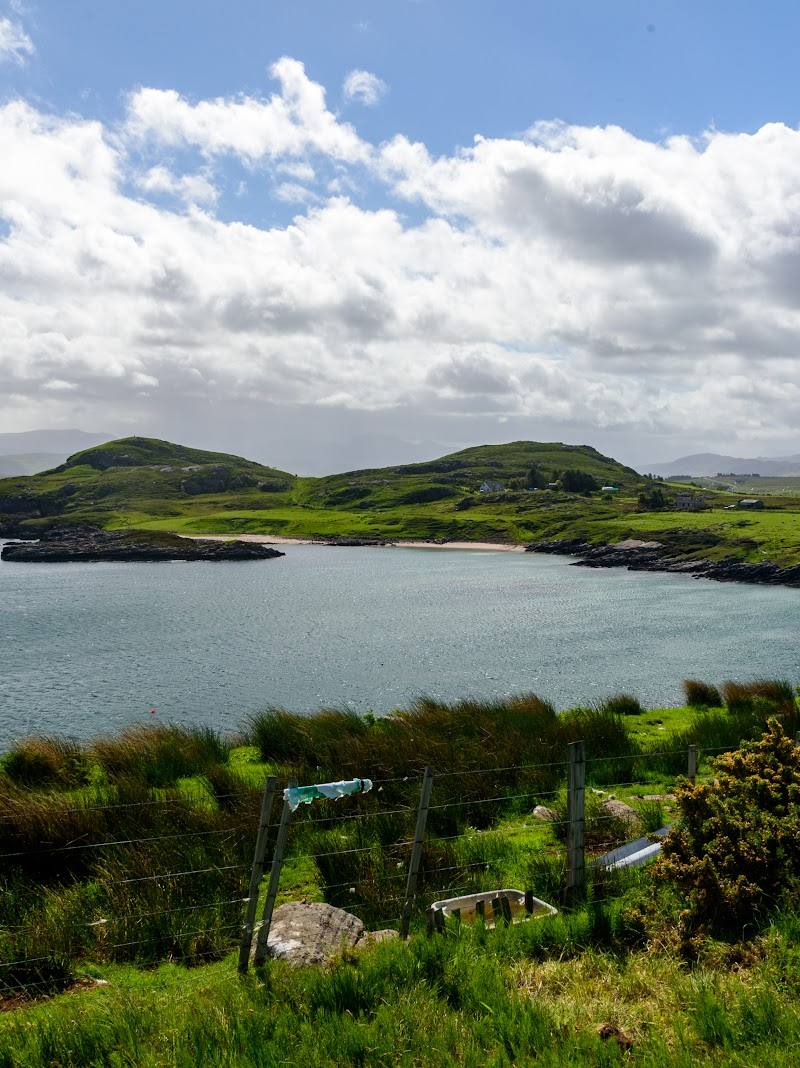
Keep exploring
Around Loch Ewe
Within 50 km · approximate straight-line distances