Great Doward, near Ross-on-Wye, Herefordshire HR9 6DU
King Arthur’s Cave
Cave
Place photograph
6.8
Wildland
1–2 hours
Time
Free
Cost
Atmospheric
Feel
Why it's Wildland
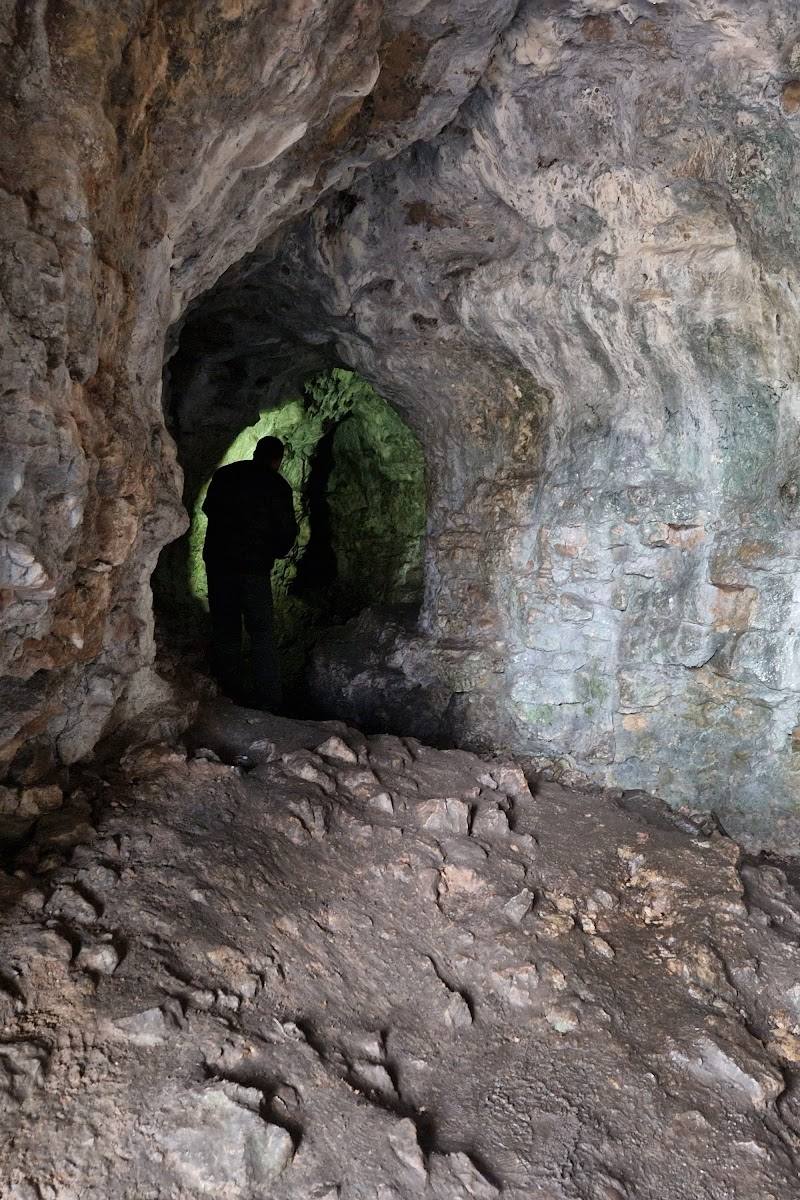
6.8A limestone cave beneath the wooded Doward, reached by a footpath through a landscape marked by old quarry workings. Its Arthurian name is surrounded by local speculation, but the origins of the connection are uncertain.
The cave is more than a name on a map: the approach passes through a small reserve where woodland, quarry traces and the limestone rock face meet. The combination of a tangible geological feature and an unresolved local story makes this a distinctive short visit, though the rough, unsurfaced access calls for care.
Atmospheric · Ancient-feeling · Wild
Find your way
Open mapGreat Doward, near Ross-on-Wye, Herefordshire HR9 6DU
Opening map…
Know this place a little better?
The experience
Allow time for the short approach through the reserve and a careful look at the cave and rock face. The ground is unsurfaced, so wear suitable footwear and check current access information before setting out.
Things to do
Walk the reserve footpath to the cave
Follow the unsurfaced public footpath through the reserve to the former limestone quarry and the natural rock face at King Arthur’s Cave.
Check before visiting
Look for traces of quarrying
Observe the hollows and mounds along the path, described by Visit Herefordshire as evidence of centuries-old limestone quarrying.
Notice the reserve’s woodland plants and rock ferns
Herefordshire Wildlife Trust lists woodland plants, orchids, and shade-loving ferns among the reserve’s botanical interest.
Make a day of it
Quick escape · Allow 1–2 hours
Quick escape: follow the path to the cave
- 01
Start from the small pull-in at the top of the reserve, if a space is available.
- 02
Follow the public footpath through the reserve towards the former limestone quarry.
- 03
Reach the rock face and King Arthur’s Cave, then return the same way.
Half day · Half day; check route conditions and allow extra time for the terrain
Make a half day of it: cave and woodland paths
- 01
Visit the cave via the reserve’s public footpath.
- 02
If you want a longer walk, continue on the main track into Lord’s Wood and connect with local footpaths; check a current map before choosing a route.
- 03
Return by your chosen path and allow time to notice the quarry hollows, woodland plants and rock exposures.
Verified history
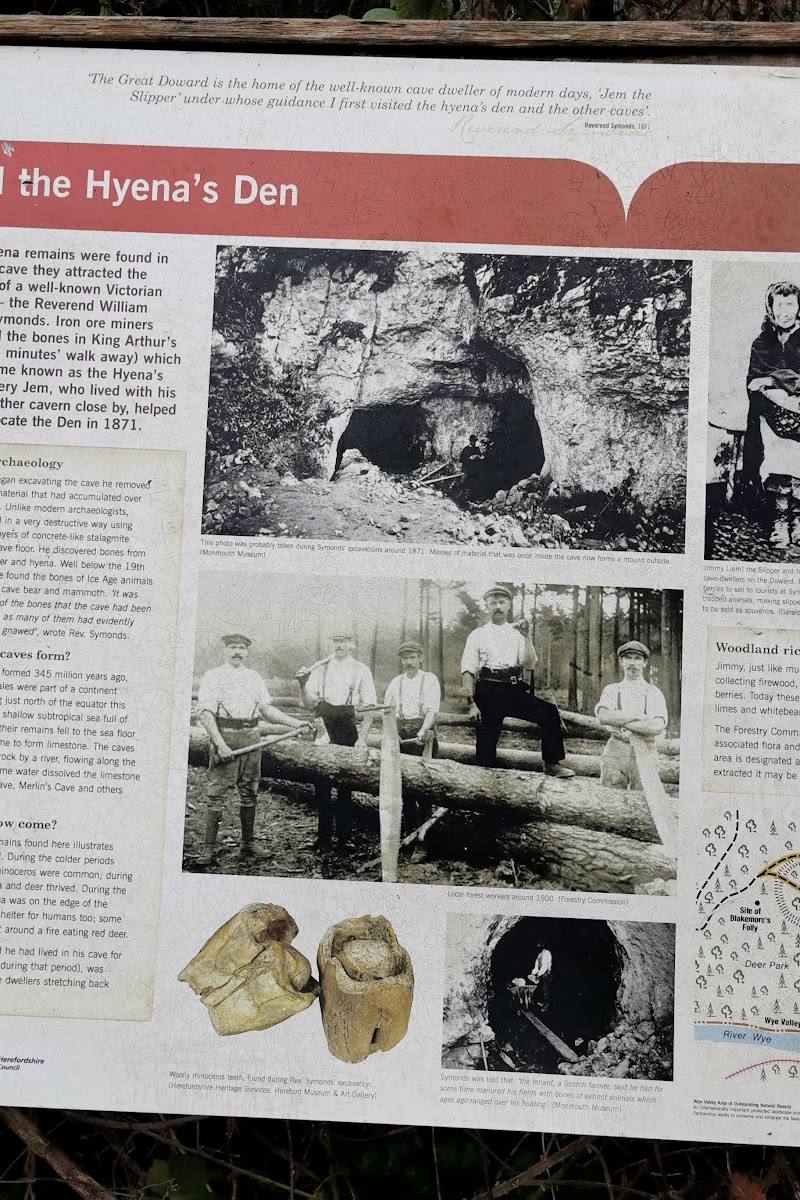
The reserve lies on land shaped by quarrying. Herefordshire Wildlife Trust records a cottage on the eastern side of the track in 1847 and says that part of the site later became an industrial area in the mid-20th century before becoming colonised by willow and birch. Visit Herefordshire describes hollows and mounds along the path as traces of centuries-old limestone quarrying. The supplied Tripadvisor excerpt reports that cave excavations recovered Upper Palaeolithic flint tools and Pleistocene animal bones; this detail is reported there, rather than confirmed in the supplied reserve account.
Folklore & legend
The cave’s link with King Arthur is uncertain. Visit Herefordshire says the origin of the name is unclear and notes local suggestions connecting it with the story of King Vortigern or with “Deu Arth”, an old Welsh name associated with the hill fort at Little Doward. These are presented as explanations and local speculation, not established history.
Hidden details
A landscape with two different pasts — Herefordshire Wildlife Trust distinguishes the ancient woodland northwest of the track from the eastern area, where a cottage stood in 1847 and an industrial site developed in the mid-20th century.
Small cave-dwelling wildlife — The reserve provides refuge for horseshoe bats and special invertebrates, including the cave spider and hibernating herald moths. Observe quietly and do not enter or disturb wildlife.
When to go
· Daylight hours; the reserve is listed as open from dawn to dusk.
Herefordshire Wildlife Trust lists the reserve as suitable to visit all year round. No specific peak season is identified in the supplied sources.
The paths are unsurfaced and the cave approach includes uneven terrain. Check conditions before visiting and wear suitable footwear.
Worth pairing with
Wye Valley Walk and Lord’s Wood paths
The reserve’s main track continues into Lord’s Wood and links with the Wye Valley Walk and other local footpaths. Check a current map and route conditions before extending your walk.
What to look for
- 01
Notice the hollows and mounds left by quarrying, the limestone rock face at the cave, and the contrast between the ancient woodland strip and land that was later used industrially. The reserve also supports horseshoe bats and cave-associated invertebrates
- 02
do not disturb wildlife.
The story
Limestone quarrying; local Arthurian legend
Best time to go
All year round, according to Herefordshire Wildlife Trust. Choose dry conditions if possible because the unsurfaced path may be uneven.
The reserve is listed as open from dawn to dusk. A dry, bright visit should make the uneven path and cave approach easier to assess.
How long to spend
1–2 hours
Perfect for
Walkers · Families · History lovers
Before you go
Practical information
Opening & access
Herefordshire Wildlife Trust describes access via a public footpath, open from dawn to dusk. The route to the cave is unsurfaced and there is no wheelchair access.
Parking
Herefordshire Wildlife Trust reports a small pull-in at the top of the reserve, with space for three or four cars.
Toilets
Check before visiting
Check before visiting
Food & drink
Check before visiting
Check before visiting
Dogs
Dogs on a lead, according to Herefordshire Wildlife Trust.
Accessibility
No surfaced paths and no wheelchair access at the reserve. The approach is by an unsurfaced footpath.
Cost
Free
Gallery
Place photographs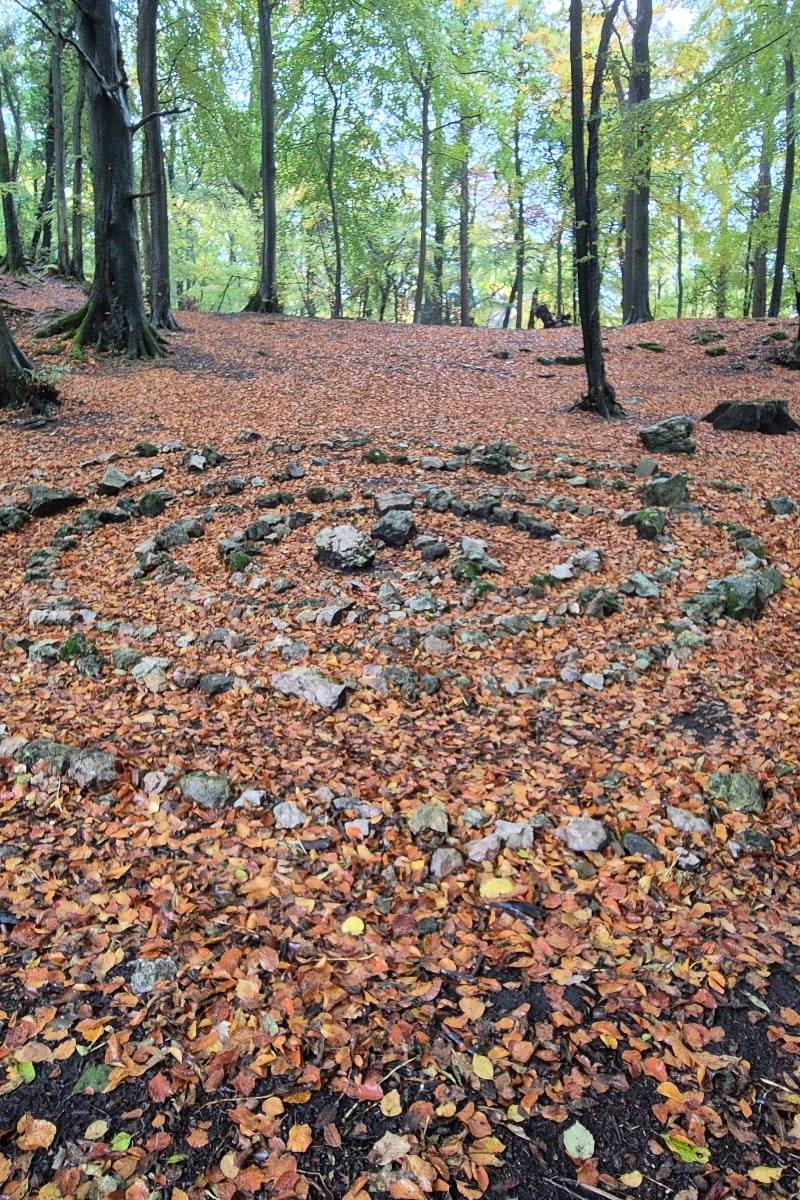
Keep exploring
Around King Arthur’s Cave
Within 50 km · approximate straight-line distances