Harborne, Birmingham, West Midlands
Harborne Nature Reserve
Mixed-habitat reserve
Place photograph
4.7
Wildland
Under 1 hour
Time
Check
Cost
Peaceful
Feel
Why it's Wildland
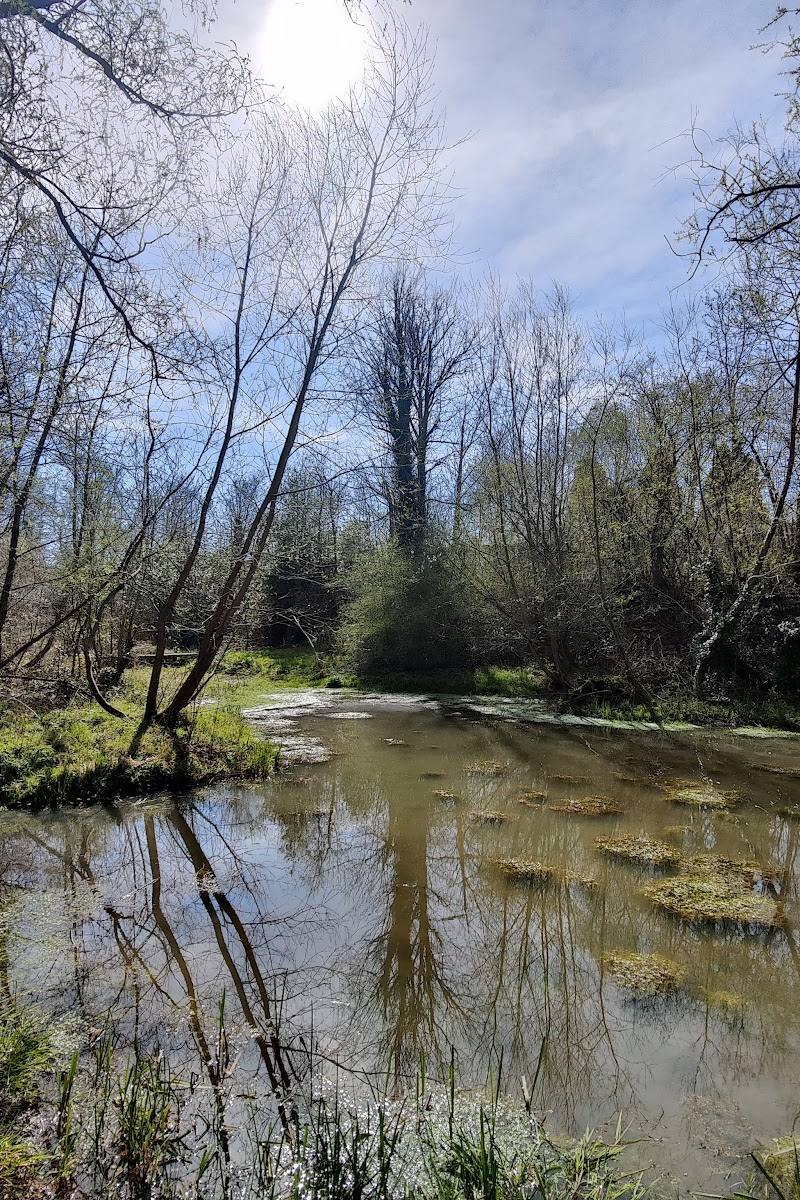
4.7A small, varied green space tucked into Birmingham’s urban fabric, where a brook valley, developing native woodland, a wetland corner and working allotments create habitat for a surprising range of birds.
Harborne is a modest reserve rather than a wilderness, but its brook valley, woodland, wetland and allotments offer a compact patchwork of habitats on Birmingham’s edge. Its birdlife is the draw; access is limited to Bird Club members, so it is not an unrestricted public walk.
Peaceful
Find your way
Open mapHarborne, Birmingham, West Midlands
Opening map…
Know this place a little better?
The experience
A short, quiet nature visit focused on the reserve’s habitats and birdlife. Entry is restricted to West Midland Bird Club members; no individual day permits are available.
Things to do
Watch the Chad Brook
Scan the watercourse for Grey Wagtails, which the reserve’s managing bird club reports regularly along the brook.
10–20 minutes
Listen for woodland birds
Listen for Great Spotted Woodpeckers drumming in spring, and look for Nuthatches, Song Thrushes and Goldcrests among the reserve’s habitats.
15–30 minutes
Notice the habitat changes
Look for the developing native woodland, grassy hillside, small wetland and allotments that make up this compact urban reserve.
15–30 minutes
Make a day of it
Quick escape · Under 1 hour
A short bird-and-habitat visit
- 01
Enter Harborne Walkway from Gillhurst Road, opposite Euan Close.
- 02
Follow the walkway south for about 400 metres.
- 03
Take the path on the right downhill into the Chad Brook valley and use the reserve entrance only if you have the required current membership access.
- 04
Pause by the brook and scan the woodland, wetland and allotment edges for birds.
Half day · About 1–2 hours; route duration and distance vary
Harborne Walkway and the reserve approach
- 01
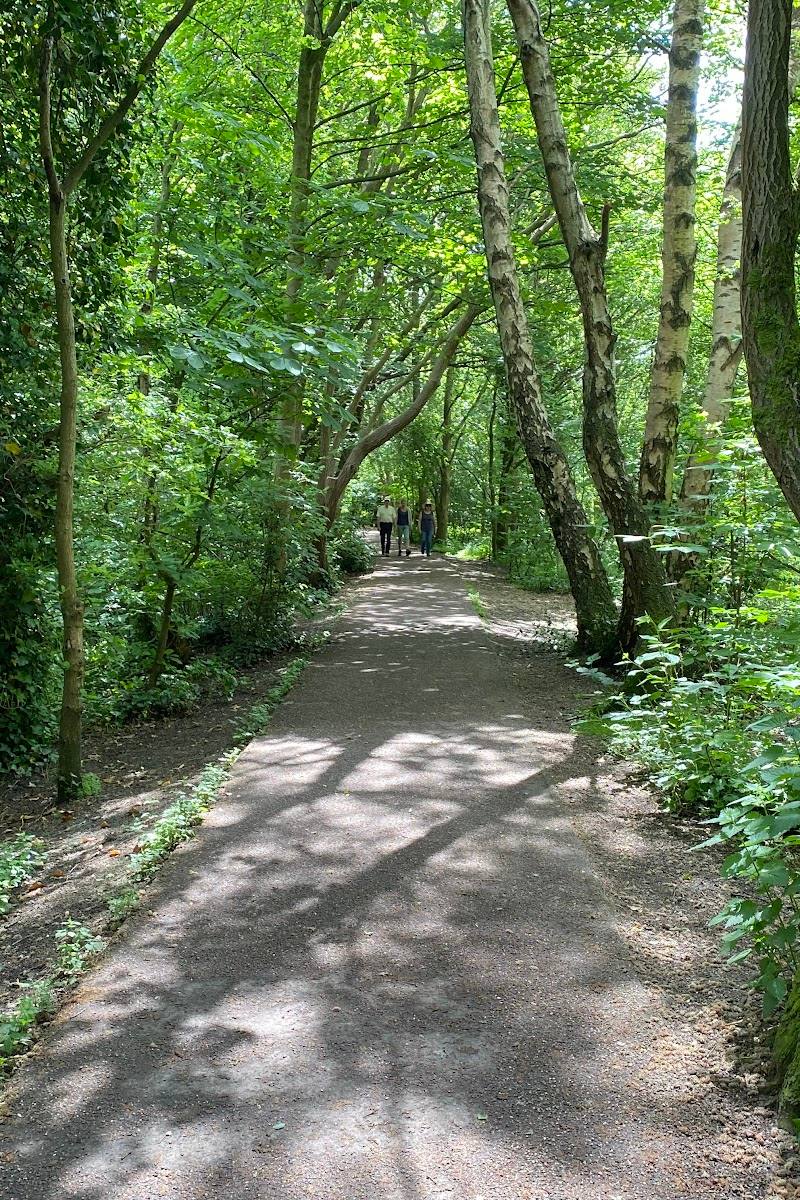
Walk a section of Harborne Walkway, a former railway route with a well-surfaced path.
- 02
Continue to the signed reserve approach from Gillhurst Road.
- 03
If eligible for reserve access, explore its brook valley, woodland, wetland and allotment-edge habitats.
- 04
Return along the walkway; do not enter the reserve without the required access.
Verified history
The nearby Harborne Walkway follows a former railway line. The supplied sources do not verify a detailed history of the reserve itself.
Hidden details
A small reserve with several habitats — Despite its modest four-hectare area, the reserve combines developing native woodland, a grassy hillside, a brook valley, conifer plantation, wetland and working allotments.
Listen for the Green Woodpecker’s call — The bird club notes that Green Woodpeckers can be heard by their distinctive “yaffle” call.
When to go
March · April · May · June · July · December · January · February · A quiet morning is a sensible choice for watching and listening for birds; a specific peak time is not confirmed.
Spring and summer bring breeding warblers and other songbirds, and spring is a good time to listen for woodpecker drumming. In colder months, finch flocks and Grey Wagtails are among the birdlife noted by the managing club.
Check the forecast and expect potentially uneven or sloping ground on the route into the brook valley. Path conditions are not fully confirmed.
Worth pairing with
Harborne Walkway
A 1.5-mile linear walking and cycling path following a former railway line; it provides the on-foot approach to the reserve. Check reserve entry requirements separately.
What to look for
Listen for Great Spotted Woodpeckers drumming in spring and the Green Woodpecker’s familiar call. Scan the Chad Brook for Grey Wagtails, and look for Nuthatches, Song Thrushes and Goldcrests among the reserve’s varied habitats.
The story
None verified
Best time to go
Spring and summer for breeding songbirds; winter for finch flocks and Grey Wagtails along the brook.
Visit in spring or summer to listen for breeding warblers and other songbirds. In winter, look along the brook for Grey Wagtails and watch for finch flocks around the alder-lined watercourse.
How long to spend
Under 1 hour
Perfect for
Birdwatchers · Photographers · History lovers
Practical information
Opening & access
Access to the reserve is restricted to West Midland Bird Club members; individual day permits are not available. Entry is on foot via Harborne Walkway, from Gillhurst Road opposite Euan Close. Check current membership and gate-code requirements before visiting.
Check before visiting
Parking
The reserve is only accessible on foot. Check before visiting for parking options near the Harborne Walkway entrance.
Check before visiting
Toilets
Check before visiting
Check before visiting
Food & drink
Check before visiting
Check before visiting
Dogs
No dogs allowed on the reserve.
Accessibility
Access is on foot from Harborne Walkway, including a path leading downhill into the Chad Brook valley. Path conditions and step-free access are not confirmed; check before visiting.
Check before visiting
Cost
Check before visiting
Check before visiting
Water
Stream
Gallery
Place photographsKeep exploring
Around Harborne Nature Reserve
Within 50 km · approximate straight-line distances