Broad Lane, Parkgate, near Dorking, Surrey RH5 5AS
Hammonds Copse
Ancient woodland
Source image
6.3
Wildland
1–2 hours
Time
Check
Cost
Peaceful
Feel
Why it's Wildland
6.3A 29.64-hectare woodland in the Weald of Surrey, where hazel coppice, fallen oak and spring flowers give the walk its character.
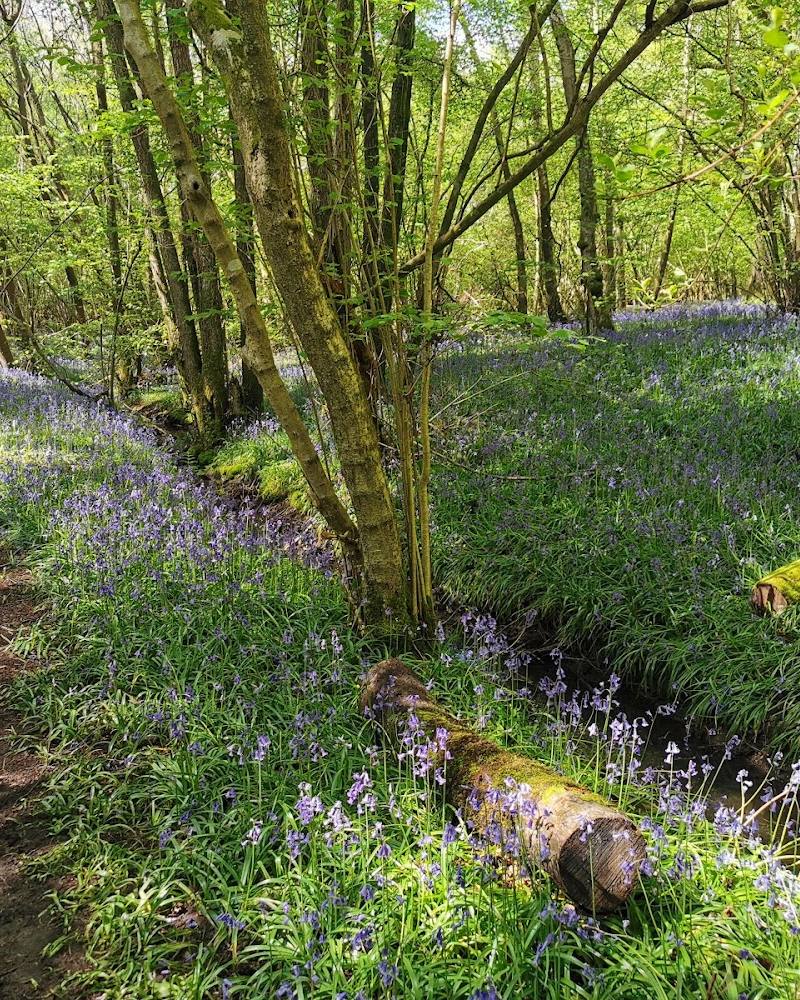
Hammonds Copse has more to offer than a simple woodland stroll: the Woodland Trust describes it as ancient woodland and points visitors towards developing hazel coppice, fallen trees and a spring flower display. It merits a place for its changing woodland detail, though practical visit information should be checked before setting out.
Peaceful · Ancient-feeling
Find your way
Open mapBroad Lane, Parkgate, near Dorking, Surrey RH5 5AS
Opening map…
Know this place a little better?
The experience
Follow the waymarked walk and look out for changes in the woodland: coppice, fallen timber and spring flowers. The Woodland Trust suggests an early morning spring visit for the dawn chorus and bluebells. Check route and access details before setting out.
Things to do
Follow the waymarked walk
Explore the wood on the waymarked walk listed by the Woodland Trust. The supplied evidence does not give its length or route detail, so check current information before setting out.
Notice the hazel coppice
Look for the hazel coppice coupe and how it develops over time.
Look for spring flowers
Visit in spring for woodland-floor flowers; the Woodland Trust specifically mentions bluebells and wood anemones.
Explore the fallen timber
Look for fallen trees that provide a home to woodland species.
Make a day of it
Quick escape · 1–2 hours
Quick woodland wander
- 01
Use the Woodland Trust’s waymarked walk; confirm the current route and access before travelling.
- 02
Pause to notice the hazel coppice and fallen trees.
- 03
In spring, look for woodland flowers and listen for the dawn chorus.
Hidden details
A changing coppice — The Woodland Trust invites visitors to watch the hazel coppice coupe develop—a feature easy to overlook if you focus only on the walk.
Life in fallen trees — Fallen trees are identified by the Woodland Trust as habitat for woodland species; look closely at the deadwood rather than treating it simply as a fallen obstacle.
When to go
April · May · Early morning in spring
The Woodland Trust recommends an early spring morning for the dawn chorus and bluebells. It also notes autumn russet and copper tones; exact peak weeks are not specified.
No specific weather or ground-condition information is supplied. Check conditions and route details before visiting.
What to look for
Look for the developing hazel coppice, fallen oak and its associated deadwood habitat, and spring flowers including bluebells and wood anemones. Sparrowhawks may be present, but sightings are not guaranteed.
Best time to go
Spring for woodland flowers; autumn for russet and copper tones.
Spring, preferably early morning, for woodland flowers and the dawn chorus. Autumn brings russet and copper tones.
How long to spend
1–2 hours
Perfect for
Walkers · Wildlife lovers · Photographers
Before you go
Address
Listed hours
- Monday: Open 24 hours
- Tuesday: Open 24 hours
- Wednesday: Open 24 hours
- Thursday: Open 24 hours
- Friday: Open 24 hours
- Saturday: Open 24 hours
- Sunday: Open 24 hours
Check before visiting.
Google rating
Practical information
Opening & access
The Woodland Trust lists public access and a waymarked walk. Check current access and route conditions before visiting.
Check before visiting
Parking
The Woodland Trust lists parking at the site. Exact location and availability: Check before visiting.
Check before visiting
Toilets
Check before visiting
Check before visiting
Food & drink
Check before visiting
Check before visiting
Dogs
Check before visiting
Check before visiting
Accessibility
Path surface, gradients and accessibility details are not established by the supplied evidence. Check before visiting.
Check before visiting
Cost
Check before visiting
Check before visiting
Gallery
Place photographsKeep exploring
Around Hammonds Copse
Within 50 km · approximate straight-line distances
 Place photograph6.0
Gatwick Aviation Museum
Lowfield Heath Road, Charlwood, Gatwick RH6 0BT
5.2 km away
 Place photograph5.3
Betchworth Castle
Castle Gardens, Brockham, near Dorking, Surrey RH4 1NY
6.0 km away