Bollo Lane, Chiswick, London W4 5LN
Gunnersbury Triangle
Mixed-habitat reserve
Source image
7.2
Wildland
1–2 hours
Time
Check
Cost
Peaceful
Feel
Why it's Wildland
7.2A three-hectare pocket of wet woodland, ponds and other habitats, enclosed by railway lines and saved from development in the early 1980s.
Gunnersbury Triangle earns its place for the contrast: a compact wildlife reserve tucked into busy west London, where wooded paths, ponds and wetland habitat sit between railway lines. It is a worthwhile short nature break, rather than a destination for a full day by itself.
Peaceful · Atmospheric · Wild
Find your way
Open mapBollo Lane, Chiswick, London W4 5LN
Opening map…
Know this place a little better?
The experience
Follow the paths and boardwalks through the reserve’s wooded and waterside habitats. It is best approached as a short, close-looking nature visit, not a long hike.
Things to do
Explore the wet woodland paths
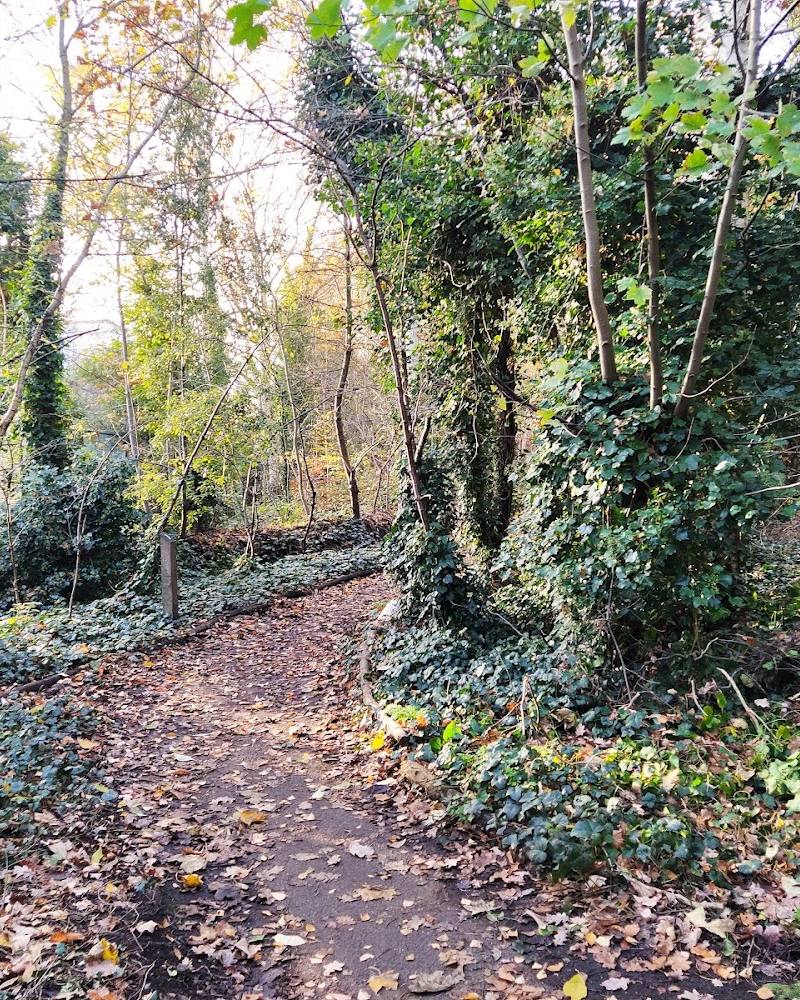
Follow the natural-surface footpaths through this compact wet woodland reserve, noticing how the wooded setting sits within the surrounding city and railway lines.
20–45 minutes
Pause at the pond-side boardwalk
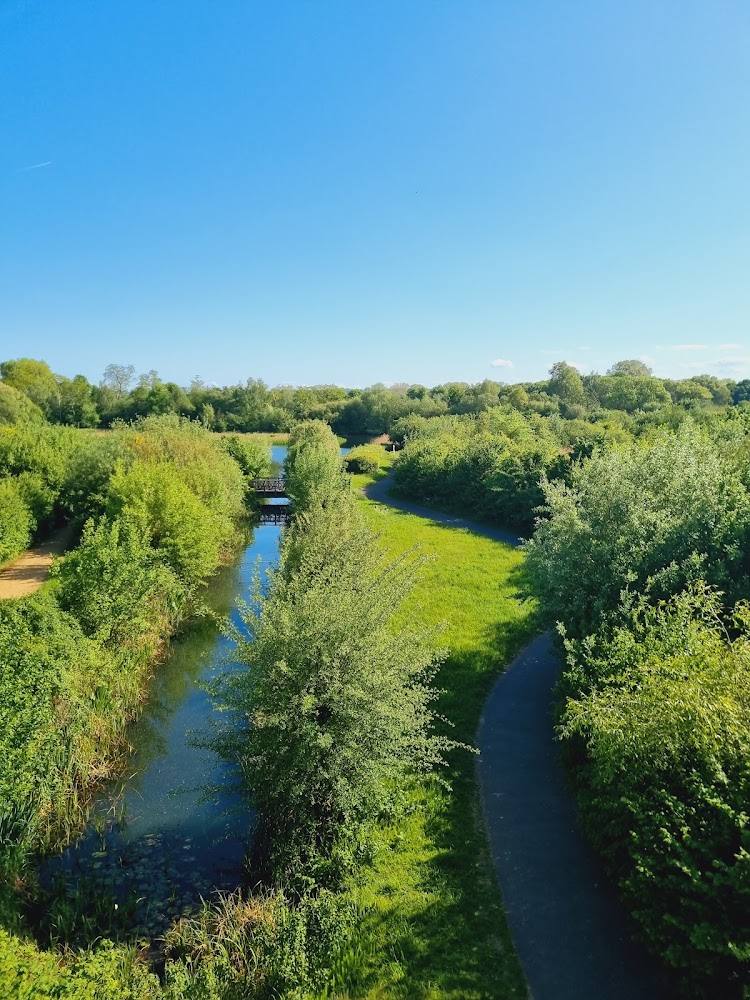
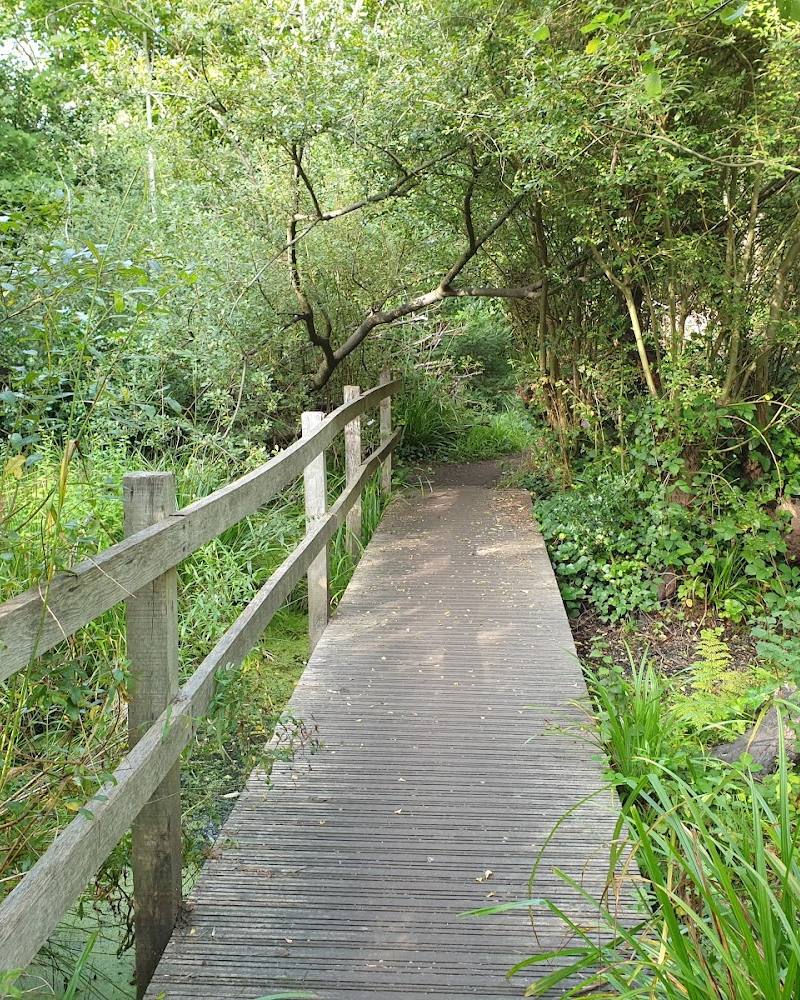
Take time to look across the pond from the decked walkway. London Wildlife Trust’s reserve page identifies ponds as part of the site and shows a pond beside a boardwalk.
10–20 minutes
Look closely for small wildlife
Go slowly and watch for butterflies, fungi and insects—the wildlife interests highlighted by London Wildlife Trust. Sightings are not guaranteed.
15–30 minutes
Make a day of it
Quick escape · Around 30–60 minutes; allow longer to pause and look for wildlife.
A short woodland-and-pond escape
- 01
Enter from Bollo Lane, opposite Chiswick Park Station.
- 02
Follow the paths and decked walkways through the wooded and pond-side parts of the reserve.
- 03
Pause to look for butterflies, fungi and insects, which London Wildlife Trust identifies as reserve interests.
- 04
Return to the entrance; check current access information before setting out.
Half day · About 1–2 hours
Take a slower look around the reserve
- 01
Arrive by Chiswick Park Station or a nearby bus stop; the reserve entrance is across the road from the station.
- 02
Explore the wooded paths and anti-slip decked walkways, taking time to notice the change between habitats.
- 03
Spend a quiet stop by the pond-side boardwalk and look for wildlife without disturbing it.
- 04
Check London Wildlife Trust’s current information for access and any activities before travelling.
Verified history
London Wildlife Trust says the reserve was saved from development in the early 1980s and later enhanced with ponds and acid grassland areas. A supplied video describes a 1983 public inquiry and the reserve opening to the public in 1985; those specific dates are not independently corroborated by the official reserve-page excerpt supplied here.
Hidden details
A green pocket framed by railway lines — Look back towards the railway edges: London Wildlife Trust describes the reserve as framed by intersecting railway lines, a striking urban contrast to its wooded interior.
A small reserve with several habitats — The official page describes a three-hectare reserve with wet woodland, ponds and acid grassland areas. Look for the change in habitat as you move between paths and boardwalks.
When to go
April · May · June · July · August · September · October · November · No specific time of day is recommended in the supplied official source. Check current access information before visiting.
London Wildlife Trust lists April to November as the best time to visit. Its official page features spring bluebells and identifies butterflies, fungi and insect spotting as wildlife interests.
Paths include natural surfaces; terrain can be uneven. Check conditions and current access information before visiting.
What to look for
- 01
Look for the contrast between wooded paths, pond-side boardwalks and the surrounding railway infrastructure. London Wildlife Trust also highlights butterflies, fungi and insect spotting
- 02
the reserve’s official page includes an image of spring bluebells.
The story
Conservation; development pressure and community action
Best time to go
April–November, according to London Wildlife Trust; spring brings bluebells, while the reserve’s habitats offer reasons to look closely at other times too.
London Wildlife Trust recommends April to November. Spring is a good time to look for the bluebells shown in its reserve images; allow time to notice the varied habitats rather than rushing through.
How long to spend
1–2 hours
Perfect for
Solo · Couples · Families · Walkers · Wildlife lovers · Photographers
Before you go
Address
Phone
Website
Listed hours
- Monday: Open 24 hours
- Tuesday: Open 24 hours
- Wednesday: Open 24 hours
- Thursday: Open 24 hours
- Friday: Open 24 hours
- Saturday: Open 24 hours
- Sunday: Open 24 hours
Check before visiting.
Google rating
Practical information
Opening & access
London Wildlife Trust describes the reserve as open at all times. Its entrance is across the road from Chiswick Park Station on the District line; bus 440 stops nearby, with routes 237, 267, 110 and H91 serving nearby Chiswick High Road. Check current information before travelling.
Check before visiting
Parking
London Wildlife Trust reports neighbouring street parking. Availability and restrictions are not specified; check before visiting.
Check before visiting
Toilets
Check before visiting
Check before visiting
Food & drink
Check before visiting
Check before visiting
Dogs
Assistance dogs only, according to London Wildlife Trust.
Accessibility
The reserve has gently sloping natural-surface paths and anti-slip decked walkways, but some areas are uneven and steep steps mean wheelchair users cannot access every part.
Cost
Check before visiting
Check before visiting
Water
Ponds; no evidence supplied that visitor water activities are permitted.
Gallery
Place photographsKeep exploring
Around Gunnersbury Triangle
Within 50 km · approximate straight-line distances