Royal Pier Road, Gravesend, Kent DA12 2BE
Gravesend Blockhouse
Fort
Place photograph
5.5
Wildland
Under 1 hour
Time
Check
Cost
Historic
Feel
Why it's Wildland
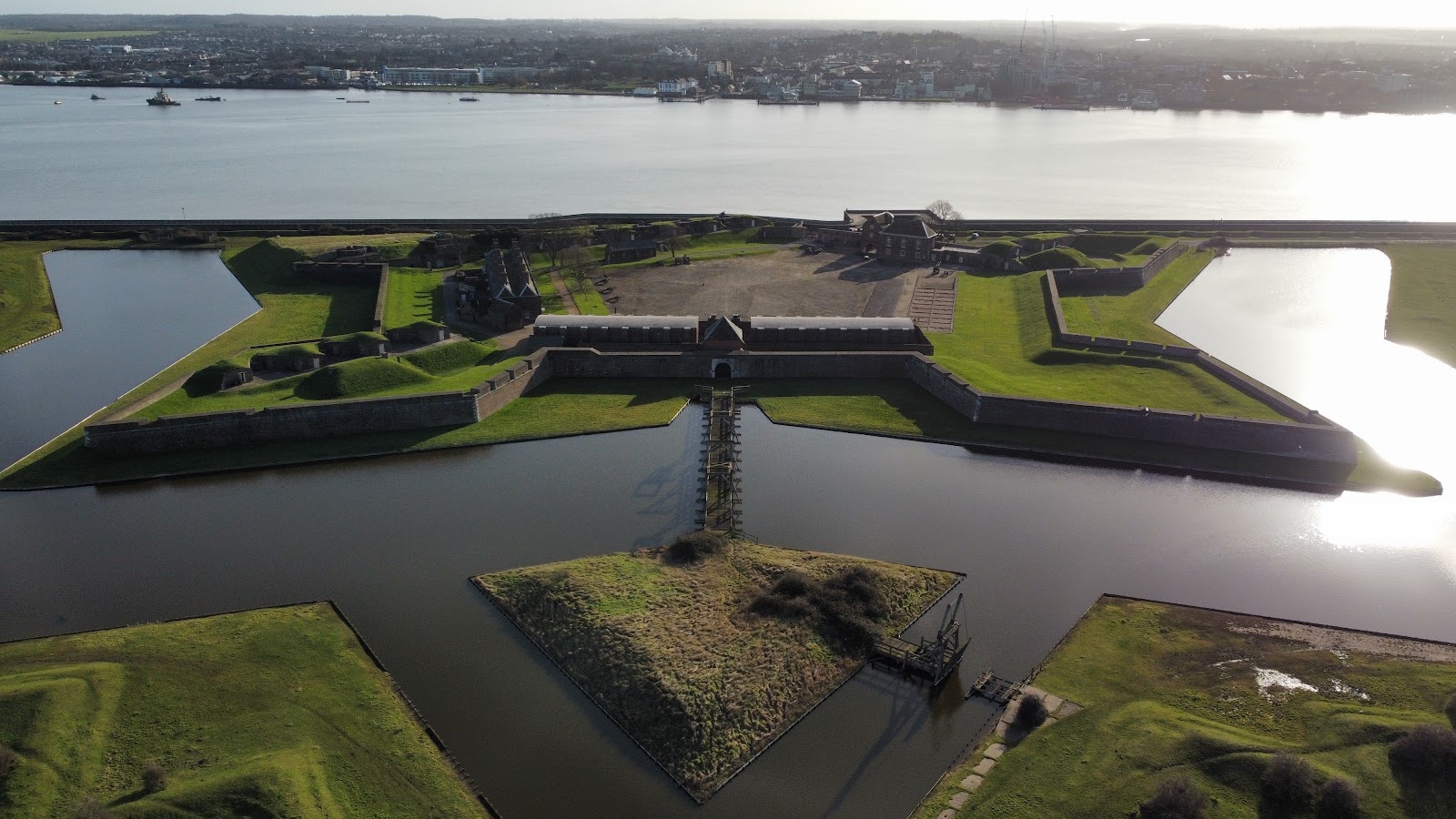
5.5Built in 1539–40 during Henry VIII’s defence-building programme, Gravesend Blockhouse formed part of a five-fort network intended to guard the Thames approaches to London. It is the only surviving blockhouse in that network described by the research as visible today.
A small, unusually tangible piece of Tudor coastal defence: the surviving brickwork and gun positions connect Gravesend’s riverside to the invasion fears and military engineering of Henry VIII’s reign. It is a brief heritage stop rather than a full-day destination on its own.
Historic · Atmospheric
Find your way
Open mapRoyal Pier Road, Gravesend, Kent DA12 2BE
Opening map…
Know this place a little better?
The experience
A short riverside heritage stop focused on the visible remains of Henry VIII’s blockhouse. Treat it as an exterior visit; the available sources do not establish entry arrangements.
Things to do
Read the surviving fortification
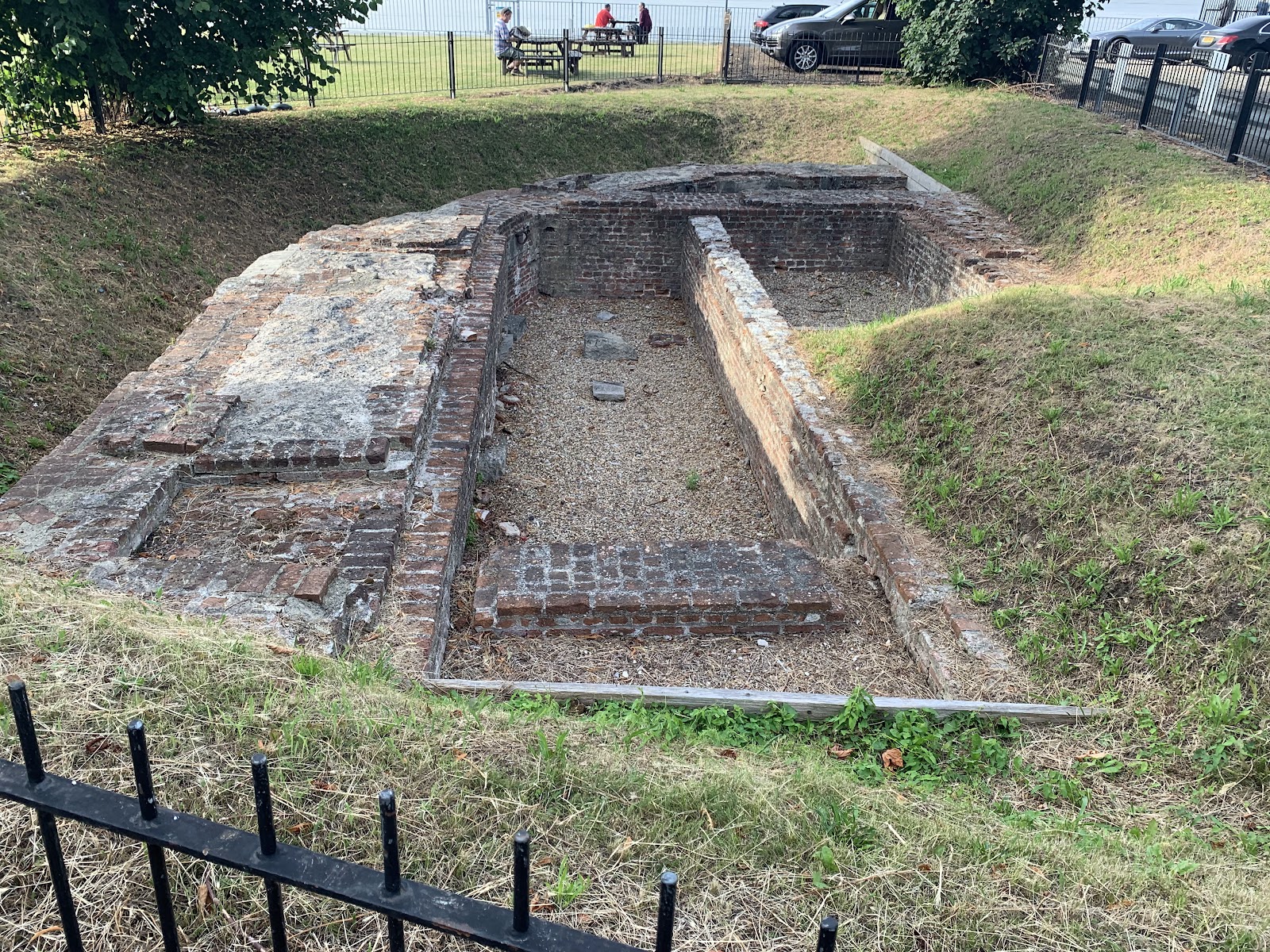
From the publicly visible side, look for the remains of the D-shaped brick bastion and the gun positions described in the archaeological account. The western half is reported as fenced; do not enter fenced areas.
15–30 minutes
Make a day of it
Quick escape · Under 1 hour
A brief look at the Tudor defences
- 01
Check current access arrangements before travelling.
- 02
View the remains from the Royal Pier Road side; do not assume the fenced area is accessible.
- 03
Look for the surviving brick structure and consider its original role in defending the Thames approaches to London.
Verified history
Gravesend Blockhouse was built in 1539–40 as part of an English programme of defence construction prompted by fears of invasion in 1538, during tensions between Henry VIII and much of Europe. It belonged to a network of five blockhouses intended to protect the Thames approaches to London and a vital trade route. The Kent Archaeological Society account describes it as a D-shaped brick bastion with gun positions and casemates, and reports that it is the only blockhouse in the network whose remains are still visible. Stabilisation work was completed in July 2022. The sources do not establish that Henry VIII personally designed it; his contribution to the design is described as a belief, not a certainty.
Hidden details
A five-fort river defence — The blockhouse was one of five forts intended to use crossfire to guard the river approaches to London. Gravesend’s surviving remains are singled out as the only visible blockhouse of that network.
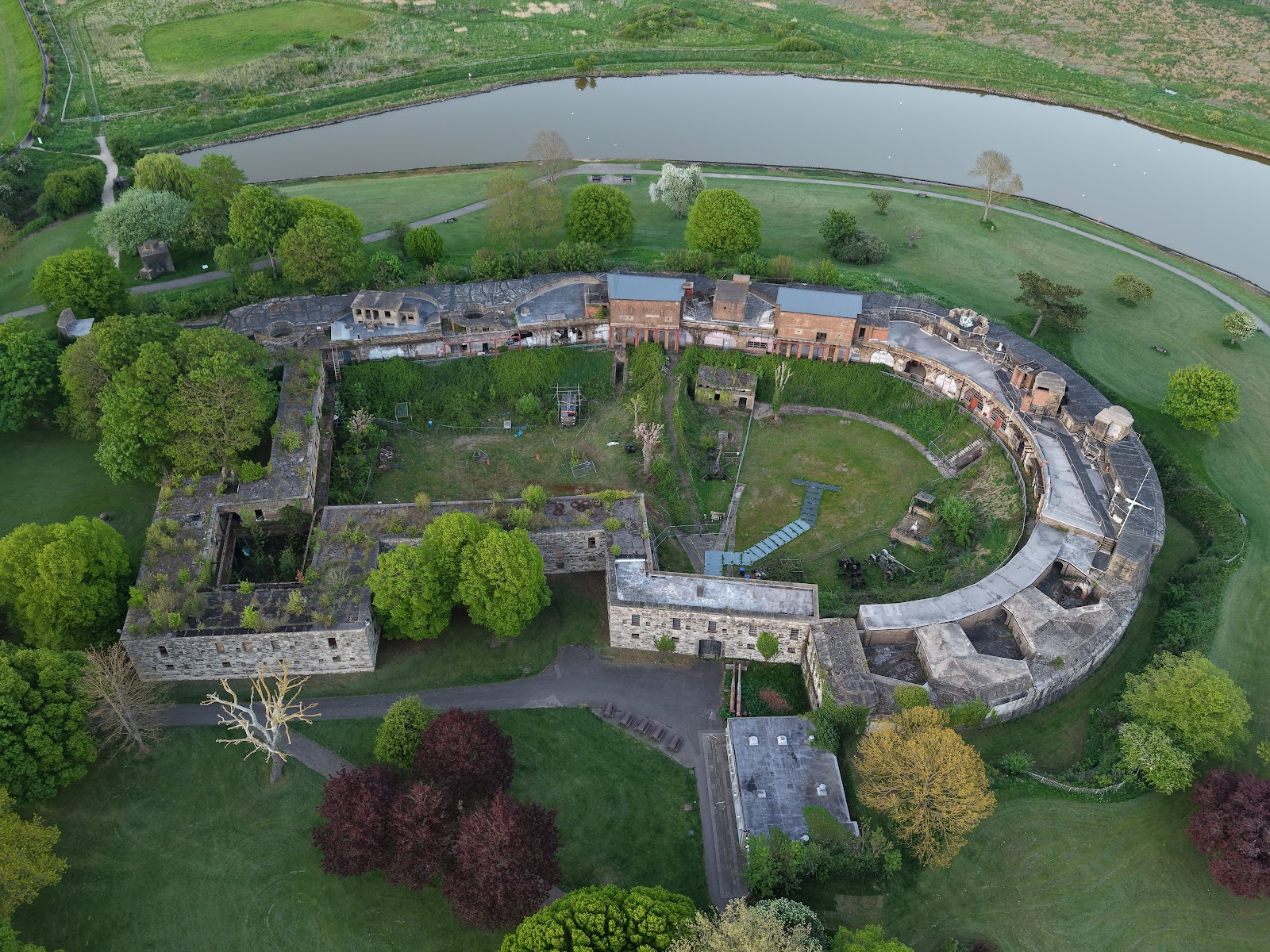
Look for the form of the bastion — The archaeological account describes a D-shaped brick structure with gun casemates and gun ports on two levels, including positions facing the Thames.
When to go
· No evidence-based preference established.
The supplied research identifies no seasonal feature or access pattern.
Check conditions and current access before visiting; no site-specific weather guidance was supplied.
Worth pairing with
New Tavern Fort
The supplied heritage-trail extract identifies New Tavern Fort as another Gravesend defence site. Its current opening and access arrangements are not established here, so check before planning a combined visit.
What to look for
Look for the surviving D-shaped brickwork and the remains of the gun casemates and gun ports described in the historical account. The western half is reported as fenced.
The story
War & battle
Best time to go
No season-specific advantage is established by the available sources; check access before travelling.
No best time of day is supported by the available evidence. Check current access arrangements before setting out.
How long to spend
Under 1 hour
Perfect for
History lovers · Walkers
Before you go
Address
Listed hours
- Monday: Open 24 hours
- Tuesday: Open 24 hours
- Wednesday: Open 24 hours
- Thursday: Open 24 hours
- Friday: Open 24 hours
- Saturday: Open 24 hours
- Sunday: Open 24 hours
Check before visiting.
Google rating
Practical information
Opening & access
The surviving remains are described as visible from Royal Pier Road, with the western half fenced. The sources do not confirm whether visitors may enter the site; check locally before visiting.
Check before visiting
Parking
A 2008 heritage guide mentions on-street parking nearby; this is not current confirmation. Check local parking information before travelling.
Check before visiting
Toilets
Check before visiting
Check before visiting
Food & drink
Check before visiting
Check before visiting
Dogs
Check before visiting
Check before visiting
Accessibility
Accessibility of the site and viewing area is not established by the available sources. Check before visiting.
Check before visiting
Cost
Check before visiting
Check before visiting
Water
River
Gallery
Place photographsKeep exploring
Around Gravesend Blockhouse
Within 50 km · approximate straight-line distances