4.7
Wildland
Part of a Tower of London visit
Time
Paid
Cost
Atmospheric
Feel
Why it's Wildland
4.7A section of the Tower of London’s defensive walls where medieval fortress history meets the Second World War: the North Bastion beside Flint Tower was damaged by a bomb.
Flint Tower is a specific stop within a much larger historic fortress experience. Its appeal lies in the unusual meeting of medieval defences, a documented wartime story and views across the Tower, Thames and City—not in any claim of natural wildness.
Atmospheric · Dramatic
Find your way
Open mapTower of London, London EC3N 4AB
Opening map…
Know this place a little better?
The experience
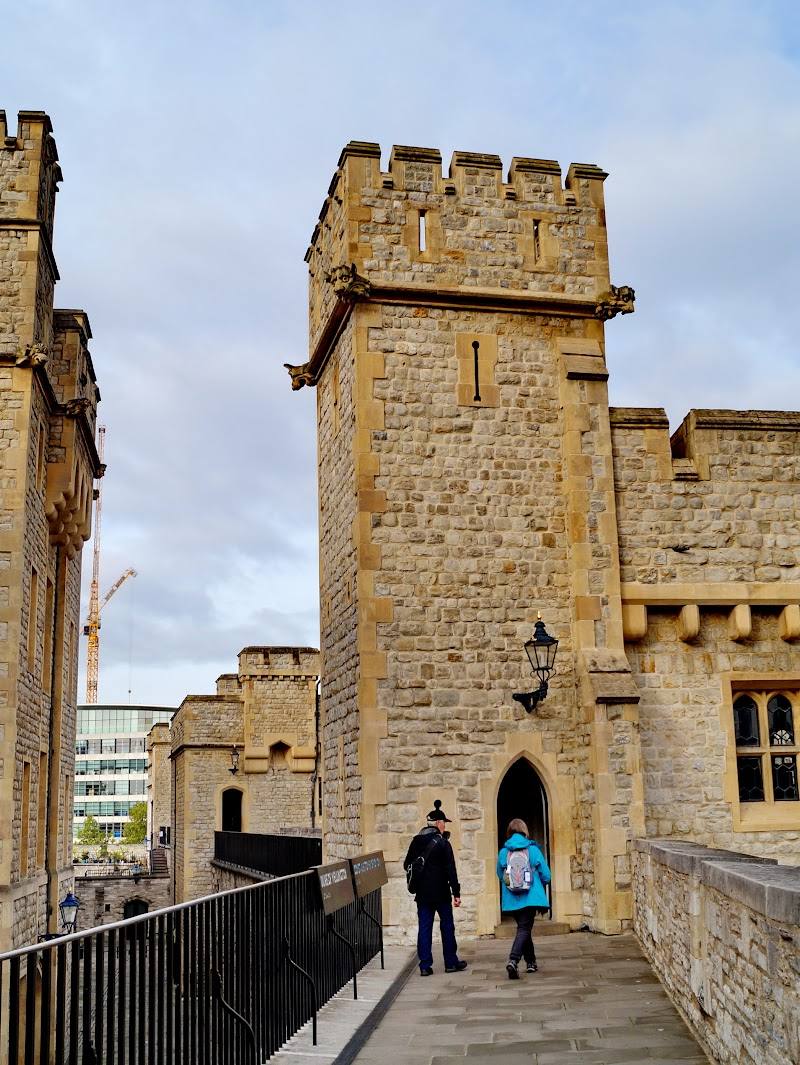
Visit Flint Tower as part of the Tower of London’s North Battlements. Follow the wall walk, take in the City views and look for the account of the fortress’s role in a modern war.
Things to do
Find Flint Tower on the North Battlements
Explore this stop on the Tower’s North Battlements and hear how the fortress took part in a modern war.
Look for the story of the bomb-damaged bastion
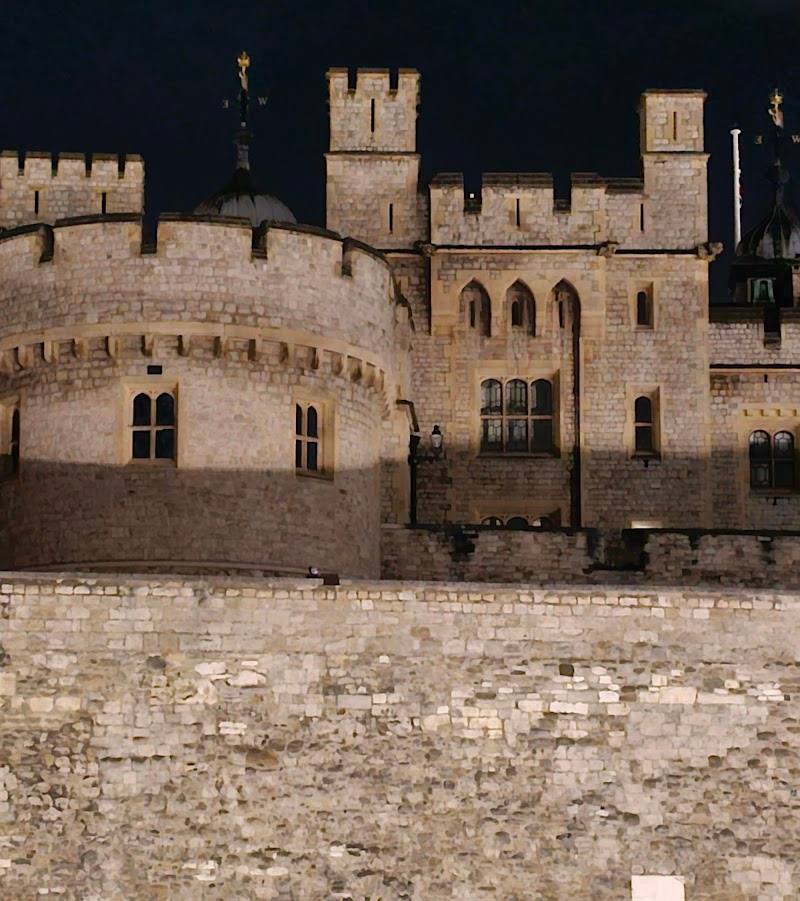
Historic Royal Palaces notes that the North Bastion on the outer wall by Flint Tower was damaged by a bomb during the Second World War.
Take in the North Battlements’ City views
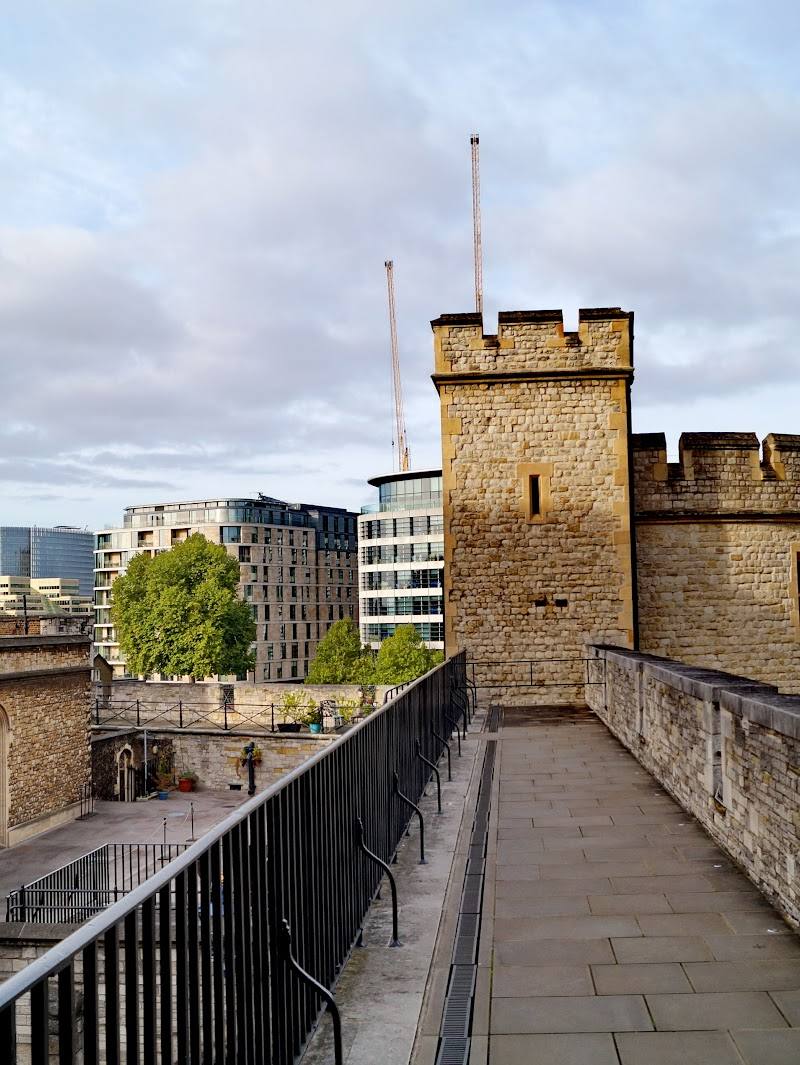
The North Battlements look out over the City and its skyscrapers; the wall walk also offers views across the Tower and the Thames.
Make a day of it
Quick escape · Within a Tower of London visit
Quick escape: find Flint Tower
- 01
Follow the North Battlements wall walk to Flint Tower.
- 02
Explore the account of the fortress’s role in the Second World War.
- 03
Look for views across the City from the battlements.
Half day · Check before visiting
Make a half day of the battlements
- 01
Explore the North Battlements and Flint Tower.
- 02
Continue along the wall walk to discover other sections and towers described by Historic Royal Palaces.
- 03
Take in the views across the Tower, Thames and City.
Verified history
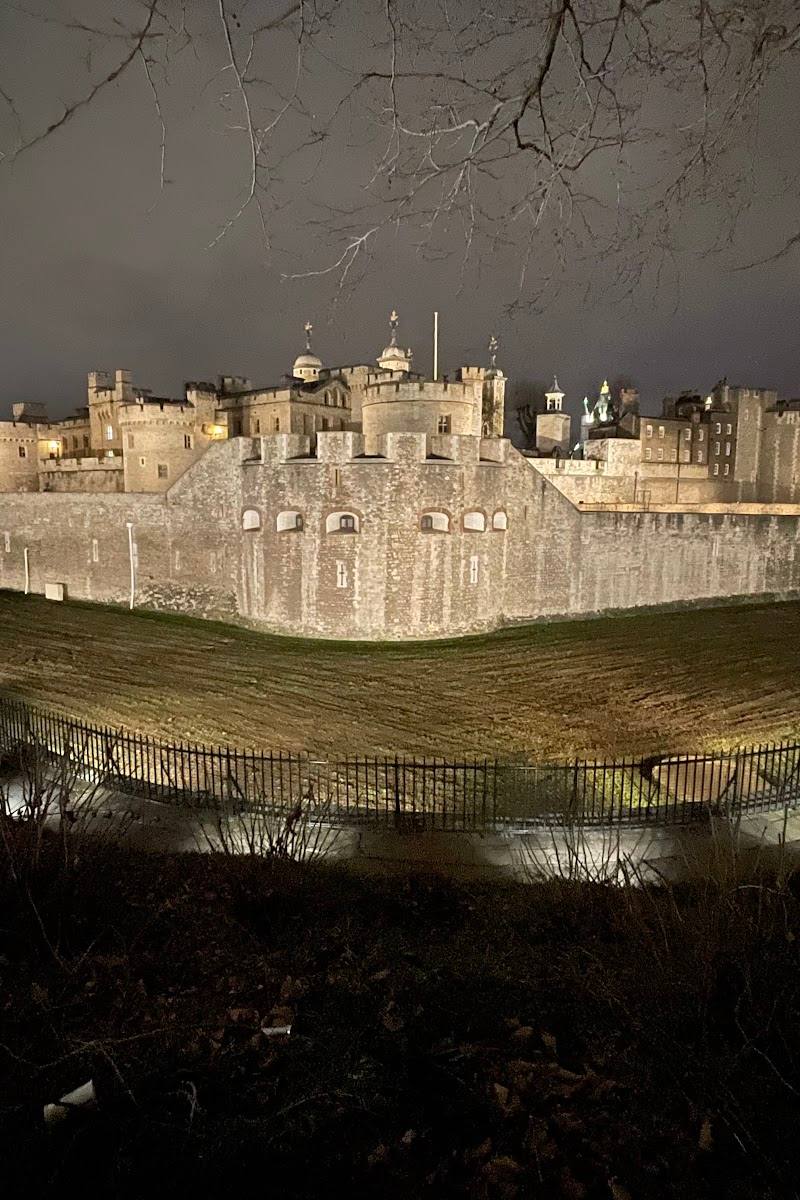
The Tower’s battlements form part of its defensive walls. Historic Royal Palaces says the Inner Curtain Wall was built during Henry III’s fortification of the Tower between 1240 and 1260, and the Outer Curtain Wall was built during the fortress’s expansion under Edward I. Flint Tower’s North Bastion was damaged by a bomb during the Second World War.
Hidden details
A fortress with a wartime trace — The North Bastion by Flint Tower was damaged by a bomb during the Second World War—a modern conflict detail within the Tower’s much older defences.
When to go
· No specific best time is established by the supplied source. Check current opening information.
The supplied source gives no seasonal recommendation.
Check conditions and current visitor information before visiting. The battlements have no lift or ramp access.
What to look for
- 01
The North Bastion’s documented bomb damage
- 02
the battlements’ views towards the City
- 03
and the contrast between the fortress walls and the surrounding skyscrapers.
The story
War & battle
Best time to go
Check current opening and admission information before visiting; the supplied source does not identify a best season.
No particular season or time of day is established by the supplied source. Check current opening information before travelling.
How long to spend
Part of a Tower of London visit
Perfect for
History lovers · Photographers
Before you go
Practical information
Opening & access
Flint Tower is part of the Tower of London’s North Battlements. The battlements are included in palace admission. Check current opening and access information before visiting; there is no lift or ramp access to the battlements.
Check before visiting
Parking
Check before visiting
Check before visiting
Toilets
Check before visiting
Check before visiting
Food & drink
Check before visiting
Check before visiting
Dogs
Check before visiting
Check before visiting
Accessibility
The battlements have no lift or ramp access. Check the Tower of London accessibility information for current details.
Check before visiting
Cost
Paid
Water
River
Gallery
Place photographs
Keep exploring
Around Flint Tower
Within 50 km · approximate straight-line distances