Yarner Wood, Trendlebere Down and Bovey Valley, near Bovey Tracey, Devon
East Dartmoor National Nature Reserve
Mixed-habitat reserve
Place photograph
6.6
Wildland
Half day
Time
Check
Cost
Peaceful
Feel
Why it's Wildland
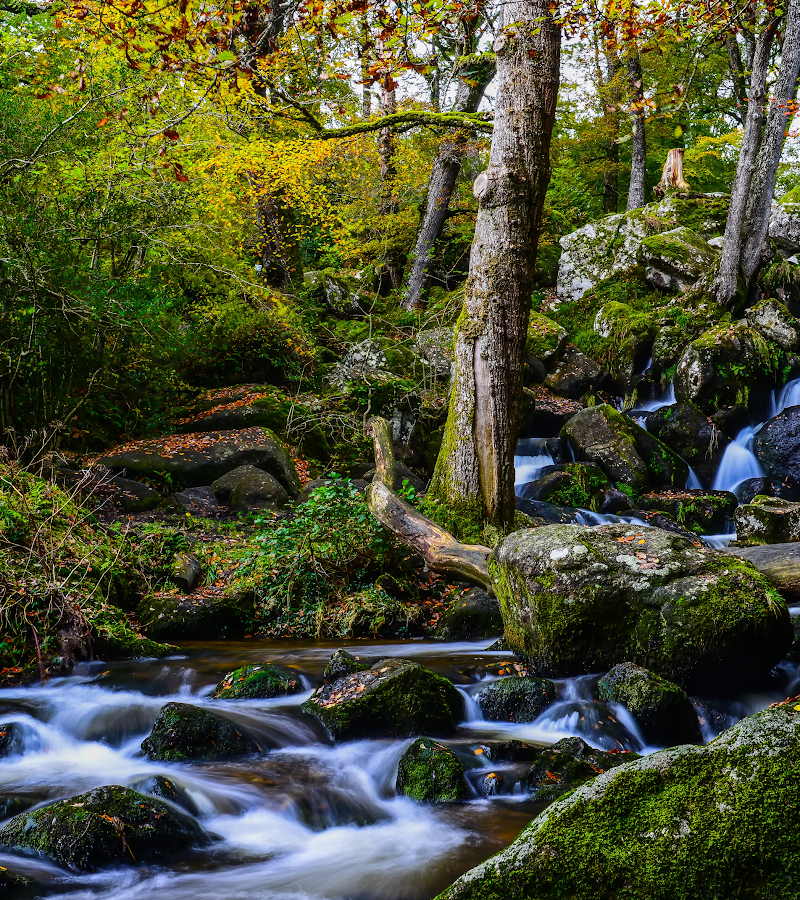
6.6In East Dartmoor, tall oaks, heath and wetland sit alongside traces of centuries of work: copper mining, granite tramways and charcoal-making. Follow the reserve’s paths and a nature walk can become a journey through a landscape shaped by both wildlife and people.
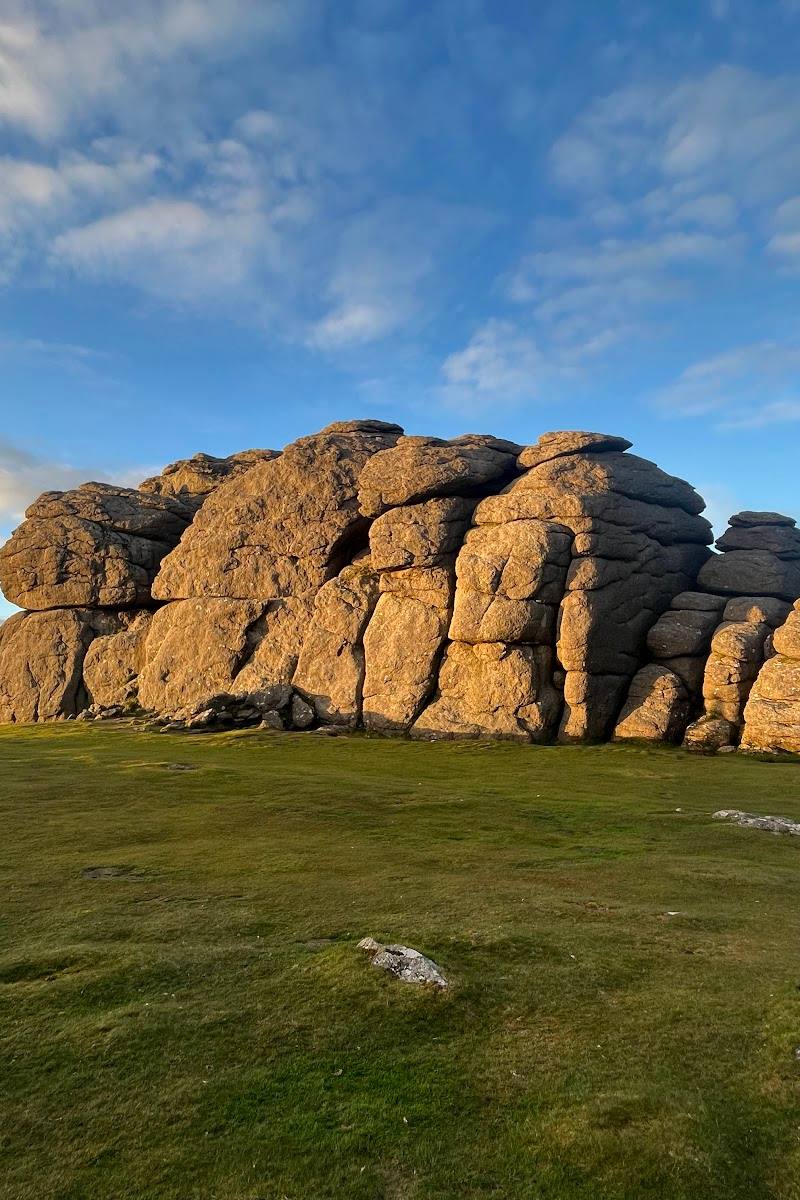
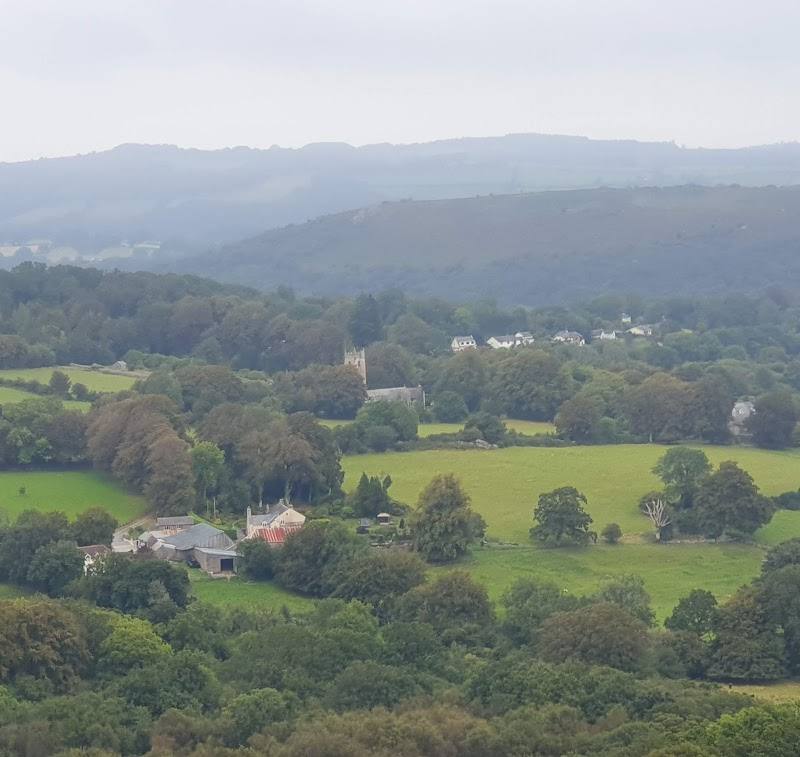
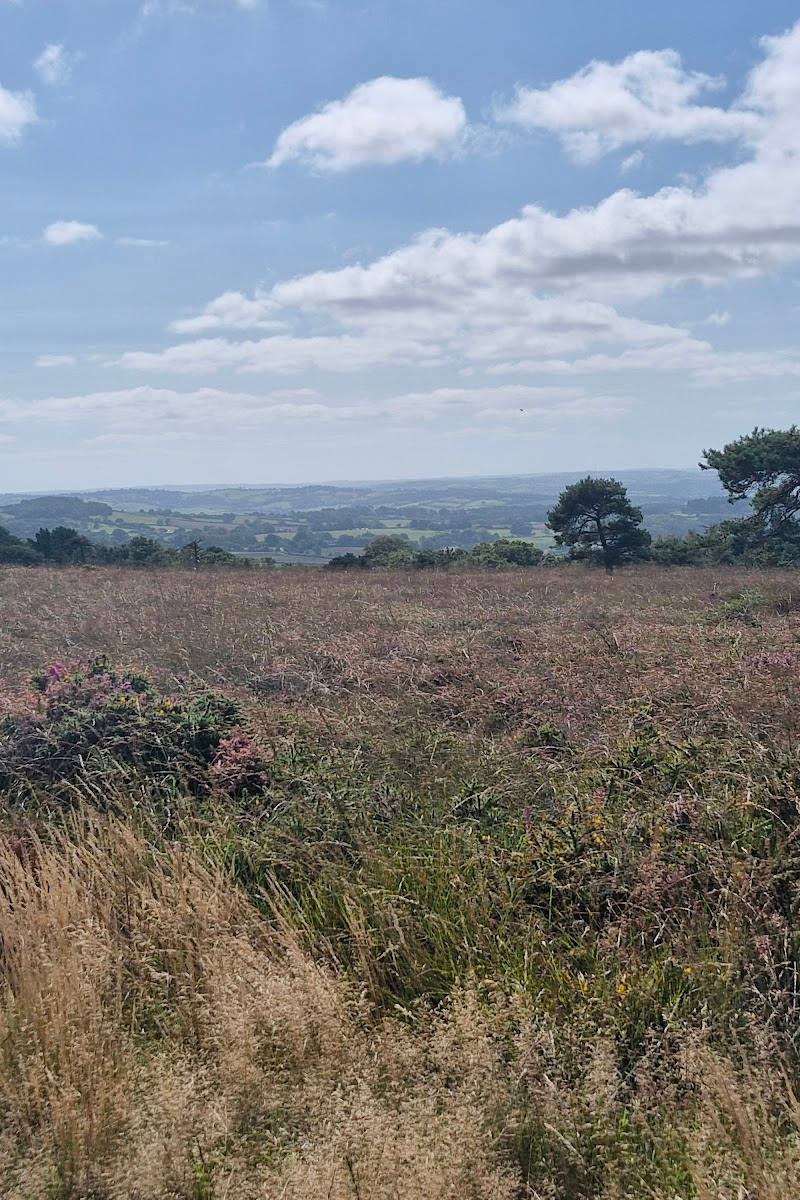
This reserve earns its place for the meeting of varied habitats and visible human history. Its paths pass ancient oaks, wildlife-rich heath and wetland, while the remains of a copper mine, granite tramway and charcoal-making reveal a less obvious side of Dartmoor’s past.
Peaceful · Atmospheric · Ancient-feeling · Wild
Find your way
Open mapYarner Wood, Trendlebere Down and Bovey Valley, near Bovey Tracey, Devon
Opening map…
Know this place a little better?
The experience
Explore the main paths and tracks through woodland, heathland and wetland. Take time to watch and listen for wildlife, then look for the surviving traces of the area’s industrial past. Paths may be muddy and uneven.
Things to do
Walk the reserve’s main paths and tracks
Explore the paths that cross the reserve’s woodland, heathland and wetland. The Dartmoor National Park Authority advises bringing an OS map and preparing for muddy, uneven paths.
Look for the copper-mine and granite-tramway remains
In Yarner Wood, seek out traces of the copper mine and some of the best intact sections of the granite tramway.
Watch and listen for woodland birds
The authority highlights pied flycatchers from April to June and the chiffchaff as an early sign of spring. Move quietly and give wildlife space.
Look for summer butterflies on the heath
The reserve’s guidance names the silver-washed fritillary and grayling among the butterflies to look for on warm summer days.
Make a day of it
Quick escape · 1–2 hours
Quick escape: a woodland-and-wildlife wander
- 01
Choose a main path or track in the reserve.
- 02
Walk slowly through the woodland and pause to listen for birds.
- 03
Look for red wood-ant nests, lichens and other small details before returning the way you came.
Half day · Half day
Make a half day of it: habitats and human history
- 01
Explore paths through woodland, heathland and wetland.
- 02
Look for the copper-mine remains and sections of granite tramway in Yarner Wood.
- 03
Pause to watch wildlife and examine the oaks, lichens and mosses along the way.
Verified history
The landscape has been shaped by people over approximately 4,000 years. In Yarner Wood, copper-mine remains and sections of granite tramway survive among the woodland. Ancient oaks were once used to make charcoal; elsewhere in the reserve, an Iron Age hillfort stands on Houndtor and the remains of Boveycombe farmstead lie beneath trees and undergrowth in Hisley Wood. Stone bridges once used by packhorses are now used by walkers. The area has also been used for scientific research for more than 60 years.
Hidden details
Granite tramway fragments in Yarner Wood — Among the woodland paths are some of the best intact sections of the reserve’s granite tramway, alongside remains of a copper mine.
A vast red wood-ant nest — Look for the reserve’s red wood ants and their large nests. The authority describes the ants’ role in woodland ecology, including farming aphids and protecting trees from moth caterpillars.
When to go
April · May · June · July · August · A calm morning is a good time to walk quietly and listen for birds; wildlife activity varies with season and conditions.
Pied flycatchers are highlighted from April to June. Warm summer days offer opportunities to see butterflies on the heath. Lichens, mosses and fungi can be found throughout the year.
Dartmoor weather can change quickly. The reserve’s guidance recommends dressing for changeable conditions and preparing for muddy, uneven paths.
Worth pairing with
Bovey Tracey
A nearby town identified in the supplied source material as a possible stop alongside a visit to the reserve. Check current details before making plans.
What to look for
- 01
Look for the remains of the copper mine and granite tramway in Yarner Wood, charcoal-making traces, tall oaks, red wood-ant nests and the reserve’s lichens, mosses and fungi. From April to June, watch for pied flycatchers
- 02
in warm summer weather, look for butterflies on the heath.
The story
Industry, Archaeology
Best time to go
April–June for the chance to see pied flycatchers; warm summer days for butterflies on the heath. The reserve can be explored throughout the year.
April to June is a good window to look for pied flycatchers. On warm summer days, watch the heath for butterflies. Go prepared for Dartmoor’s changeable weather and check conditions before setting out.
How long to spend
Half day
Perfect for
Walkers · Wildlife lovers · Photographers · History lovers · Families · Dogs
Practical information
Opening & access
The main paths and tracks are used for walking. Paths can be muddy and uneven; conditions and access arrangements may vary, so check before visiting. Address given by Dartmoor National Park Authority: Trendlebere Down, Yarner Wood, Bovey Tracey, TQ13 9L.
Check before visiting
Parking
Check before visiting; parking arrangements are not confirmed by the supplied sources.
Check before visiting
Toilets
Check before visiting
Check before visiting
Food & drink
Check before visiting
Check before visiting
Dogs
The source row lists the reserve as dog-friendly, but specific rules are not provided. Check before visiting and follow any signs.
Check before visiting
Accessibility
The source describes muddy and uneven paths and advises visitors to prepare for changeable weather. Specific step-free routes and facilities are not confirmed; check before visiting if you have access requirements.
Check before visiting
Cost
Check before visiting
Check before visiting
Water
River
Gallery
Place photographsKeep exploring
Around East Dartmoor National Nature Reserve
Within 50 km · approximate straight-line distances