Craster, near Alnwick, Northumberland NE66 3TT
Dunstanburgh Castle
Castle
Place photograph
8.6
Wildland
Half day
Time
Paid
Cost
Dramatic
Feel
Why it's Wildland
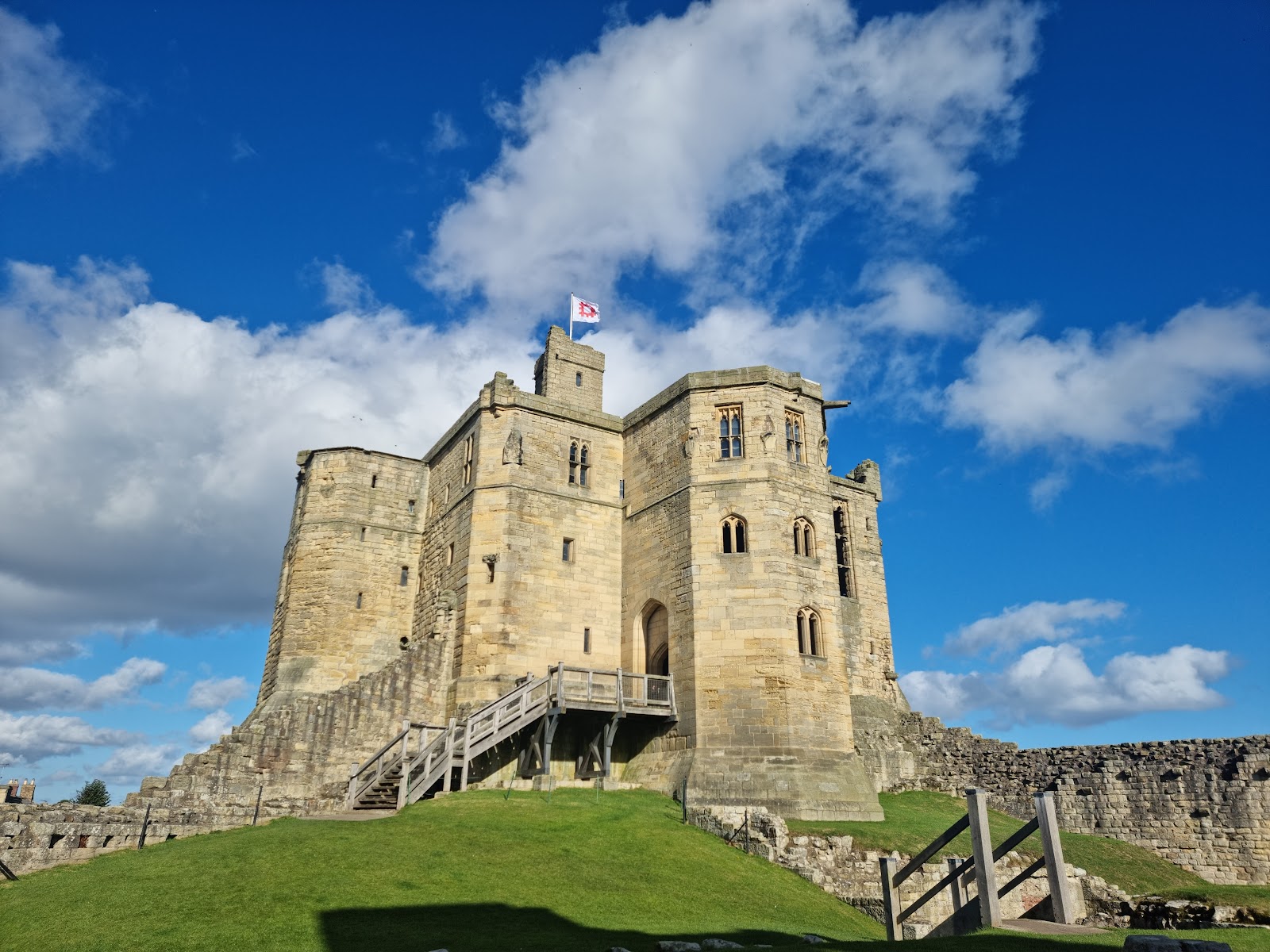
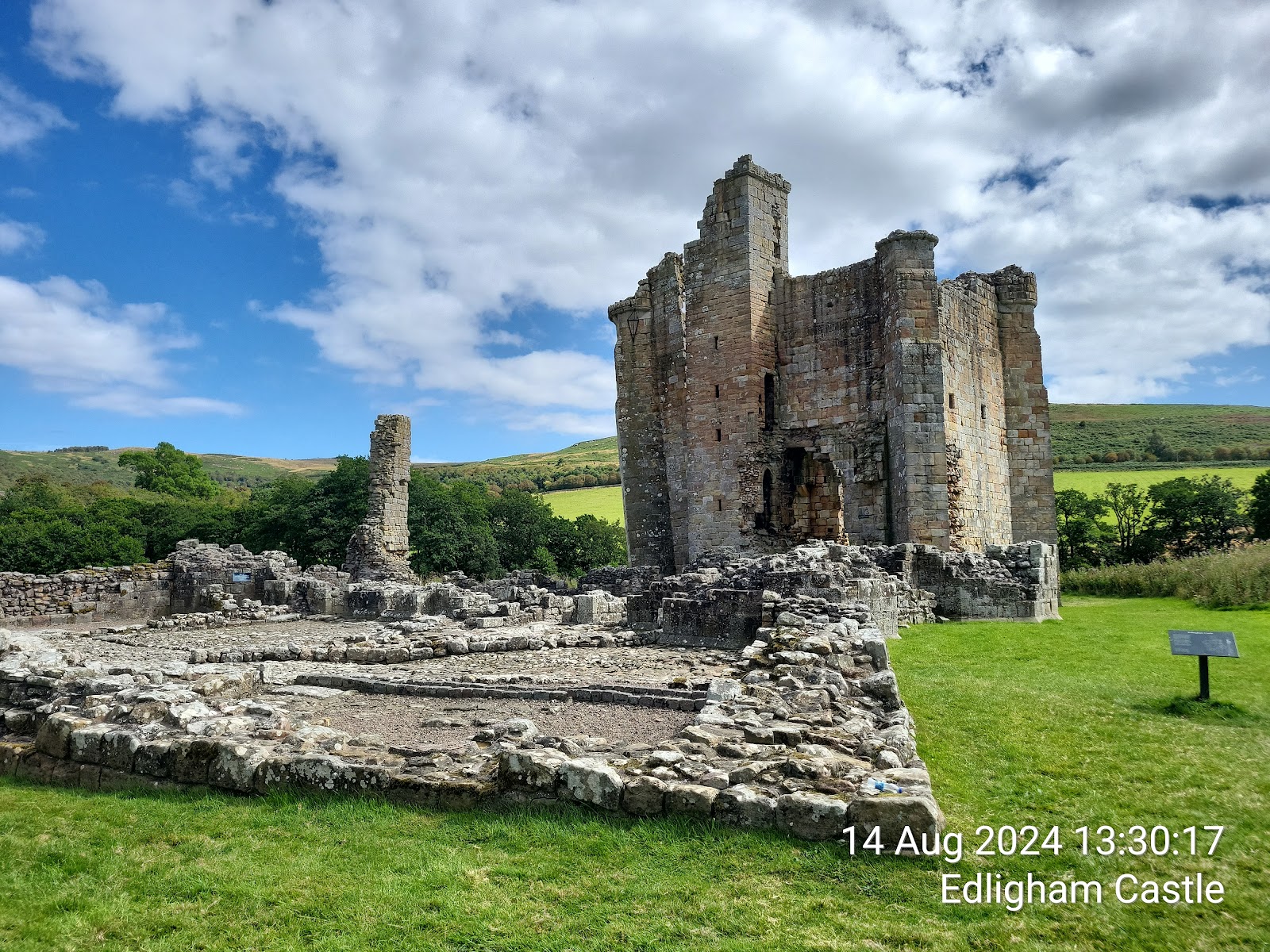
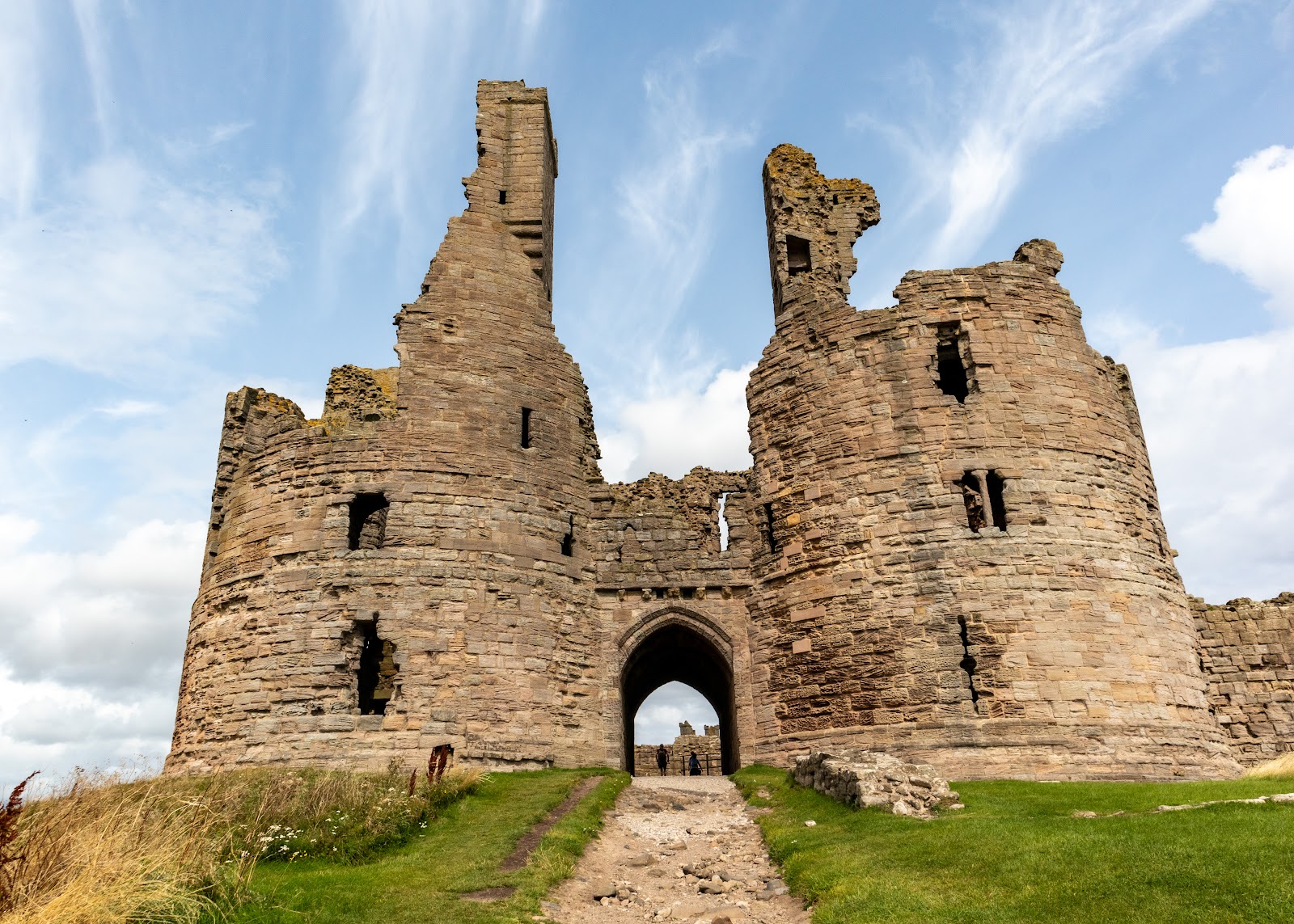
8.6Begun in 1313 by Thomas, Earl of Lancaster, Dunstanburgh was built on a formidable scale on a rugged coastal headland. Its towered ruins still command the coast, with sheer drops on the north side.
A dramatic ruined fortress set at the end of a coastal walk, where the journey through farmland and the wide sea views are part of the experience. Its scale, exposed headland and surviving towered walls make this more than a castle visit.
Dramatic · Atmospheric · Wild
Find your way
Open mapCraster, near Alnwick, Northumberland NE66 3TT
Opening map…
Know this place a little better?
The experience
Walk from Craster along the coast to the castle, exploring the headland and ruins if open. Look for the towered walls, the exposed coastal setting and seabirds nesting on the cliffs in spring and summer. Allow time for the return walk; extend towards Embleton Bay only if conditions and time suit.
Things to do
Walk from Craster to Dunstanburgh Castle
Follow the coastal route from Craster across working farmland to the castle. The route is described as a flat 1.3-mile walk each way, with coastal views along the way.
1.3 miles each way; allow additional time for the return and the visit.
Explore the castle headland
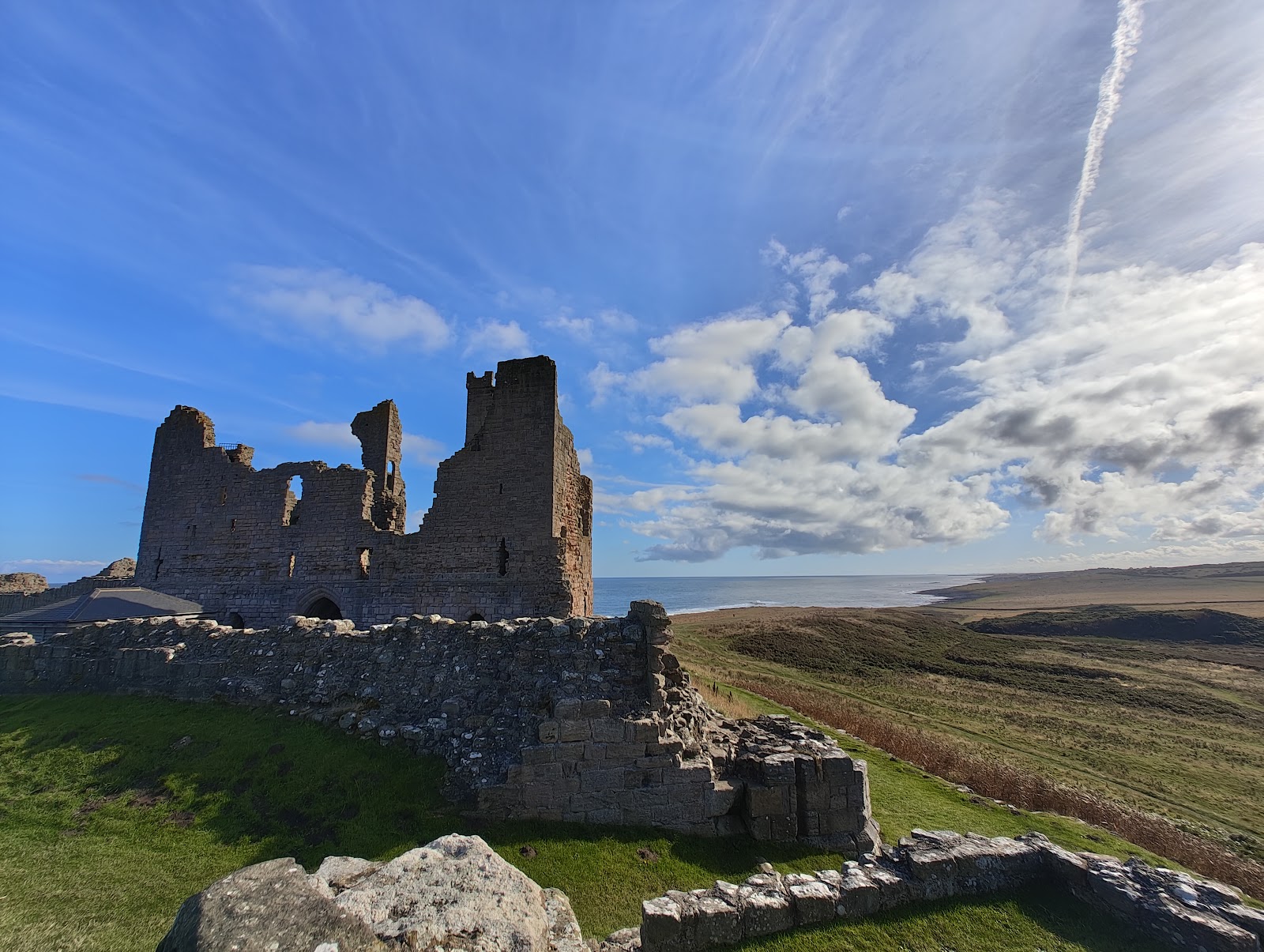
If the site is open and you have entry, explore the castle ruins and headland. English Heritage notes the towered walls and sheer drops to the sea on the north side; keep to safe routes and heed signs.
Watch for coastal and grassland birds
Look for seabirds nesting on the cliffs in spring and summer, and ground-nesting birds such as skylarks in the grassland. Keep to paths and avoid disturbing wildlife.
Extend the walk towards Embleton Bay
Visit Northumberland describes continuing past the castle towards Embleton Bay as an option for extending the walk. Check local conditions and route details before continuing.
Make a day of it
Quick escape · Allow around 2–3 hours, including the 1.3-mile walk each way and time at the castle; check current entry and opening details.
Quick Escape: Craster to the castle and back
- 01
Start in Craster and follow the coastal path towards Dunstanburgh Castle.
- 02
Walk the 1.3-mile route across working farmland, taking in the sea views and the changing view of the ruins.
- 03
Explore the castle if it is open and you have paid entry, or enjoy the exterior and headland.
- 04
Return to Craster by the same route.
Half day · Half day; allow extra time for a meal or drink in Craster and check current opening arrangements.
Half day: harbour, headland and castle
- 01
Begin in Craster and pass the harbour on the way to the coastal path.
- 02
Walk the 1.3-mile route to Dunstanburgh Castle across working farmland.
- 03
Explore the castle and headland, watching for cliff-nesting seabirds in spring and summer.
- 04
Return to Craster and consider a stop at The Jolly Fisherman; check opening and food arrangements first.
Verified history
Dunstanburgh Castle was begun in 1313 by Thomas, Earl of Lancaster, a cousin and leading baronial opponent of Edward II. English Heritage describes it as a large-scale construction intended to proclaim Lancaster’s rivalry with the Crown. The castle is now ruined; its towered walls remain on the coastal headland. The National Trust owns the site, while English Heritage maintains and manages it.
Hidden details
A fortress built to make a statement — English Heritage connects the castle’s unusually large scale with Thomas of Lancaster’s rivalry with Edward II. Look across the surviving walls and headland to appreciate the scale of the building project.
The living headland — The ruins are also part of a wildlife-rich landscape: English Heritage notes nesting seabirds on the cliffs and ground-nesting birds such as skylarks in the grassland.
When to go
April · May · June · July · August · Choose a clear, relatively calm day; check the forecast and current opening before setting out.
English Heritage notes that seabirds nest on the cliffs in spring and summer. The exposed coastal route and headland are also best enjoyed when visibility and conditions are suitable.
This is an exposed coastal walk. Check the forecast, wind conditions and English Heritage’s current opening information before travelling; the site may close in high winds.
The route
- surface
- Coastal path across working farmland; detailed surface conditions not supplied.
- distance
- 1.3 miles from Craster to the castle; return distance is approximately 2.6 miles.
- duration
- Check before visiting
- difficulty
- Described as an easy, flat walk by Visit Northumberland; conditions and access may vary.
- route shape
- Out and back from Craster, with an optional extension towards Embleton Bay.
- start point
- Craster village; the route passes the harbour.
- parking start
- Visit Northumberland identifies the Craster Tourist Information Centre car park as a popular option. Check current availability and charges.
- shorter alternative
- Walk from Craster towards the castle and turn back before reaching it; no specific shorter route is supplied.
- Craster Harbour
- Coastal views along the route
- Dunstanburgh Castle and its headland
- Seabirds nesting on cliffs in spring and summer
Worth pairing with
Craster Harbour
Pass the harbour at the start or end of the walk to Dunstanburgh Castle.
The Jolly Fisherman, Craster
Visit Northumberland suggests this pub as a post-walk option. Confirm current opening and food service before relying on it.
Embleton Bay
An optional extension beyond the castle is described by Visit Northumberland. Check the route and conditions before continuing.
What to look for
- 01
The castle’s towered walls
- 02
the headland’s steep northern drops
- 03
the contrast between the ruins and the open coast
- 04
seabirds on the cliffs in spring and summer
- 05
skylarks and other ground-nesting birds in the grassland. Keep to paths and respect nesting wildlife.
The story
Medieval fortification; Thomas, Earl of Lancaster; baronial rivalry with Edward II
Best time to go
Spring and summer for nesting seabirds; choose a clear, calmer day for the coastal walk and headland.
Go on a clear, relatively calm day for the coastal views. Spring and summer are notable for nesting seabirds, but exposed coastal weather can change; check conditions and site opening before leaving.
How long to spend
Half day
Perfect for
Walkers · History lovers · Photographers · Wildlife lovers
Before you go
Address
Phone
Website
Listed hours
- Monday: 10am-4pm
- Tuesday: 10am-4pm
- Wednesday: 10am-4pm
- Thursday: 10am-4pm
- Friday: 10am-4pm
- Saturday: 10am-4pm
- Sunday: 10am-4pm
Check before visiting.
Google rating
Practical information
Opening & access
Reach the castle on foot from Craster via a 1.3-mile coastal walk across working farmland. Entry to the castle is paid; it can also be explored from the outside. Check current opening arrangements before setting out.
Check before visiting
Parking
A large car park is reported at Craster Tourist Information Centre. Check current parking arrangements and charges before visiting; the castle itself is reached on foot.
Check before visiting
Toilets
Check before visiting
Check before visiting
Food & drink
The Jolly Fisherman in Craster is mentioned as a post-walk pub option. Check opening and food arrangements before visiting.
Check before visiting
Dogs
Dogs are not permitted inside the castle but are welcome on the route and around the castle, according to Visit Northumberland. Follow current signs and countryside guidance.
Accessibility
The castle is reached by a coastal walk across working farmland. Google listing data says the entrance and car park are not wheelchair-accessible; check with English Heritage about current access and limitations.
Check before visiting
Cost
Paid
Water
Sea
Gallery
Place photographs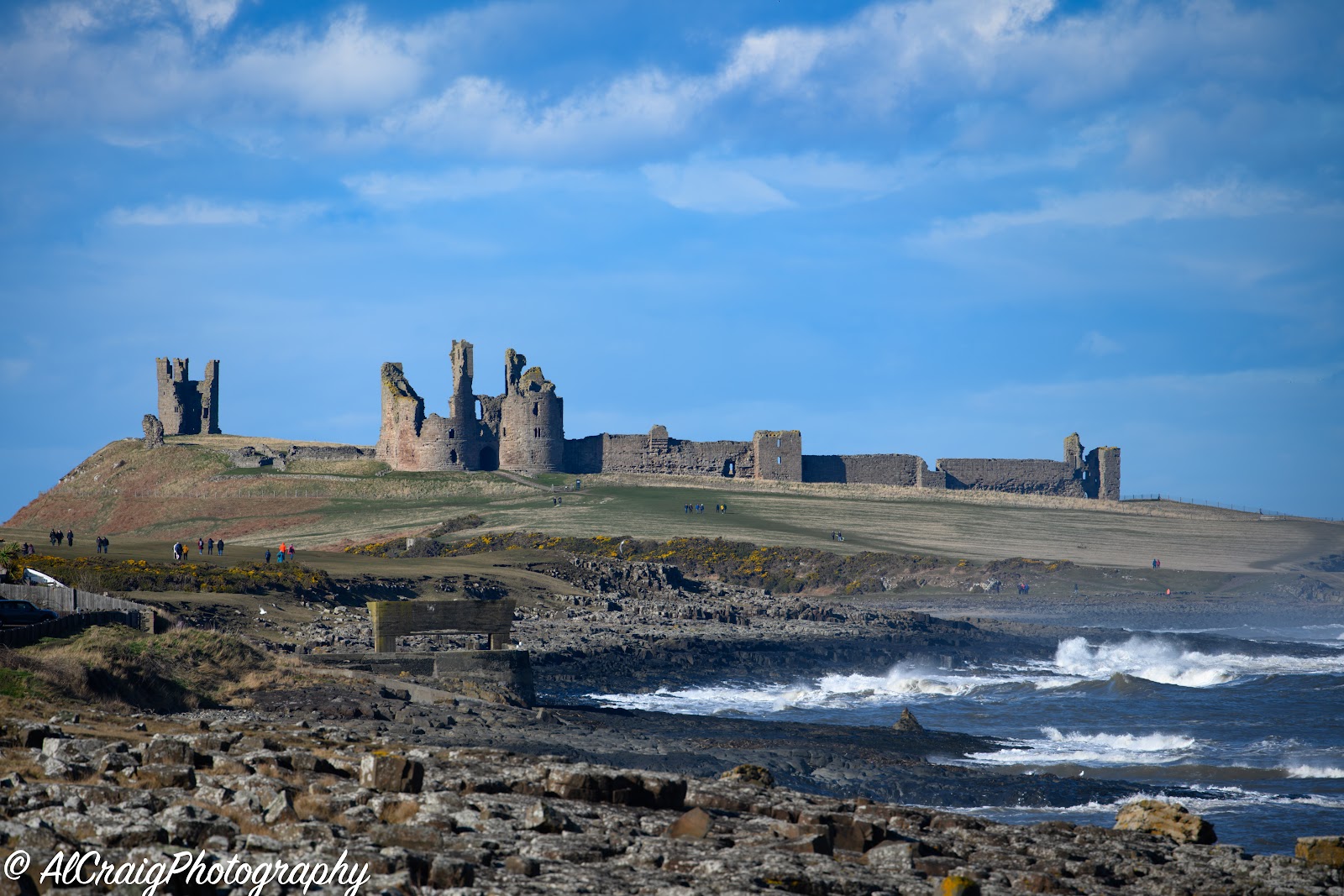
Keep exploring
Around Dunstanburgh Castle
Within 50 km · approximate straight-line distances