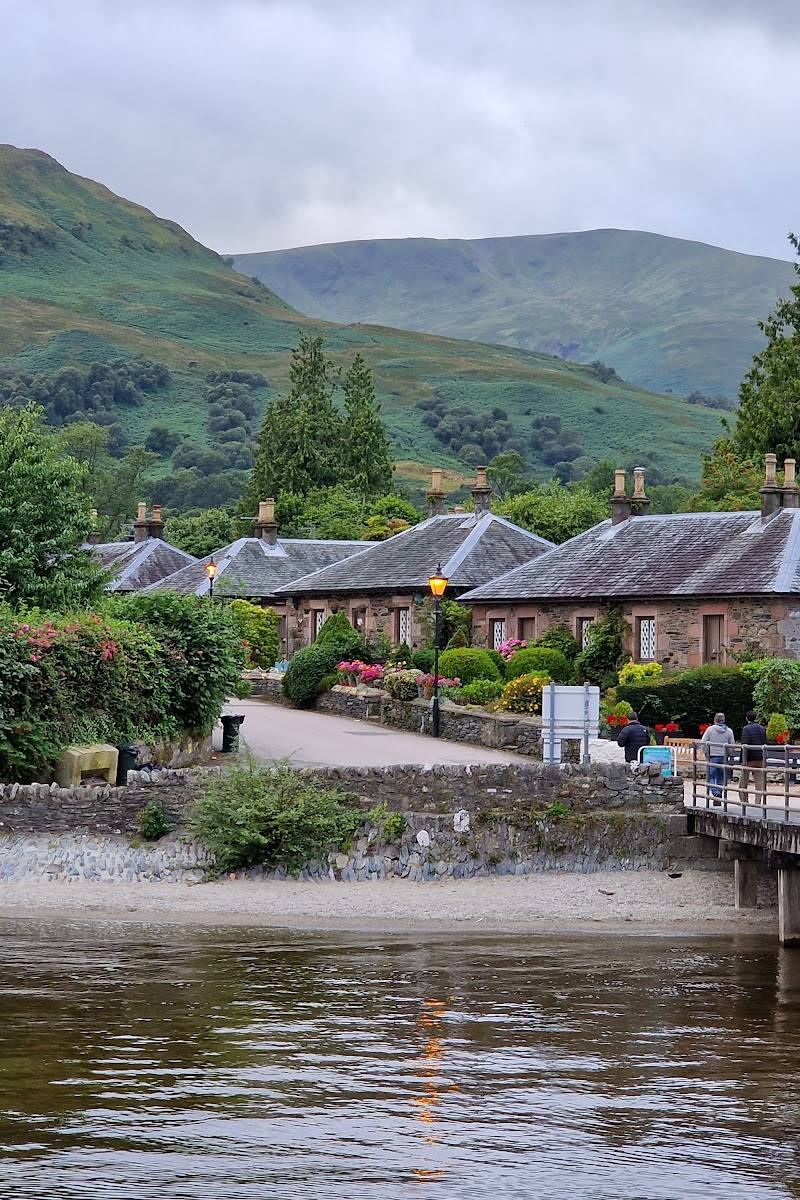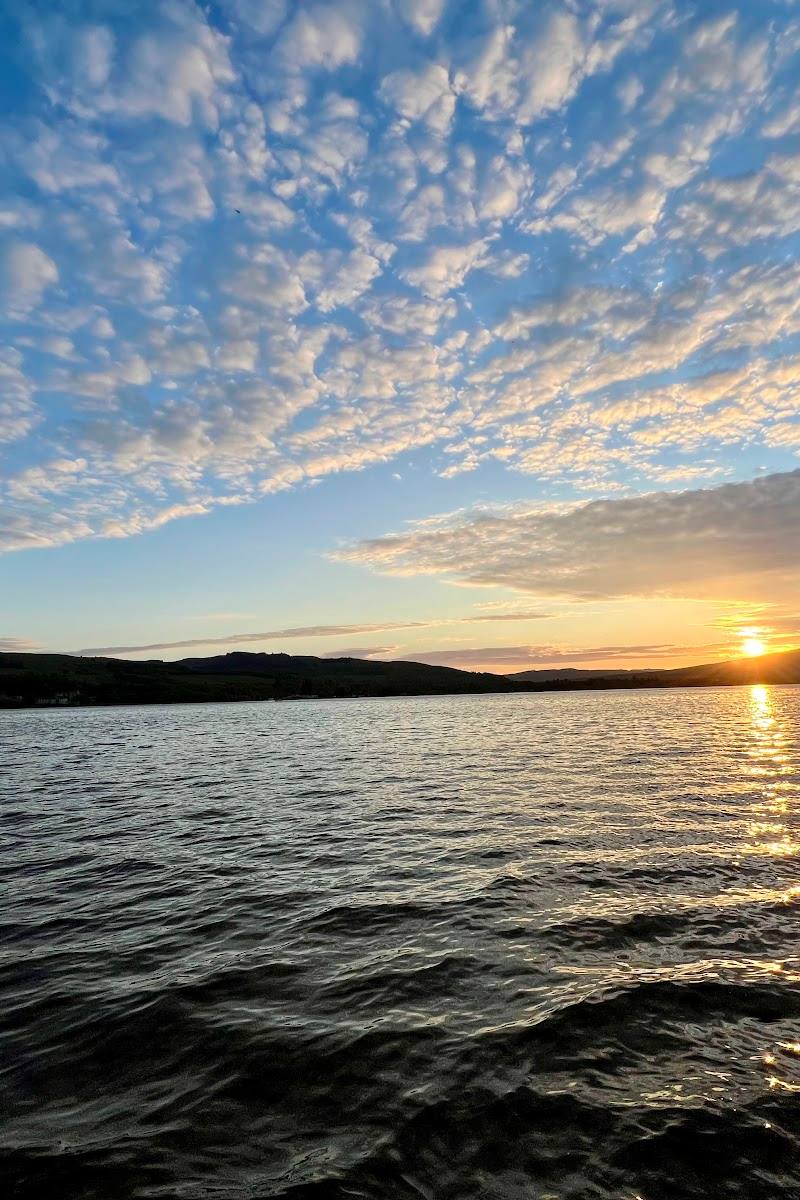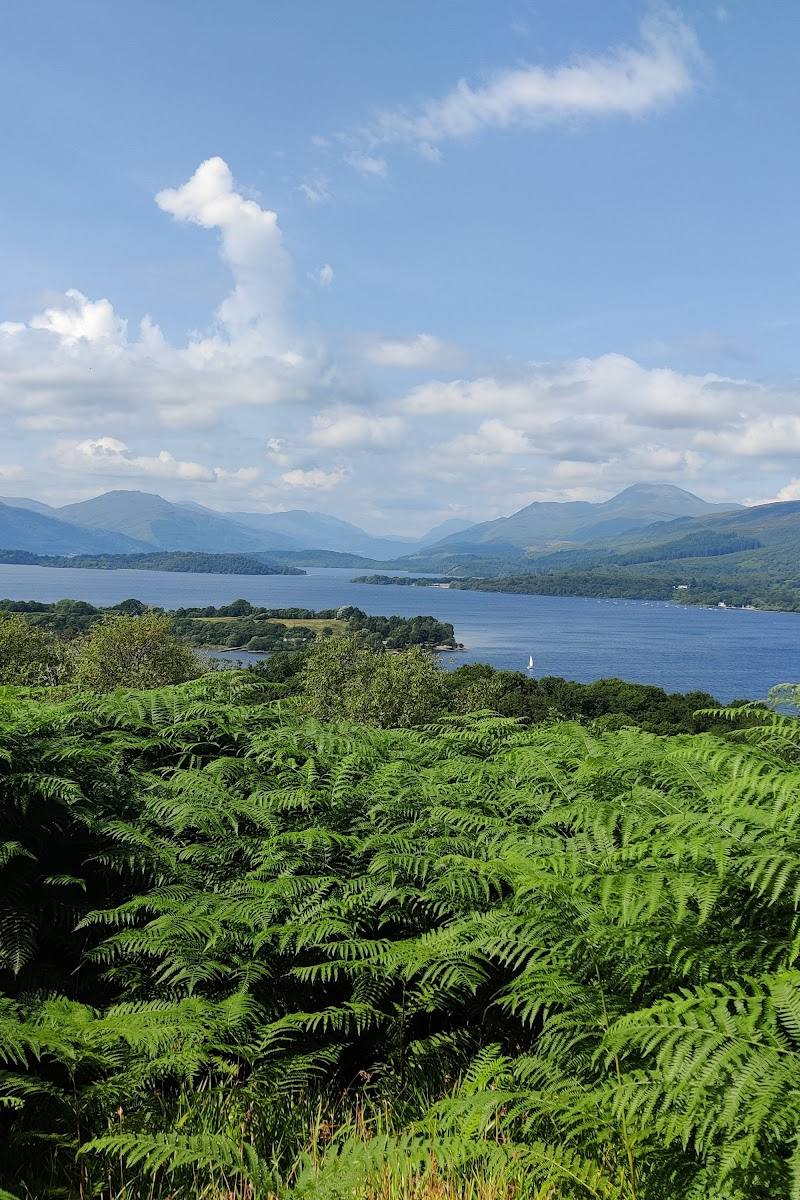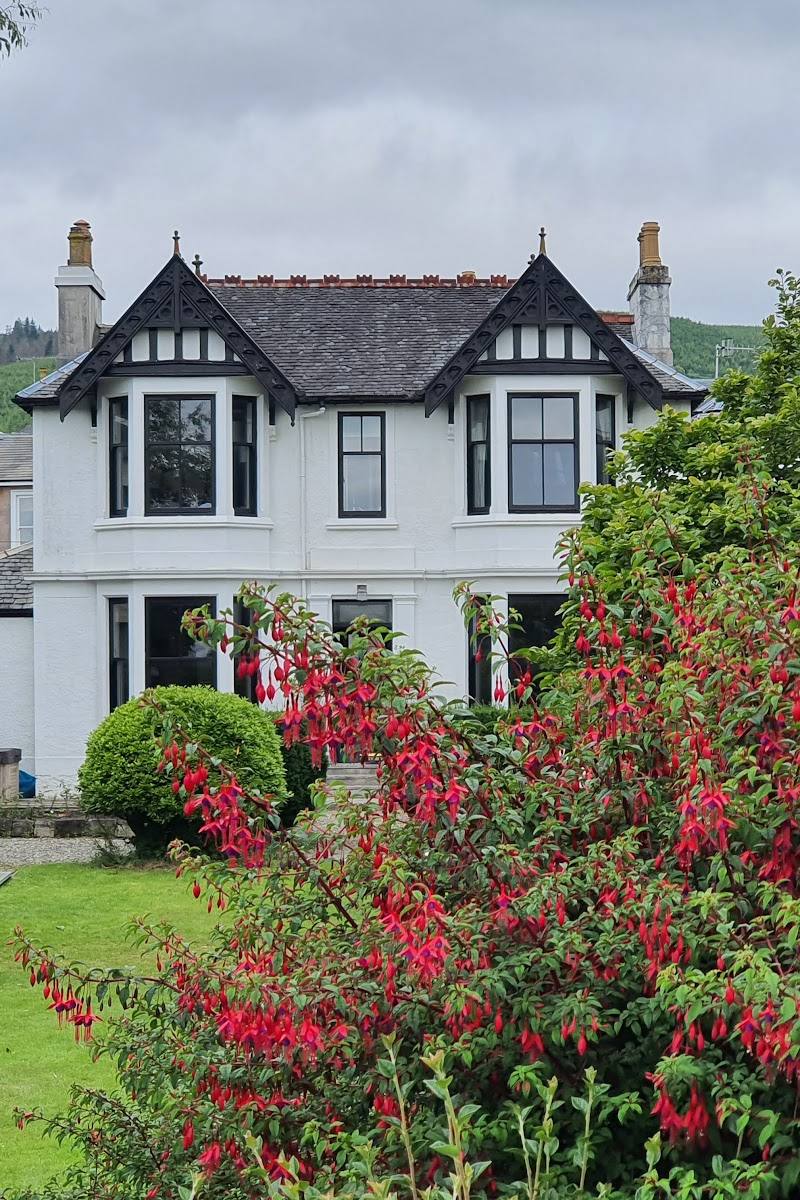
Cowal Peninsula, Argyll and Bute, Scotland, on the western shore of the upper Firth of Clyde.
Dunoon
Historic town
Place photograph
5.0
Wildland
1–2 hours
Time
Check
Cost
Atmospheric
Feel
Why it's Wildland
5.0Dunoon’s waterfront still carries the feel of its Victorian “doon the watter” heyday, when paddle steamers brought holidaymakers from Glasgow. Begin by the pier and seafront, then look uphill to the castle ruins and the Highland Mary statue overlooking the Clyde.
Dunoon earns its place as a characterful coastal town where a Clyde waterfront, Victorian resort history and nearby landscape meet. The strongest visit is a modest, place-led one: walk the promenade, take in the pier and explore the town’s heritage at Castle Hill.
Atmospheric · Historic
Find your way
Open mapCowal Peninsula, Argyll and Bute, Scotland, on the western shore of the upper Firth of Clyde.
Opening map…
Know this place a little better?
The experience
A short town visit can pair a stroll along the seafront and pier with a look at Castle Hill and Dunoon’s maritime and Victorian heritage. For wider exploration, the local digital heritage guide describes self-guided trails around Dunoon and neighbouring communities.
Things to do
Walk the waterfront promenade
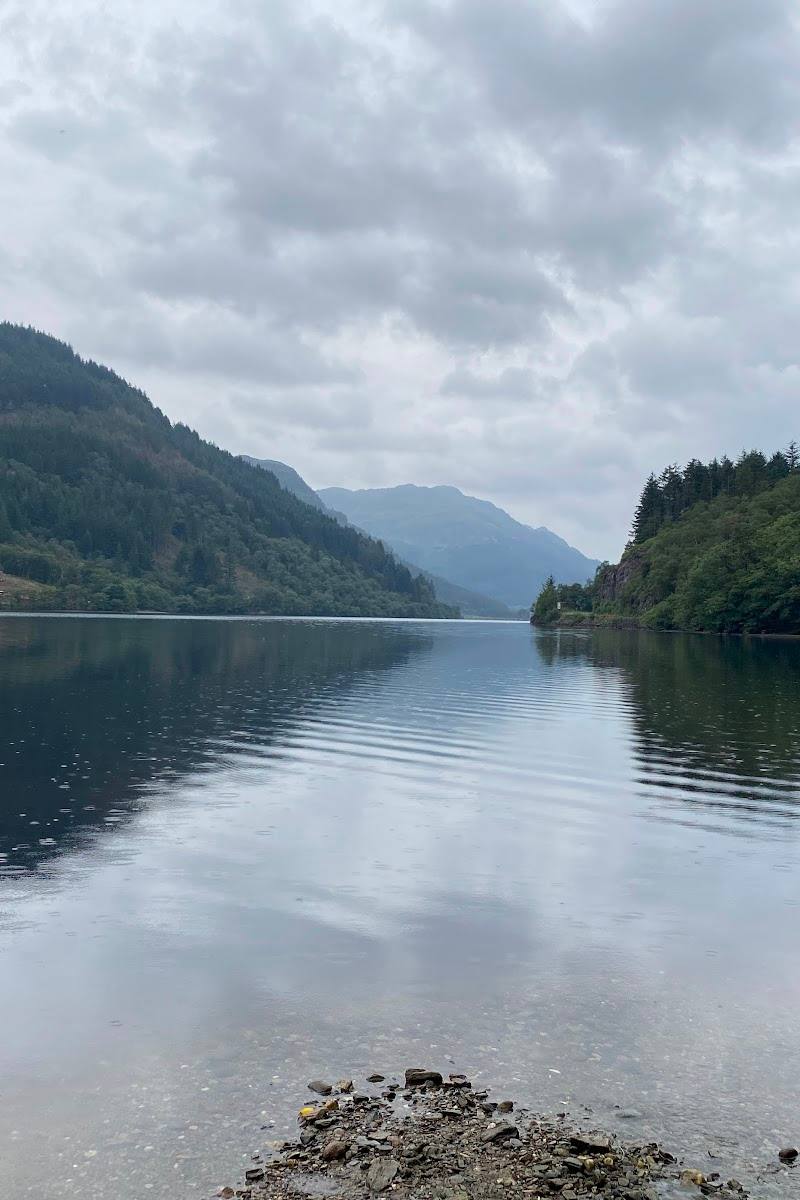
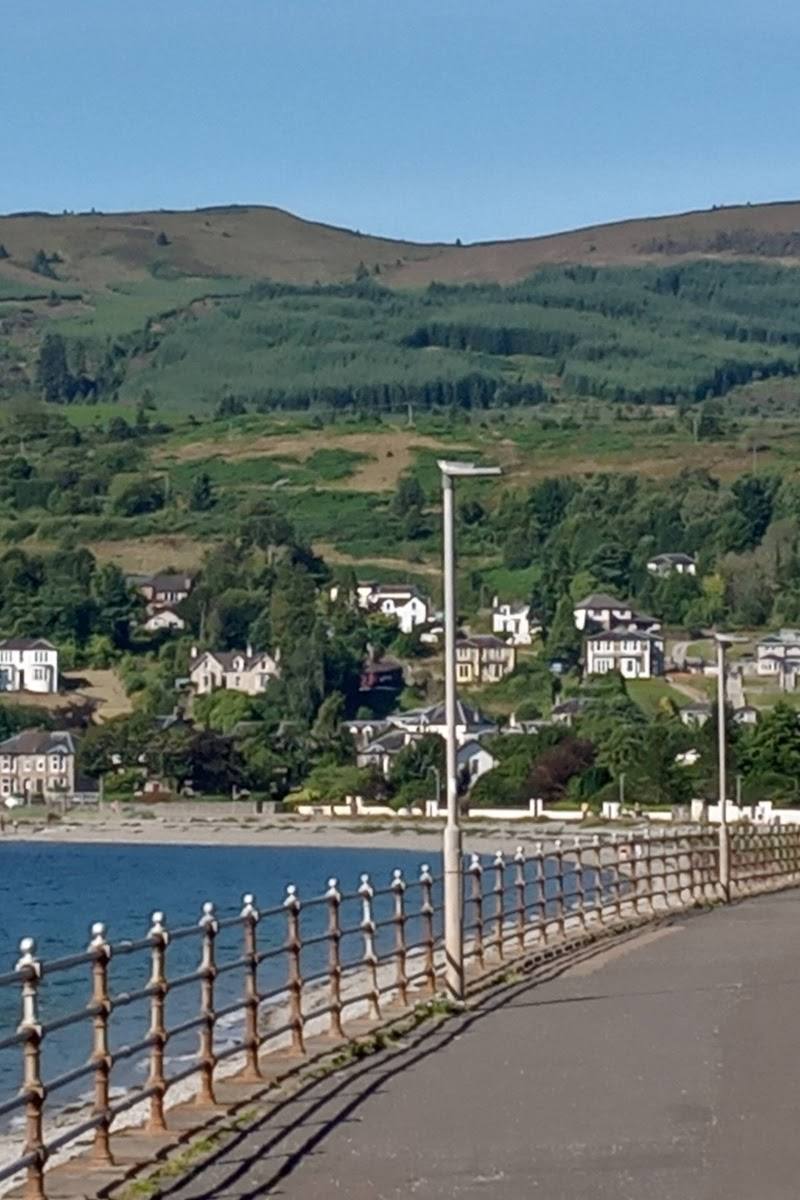
Follow the seafront around the pier and pause for views across the Firth of Clyde. The visitor guide recommends this as a way to begin exploring Dunoon.
About 1 hour
See Dunoon Pier
Visit the town’s recognisable Victorian waterfront landmark, dating from 1867, and consider its place in Dunoon’s history as a resort reached by paddle steamer.
Explore Castle Hill and the Highland Mary statue
The statue of Highland Mary, erected in 1896, stands on Castle Hill overlooking the Clyde. The regional visitor source identifies her as Mary Campbell, born in the Dunoon area in 1763 and associated with Robert Burns.
Discover Dunoon’s heritage trails
A local digital heritage guide is described as covering more than 50 locations and five self-guided trails, including Dunoon and neighbouring communities. Check the guide before setting out for current route information.
Make a day of it
Quick escape · About 1 hour
Quick Escape: pier and seafront
- 01
Stroll along Dunoon’s waterfront promenade.
- 02
Take in the pier and views across the Firth of Clyde.
Half day · Half day
Make a half day of Dunoon’s heritage
- 01
Begin with a walk along the waterfront and around the pier.
- 02
Explore the Castle Hill area and see the Highland Mary statue.
- 03
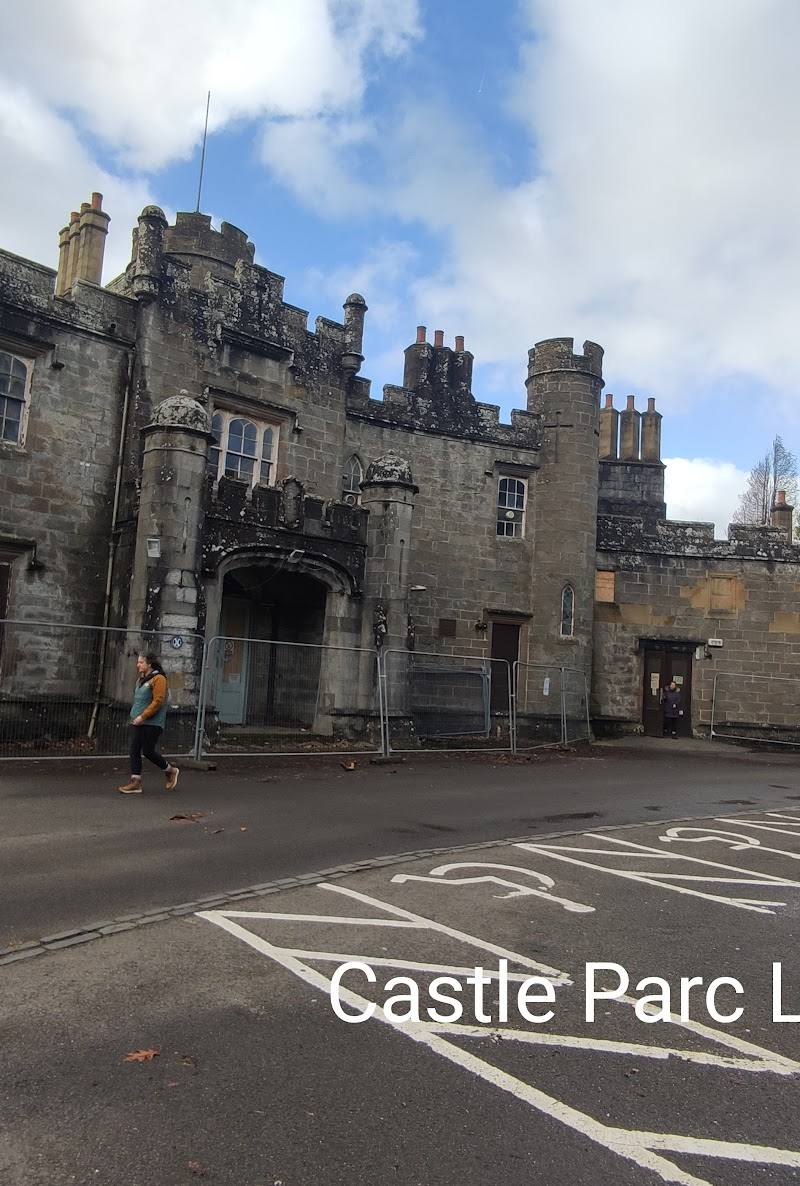
If open, visit Castle House Museum for an introduction to local social, maritime and cultural heritage.
Verified history
Dunoon grew as a Victorian resort, with visitors arriving from Glasgow by paddle steamer. Dunoon Pier dates from 1867. A statue of Highland Mary Campbell was erected on Castle Hill in 1896; the regional visitor source says she was born in the Dunoon area in 1763 and was Robert Burns’ beloved companion. Nearby Castle House Museum is described as covering local social, maritime and cultural heritage. Check current opening and access arrangements for heritage sites.
Hidden details
The Highland Mary statue’s line of sight — The regional visitor guide says the statue on Castle Hill faces south towards Ayrshire, associated with Robert Burns. Take a moment to notice its position above the Firth of Clyde.
When to go
· A clear day is useful for waterfront views; ferry schedules and seasonal services should be checked before travelling.
The sources describe Dunoon as a year-round short-break and day-trip destination but do not establish a single best season. Ferry services and event programmes may vary through the year.
The town is on the Clyde waterfront. Check the forecast and ferry operator’s latest timetable, particularly in winter or during bad weather.
Worth pairing with
Castle House Museum
A nearby option for exploring Dunoon’s social, maritime and cultural heritage. Confirm opening arrangements before visiting.
Puck’s Glen
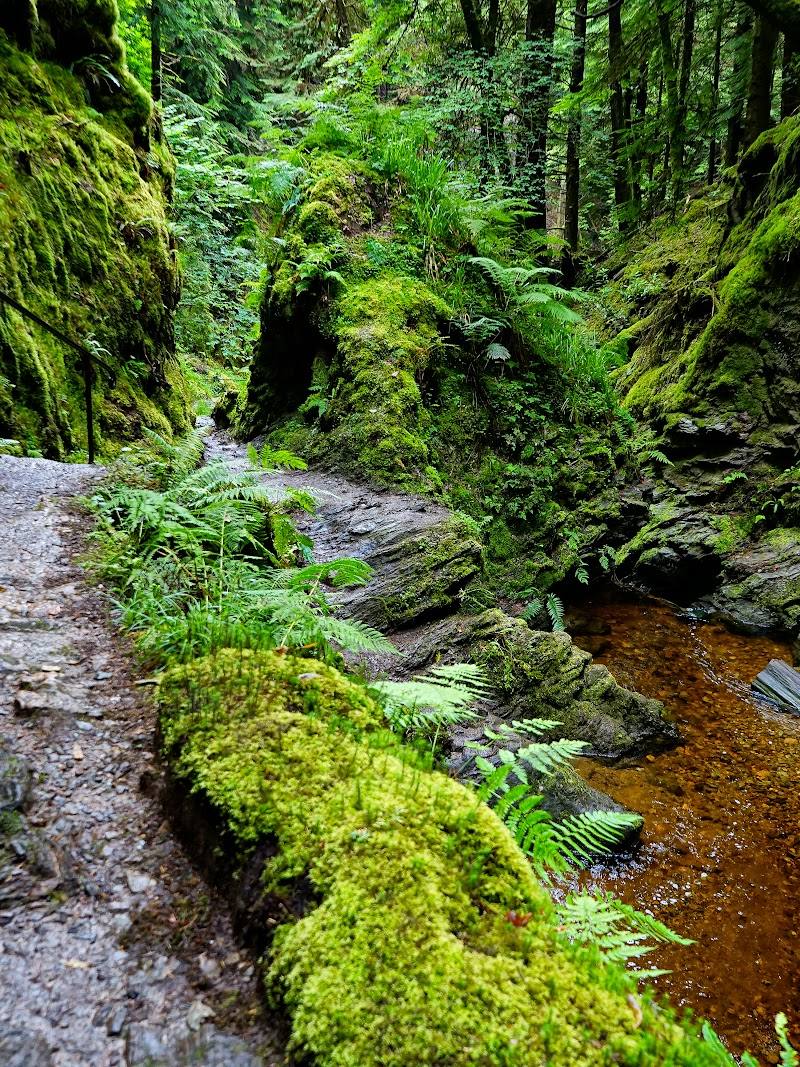
A woodland walk in the wider Dunoon and Cowal area, identified by the regional tourism source. Check current route and access information before travelling.
Benmore Botanic Garden
A garden in the wider Dunoon area, pictured and named in the local visitor guide. Check current opening details and travel arrangements.
What to look for
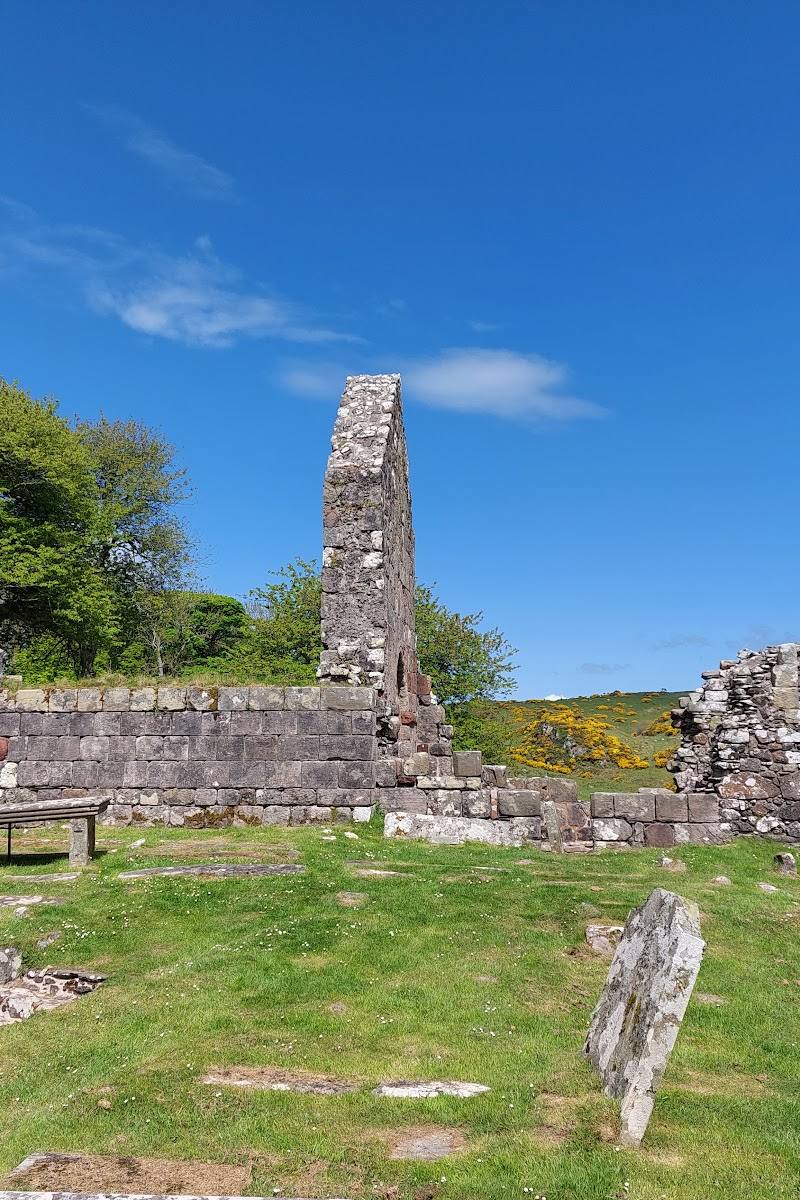
Look for Dunoon Pier, the Highland Mary statue on Castle Hill, and the waterfront setting that helped make the town a Victorian holiday destination. The visitor guide also points to Castle Gardens and the ruins of Dunoon Castle.
The story
Maritime, Literature
Best time to go
Year-round; check ferry schedules and local events before travelling.
Choose a clear day for views across the Firth of Clyde. Ferry timetables and seasonal sailings vary, so check before setting out.
How long to spend
1–2 hours
Perfect for
History lovers · Walkers · Photographers
Before you go
Practical information
Opening & access
Dunoon is a town with a waterfront, promenade and historic sites. Passenger ferries connect Dunoon and Gourock; road access is also described. Check current ferry timetables and confirm access to individual sites before travelling.
Check before visiting
Parking
Check before visiting.
Check before visiting
Toilets
Check before visiting.
Check before visiting
Food & drink
The supplied visitor guide mentions cafés and independent shops; check current opening details before visiting.
Check before visiting
Dogs
Check before visiting.
Check before visiting
Accessibility
Dunoon can be reached by road and by passenger ferry from Gourock. Route surfaces, step-free access and accessibility at individual sites are not specified; check before visiting.
Check before visiting
Cost
Check before visiting.
Check before visiting
Water
Sea
Gallery
Place photographs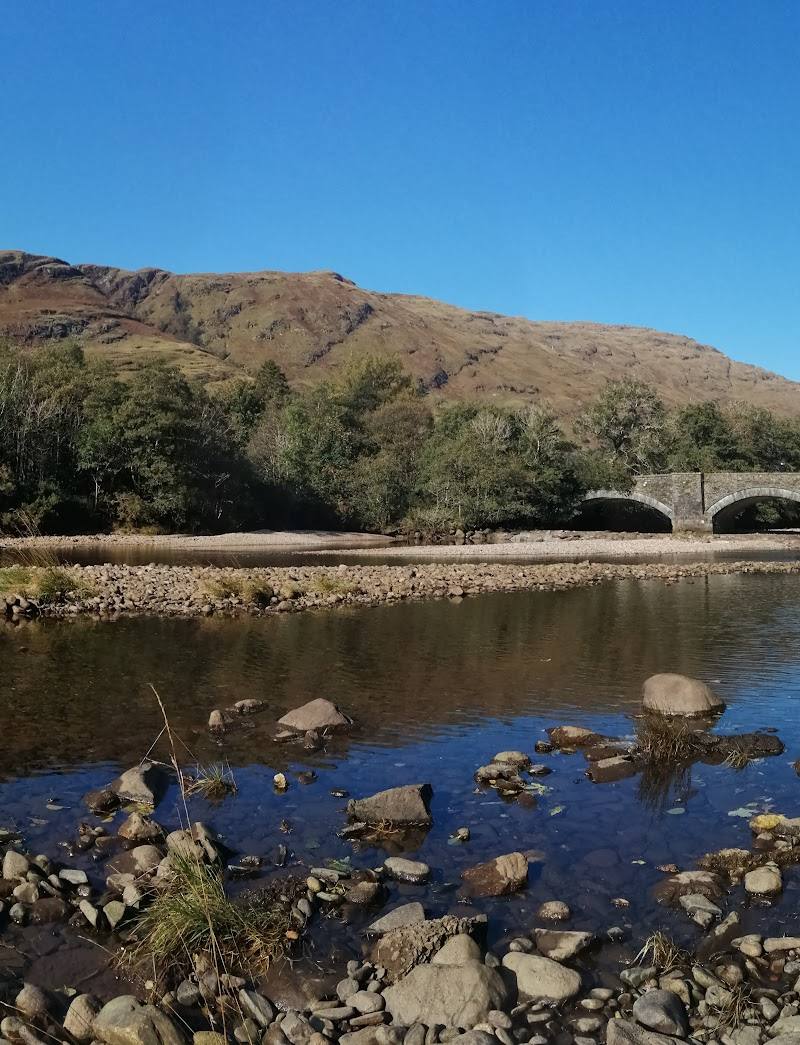
Keep exploring
Around Dunoon
Within 50 km · approximate straight-line distances