Brassknocker Basin, Monkton Combe, Bath, BA2 7JD
Dundas Aqueduct
Industrial heritage
Place photograph
8.1
Wildland
Under 1 hour for the aqueduct and basin
Time
Free to visit once parked, according to Canal & River Trust
Cost
Atmospheric
Feel
Why it's Wildland
8.1Completed in 1810 by engineer John Rennie, Dundas Aqueduct carries the Kennet & Avon Canal across the River Avon. It was the first canal structure designated a Scheduled Ancient Monument, in 1951.
This is more than a handsome canal crossing: it is a major piece of early nineteenth-century engineering with an unusually layered setting. The canal meets the remains of the Somerset Coal Canal at Brassknocker Basin, while the old Dundas Wharf still holds its tollhouse, warehouse and crane.
Atmospheric · Historic
Find your way
Open mapBrassknocker Basin, Monkton Combe, Bath, BA2 7JD
Opening map…
Know this place a little better?
The experience
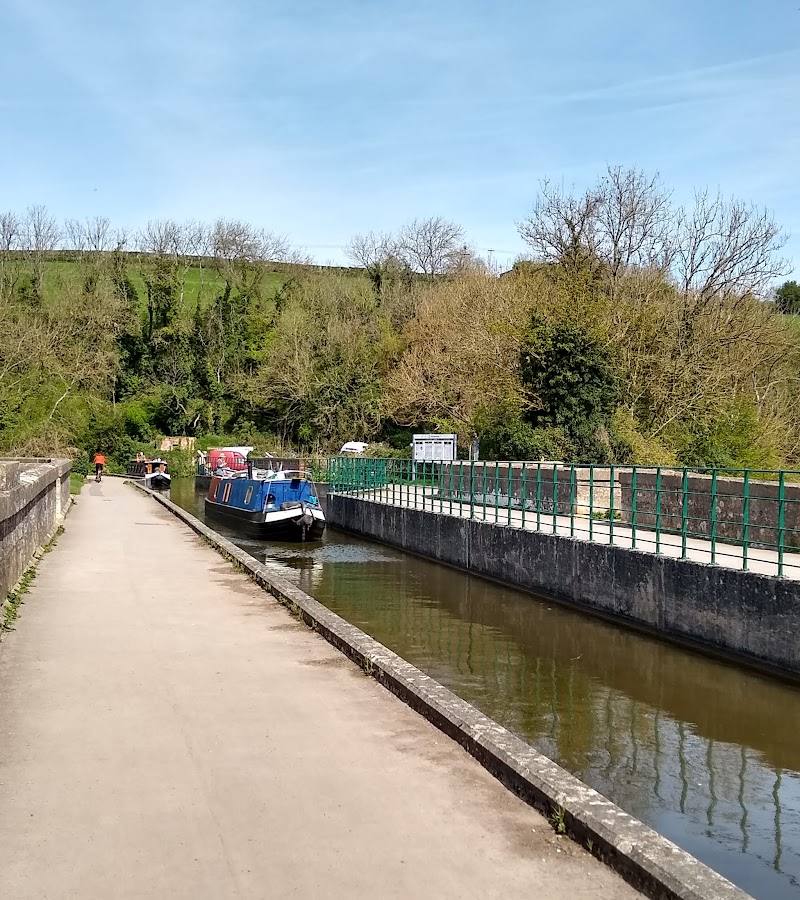
See the canal pass above the River Avon, take in the moored boats at Brassknocker Basin, then walk on to Dundas Wharf to find its surviving tollhouse, warehouse and crane.
Things to do
See the canal cross the River Avon
Take in the aqueduct’s defining engineering feature: the Kennet & Avon Canal carried above the River Avon.
Allow time to view the structure; no duration specified
Explore Brassknocker Basin
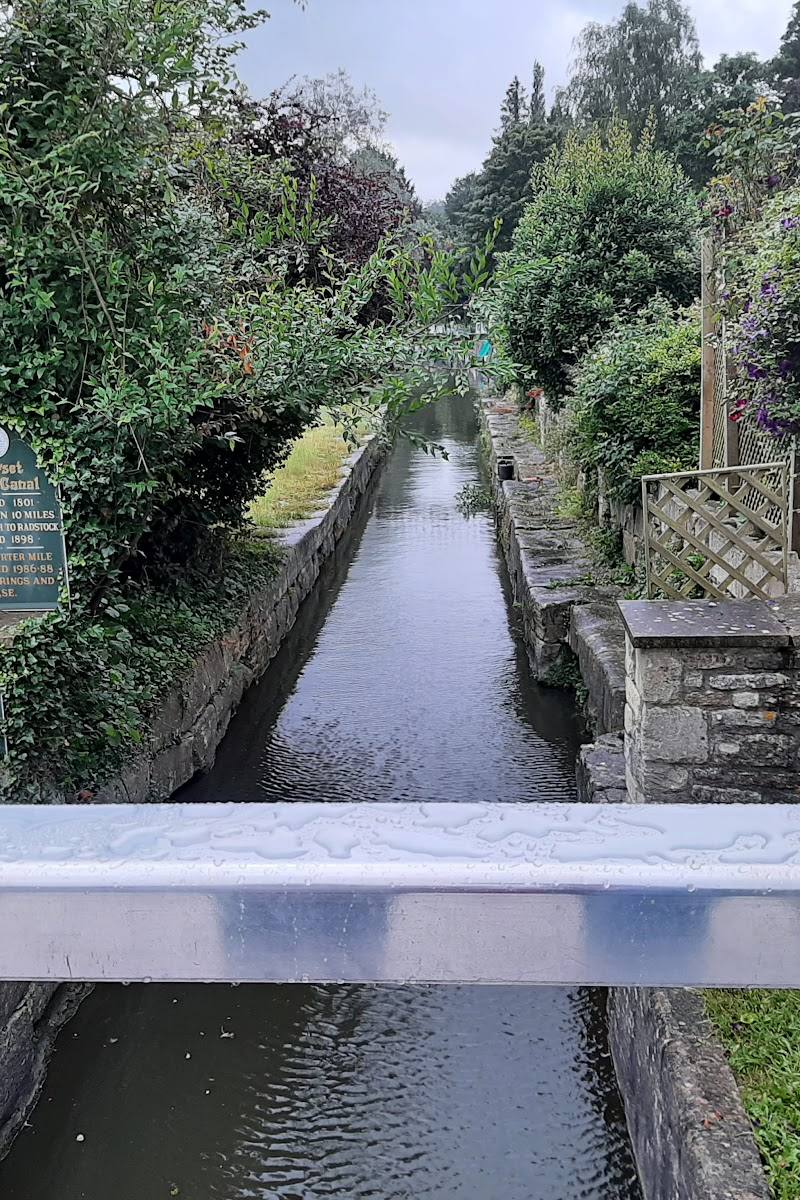
See the short stretch of the Somerset Coal Canal that remains in water, now used for boat moorings. The Trust also lists cycle hire and a café here; check their current availability.
Walk to Dundas Wharf
Continue a short distance from the aqueduct to see the surviving tollhouse, warehouse and crane.
Look for the Transport Wheel plaque
The Canal & River Trust identifies a Transport Wheel plaque at Dundas; look for it while exploring the site.
Make a day of it
Quick escape · About 30 minutes
Aqueduct and basin
- 01
Start at Brassknocker Basin.
- 02
See the canal crossing the River Avon at Dundas Aqueduct.
- 03
Pause at the basin to take in the moorings and canal junction.
Half day · About 1 hour; exact duration not specified by the sources
Add Dundas Wharf
- 01
Begin at Brassknocker Basin and view the aqueduct.
- 02
Walk on to Dundas Wharf, described by the Canal & River Trust as a short walk further on.
- 03
Look for the surviving tollhouse, warehouse and crane before returning by the same route.
Verified history
Dundas Aqueduct was completed in 1810 by engineer John Rennie. It carries the Kennet & Avon Canal over the River Avon and forms a junction with the largely derelict Somerset Coal Canal; Brassknocker Basin occupies the short section of that canal still in water. Named after Charles Dundas, the first chairman of the Kennet and Avon Canal Company, the aqueduct became the first canal structure designated a Scheduled Ancient Monument, in 1951. At nearby Dundas Wharf, the tollhouse, warehouse and crane survive.
Hidden details
A canal junction, not just a crossing — Brassknocker Basin marks the junction with the largely derelict Somerset Coal Canal. Its short surviving stretch of water is used for boat moorings.
The working remnants at Dundas Wharf — A short walk beyond the aqueduct, the old wharf still has its tollhouse, warehouse and crane.
When to go
· Not established by the supplied sources; check current conditions.
The supplied sources do not identify seasonal highlights or constraints.
Check the forecast and local conditions before visiting; path and surface information is not provided by the supplied official source.
Worth pairing with
Dundas Wharf
A short walk from the aqueduct, with a surviving tollhouse, warehouse and crane; a well-supported addition to the visit.
What to look for
- 01
Look for the aqueduct’s canal-level crossing above the River Avon
- 02
the junction with the largely derelict Somerset Coal Canal
- 03
and the tollhouse, warehouse and crane at Dundas Wharf. The Canal & River Trust also identifies a Transport Wheel plaque at Dundas.
The story
Canal engineering, the Kennet & Avon Canal and Somerset Coal Canal
Best time to go
The supplied sources do not identify a best season; check conditions before visiting.
No best time of day is established by the supplied sources. Check current conditions and local business opening before setting out.
How long to spend
Under 1 hour for the aqueduct and basin; allow longer to visit Dundas Wharf.
Perfect for
History lovers · Walkers · Families
Before you go
Address
Website
Listed hours
- Monday: Open 24 hours
- Tuesday: Open 24 hours
- Wednesday: Open 24 hours
- Thursday: Open 24 hours
- Friday: Open 24 hours
- Saturday: Open 24 hours
- Sunday: Open 24 hours
Check before visiting.
Google rating
Practical information
Opening & access
Canal & River Trust lists the site as open all day, every day. There is a car park at Brassknocker Basin; the Trust says a visit costs nothing once parked. Check current conditions before travelling.
Check before visiting
Parking
Canal & River Trust lists a car park at Brassknocker Basin. It states that the visit itself costs nothing once parked; parking charges are not specified.
Toilets
Toilets are for customers of the local pub or café, according to Canal & River Trust.
Food & drink
The Trust describes a café at Brassknocker Basin. Confirm current opening and availability before visiting.
Dogs
Check before visiting; dog rules are not stated in the supplied sources.
Check before visiting
Accessibility
Google source data reports a wheelchair-accessible entrance and seating, but the supplied official source does not describe path conditions or access across the wider site. Check before visiting.
Check before visiting
Cost
Free to visit once parked, according to Canal & River Trust; parking charges are not specified.
Water
River Avon; Kennet & Avon Canal; Brassknocker Basin
Gallery
Place photographs
Keep exploring
Around Dundas Aqueduct
Within 50 km · approximate straight-line distances