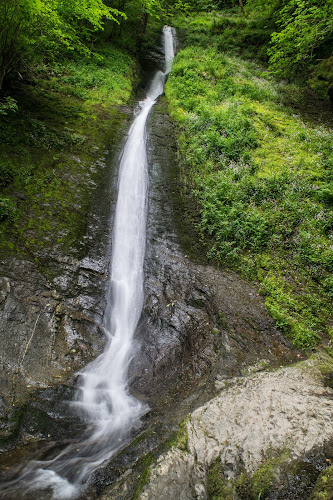
Dartmoor, southern Devon, England
Dartmoor National Park
Moor
Place photograph
9.0
Wildland
Half day, Full day, Weekend
Time
Check
Cost
Wild
Feel
Why it's Wildland
9.0Granite tors rise above open moorland, valleys and rivers, with prehistoric stone rows and other traces of people who shaped this landscape long before it became a national park.
Dartmoor earns its place for the rare combination of open, rugged moorland, dramatic granite tors and a visible prehistoric landscape. It is not one neatly bounded attraction: choose a specific area and plan around its terrain, weather and access.
Wild · Big-sky · Atmospheric · Remote
Find your way
Open mapDartmoor, southern Devon, England
Opening map…
Know this place a little better?
The experience
Pick one area rather than trying to cover the whole park. A short visit can focus on a named tor; a half-day can combine a walk with a prehistoric site or village stop. For a longer day, build around a few well-chosen places and allow for Dartmoor’s changeable weather and varied terrain.
Things to do
Walk to a granite tor
Explore a tor such as Haytor or Hound Tor for the defining granite scenery and open views. Choose a route suited to conditions and check access before setting out.
Seek out prehistoric stone rows
Add a prehistoric monument to a moorland visit. Confirm the specific site, route and access locally; the supplied evidence does not establish a recommended route.
Look for moorland wildlife
Watch for Dartmoor ponies and birds across open moorland; sightings are not guaranteed.
Try stargazing on a clear night
Dartmoor is described as having dark skies suited to stargazing. Check weather and local access before travelling after dark.
Make a day of it
Quick escape · 1–2 hours
A tor-and-moor quick escape
- 01
Choose a specific accessible tor or moorland starting point, such as Haytor, named by the official tourism source.
- 02
Walk to the granite landmark and take in the surrounding moorland views.
- 03
Check local route, parking and weather information before setting out; do not assume a particular circuit or facility.
Half day · Half day
Make a half day of Dartmoor
- 01
Choose one area of the moor rather than attempting to cover the national park as a whole.
- 02
Combine a walk among granite tors with a prehistoric stone row or other Bronze Age site; confirm the locations and access before travelling.
- 03
Finish in a nearby village for a pub or tea room, checking current opening and travel details.
Full Wildland day · Full day
A full day across Dartmoor
- 01
Plan a small number of stops in one part of Dartmoor, allowing time for walking and changes in weather.
- 02
Include a tor or open-moorland walk and a prehistoric site; the supplied sources identify Haytor, Hound Tor and prehistoric stone rows as possibilities, but do not establish a practical sequence between them.
- 03
Use a village stop for food if suitable, and verify routes, parking, facilities and opening details before departure.
Verified history
The supplied official tourism source identifies prehistoric stone rows and Bronze Age sites across Dartmoor. The source row also describes Neolithic and Bronze Age remains, but the supplied evidence does not verify particular dates or individual monument histories.
Hidden details
Stone rows in the open landscape — Prehistoric stone rows are among the details to seek out beyond the better-known tors. Confirm the chosen monument and access before visiting; the supplied sources do not identify a specific route or site coordinates.
When to go
May · June · September · For walking, choose a time that leaves a generous daylight and weather margin. For stargazing, a clear, dark night is needed.
The source row recommends late spring or early autumn for milder weather and notes heather colour as a seasonal feature. Summer may be busier at popular sites; winter weather can be foggy and rainy.
Conditions can change quickly; fog and rain are noted as common in winter. Check the forecast and visibility, carry suitable clothing, and plan for the terrain.
Worth pairing with
Dartmoor village stop
Pair a moorland visit with a pub or tea room in a surrounding town or village; the supplied evidence does not identify a specific business, so check current options.
A prehistoric site
Add a stone row or Bronze Age site to a tor walk, after checking the exact location and access for the chosen site.
What to look for
- 01
Granite outcrops and tors
- 02
prehistoric stone rows and Bronze Age sites
- 03
open moorland wildlife, including Dartmoor ponies and birds.
The story
Prehistoric archaeology, including stone rows and Bronze Age sites
Best time to go
Late spring or early autumn, when conditions are often milder. Heather adds seasonal colour; winter can be atmospheric but brings more unpredictable weather.
Late spring or early autumn for milder conditions. For stargazing, choose a clear, dark night and check local conditions before travelling.
How long to spend
Half day, Full day, Weekend
Perfect for
Walkers · Photographers · History lovers · Wildlife lovers · Stargazers
Practical information
Opening & access
A large national-park landscape with access points including visitor centres and designated car parks. Entry is described as free, but local access, facilities and conditions vary; check before visiting.
Check before visiting
Parking
Designated car parks are noted at popular sites; locations and facilities vary. Check before visiting.
Check before visiting
Toilets
Some popular-site car parks may have basic facilities; check before visiting.
Check before visiting
Food & drink
Pubs and tea rooms are noted in surrounding towns and villages. Check before visiting for current options.
Check before visiting
Dogs
Dog-friendly access is indicated in the source row; check current local guidance and signage before visiting.
Check before visiting
Accessibility
Terrain and accessibility vary across the park; moorland routes may be challenging. Check the chosen route and access information before setting out.
Check before visiting
Cost
Free entry to the national park is stated by a supplied source; check charges for specific facilities or attractions.
Check before visiting
Water
Rivers are present. Swimming or paddling permission and safe access are not established by the supplied evidence; check locally and do not assume access.
Check before visiting
Gallery
Place photographsKeep exploring
Around Dartmoor National Park
Within 50 km · approximate straight-line distances
Norsworthy Bridge
Northeast side of Burrator Reservoir, Dartmoor National Park, Devon
10.1 km away
Dartmoor Otters & Buckfast Butterflies
Buckfastleigh, Devon, near the South Devon Railway
14.8 km away