The Drift, Sewstern, near Wymondham
Cribb's Meadow
Mixed-habitat reserve
Source image
6.2
Wildland
1–2 hours
Time
Free
Cost
Peaceful
Feel
Why it's Wildland
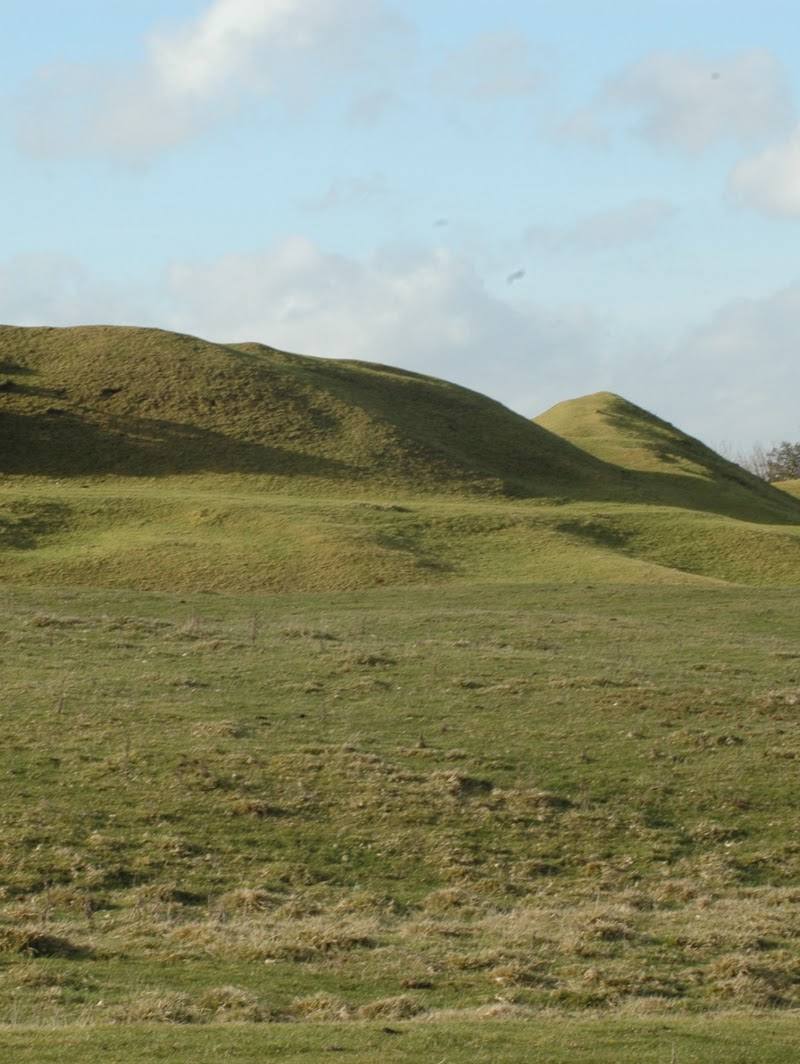
6.2A small reserve where grassland, two ponds and a disused railway line are being reclaimed by scrub and mature trees. In spring, the ponds may host great crested newts; later in spring and summer, orchids and butterflies bring the grassland into focus.
Cribb’s Meadow earns its place through its intricate habitat mix rather than scale: ponds, flower-rich grassland and a disused railway line threaded with scrub and trees. It offers a quiet, close-looking nature visit, with seasonal wildlife and plants to seek out.
Peaceful · Secluded
Find your way
Open mapThe Drift, Sewstern, near Wymondham
Opening map…
Know this place a little better?
The experience
A short, quiet reserve visit built around its habitat mosaic. Take time to look across the grassland, around the two ponds and along the disused railway line; in spring and summer, watch for the plants and wildlife noted by the reserve manager.
Things to do
Look for spring flowers
Search the reserve for cowslip and adder’s tongue, which the reserve manager lists among its spring wildflowers.
Scan the ponds for great crested newts
The reserve manager says visitors looking closely in spring might be lucky enough to see great crested newts in the ponds.
Look for orchids in the grassland
The reserve lists green-winged and common spotted orchids among the flowers to spot in later spring and summer.
Watch for butterflies
Keep an eye out in the grasslands for grizzled skipper and green hairstreak butterflies, which the reserve says may be seen in summer.
Explore the former railway line
Follow the reserve’s disused railway line, where scrub and mature trees are reclaiming the old route.
Make a day of it
Quick escape · Allow 1–2 hours; the source does not give a visit duration.
A quiet loop through the meadow mosaic
- 01
Enter through one of the reserve’s hand gates and close it behind you.
- 02
Explore the reserve’s grassland, pond edges and disused railway line at an unhurried pace.
- 03
In spring and summer, pause to look for the flowers and wildlife identified by the reserve manager.
Verified history
The reserve includes a disused railway line, now partly covered by trees and scrub. The supplied sources do not provide further history of the railway or site.
Hidden details
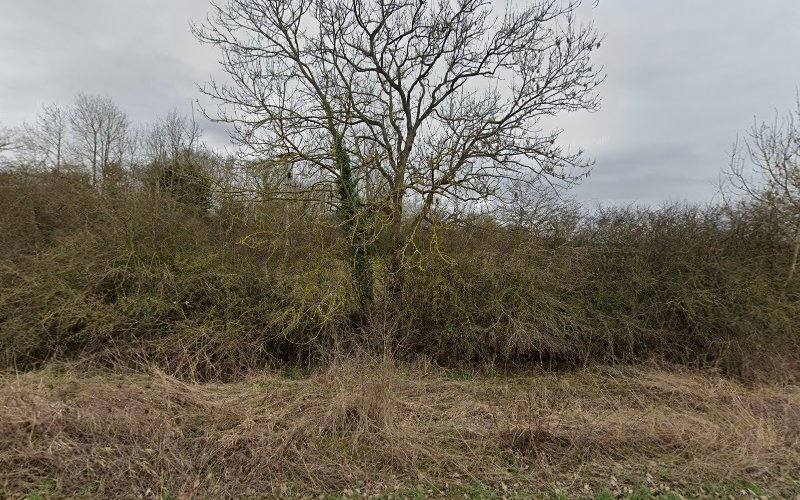
A railway corridor returning to nature — The former railway line is partly covered by scrub and trees, including buckthorn and dogwood, with oak, ash and crack willow in places.
Small flowers worth slowing down for — Alongside orchids, the reserve manager notes cowslip and adder’s tongue in spring, and agrimony, great burnet and yellow rattle in summer.
When to go
· No specific time of day is given by the supplied sources.
The reserve manager recommends summer. Spring brings birdsong and flowers, with a chance of seeing great crested newts in the ponds; later spring and summer are the stated seasons for orchids, and summer for named butterflies.
Check conditions before visiting; the supplied sources provide no weather guidance.
What to look for
In spring, look closely at the ponds for great crested newts, which the reserve says visitors may be lucky to see. Later in spring and summer, look for green-winged and common spotted orchids, and for grizzled skipper and green hairstreak butterflies in the grassland. The reserve also names adder’s tongue and cowslip in spring, and agrimony, great burnet and yellow rattle in summer.
The story
Disused railway line reclaimed by scrub and mature trees.
Best time to go
Spring to summer; the reserve manager recommends summer, with spring birdsong, flowers and possible great crested newt sightings, and later spring and summer orchids and butterflies.
Spring for birdsong, spring flowers and the chance of seeing great crested newts; later spring and summer for orchids and butterflies. The reserve manager lists summer as the best time to visit.
How long to spend
1–2 hours
Perfect for
Wildlife lovers · Walkers · Photographers
Before you go
Address
Listed hours
- Monday: Open 24 hours
- Tuesday: Open 24 hours
- Wednesday: Open 24 hours
- Thursday: Open 24 hours
- Friday: Open 24 hours
- Saturday: Open 24 hours
- Sunday: Open 24 hours
Check before visiting.
Google rating
Practical information
Opening & access
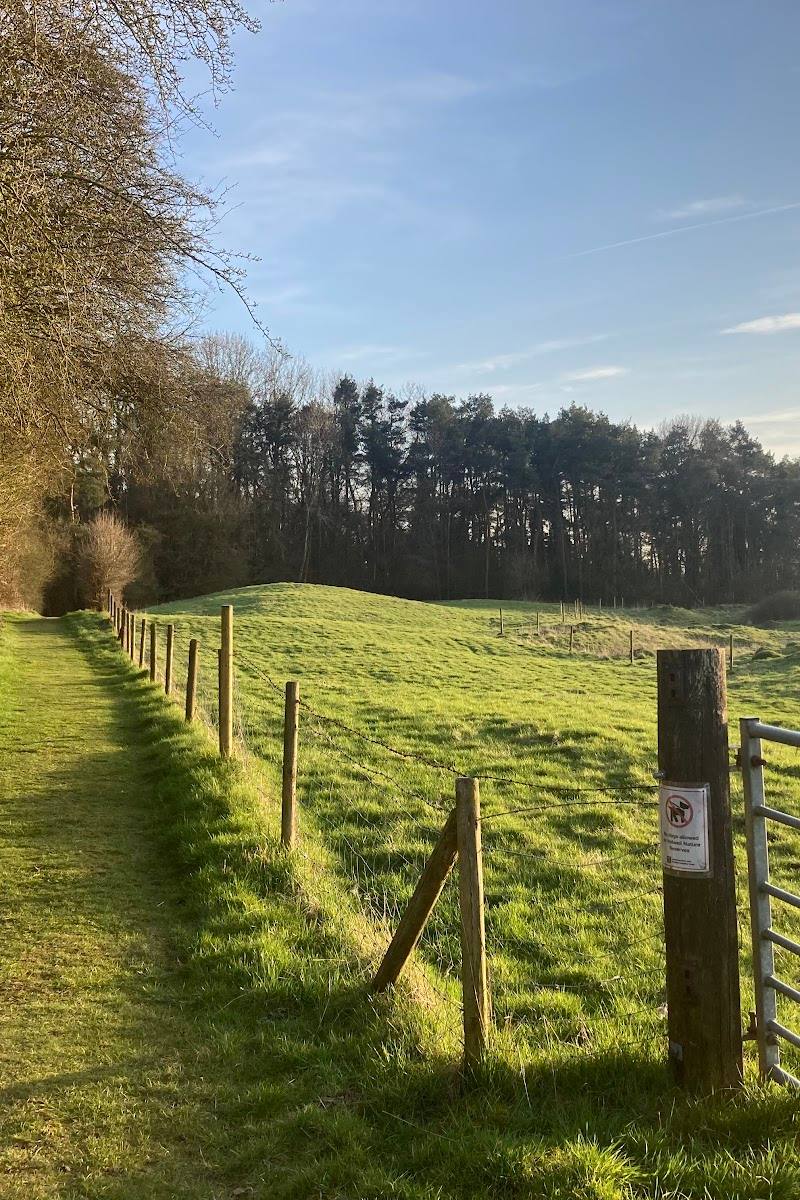
The reserve manager says it is always open and free to enter. Access is through hand gates; there are steps. Keep gates closed because livestock may be present.
Parking
The reserve manager advises parking on the right-hand verge just after the junction when turning towards Sewstern. Check directions before travelling; the supplied source row gives a different postcode from the reserve page.
Check before visiting
Toilets
Check before visiting
Check before visiting
Food & drink
Check before visiting
Check before visiting
Dogs
Dogs on a lead, according to the reserve manager.
Accessibility
There are steps and access is via hand gates. The source does not provide further accessibility information; check before visiting.
Check before visiting
Cost
Free
Water
Two ponds; no swimming permission is stated.
Gallery
Place photographsKeep exploring
Around Cribb's Meadow
Within 50 km · approximate straight-line distances
 Illustrative image9.0
Lawn Wood & Bottleneck/Jackson's Meadows
Counthorpe Lane, Castle Bytham
9.0 km away
 Place photograph6.8
Horn Mill Trout Farm Osprey Hide
Tickencote Road, Exton, Oakham, Rutland LE15 8BA
9.7 km away

 Source image8.1
Burrough Hill Country Park
Burrough on the Hill, near Melton Mowbray, Leicestershire LE14 2QZ
15.2 km away