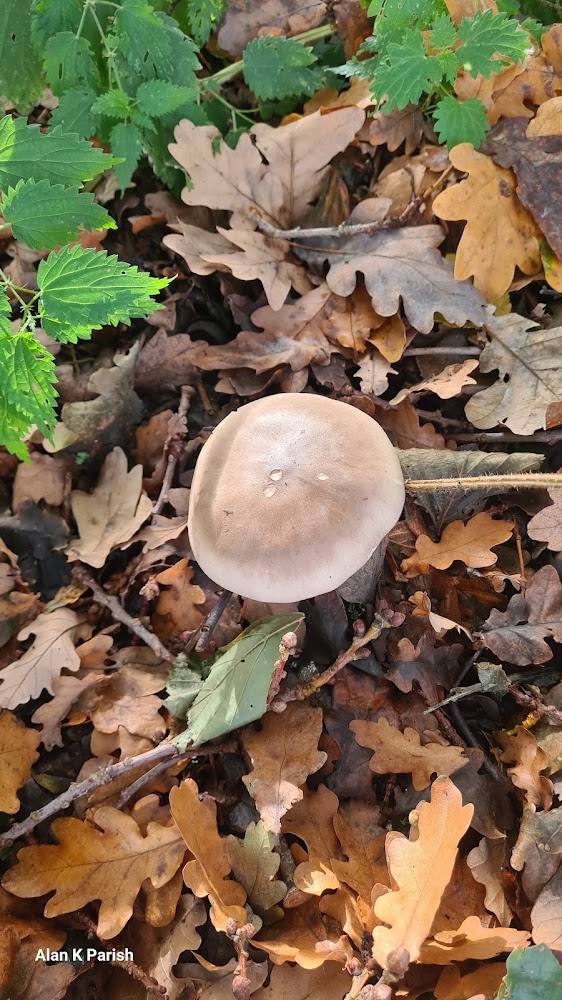
Cranham, near Upminster, Essex
Cranham Marsh Nature Reserve
Mixed-habitat reserve
Source image
7.1
Wildland
1–2 hours
Time
Check
Cost
Peaceful
Feel
Why it's Wildland
7.1A surviving patchwork of marsh, wet meadow and ancient woodland tucked inside the M25, with rare flowers and old woodland trees.
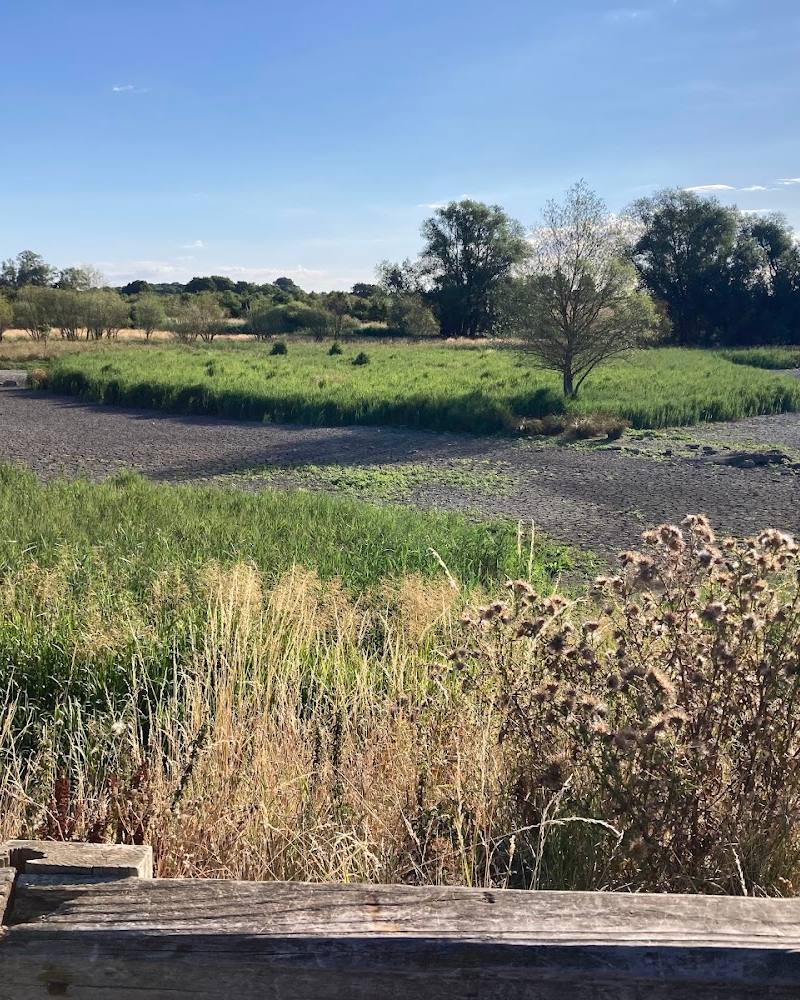
Cranham Marsh is more than a green break from the suburbs: it preserves rare fen vegetation alongside wet woodland and meadow, a habitat combination that has largely disappeared from this part of London. Its short circular trail offers a close-up of that living landscape.
Peaceful · Wild · Secluded
Find your way
Open mapCranham, near Upminster, Essex
Opening map…
Know this place a little better?
The experience
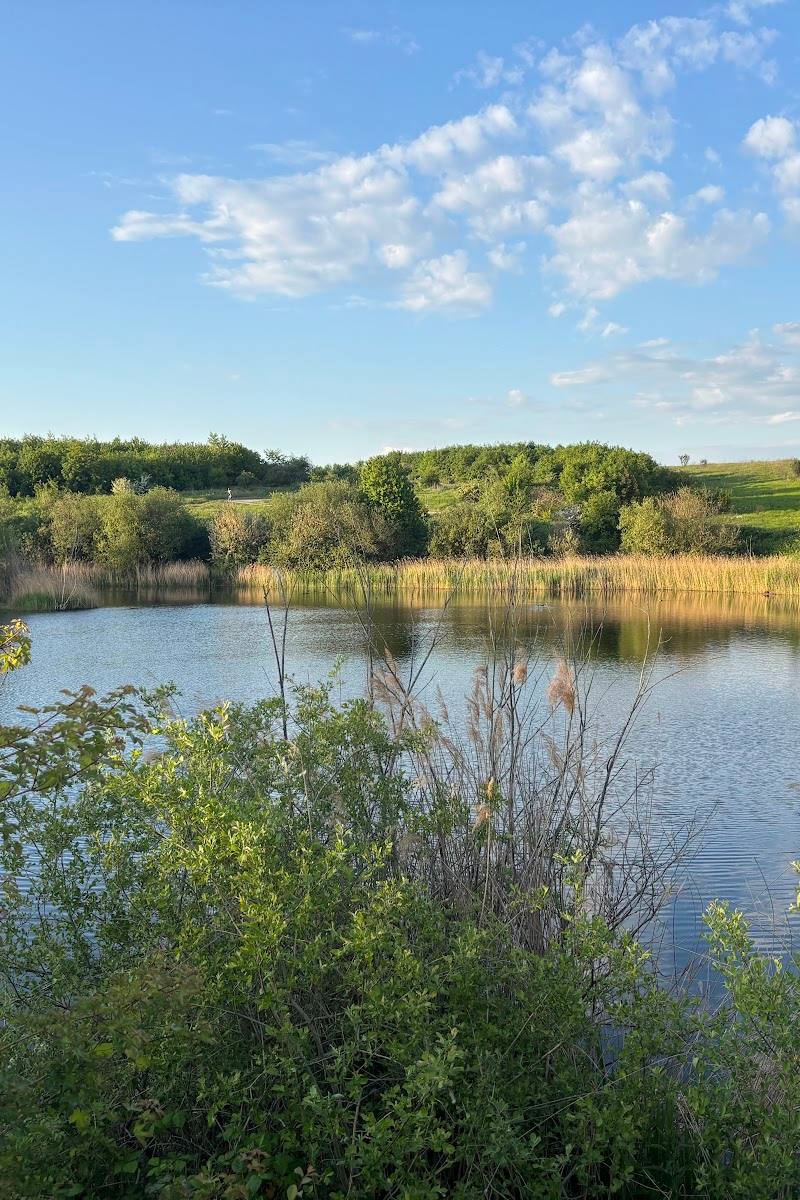
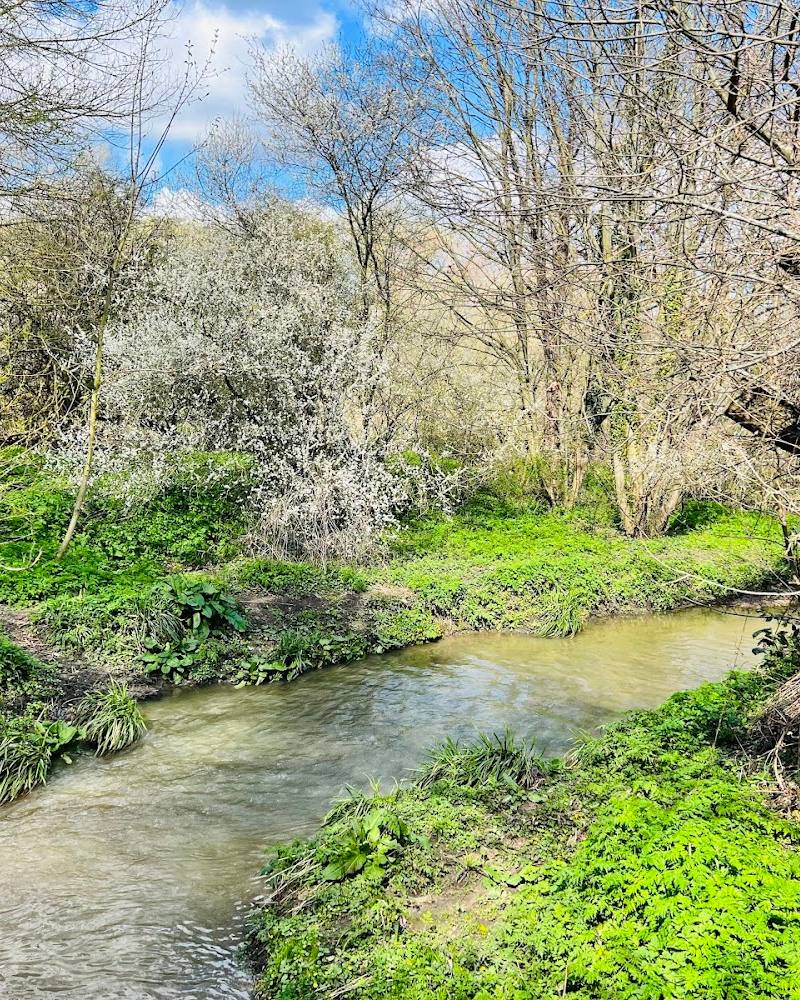
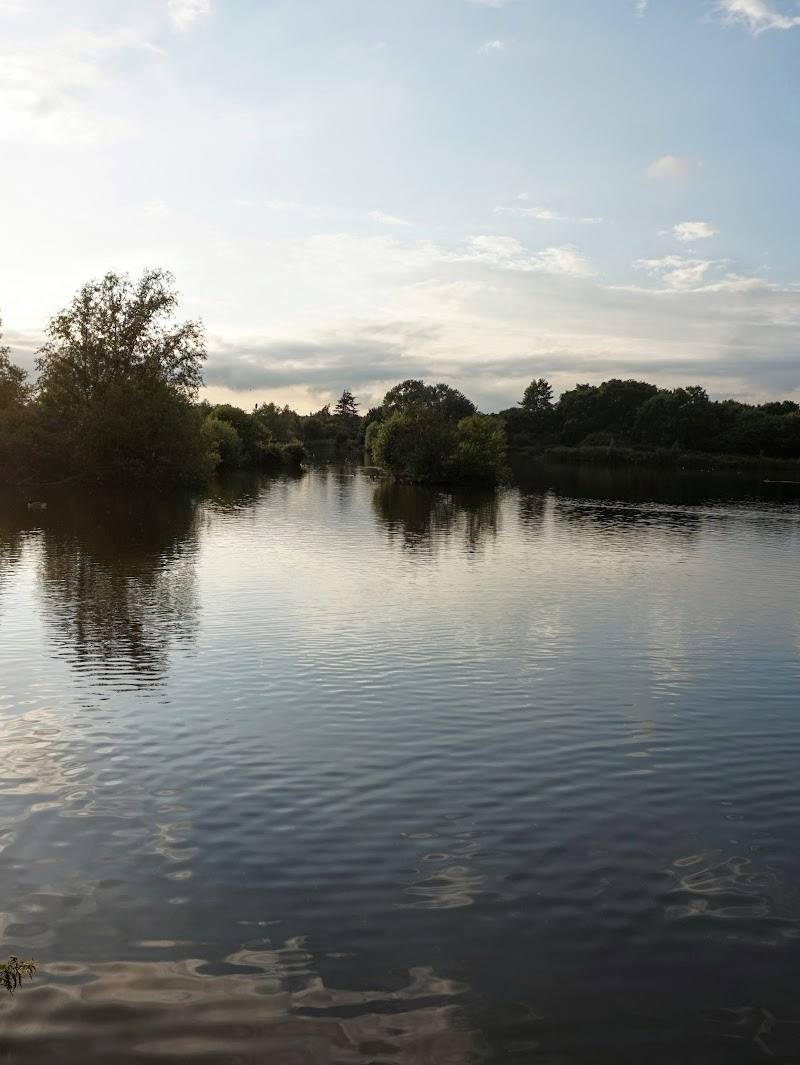
Follow the 1.5 km circular trail through a compact mix of marsh, wet meadow and woodland. In spring and early summer, look for flowers in the grassland and scan warm open ground for butterflies. Paths can be muddy in winter; there is no site car park.
Things to do
Walk the circular trail
Follow the reported 1.5 km circuit through the reserve’s woodland, marsh and meadow habitats. Paths may be muddy in winter.
Look for wet-meadow flowers
In the wetter grassland, look for southern marsh orchid and ragged robin; yellow loosestrife and purple betony are also noted for the reserve. Flowering varies with conditions and season.
Watch for butterflies and hunting birds
On sunny days, look for Wall Brown butterflies basking on warm ground. Essex Wildlife Trust also recommends watching for kestrels and sparrowhawks hunting over the reserve.
Notice the old woodland trees
Look for the large ash and oak trees in the woodland, set among the reserve’s marsh and meadow habitats.
Make a day of it
Quick escape · Allow time for the 1.5 km circular trail; check conditions before setting out.
The marshland circuit
- 01
Follow the reserve’s 1.5 km circular walking trail.
- 02
Pause at the transitions between marsh, wet meadow and woodland.
- 03
Look for seasonal flowers in the grassland and watch for butterflies on sunny days.
Verified history
Cranham Marsh preserves a rare combination of marsh, wet meadow and wet woodland. Greenspace Information for Greater London describes it as one of the few surviving areas of original fen vegetation in this part of London, where similar marshland was largely converted to farmland. The reserve includes three small ancient woodland areas, including Spring Wood. No specific historical events or people are documented in the supplied sources.
Hidden details
A remnant of a much wider fen landscape — The reserve retains fen vegetation that was once more widespread in this part of London but has largely been lost to farmland.
Spring Wood’s old woodland indicators — Greenspace Information for Greater London notes dogwood, guelder rose, spindle and midland hawthorn in Spring Wood as indicators of old woodland.
A notably large ash tree population — Havering Council reports that the woodland includes some of Essex’s largest ash trees; the supplied source does not identify individual trees or exact locations.
When to go
April · May · June · July · A sunny visit may improve the chance of seeing Wall Brown butterflies basking on warm ground; no specific time of day is stated by the sources.
Essex Wildlife Trust lists April to July as the best time to visit. This overlaps with the reserve’s spring and summer flowers and reported butterfly interest.
The trail may be muddy in winter. On sunny days, look for Wall Brown butterflies basking on warm ground.
What to look for
- 01
Look for yellow loosestrife and purple betony in the grassland
- 02
southern marsh orchid and ragged robin in wetter areas
- 03
and large ash and oak trees among the woodland. On sunny days, watch for Wall Brown butterflies on warm ground. Species presence varies by season.
The story
Surviving fen vegetation and ancient wet woodland
Best time to go
April–July, when the reserve’s flowers and wildlife are in season.
April to July is the reserve’s stated best visiting period. On sunny days, look for Wall Brown butterflies basking on warm ground.
How long to spend
1–2 hours
Perfect for
Walkers · Wildlife lovers · Photographers
Before you go
Address
Practical information
Opening & access
Essex Wildlife Trust says the reserve is accessible at all times. Its 1.5 km circular trail may be muddy in winter. Havering Council says the site is not wheelchair accessible.
Parking
No site car park. Check before visiting for nearby parking options.
Check before visiting
Toilets
Check before visiting
Check before visiting
Food & drink
Check before visiting
Check before visiting
Dogs
Dogs should be under effective control and on a lead near grazing livestock.
Accessibility
Havering Council says the site is not wheelchair accessible. Informal paths and muddy winter trail conditions are reported; check current conditions before visiting.
Check before visiting
Cost
Free public access reported by Greenspace Information for Greater London; check before visiting.
Check before visiting
Water
Marsh, Stream
Gallery
Place photographsKeep exploring
Around Cranham Marsh Nature Reserve
Within 50 km · approximate straight-line distances