Lower Road, River, Dover, Kent CT17 0UY
Crabble Corn Mill
Museum & collection
Place photograph
6.9
Wildland
1–2 hours
Time
Paid
Cost
Atmospheric
Feel
Why it's Wildland
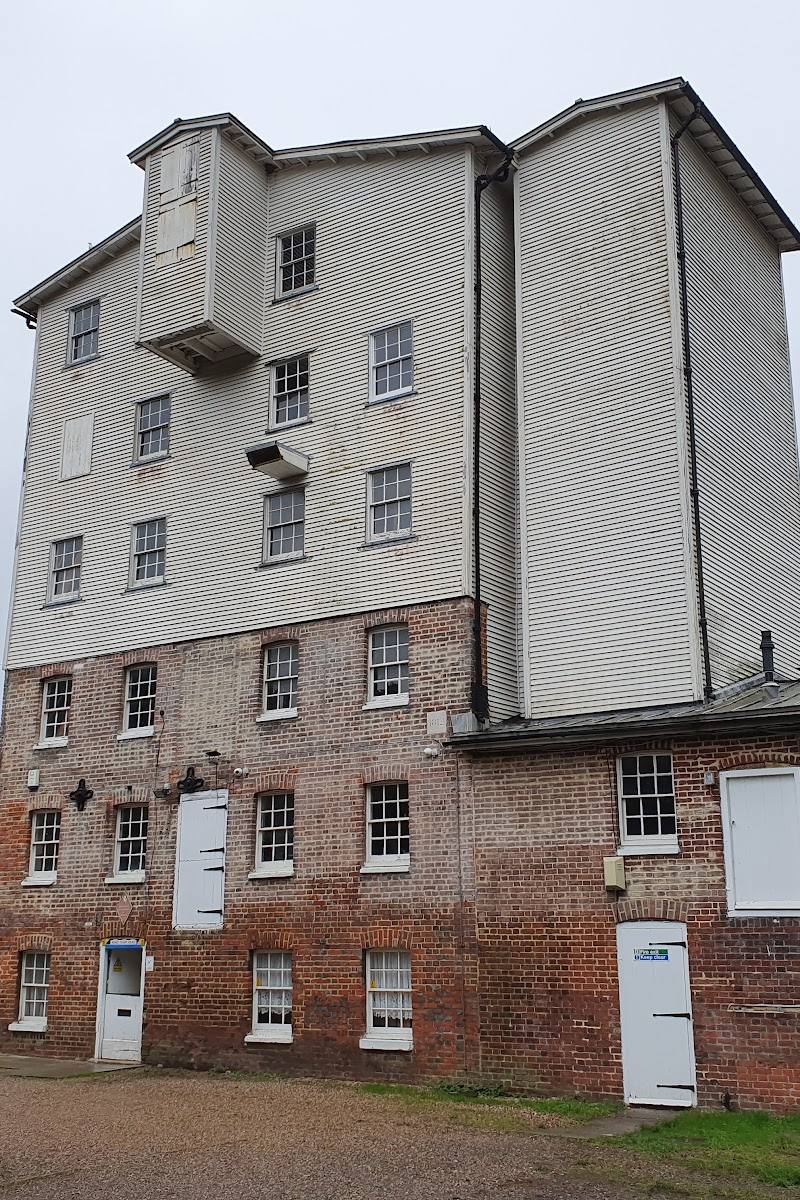
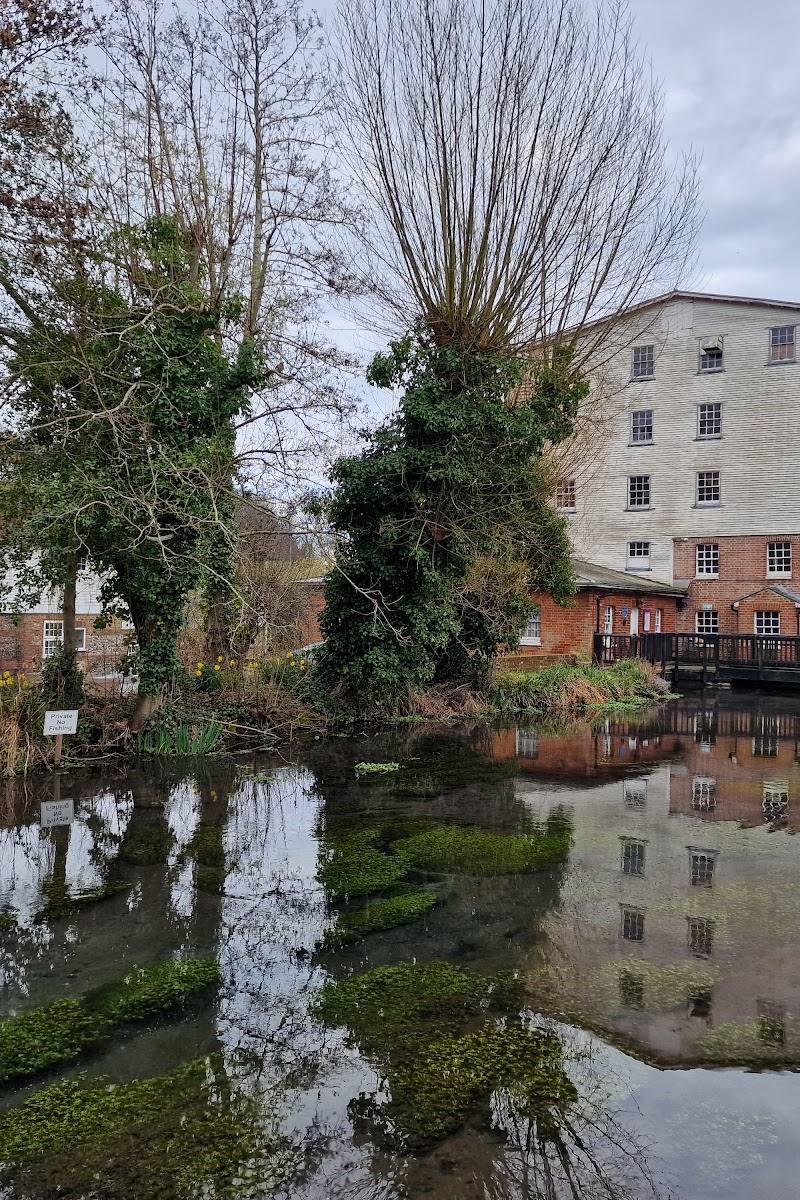
6.9Built in 1812 to supply flour to troops guarding the Kent coast, Crabble is a working Georgian watermill where water power still drives the machinery and produces flour.
This is more than a mill-shaped museum: it is a working water-powered mill with machinery spread across five floors and a direct connection to Dover’s Napoleonic-era coastal defences. Its surviving engineering and live milling demonstration make it a distinctive heritage visit.
Atmospheric · Historic
Find your way
Open mapLower Road, River, Dover, Kent CT17 0UY
Opening map…
Know this place a little better?
The experience
Allow around an hour or two for a visit centred on the working machinery, milling process and exhibits. The mill’s official information describes a guided tour of approximately 45 minutes; verify current tours and admission before setting out.
Things to do
See the water-powered mill at work
Observe the mill machinery operating under water power; the official visitor information says the mill can be seen working and producing flour.
About 45 minutes for the guided tour, according to the mill
Follow the milling process
Use the exhibits and machinery to understand how wheat is turned into flour; the mill’s official page describes demonstrations of the traditional milling process.
Explore the mill exhibits
Look through the exhibits on milling and the building’s machinery. The local visitor-information listing describes six floors of exhibits; the mill’s own group-tour information refers to five floors of water-powered machinery.
Make a day of it
Quick escape · About 1 hour
Quick mill visit
- 01
Check the mill’s current opening and tour arrangements before travelling.
- 02
Take a tour or self-guided visit, depending on what is available.
- 03
Focus on the water-powered machinery and the stages of turning wheat into flour.
Half day · Half day
Make a half day of it
- 01
Visit the mill and allow time for the machinery, exhibits and milling process.
- 02
If open, pause at the café for a snack or light lunch; the mill’s official information says it has views across the millpond.
- 03
Check current opening arrangements and café availability in advance.
Verified history
The current mill building was built in 1812 to supply flour to troops defending the Kent coast against a possible invasion by Napoleon’s forces. The destination’s visitor information says a mill stood on the site as early as 1227, when Henry III granted a Charter of Confirmation to St Radigund’s Abbey. The present mill has been restored and open to the public since 1990. Today it operates as a working museum demonstrating water-powered milling.
Hidden details
The older mill site — The current building is not the first mill here: the destination’s visitor information records a mill on the site by 1227. It says the earlier building was later demolished to make way for additional storage space, now used for the ground-floor exhibition area and tea rooms.
Flour made at the mill — The mill’s visitor information says it produces wholemeal flour, which is available to buy at the mill. Check current availability.
When to go
· Check current opening and tour times before visiting; the mill’s official information lists last tours at 14:00.
The mill’s official visitor information says it is open all year, but opening days and times may change with events and staff availability. No season-specific visitor advantage is evidenced.
No specific weather guidance is evidenced. Check opening arrangements before travelling.
What to look for
Watch how water power drives the milling machinery, follow the stages of turning wheat into flour, and look for the ground-floor exhibition area in the space associated with the earlier mill’s storage.
The story
Georgian water-powered milling; flour supply for troops defending the Kent coast; a mill site recorded in 1227.
Best time to go
Open throughout the year according to the mill’s official visitor information; check current opening arrangements before visiting.
Check the mill’s official visitor information before travelling. It lists opening Monday to Thursday and says arrangements may change with events and staff availability.
How long to spend
1–2 hours
Perfect for
History lovers · Families
Before you go
Address
Phone
Website
Listed hours
- Monday: 10am-2pm
- Tuesday: 10am-2pm
- Wednesday: 10am-2pm
- Thursday: 10am-2pm
- Friday: Closed
- Saturday: Closed
- Sunday: Closed
Check before visiting.
Google rating
Practical information
Opening & access
A working watermill open to visitors for tours. The mill’s official visitor information lists Monday to Thursday, 10:00–15:00, with last tours at 14:00; days and times can change, so check before travelling. Admission is charged.
Check before visiting
Parking
Check before visiting. The destination source reports off-site parking, with charges possibly applying; the mill’s official page mentions free coach parking nearby.
Check before visiting
Toilets
The Wheels of Time listing reports toilets on site; check before visiting.
Check before visiting
Food & drink
The mill’s official visitor information describes a café serving snacks, light lunches and cream teas at additional cost. The destination listing also reports food and drink on site.
Dogs
The destination listing reports guide dogs, hearing dogs and registered assistance dogs welcome. Other dog access is not verified.
Accessibility
The destination listing reports a wheelchair-accessible car park, entrance and toilet. The local visitor-information listing says only the lower floor of the historic building is wheelchair accessible. Check current access arrangements before visiting.
Check before visiting
Cost
Paid
Water
Millpond; water is part of the mill’s operation. No swimming or paddling permission is evidenced.
Gallery
Place photographs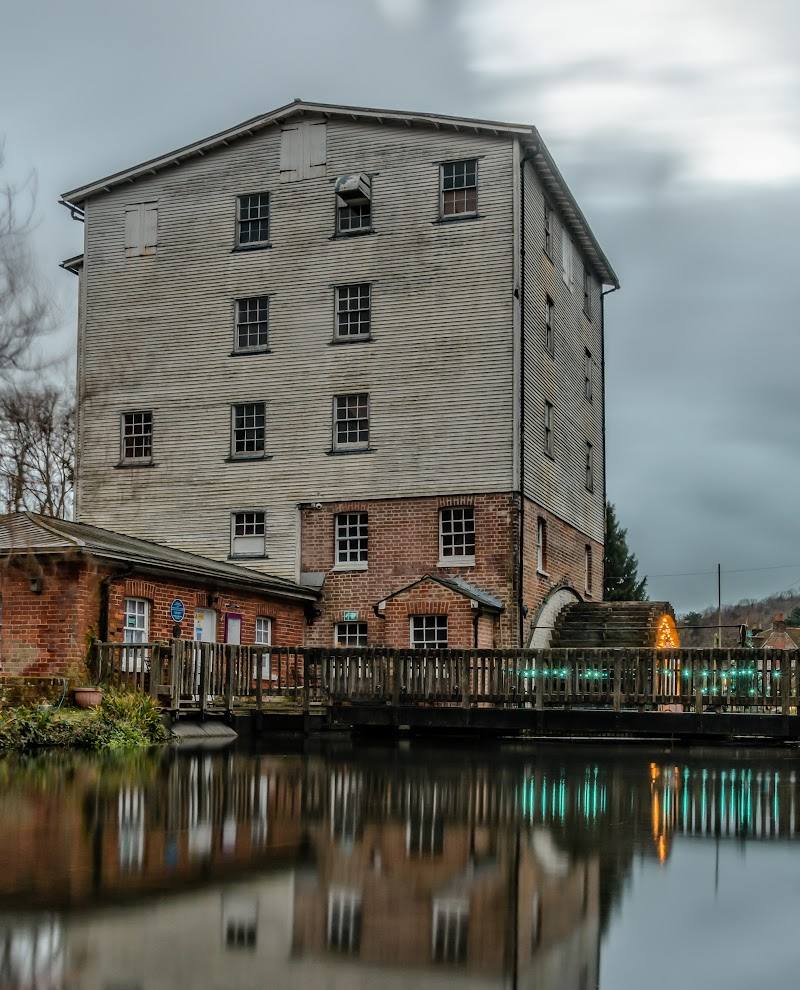
Keep exploring
Around Crabble Corn Mill
Within 50 km · approximate straight-line distances
 Place photograph6.2
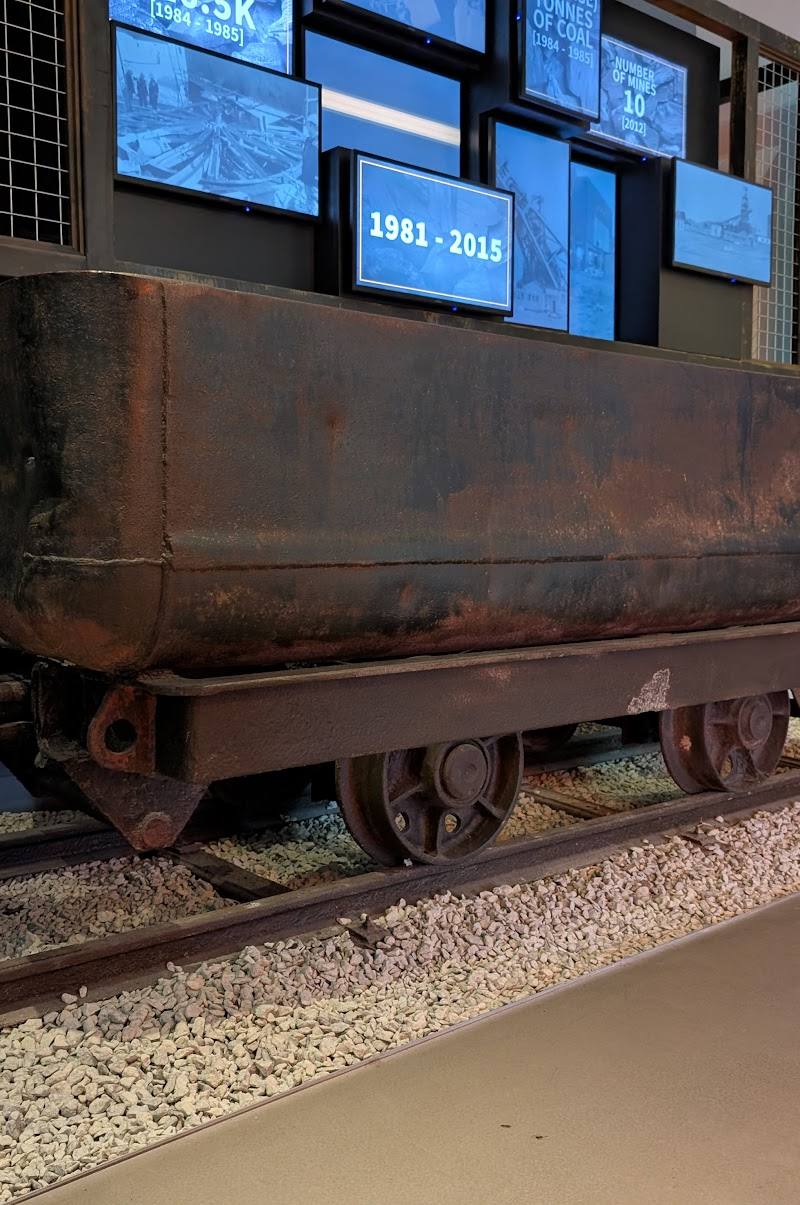
Kent Mining Museum
Betteshanger Park, Sandwich Road, Deal, Kent CT14 0BF
12.2 km away
 Place photograph5.6
Wingham Wildlife Park
Rusham Road, Wingham, near Canterbury, Kent CT3 1JL
15.9 km away

 Source image8.5
Richborough Roman Fort and Amphitheatre
Richborough Road, Sandwich, Kent CT13 9JW
17.0 km away