6.3
Wildland
Half day
Time
Paid
Cost
Atmospheric
Feel
Why it's Wildland
6.3Founded by Thomas Fox in 1799, Coldharbour Mill still makes worsted knitting yarn on period machinery. Its industrial story can be read in the machinery itself: a large water wheel, a beam engine and a 300hp steam engine.
This is a rare chance to encounter industrial history as machinery and production rather than static display: Coldharbour Mill has continued making yarn on period equipment since reopening as a museum in 1982. Its strongest appeal is the tangible story of power, wool and working lives in a Devon mill.
Atmospheric · Historic
Find your way
Open mapUffculme, near Cullompton, Devon EX15 3EE
Opening map…
Know this place a little better?
The experience
Explore a surviving woollen and worsted mill where period machinery remains part of the story. The supplied sources describe factory tours, a large water wheel, steam and beam engines, exhibits on mill conditions and workers, and displays on wartime life. Check admission, tour availability and current opening details before setting out.
Things to do
See the water wheel and mill power systems
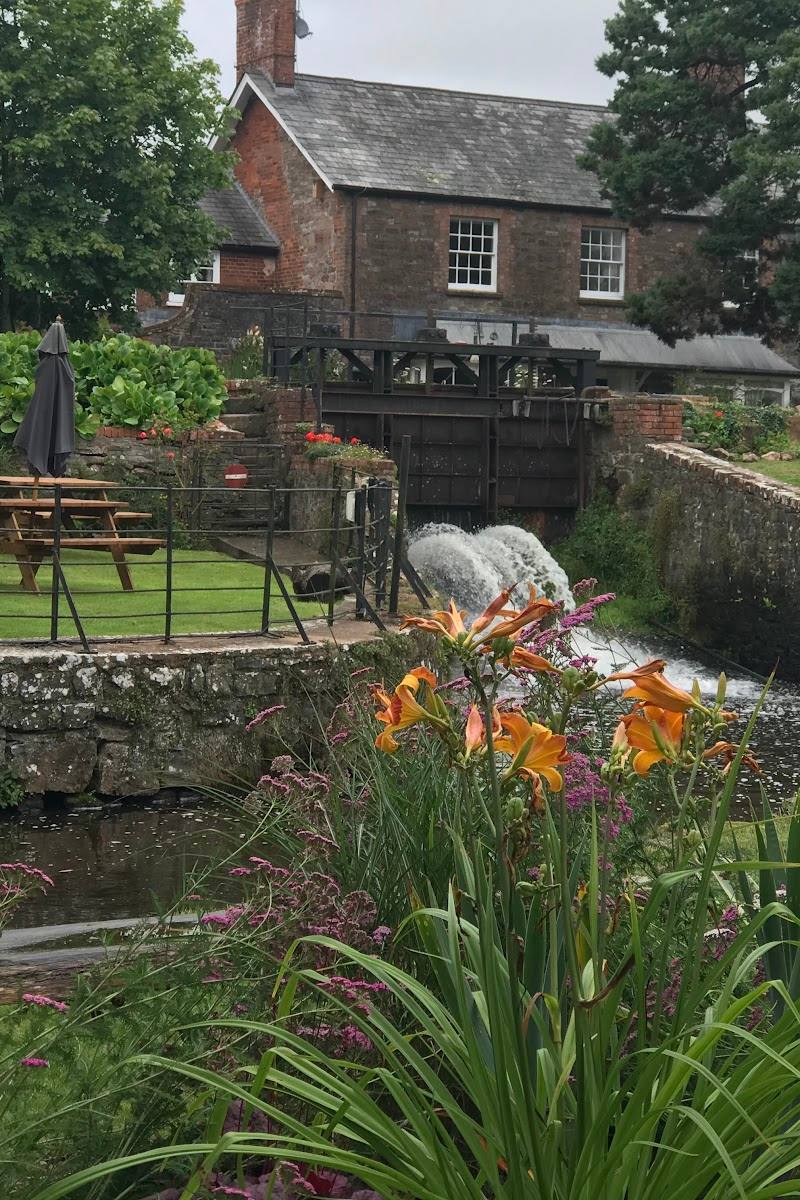
Look for the 1821 high breast-shot water wheel and the mill’s other power equipment. The source describes the wheel as the largest in the South West; this is a source-reported claim.
Check visit duration
Follow the story from wool to yarn
Explore the factory-tour interpretation of hand processes and the period machinery used for spinning and weaving. Whether processes are demonstrated on a particular visit is not confirmed; check ahead.
Check tour availability
Look for the mill’s engines
The visitor information identifies an 1867 Kittoe & Brotherhood beam engine and a 1910 Pollit & Wigzell steam engine among the mill’s power sources.
Check visit duration
Explore the textile and wartime displays
The supplied visitor information describes an exhibition about puttees and a Home Front display with Second World War memorabilia.
Check visit duration
Make a day of it
Quick escape · Allow around 1–2 hours; check visit and tour timings
See the mill’s working machinery
- 01
Check current admission and tour arrangements before travelling.
- 02
Explore the mill museum and look for the machinery described in the visitor information, including the water wheel and engines.
- 03
If tours are running, ask about seeing the yarn-making processes demonstrated.
Half day · Half day
Make a half day of the mill
- 01
Plan a visit around the mill’s general-admission days, Tuesday–Saturday, and confirm current details with the museum.
- 02
Allow time for the factory tour if available, then explore the machinery and the displays on mill work and wartime life.
- 03
Check whether the mill shop or restaurant is open as part of your visit.
Verified history
Coldharbour Mill was built by Thomas Fox in 1799 to spin woollen and later worsted yarns. The supplied visitor information says the mill reopened as a museum in 1982 and has continued producing worsted knitting yarn on period machinery. It describes a 1821 high breast-shot water wheel, an 1867 beam engine and a 1910 steam engine. Its interpretation includes Victorian mill conditions, the treatment and welfare of workers—including children—and the influence of Quaker attitudes. A puttees exhibition and a Home Front display cover aspects of the mill’s products and wartime history.
Hidden details
The mill still makes yarn — The supplied visitor information says Coldharbour Mill continues to produce worsted knitting yarn using period machinery—a detail that distinguishes it from a museum presenting machinery only as an exhibit.
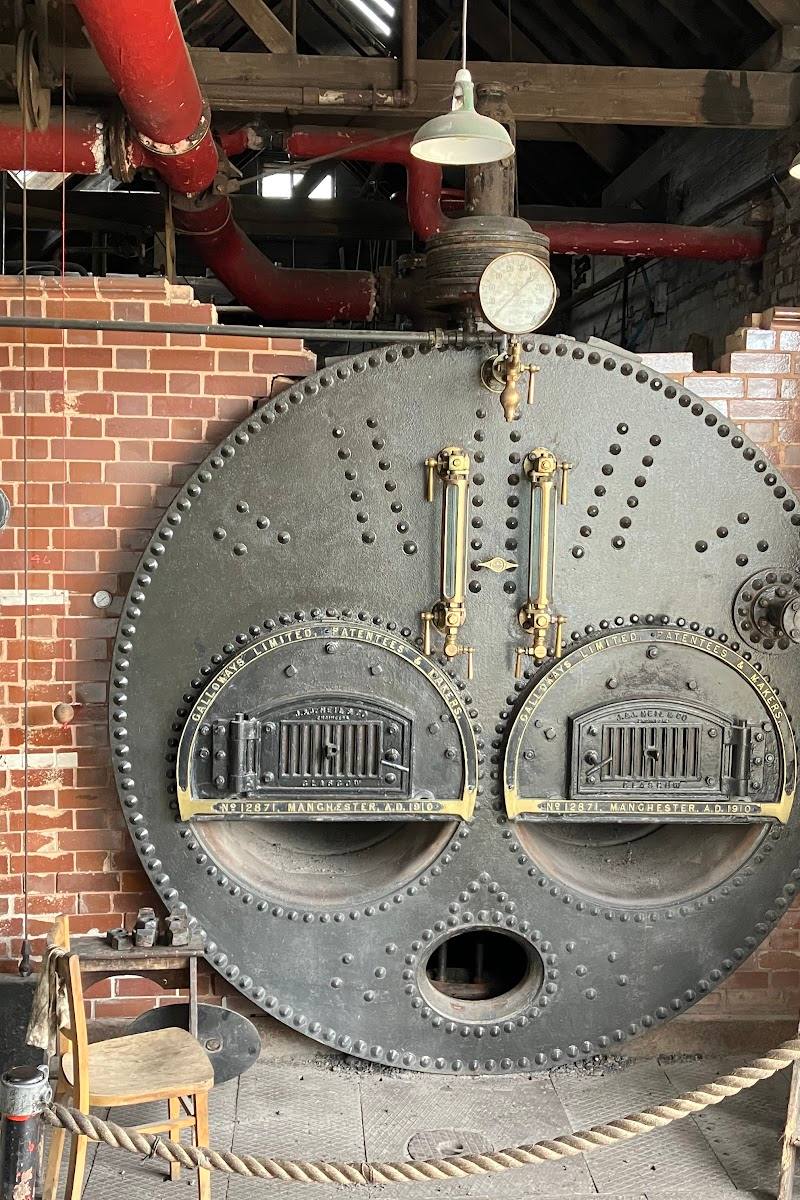
Look for evidence of the mill’s power sources — The visitor information names a water wheel, beam engine, steam engine and Lancashire boiler. It says the boiler is steamed up on special event days; event dates are not supplied, so check the mill’s event information.
When to go
· No evidence-backed time-of-day recommendation; check current opening and tour arrangements.
The supplied sources do not establish a seasonal advantage.
Check the forecast and current visitor information before travelling; no site-specific weather guidance is provided in the supplied sources.
What to look for
Look for the 1821 high breast-shot water wheel, the 1867 beam engine and the 1910 steam engine. The sources also describe machinery used to make yarn, a puttees exhibition, and a Home Front display with wartime memorabilia.
The story
Wool and worsted manufacture; Georgian industry; Quaker influence and mill workers; wartime home-front history.
Best time to go
Check current opening arrangements before visiting; the supplied evidence does not establish a seasonal advantage.
No best time of day or seasonal peak is established by the supplied evidence. Check the mill’s current visit information before travelling.
How long to spend
Half day
Perfect for
History lovers · Families · Photographers
Before you go
Address
Phone
Website
Listed hours
- Monday: Closed
- Tuesday: 11am-4pm
- Wednesday: 11am-4pm
- Thursday: 11am-4pm
- Friday: 11am-4pm
- Saturday: 11am-4pm
- Sunday: Closed
Check before visiting.
Google rating
Practical information
Opening & access
A working textile-mill museum offering general admission Tuesday–Saturday, according to its group-visits page. Admission is charged; check the official visit page for current arrangements before travelling.
Check before visiting
Parking
The supplied listing reports free street parking and a free car park; verify availability and arrangements before travelling.
Check before visiting
Toilets
The supplied listing reports toilets and an accessible toilet; check current facilities before visiting.
Check before visiting
Food & drink
The supplied listing reports a restaurant. Check current availability before visiting.
Check before visiting
Dogs
Check before visiting.
Check before visiting
Accessibility
The supplied listing reports a wheelchair-accessible car park, entrance, seating and toilet, and wheelchair rental. Confirm current access arrangements directly with the mill.
Cost
Paid
Water
Water wheel and water-power machinery are described; this is not evidence of permission for water activities.
Gallery
Place photographs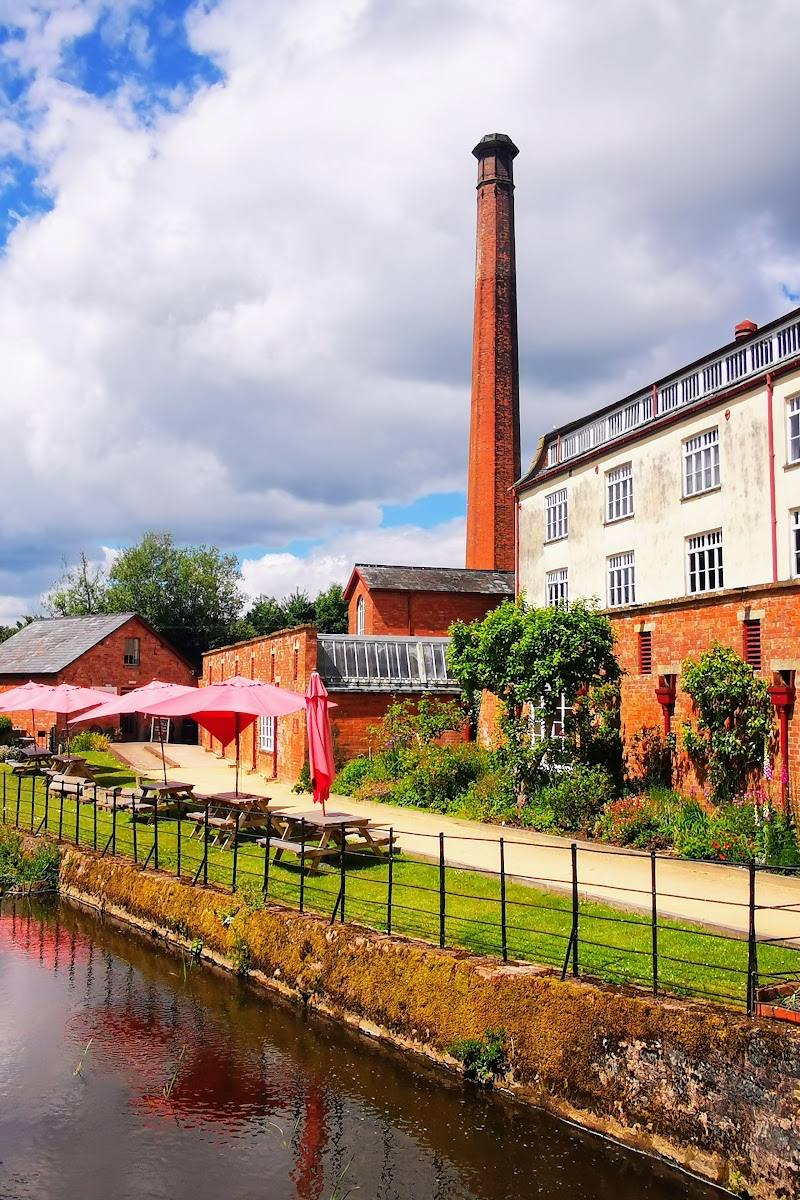
Keep exploring
Around Coldharbour Mill
Within 50 km · approximate straight-line distances