Burham Down, near Rochester, Kent ME5 9RH
Burham Down
Mixed-habitat reserve
Source image
6.0
Wildland
1–2 hours
Time
Check
Cost
Wild
Feel
Why it's Wildland
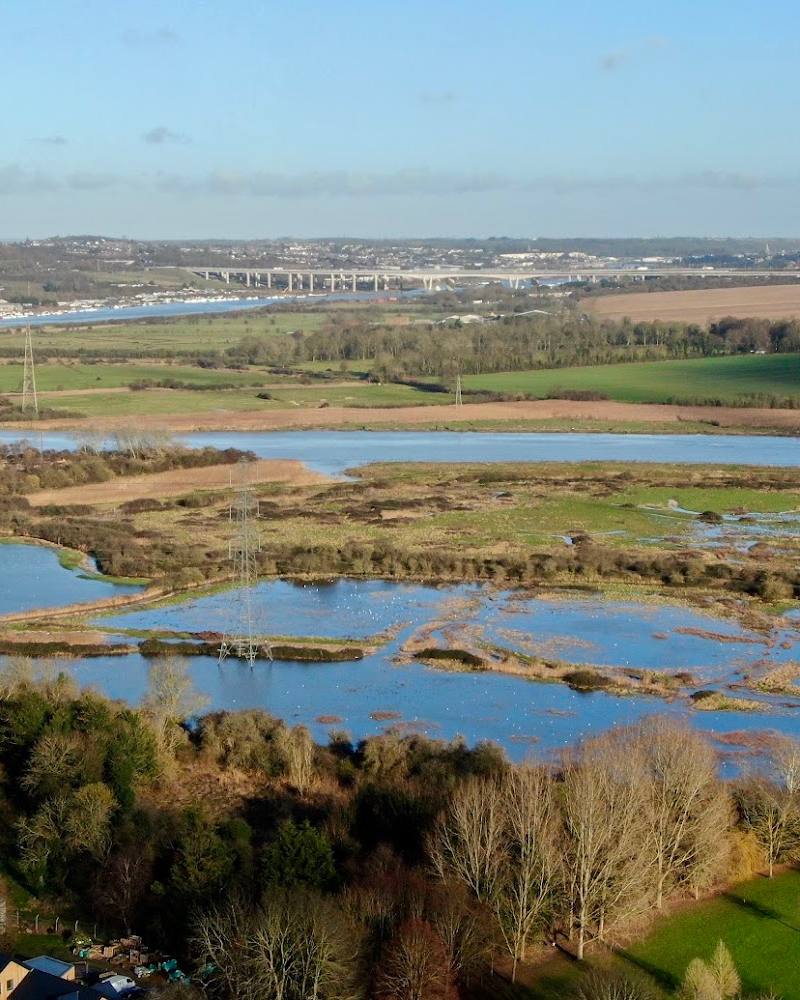
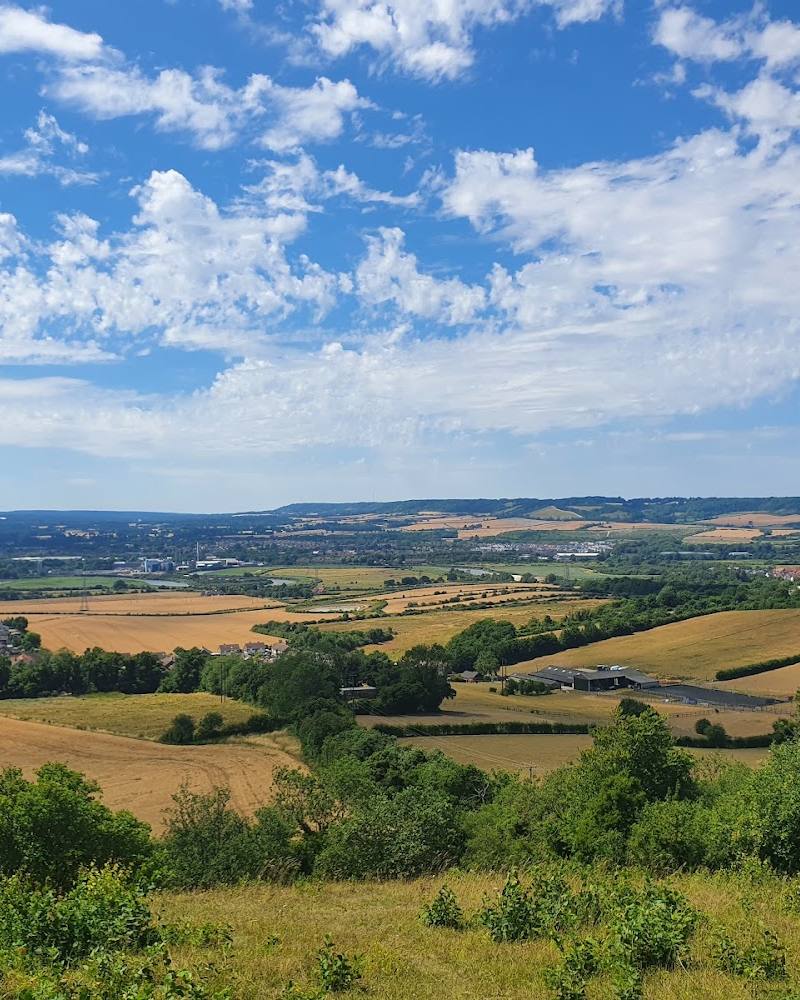
6.0On the Kent Downs above the Medway, Burham Down brings chalk grassland and woodland together on a steep slope, with far-reaching views over the Weald. Orchids, butterflies and breeding birds give the reserve its seasonal detail.
Burham Down earns its place through contrast: chalk grassland, woodland and a steep downland setting sit together above the Medway, with views across the Weald and a notable variety of wildlife. It is a proper walk rather than an easy-access viewpoint, so come prepared for uneven, sometimes slippery paths.
Wild · Big-sky · Peaceful
Find your way
Open mapBurham Down, near Rochester, Kent ME5 9RH
Opening map…
Know this place a little better?
The experience
Explore the mix of chalk grassland and woodland, pausing to scan the slopes for orchids and butterflies and to take in the Weald views. Paths can be steep, uneven and slippery; this is not a wheelchair-accessible visit.
Things to do
Explore the chalk grassland and woodland
Walk through the reserve’s two contrasting habitats, keeping an eye out for orchids in the woodland and chalk grassland.
Scan the grassland for butterflies
Look along the chalk grassland and scrub for butterflies. The community trail leaflet names common blue and chalkhill blue among the species recorded here.
Listen for nightingales
The community trail leaflet reports a large colony on Burham Downs and says its song may be heard from mid-April to midsummer.
Take in the views over the Weald
Pause on the down for the reserve’s views across the Weald of Kent.
Make a day of it
Quick escape · About 1–2 hours
Quick Downland Escape
- 01
Check the current access information and choose an appropriate route into the reserve.
- 02
Walk a manageable section through the chalk grassland and woodland.
- 03
Pause for the views over the Weald and look for orchids, butterflies and birds.
- 04
Return the way you came; expect steep, uneven ground and stiles.
Half day · Half day
Make a Half Day of the Downland
- 01
Use the Burham Community Trail leaflet to plan the downland walk from Burham village through the reserve.
- 02
Take the steeper climb towards the North Downs Way and the Blue Bell Hill picnic site only if the gradient and ground suit your group.
- 03
Allow time for wildlife watching and the panorama over the Medway valley.
- 04
Confirm route conditions and any facilities before setting out.
Verified history
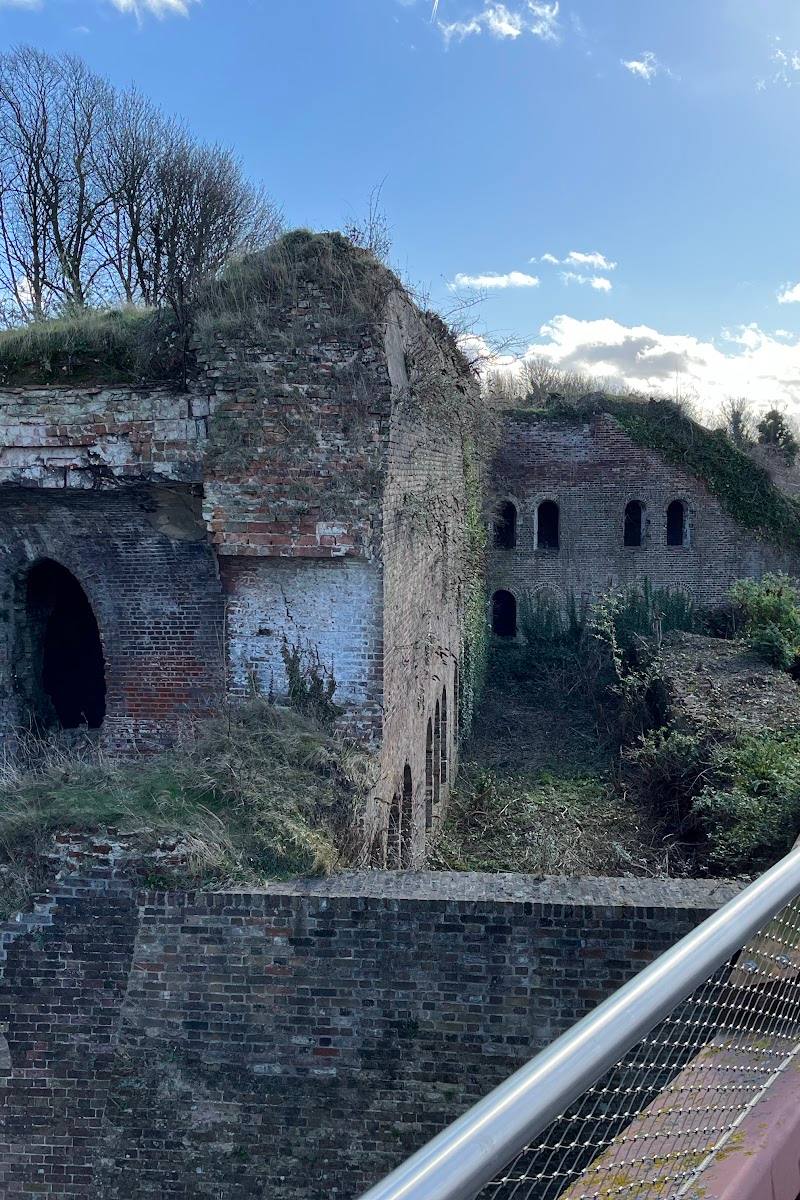
The supplied sources establish Burham Down’s conservation and landscape significance, rather than a detailed human history of the reserve. Kent Wildlife Trust describes 110 hectares of chalk grassland and woodland, identifies the site as an SSSI, and notes its orchids, kestrels and insects. The community trail leaflet places it within a longer-lived landscape of farming, settlement and industry, but those wider local histories should not be presented as specific events at the reserve.
Hidden details
A rare butterfly reintroduction — The community trail leaflet records that the rare silver-spotted skipper was successfully reintroduced to the site in 1998.
Orchids with memorable names — The leaflet highlights bee orchid, man orchid and pyramidal orchid on the downs, with lady and fly orchids also described for woodland glades and edges.
When to go
April · May · June · Check the forecast and go when conditions are dry enough for the steep, uneven paths.
The supplied community trail leaflet reports orchid interest and nightingale song from mid-April to midsummer. The official reserve page also notes orchids and varied insect life.
Paths are described as unsurfaced, uneven and slippery, with steep sections. Avoid assuming conditions are suitable after rain; check current conditions before visiting.
Worth pairing with
Burham Community Trail
A local trail leaflet describes a downland walk through the reserve, a steeper continuation towards the North Downs Way and Blue Bell Hill picnic site, and a separate river walk. Check route details and conditions before setting out.
What to look for
Look for orchids in the woodland and chalk grassland, butterflies along the grassland and scrub edges, and kestrels over the chalk cliffs. Nightingale song is reported from mid-April to midsummer.
The story
Natural heritage: chalk grassland, woodland and wildlife of the Kent Downs.
Best time to go
Spring to early summer for orchids and birdsong; butterfly interest continues in warmer months.
Visit in spring or early summer for orchid interest and the reported nightingale song season, from mid-April to midsummer. Choose dry conditions if possible: paths can be slippery.
How long to spend
1–2 hours
Perfect for
Walkers · Wildlife lovers · Photographers
Before you go
Address
Phone
Website
Listed hours
- Monday: Open 24 hours
- Tuesday: Open 24 hours
- Wednesday: Open 24 hours
- Thursday: Open 24 hours
- Friday: Open 24 hours
- Saturday: Open 24 hours
- Sunday: Open 24 hours
Check before visiting.
Google rating
Practical information
Opening & access
Kent Wildlife Trust lists the reserve as accessible, with steep and uneven paths, stiles, steps, kissing gates and unsurfaced, slippery sections. It is not wheelchair accessible. Check current access conditions and the best entrance before visiting; the supplied map pin is not an entrance or parking point.
Check before visiting
Parking
Parking location and availability are not confirmed by the supplied sources. Check before visiting; the mapped pin is not a parking point.
Check before visiting
Toilets
No facilities are listed by Kent Wildlife Trust.
Food & drink
No facilities are listed by Kent Wildlife Trust.
Dogs
Dogs on a lead.
Accessibility
Not wheelchair accessible. The reserve has steep and uneven paths, steps, kissing gates, stiles and unsurfaced, slippery sections.
Cost
Check before visiting
Check before visiting
Water
No visitor water activity is verified for this reserve.
Gallery
Place photographsKeep exploring
Around Burham Down
Within 50 km · approximate straight-line distances