Butt Lane, Burgh Castle, Great Yarmouth, Norfolk NR31 9QB
Burgh Castle Roman Fort
Fort
Source image
7.5
Wildland
1–2 hours
Time
Paid parking
Cost
Atmospheric
Feel
Why it's Wildland
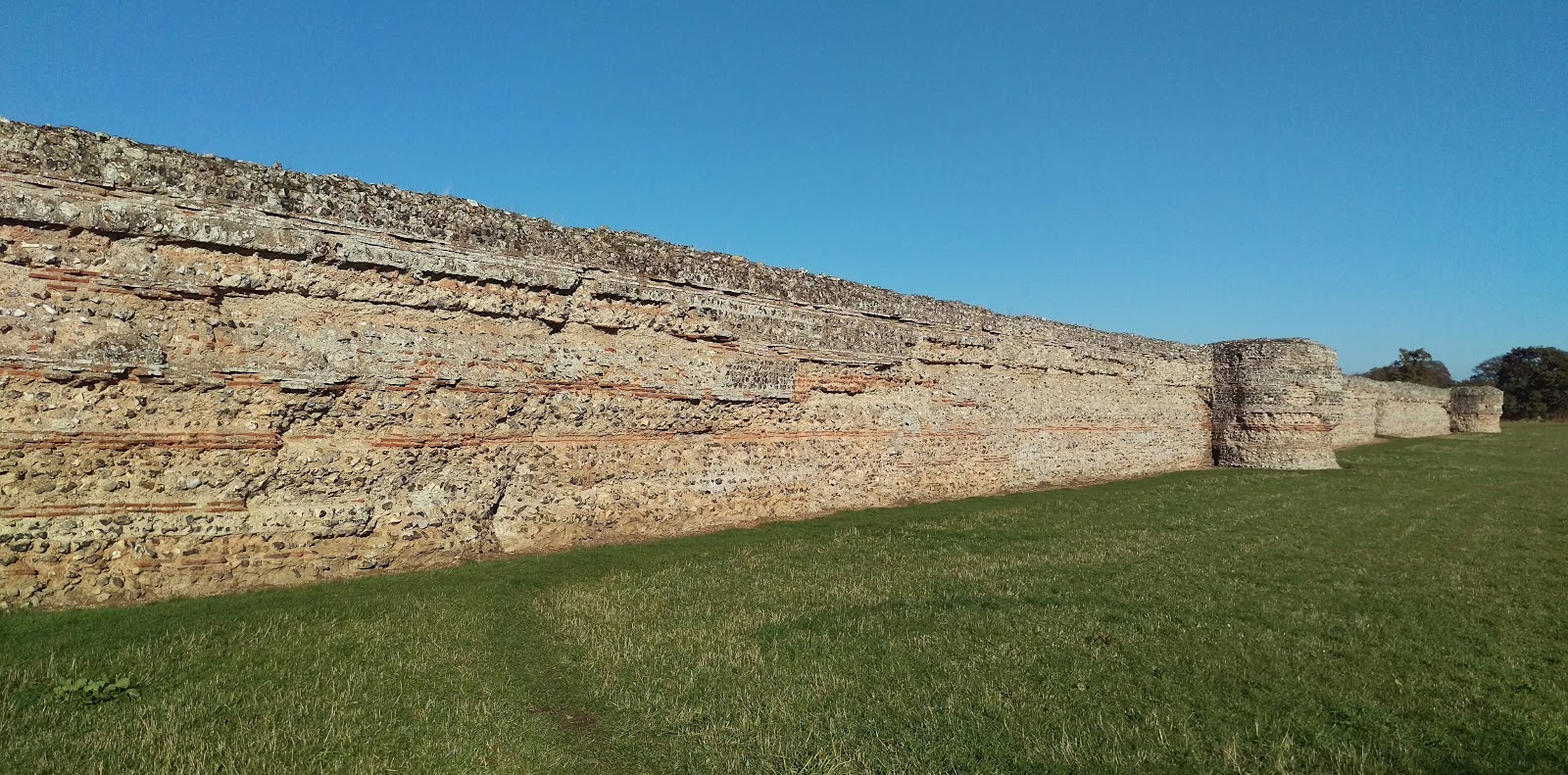
7.5Built in the late 3rd century as part of Rome’s coastal defences, Burgh Castle survives as three imposing walls overlooking Breydon Water. Its fourth wall collapsed into the surrounding marshes.
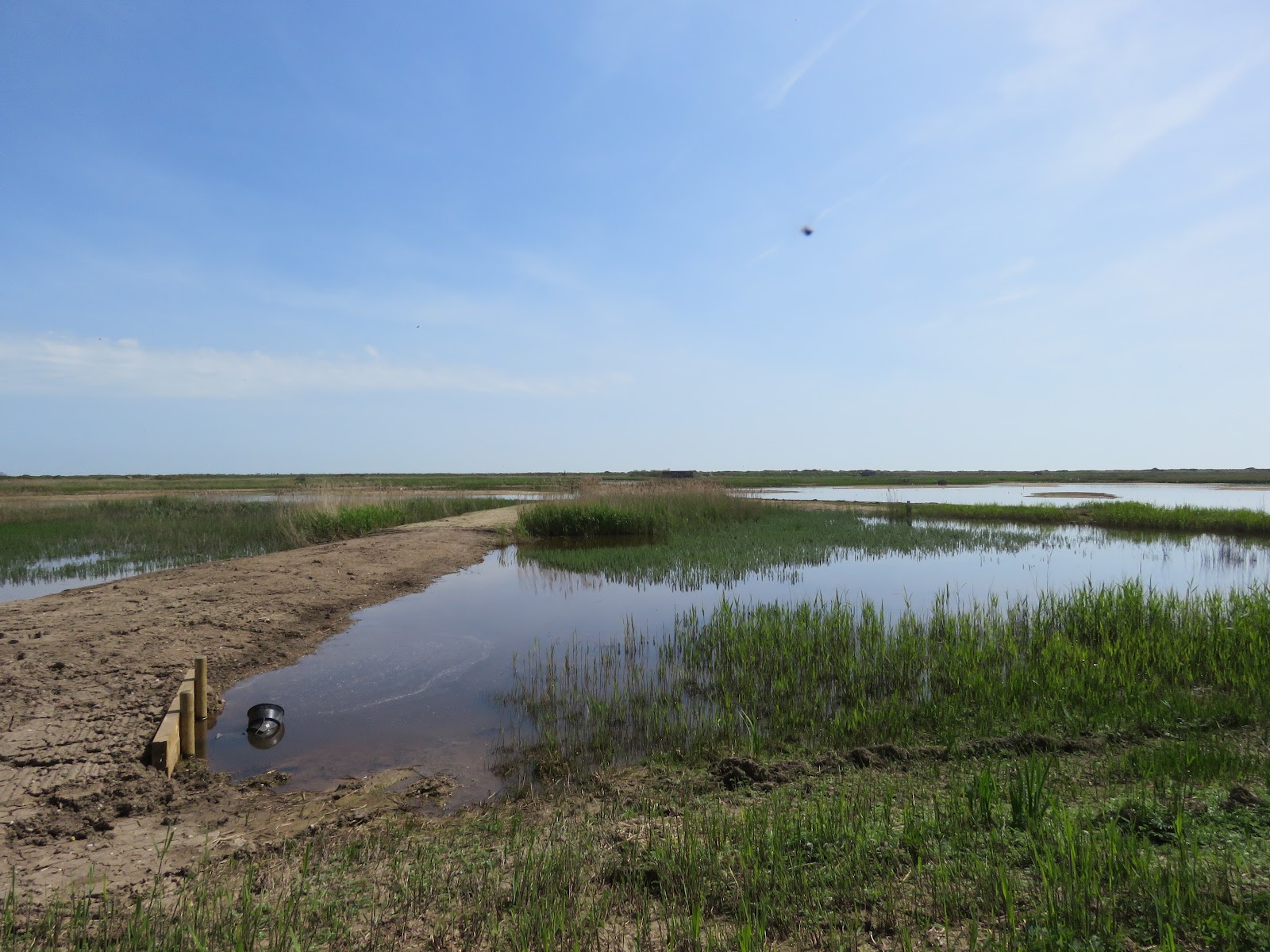
This is more than a set of old walls: a remarkably well-preserved Roman shore fort stands above open marshland and Breydon Water. The surviving masonry, exposed setting and wide views make it a distinctive short visit with a strong sense of place.
Atmospheric · Big-sky · Historic
Find your way
Open mapButt Lane, Burgh Castle, Great Yarmouth, Norfolk NR31 9QB
Opening map…
Know this place a little better?
The experience
Walk the circular path around the fort, take time to read the interpretation panels and look out across Breydon Water. The exposed site has uneven surfaces and steep slopes, so take care and do not climb the walls.
Things to do
Walk the circular path around the Roman fort
Follow the all-weather path around the fort to see its surviving walls and understand the shape of the site. Take care around uneven surfaces, steep slopes and falling masonry; climbing is not permitted.
About 1 hour
Look across Breydon Water
The fort’s elevated setting gives panoramic views over Breydon Water and the surrounding marshland. The site is exposed, so prepare for wind and changing weather.
Join a guided tour when scheduled
English Heritage reports free one-hour volunteer-guided tours on Sundays from May to September at 2pm, weather permitting. Confirm the current schedule before travelling.
1 hour
Make a day of it
Quick escape · About 1 hour
Quick escape: the fort and its views
- 01
Arrive during daylight and use the Butts Lane car park.
- 02
Follow the circular all-weather path around the fort.
- 03
Pause to examine the three surviving walls and read the interpretation panels.
- 04
Take in the view over Breydon Water, then return by the path.
Verified history
Burgh Castle was built in the late 3rd century as one of the Roman network of coastal defences known as the Saxon Shore forts. English Heritage says it was probably abandoned just over a century later. Three imposing stone walls survive almost to their original height; the fourth collapsed into the surrounding marshes. The surviving walls are among Britain’s best-preserved Roman monuments.
Hidden details
The missing fourth wall — The fort’s fourth wall did not simply disappear: English Heritage says it collapsed into the surrounding marshes long ago. Consider the landscape as part of the fort’s surviving story.
Three walls close to their original height — The surviving walls are unusually substantial. Look at their scale from the path, rather than approaching or climbing them; falling masonry is identified as a site hazard.
Roman fort, marsh and water in one view — The setting is part of the experience: the fort’s position looks out over Breydon Water, with marshland around the site. The surroundings are also described as a wildlife haven.
When to go
May · June · July · August · September · Daylight; choose a clear, calm spell for the views.
The fort is described as open during daylight throughout the year. The supplied sources do not establish a particular seasonal wildlife or landscape peak. Guided tours are reported on Sundays from May to September, weather permitting; confirm current dates.
The site is exposed. English Heritage identifies steep slopes, uneven surfaces and falling masonry as hazards. Wear footwear suited to uneven ground and take care in poor weather.
What to look for
Look for the three surviving Roman walls and their substantial masonry, then trace the fort’s outline around the circular path. The fourth wall collapsed into the surrounding marshes. The English Heritage page also warns of falling masonry: keep clear of walls and do not climb them.
The story
Roman coastal defence; late Roman Britain
Best time to go
Year-round in daylight; choose a clear, calm day for the broadest views over Breydon Water and the marshes.
Visit during daylight. A clear, calm day is best for the panoramic outlook across Breydon Water and the surrounding marshes.
How long to spend
1–2 hours
Perfect for
History lovers · Walkers · Photographers
Before you go
Address
Phone
Website
Listed hours
- Monday: Open 24 hours
- Tuesday: Open 24 hours
- Wednesday: Open 24 hours
- Thursday: Open 24 hours
- Friday: Open 24 hours
- Saturday: Open 24 hours
- Sunday: Open 24 hours
Check before visiting.
Google rating
Practical information
Opening & access
English Heritage describes the fort as visitable on foot from dawn to dusk. The circular all-weather path around the fort is accessible to visitors with limited mobility, including wheelchair users. The site is exposed, with steep slopes and uneven surfaces; falling masonry is a hazard and climbing is prohibited. Check current access information before travelling.
Check before visiting
Parking
A car and coach park is on Butts Lane. English Heritage lists charges of £1.50 for 2 hours, £2 for 4 hours and £4 all day; it opens at 8am and is locked at 8pm. The car park is not managed by English Heritage. Use it rather than parking on narrow village roads.
Toilets
No toilets at the site.
Food & drink
No on-site food facilities are listed. English Heritage identifies the Queen’s Head as a nearby village pub; check current opening and food service before visiting.
Check before visiting
Dogs
Dogs on leads are welcome. Clear up after dogs; dog-waste bins are provided at the fort.
Accessibility
The circular all-weather path around the fort is described as accessible to wheelchair users and people with limited mobility. The site also has steep slopes and uneven surfaces; check the linked access map and current conditions before travelling.
Check before visiting
Cost
Paid parking; free entry
Water
Breydon Water
Gallery
Place photographsKeep exploring
Around Burgh Castle Roman Fort
Within 50 km · approximate straight-line distances
 Source image6.1
Caister Roman Fort
Norwich Road, Caister-on-Sea, Great Yarmouth, Norfolk, NR30 5JS
8.8 km away
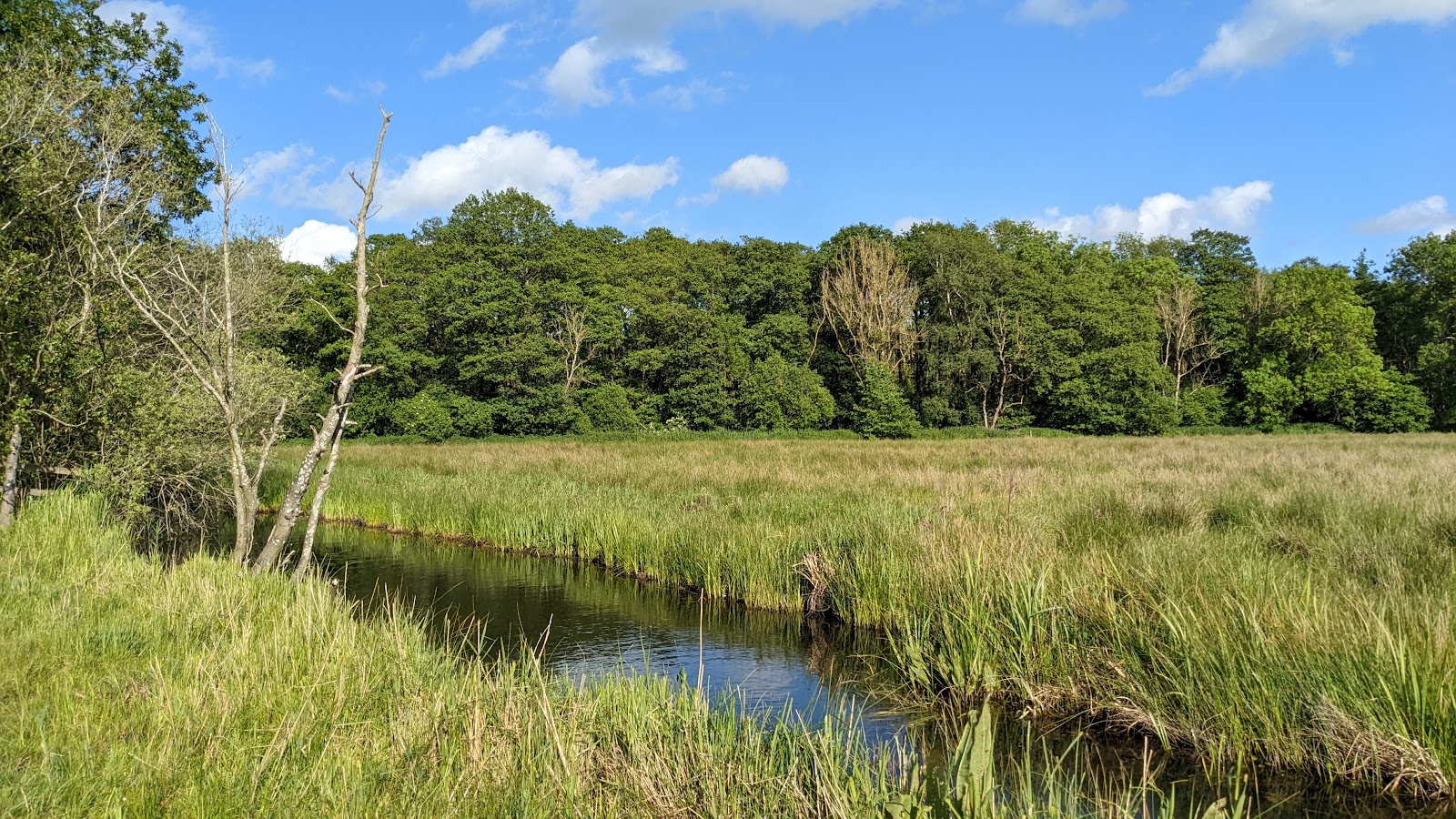
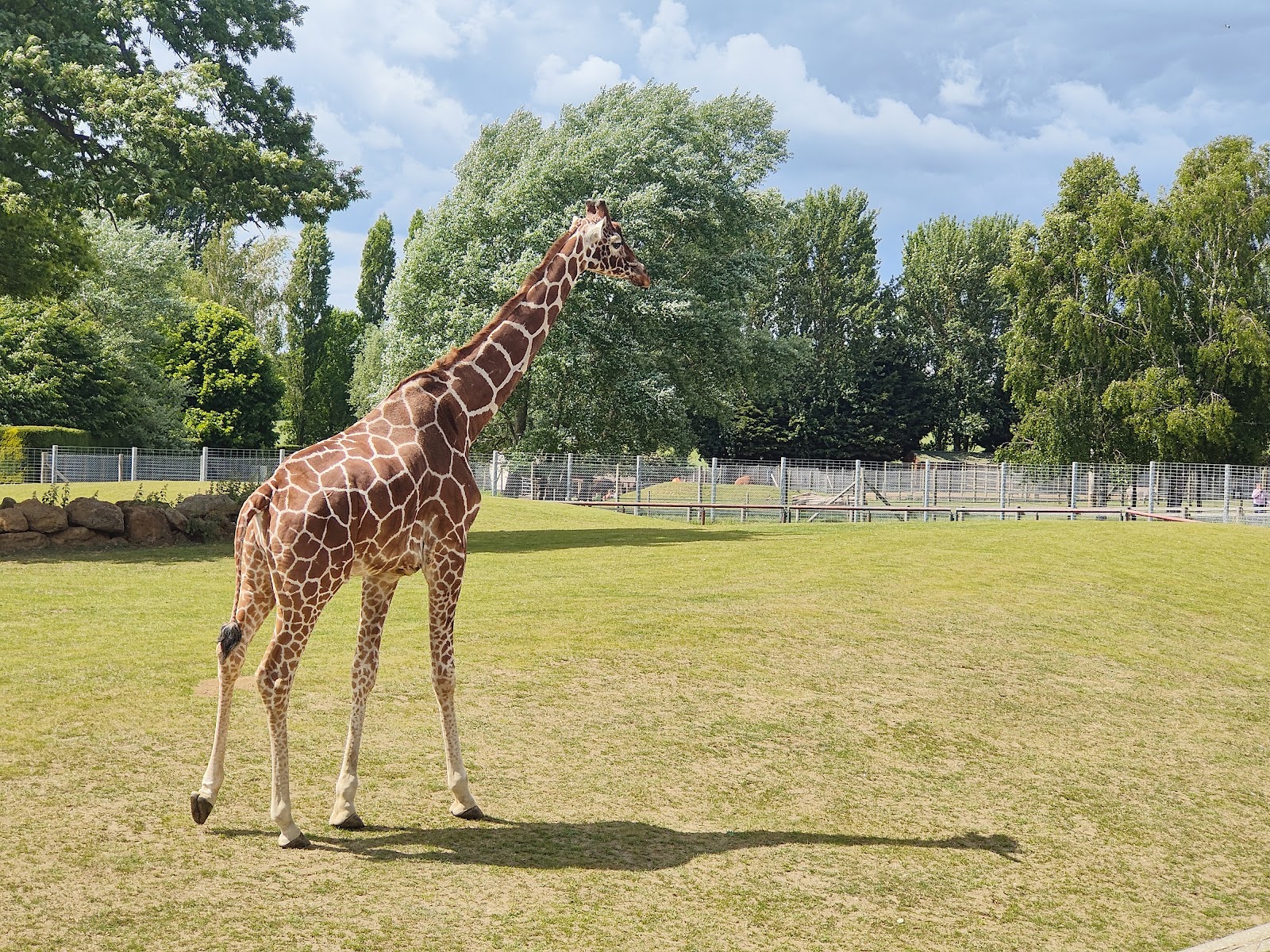 Place photograph6.1
Africa Alive
Whites Lane, Kessingland, near Lowestoft, Suffolk NR33 7TF
19.1 km away
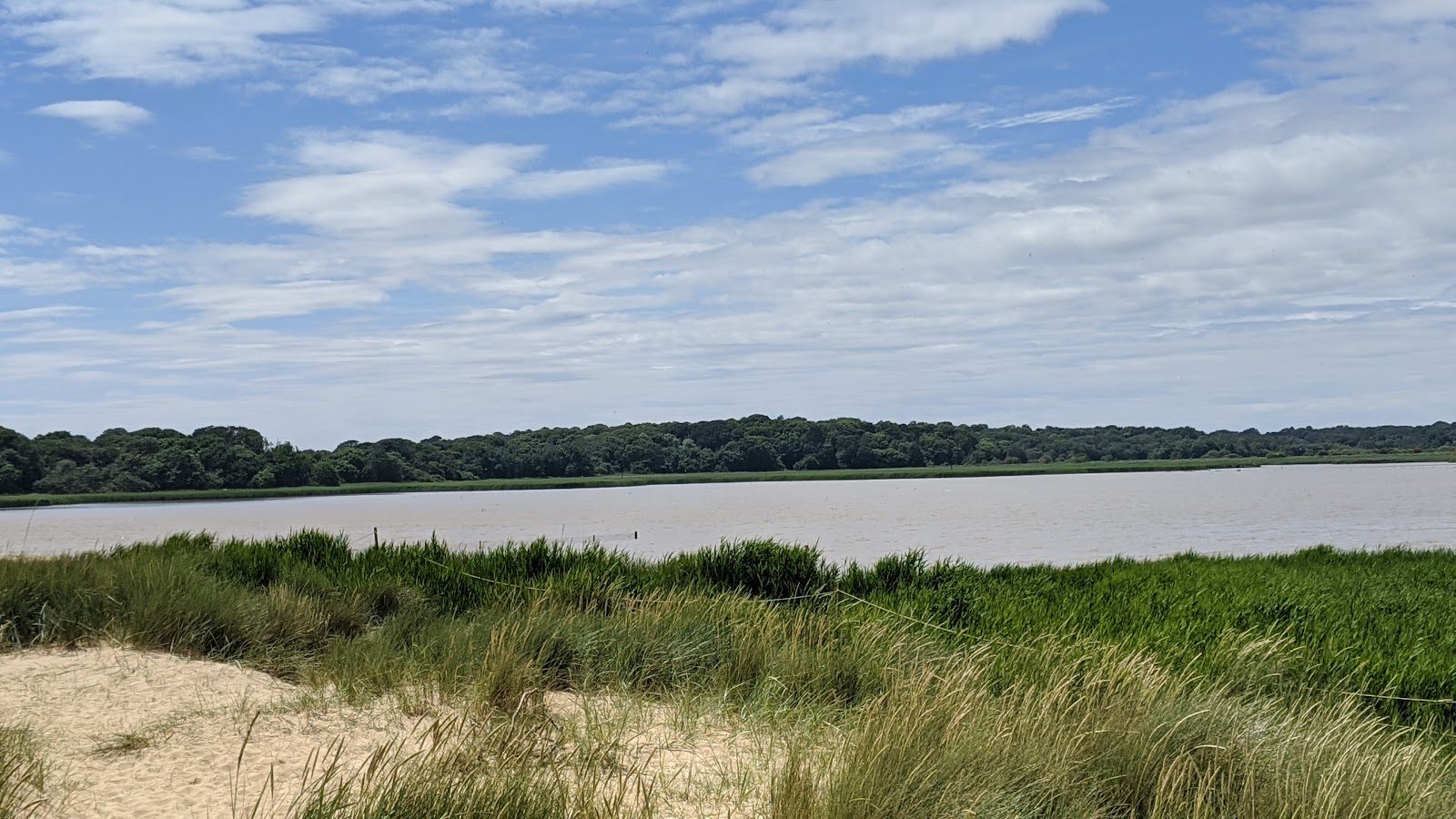 Place photograph6.8
Benacre National Nature Reserve
Suffolk coast, around Covehithe and Benacre
22.4 km away
Norfolk and Suffolk Aviation Museum
The Street, Flixton, Bungay, Suffolk NR35 1NZ
23.7 km away
 Place photograph6.0
City of Norwich Aviation Museum
Old Norwich Road, Horsham St Faith, Norwich NR10 3JF
27.6 km away