Near Broughton, Stockbridge, Hampshire
Broughton Down Nature Reserve
Mixed-habitat reserve
Source image
7.2
Wildland
1–2 hours
Time
Donation
Cost
Peaceful
Feel
Why it's Wildland
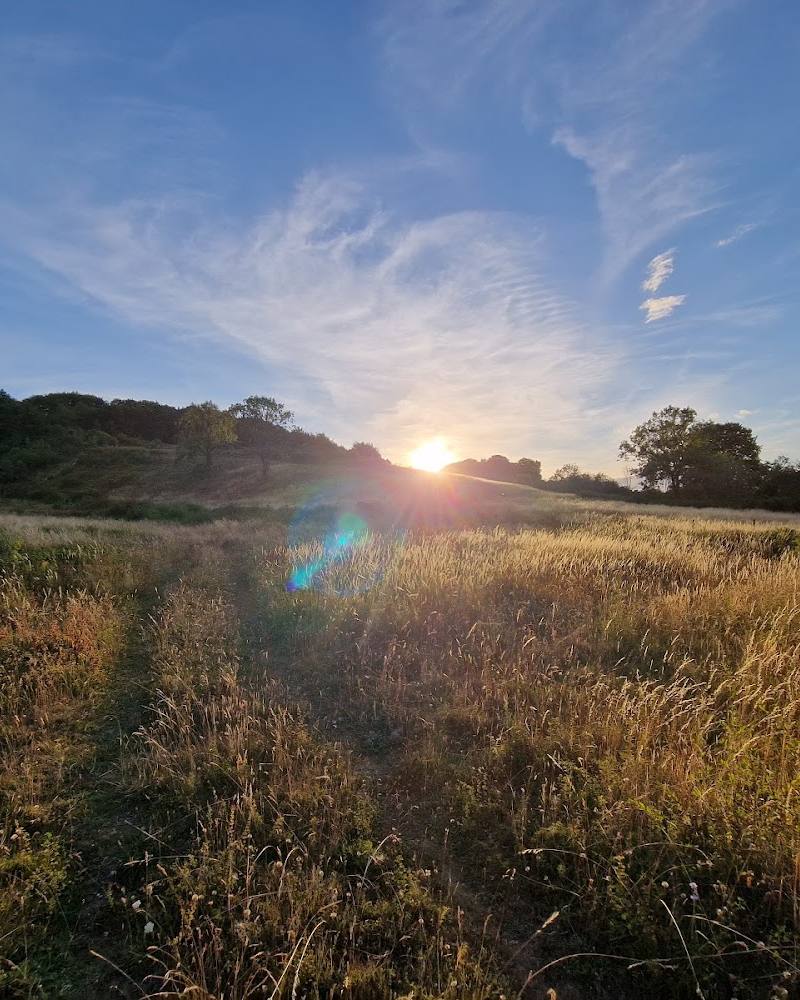
7.2On this 25-hectare reserve, chalk grassland rises through stages of natural succession to beech and yew woodland. From the down, views stretch across the Test Valley towards Danebury Hill Fort and Stockbridge Down.
Broughton Down earns its place for the way its species-rich chalk grassland meets beech and yew woodland, with wide Test Valley views and a clear seasonal reward: summer orchids and butterflies. It is a sloping, uneven landscape rather than an easy-access stroll, so come prepared for the ground underfoot.
Peaceful · Big-sky · Wild
Find your way
Open mapNear Broughton, Stockbridge, Hampshire
Opening map…
Know this place a little better?
The experience
Take the approach from the end of Buckholt Road and explore the reserve on foot, allowing for sloping, uneven ground. The principal rewards are chalk grassland flowers, butterflies and views across the Test Valley. No sourced route distance or circuit is available, so follow on-site paths and signs rather than relying on an invented itinerary.
Things to do
Read the chalk grassland
Look for the exposed, shallow chalk and the variety of grassland plants it supports. The Wildlife Trust describes the low-nutrient chalk as helping characteristic wildflowers flourish.
Allow time to explore; no published duration.
Look for orchids and butterflies
In summer, look for pyramidal and fragrant orchids, and watch for dark green fritillary and silver-spotted skipper butterflies among the plants.
Flexible.
Take in the Test Valley views
Pause on the down to look across the Test Valley towards Danebury Hill Fort and Stockbridge Down.
Flexible.
Find the locally named Plum Pudding tumulus
Broughton village describes a ridge walk northwards to a tumulus known locally as Plum Pudding, beyond a deep dry valley with very steep sides. The village notes that this section is only suitable for fit walkers; confirm access and conditions before attempting it.
Make a day of it
Quick escape · About 1 hour; estimate, as no visit duration is published.
Quick Escape: chalk grassland and the Test Valley view
- 01
Park at the end of Buckholt Road, then use the Wildlife Trust’s directions via the byway and footpath to reach the reserve.
- 02
Walk a section of the down at a comfortable pace, allowing for sloping, uneven ground and slippery conditions when wet.
- 03
Pause to look across the Test Valley towards Danebury Hill Fort and Stockbridge Down.
- 04
In summer, scan the chalk grassland for orchids and butterflies without leaving the path.
Half day · Half day; suggested pacing, not a published route duration.
Make a half day of it: explore the down and its changing habitats
- 01
Follow the Wildlife Trust’s approach from Buckholt Road and explore the reserve on foot.
- 02
Notice how the chalk grassland gives way through different stages of succession to beech and yew woodland.
- 03
Spend time looking for summer orchids and butterflies; the Wildlife Trust identifies pyramidal and fragrant orchids, dark green fritillary and silver-spotted skipper as seasonal highlights.
- 04
Take in the views over the Test Valley, then consider the village-described walk north along the ridge towards the dry valley and Plum Pudding tumulus only if you are fit for steep slopes. Confirm the route and access locally before setting out.
Verified history
Broughton village describes the downland as having been grazed for centuries and identifies Bronze Age tumuli, medieval droveways and 19th-century plantations as traces of its long history. The village says current management includes clearing invasive scrub to maintain the landscape’s scenic, archaeological and wildlife interest. These are landscape-history claims, not a verified history of individual monuments at specific coordinates.
Hidden details
The locally named Plum Pudding tumulus — Broughton village names a tumulus on the ridge Plum Pudding and describes it as a place to stop for the view. The source does not establish the mound’s archaeological date or origin, so neither is asserted here.
The habitat changes as you climb — The Wildlife Trust describes a progression from bare chalk through successive habitats to yew and beech woodland. The contrast is a useful way to read the reserve rather than treating it as uniform grassland.
When to go
Summer (exact months not specified by the supplied sources) · No specific time of day is evidenced; choose clear conditions for the views and check the ground after wet weather.
The Wildlife Trust recommends summer for pyramidal and fragrant orchids and butterflies. The supplied sources do not specify exact flowering weeks or a complete seasonal calendar.
The ground is sloping and uneven and can be slippery when wet. Check local conditions and wear footwear suitable for uneven ground.
Worth pairing with
Broughton village
The village page provides local approach information and describes the wider downland landscape, including the locally named Plum Pudding tumulus. Treat its route description as a strenuous option and confirm access and conditions before setting out.
Danebury Hill Fort
Visible across the Test Valley from the reserve, according to the Wildlife Trust. The supplied sources do not establish travel or access details, so verify separately before planning a visit.
What to look for
- 01
Look for the transition from exposed chalk and grassland to beech and yew woodland
- 02
summer orchids, including pyramidal and fragrant orchids
- 03
butterflies including dark green fritillary and silver-spotted skipper
- 04
and the distant view towards Danebury Hill Fort and Stockbridge Down. Broughton village describes Bronze Age tumuli, medieval droveways and 19th-century plantations in the wider downland landscape
- 05
the locally named Plum Pudding tumulus is described on the village page.
The story
Archaeology
Best time to go
Summer for pyramidal and fragrant orchids and butterflies; the Wildlife Trust describes the reserve as worth visiting throughout the year.
Visit in summer for pyramidal and fragrant orchids and to look for butterflies among the chalk grassland plants. The Trust does not give a more precise peak-flowering date.
How long to spend
1–2 hours
Perfect for
Walkers · Wildlife lovers · Photographers · History lovers
Before you go
Practical information
Opening & access
Hampshire & Isle of Wight Wildlife Trust says the reserve is open at all times. Donations are welcome. Access is via Buckholt Road and then byways and a footpath; the Trust describes the ground as sloping and uneven, and potentially slippery when wet. Follow livestock signage.
Parking
Parking is available at the end of Buckholt Road, according to the Wildlife Trust. From there, its directions continue along a byway and footpath to the reserve. The Google pin supplied is a main-place pin, not a verified entrance or parking point.
Toilets
Check before visiting
Check before visiting
Food & drink
Check before visiting
Check before visiting
Dogs
Dogs must be kept on a lead.
Accessibility
The reserve is sloping and uneven, and can be slippery when wet. The public footpath along the southern edge is fairly flat, but the Trust advises contacting it for disabled-access information.
Cost
Donation
Water
No water activity or water feature is evidenced for visitor use.
Gallery
Place photographsKeep exploring
Around Broughton Down Nature Reserve
Within 50 km · approximate straight-line distances