Near Bell Lake and the Red River, Cornwall
Bell Lake Marsh
Marsh
Place photograph
5.2
Wildland
1–2 hours
Time
Check
Cost
Peaceful
Feel
Why it's Wildland
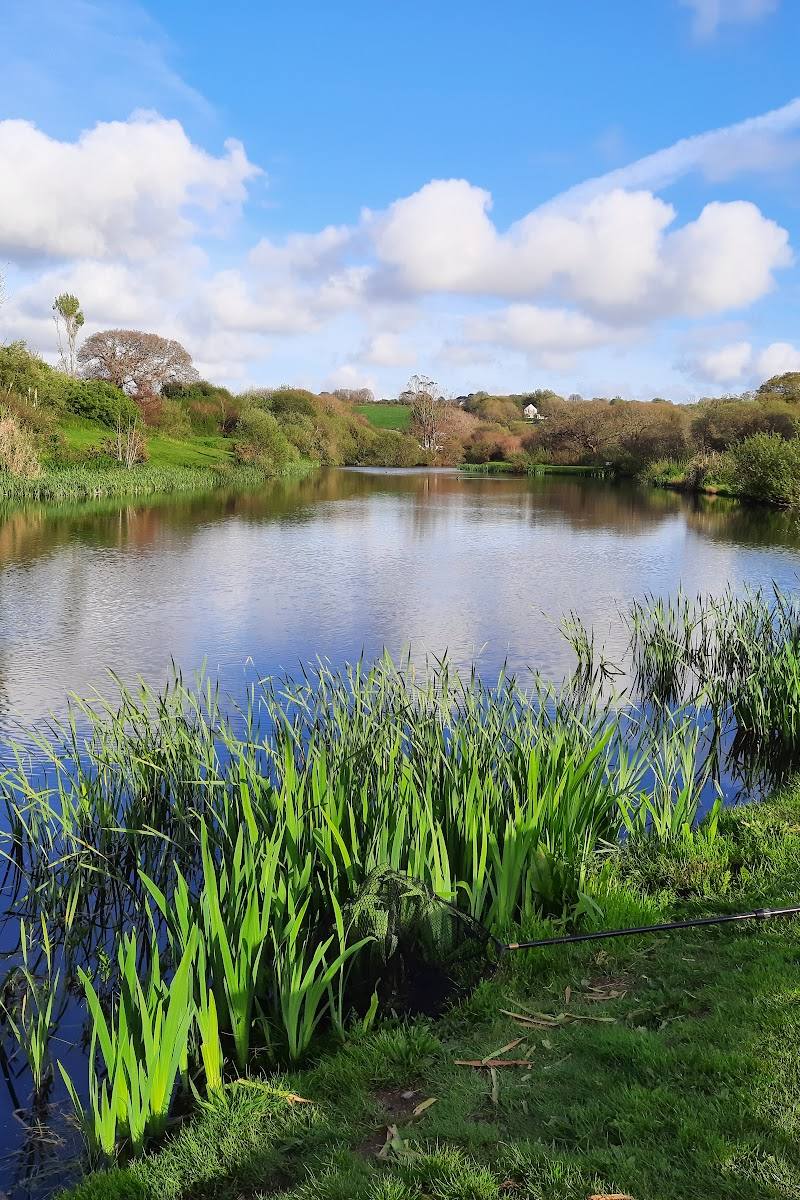
5.2A small wetland reached by way of woodland and heath, Bell Lake Marsh is actively managed to keep open water and marsh habitat from being overwhelmed by willow, gorse and reedmace. Scrapes created by the local conservation group provide habitat for dragonflies and other wildlife.
The appeal here is the quiet, purposeful work of keeping a small marsh alive: a raised path beside the Red River, an approach through trees and heath, and habitat scrapes made for wildlife. It is a modest, potentially muddy nature visit rather than a fully equipped reserve.
Peaceful · Wild
Find your way
Open mapNear Bell Lake and the Red River, Cornwall
Opening map…
Know this place a little better?
The experience
Follow the footpath from the recommended parking area, passing woodland and heath on the way to the marsh. Explore only where paths are safe and conditions allow; the informal routes can become flooded or muddy.
Things to do
Follow the approach through woodland and heath
Use the described footpath and, at the fork, take the route through the trees and across the heath towards the marsh entrance.
Look for the marsh’s habitat scrapes
The local conservation group creates scrapes and manages reedmace and scrub to maintain suitable conditions for dragonflies and other wildlife. The first Dragonfly Scrape is on the east side.
Explore the raised path beside the marsh
A raised path runs along the north side of the marsh, separating it from the Red River. Check the surface and water conditions before proceeding.
Make a day of it
Quick escape · About 30–60 minutes, plus the approach
Quick marsh wander
- 01
Use the source-recommended parking area at the bottom of Cutting’s Hill without obstructing the track.
- 02
Walk over the bridges and follow the described footpath for about half a mile to the path entrance.
- 03
Continue towards the marsh only if the informal paths are passable; turn back if water or deep mud makes them unsafe.
Half day · About 1–2 hours; duration beyond the described approach is not specified
Woodland, heath and marsh
- 01
Follow the footpath from the recommended parking area towards the wooded area.
- 02
At the fork, take the described route through the trees and across the heath towards the marsh entrance.
- 03
Explore the marsh’s raised path and habitat scrapes where conditions allow, then return the same way.
Verified history
The local conservation group describes Bell Lake Marsh as its flagship site. Growing willow, gorse and reedmace had smothered the marsh and made it unsuitable for its special wildlife, prompting the group’s formation. Its winter work includes cutting scrub, removing reedmace and creating scrapes. The group hopes this work may encourage marsh fritillaries to breed again; the butterfly has not been seen at the site since the 1990s, according to the source.
Hidden details
The Marsh Fritillary Area — The sheltered far end of the marsh is often called the “Marsh Fritillary Area”. The site source says the butterfly has not been seen there since the 1990s; the name records a conservation hope, not a current sighting.
The first Dragonfly Scrape — The first named Dragonfly Scrape was created on the east side of the marsh. The source includes a photograph caption identifying it in May 2015.
When to go
June · July · August · No specific time of day is established by the supplied source; check current conditions before visiting.
The site source says some informal paths are dry during summer months, while paths can become flooded in winter and overgrown during the growing season. It does not establish a best wildlife-viewing month.
Wellies are advised. Informal paths may be flooded in winter, overgrown during the growing season and muddy in places, with areas of deep mud where visitors may get stuck. Check conditions before visiting.
What to look for
- 01
Look for the marsh’s habitat scrapes, including the first Dragonfly Scrape on the east side. The site’s sheltered far end is referred to locally as the “Marsh Fritillary Area”
- 02
the source says the butterfly has not been seen there since the 1990s, so do not expect to see it.
The story
No history theme established.
Best time to go
Summer, when some informal paths are reported to be dry; check conditions first. Winter is when the conservation group carries out its main marsh-management work, but paths can flood.
Some informal paths are reported to be dry in summer, but can flood in winter and become overgrown during the growing season. Wellies are advised by the site source. Check conditions before setting out.
How long to spend
1–2 hours
Perfect for
Walkers · Wildlife lovers · Photographers
Practical information
Opening & access
The source describes a footpath approach from the lane at the bottom of Cutting’s Hill, followed by informal paths to the marsh. Follow the source’s parking directions and do not obstruct track access. Paths may be overgrown or flooded; deep mud is reported. Check access and conditions before visiting. Access arrangements are unconfirmed. Check before visiting; do not enter private land or restricted structures.
Check before visiting
Parking
The source recommends parking sensibly at the bottom of Cutting’s Hill, along the track entrance or just beyond the river bridge. Do not obstruct vehicle access. Check current parking arrangements before travelling.
Check before visiting
Toilets
No permanent toilets are reported in the source row; check before visiting.
Check before visiting
Food & drink
No café or food provision is verified; check before visiting.
Check before visiting
Dogs
Dog access rules are not confirmed; check before visiting.
Check before visiting
Accessibility
The source row says the site is not wheelchair accessible. The described approach includes uneven and informal paths, steps and potentially deep mud; check conditions before visiting.
Check before visiting
Cost
Check before visiting
Check before visiting
Water
Marsh, River
Gallery
Place photographsKeep exploring
Around Bell Lake Marsh
Within 50 km · approximate straight-line distances