Crescent Street, Barnsbury, Islington, North London
Barnsbury Wood Local Nature Reserve
Mixed-habitat reserve
Place photograph
6.3
Wildland
Under 1 hour
Time
Check
Cost
Secluded
Feel
Why it's Wildland
6.3A tiny woodland tucked behind Barnsbury’s Victorian terraces, on land that began as George Thornhill’s private garden.
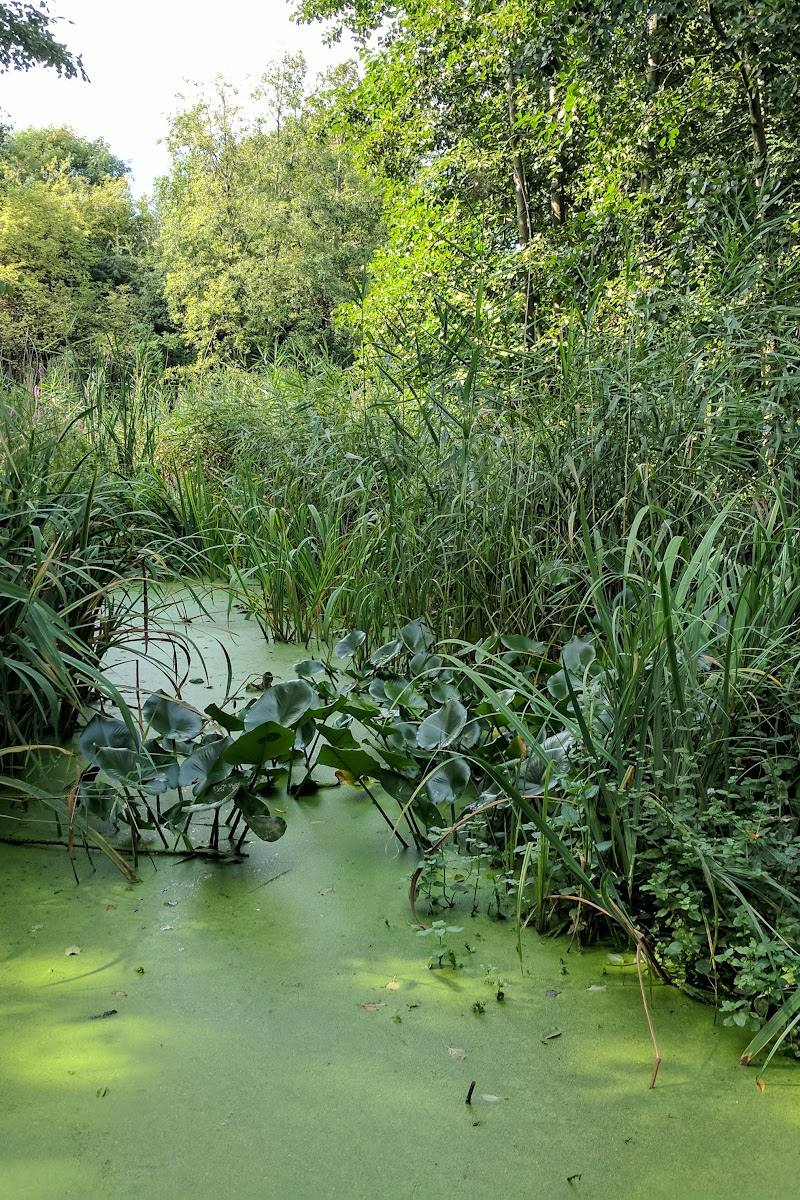
At just 0.35 hectares, Barnsbury Wood is London’s smallest local nature reserve—and a strikingly wooded pocket in a densely built part of Islington. Its limited opening hours make timing essential, but the wildlife, hidden-garden history and small central clearing give this urban reserve a distinct sense of discovery.
Secluded · Peaceful · Ancient-feeling
Find your way
Open mapCrescent Street, Barnsbury, Islington, North London
Opening map…
Know this place a little better?
The experience
This is a short, carefully timed visit rather than a long walk. Find the Crescent Street entrance, explore the narrow paths and central clearing, and look for signs of the reserve’s wildlife and former garden setting. Check opening hours before setting out.
Things to do
Explore the woodland paths
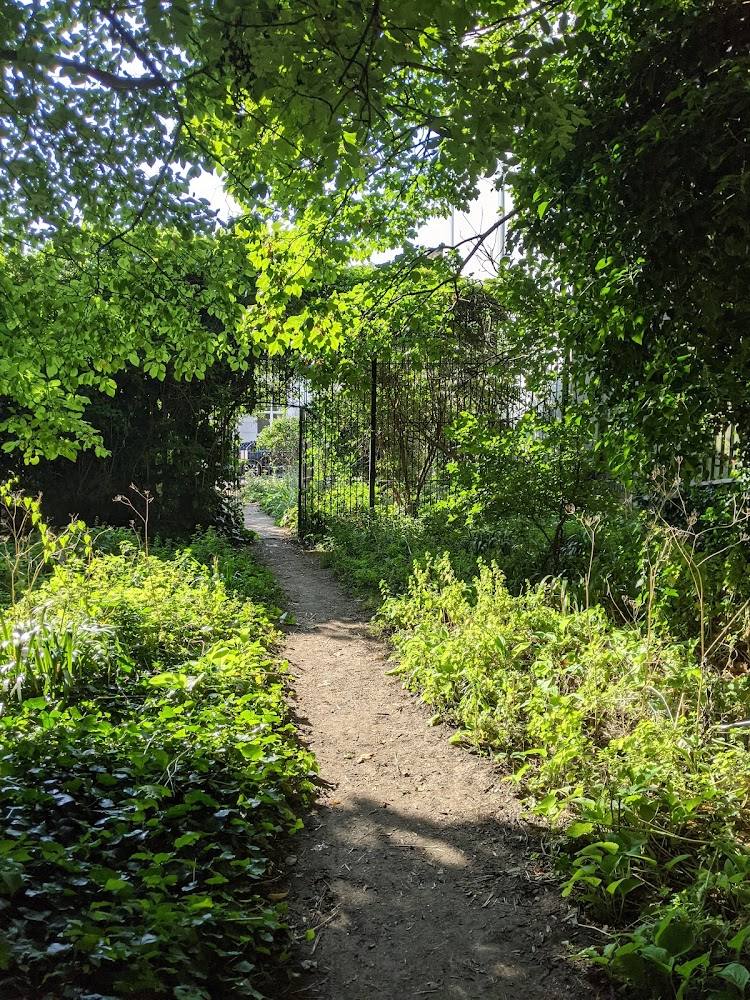
Follow the narrow, unsurfaced paths through this very small reserve. They can be muddy after heavy rain.
Under 1 hour
Pause in the central clearing
Find the clearing and its circle of low wooden benches, a distinctive place to stop within the compact wood.
Look and listen for urban woodland wildlife
The reserve is reported to support long-tailed tits, lesser stag beetles, common toads and sixteen-spot ladybirds. Look carefully; sightings are not assured.
Make a day of it
Quick escape · Under 1 hour
Quick escape: find the hidden woodland
- 01
Check the current public opening hours before travelling.
- 02
Enter from Crescent Street and follow the reserve’s narrow, unsurfaced paths.
- 03
Pause in the central clearing and look for wildlife among the trees.
Half day · Half day
Make a Barnsbury afternoon of it
- 01
Plan your visit around the reserve’s limited opening hours and check them before setting off.
- 02
Explore Barnsbury Wood, taking time to notice the wildlife and traces of its former garden character.
- 03
Continue to Thornhill Square Gardens, whose history and relationship to the surrounding Thornhill development are described in the supplied local history source.
Verified history
Barnsbury Wood was originally the garden of George Thornhill, who built the surrounding houses in the 1840s. The council says the area was eventually abandoned to nature and became woodland. It is now managed by Islington Council’s nature conservation team, with volunteer involvement, and is also used for environmental education. A separate local-history account describes Thornhill’s wider estate and the development of the surrounding streets.
Hidden details
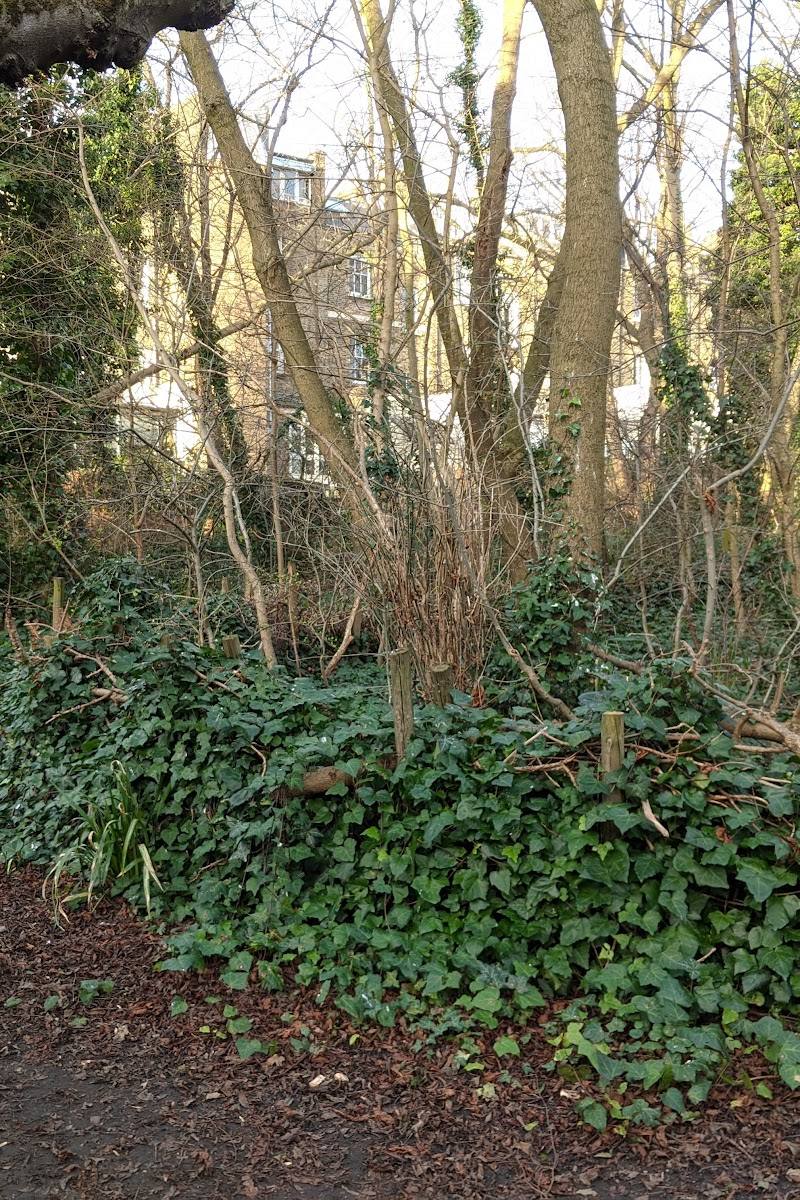
A woodland behind the Victorian terraces — Look through the trees for glimpses of the surrounding terrace houses—a reminder of how closely this woodland sits within the built-up neighbourhood.
The former private garden — The reserve began as George Thornhill’s garden. Its secluded position amid the surrounding streets preserves something of that enclosed, tucked-away character.
When to go
March · April · May · June · July · August · September · Visit during the published opening hours; check current times before travelling.
The reserve is reported to be attractive throughout the year. Saturday access is available only from July to the end of September, in addition to Tuesday opening. The supplied sources do not verify exact peak weeks for flowers or wildlife.
Paths are unsurfaced and may be muddy after heavy rain. Wear suitable footwear and check conditions before visiting.
Worth pairing with
Thornhill Square Gardens
A nearby garden with a documented connection to the Thornhill family and the development of Barnsbury. A possible extension to a short visit; check access and current details before travelling.
What to look for
- 01
Look for the small entrance on Crescent Street, the central clearing with its low wooden benches, and the way the Victorian terraces appear through the trees. Reported wildlife includes long-tailed tits, lesser stag beetles, common toads and sixteen-spot ladybirds
- 02
sightings are not guaranteed.
The story
Victorian development; private garden and urban woodland
Best time to go
Open year-round on Tuesdays; additional Saturday opening runs from July to the end of September. Spring is a good time to notice fresh growth and bird activity, but specific seasonal wildlife sightings are not guaranteed.
Visit during the published opening hours. The council lists Tuesdays 2–4pm year-round, with Saturday opening 2–4pm from July to the end of September; check for changes before travelling.
How long to spend
Under 1 hour
Perfect for
Solo · Couples · Families · Photographers · History lovers · Wildlife lovers
Practical information
Opening & access
Public access is limited to stated opening hours: Tuesdays 2–4pm, and Saturdays 2–4pm from July to the end of September. Check current access arrangements before travelling.
Check before visiting
Parking
Parking in the area is limited; public transport is recommended. Check before visiting.
Check before visiting
Toilets
Check before visiting
Check before visiting
Food & drink
Check before visiting
Check before visiting
Dogs
Dogs are not allowed, except support dogs or working assistance dogs.
Accessibility
There are no steps or slopes, but paths are unsurfaced, rough, narrow and can be muddy after heavy rain. The garden presents challenges for visitors with limited mobility.
Cost
Check before visiting
Check before visiting
Gallery
Place photographs
Keep exploring
Around Barnsbury Wood Local Nature Reserve
Within 50 km · approximate straight-line distances