Fann Street, Barbican, City of London, London EC2Y 8BR
Barbican Wildlife Garden
Garden
Place photograph
5.2
Wildland
Under 1 hour
Time
Check
Cost
Peaceful
Feel
Why it's Wildland
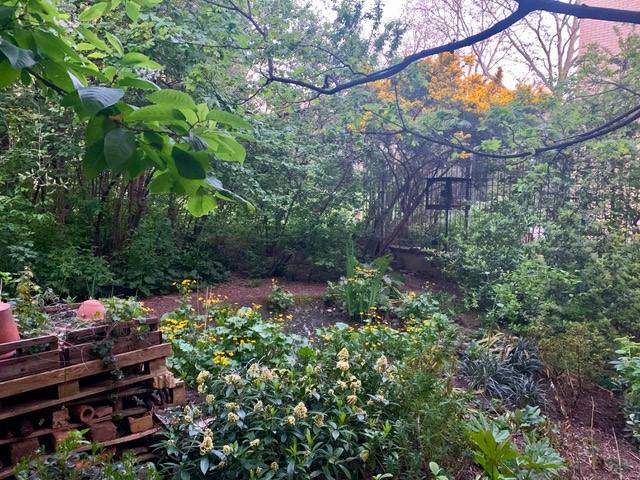
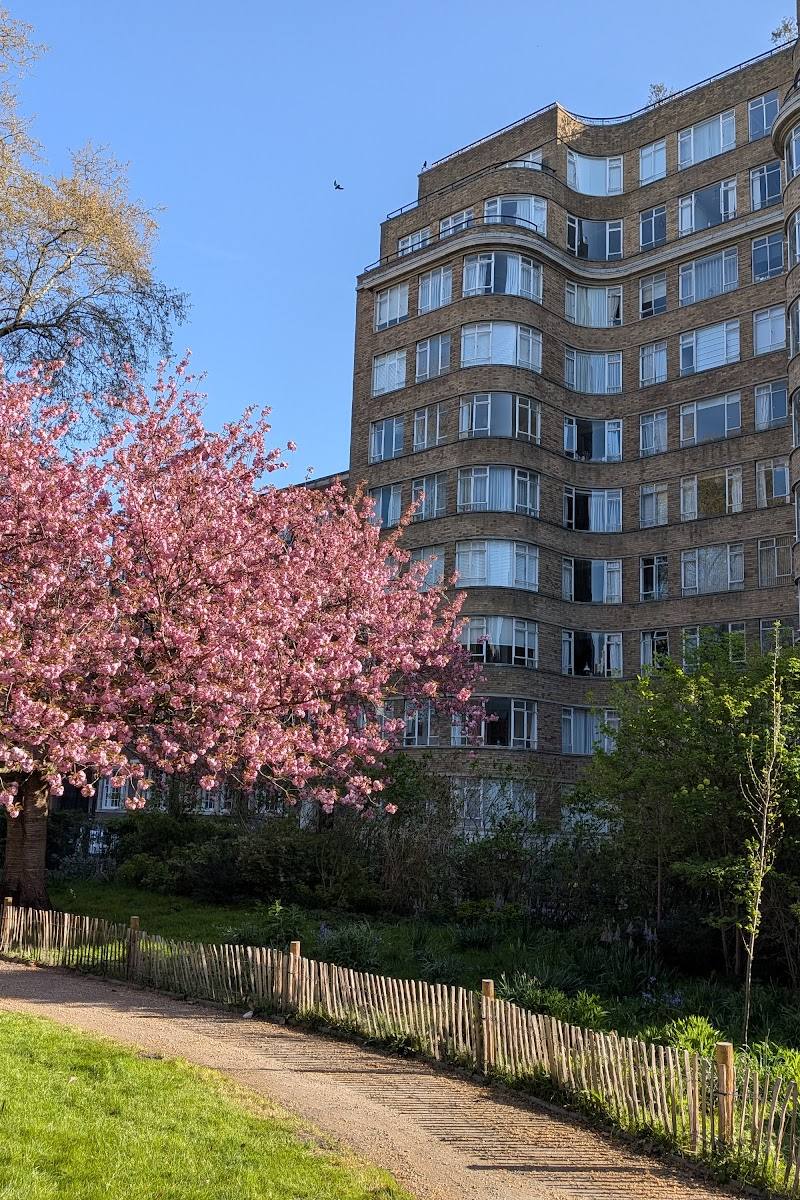
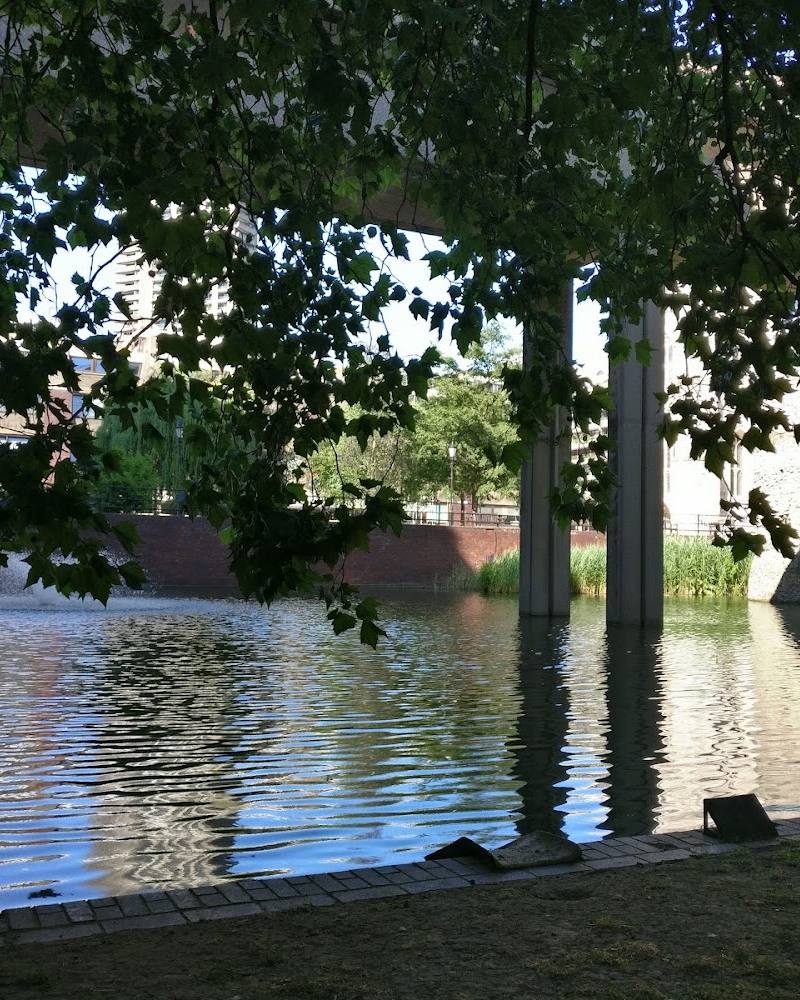
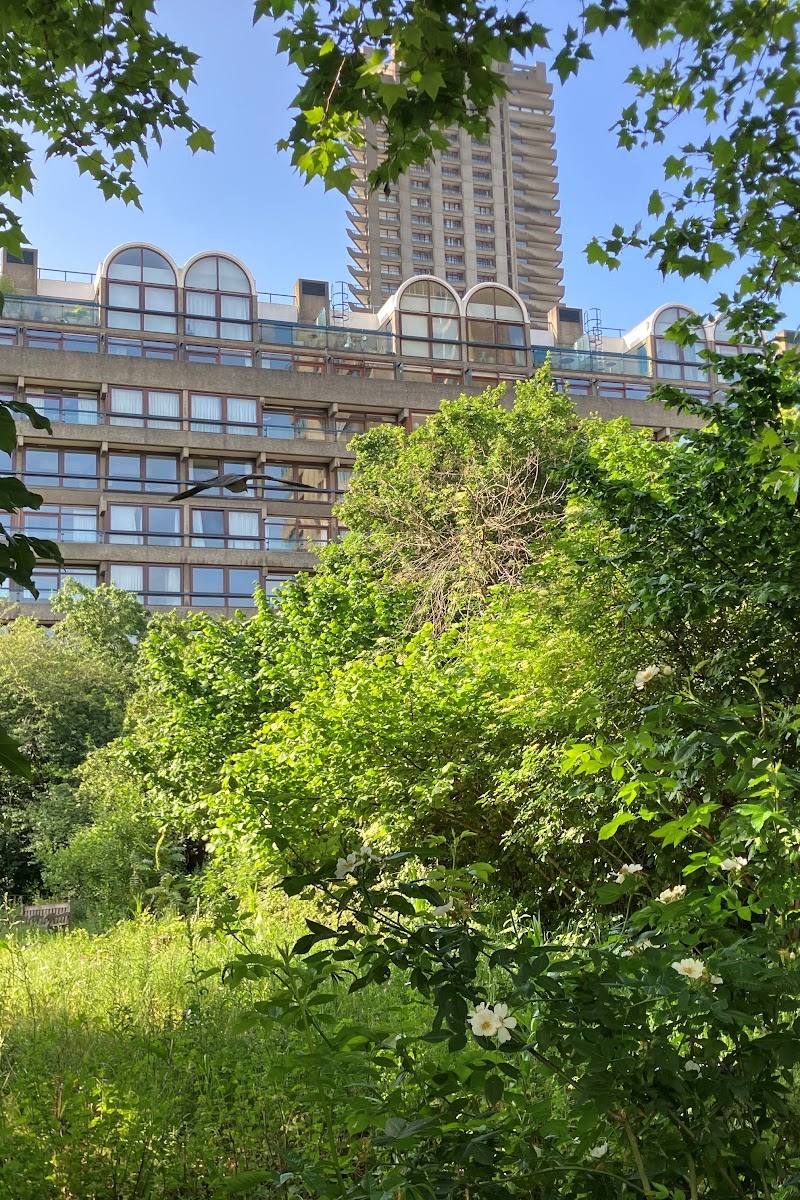
5.2A small urban wildlife garden with an unexpectedly varied habitat mix: ponds, meadow, orchard, bird hide and woodland edge, set among the Barbican’s concrete architecture.
This is not a countryside wilderness, but it offers a distinctive close-up of urban nature: more than 300 wildlife species have been recorded in a garden that brings ponds, meadow and woodland-edge habitat into the heart of the City.
Peaceful · Quirky
Find your way
Open mapFann Street, Barbican, City of London, London EC2Y 8BR
Opening map…
Know this place a little better?
The experience
A short, wildlife-focused garden visit. Explore the different habitats, pause at the ponds and bird hide, and look for signs of the wildlife recorded here. Check opening arrangements before setting out.
Things to do
Explore the garden’s habitat mix
Look around the ponds, meadow, orchard and woodland-edge habitat to see how different features fit into this compact urban garden.
20–40 minutes
Watch and listen from the bird hide
Pause quietly at the bird hide and look for birds using the garden. The London Gardens Trust records house sparrows among the wildlife found here.
10–20 minutes
Look for signs of garden wildlife
Take time around the ponds and planting to notice wildlife activity. More than 300 species have been recorded at the garden, including the lesser stag beetle.
15–30 minutes
Make a day of it
Quick escape · 30–60 minutes
Quick wildlife-garden visit
- 01
Check that the garden is open before travelling.
- 02
Explore the ponds, meadow, orchard and woodland-edge habitat.
- 03
Pause at the bird hide and look for signs of bird and insect life.
Half day · 2–4 hours
Make a half day of the Barbican and nearby gardens
- 01
Visit the Barbican Wildlife Garden during confirmed opening hours.
- 02
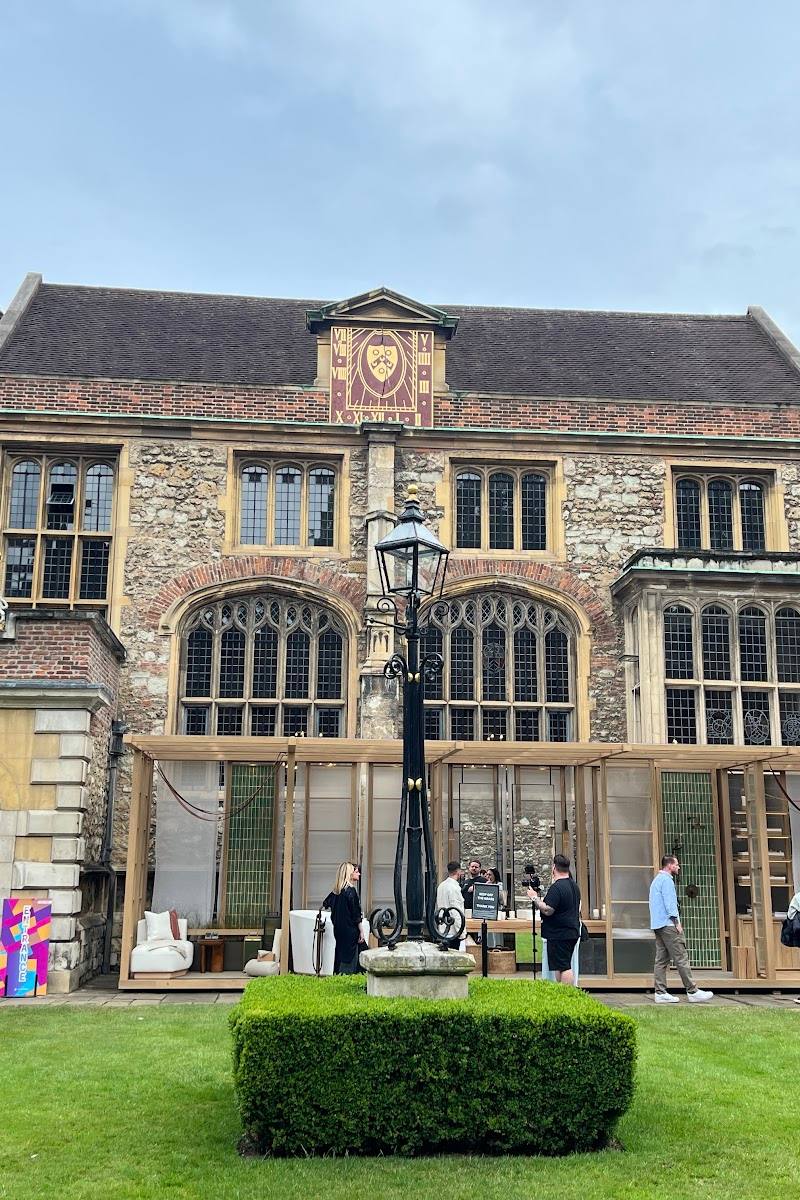
Continue to the Charterhouse courtyard gardens, listed by the London Gardens Trust as a nearby garden.
- 03
Check opening arrangements for both places before setting out.
Verified history
The supplied source describes the garden’s current habitat features, wildlife records and awards but does not establish a detailed history of its creation. The source row describes it as a community-led initiative; further historical detail is not verified here.
Hidden details
A surprisingly varied habitat in a small urban garden — The garden includes two ponds, a meadow, an orchard, a bird hide and woodland-edge habitat—a combination easy to miss if you treat it as just a patch of green among the Barbican buildings.
Look for the lesser stag beetle in its urban setting — The London Gardens Trust names the lesser stag beetle among more than 300 wildlife species recorded at the garden. The source does not guarantee a sighting.
When to go
April · May · June · Early morning may be quieter, but confirm that the garden is open at that time.
The source row describes spring as a time of blossoms and returning birds, and summer as a period of lush growth and insect activity. These are general seasonal descriptions, not guaranteed sightings.
Check the forecast and current access information before visiting. Paths may be woodchip or mulch; the garden is not fully accessible to wheelchair users.
Worth pairing with
The Charterhouse – Courtyard Gardens
A nearby historic estate with courtyard gardens, identified by the London Gardens Trust as a possible pairing. Check its opening times before visiting.
The Golden Baggers
A nearby community food-growing project with wildlife-friendly planting, listed by the London Gardens Trust. Check its opening times before visiting.
What to look for
Notice how the ponds, meadow, orchard and woodland edge create distinct pockets of habitat. The London Gardens Trust reports more than 300 recorded wildlife species, including lesser stag beetle and house sparrow.
Best time to go
Spring to early summer for the garden’s growth and wildlife activity; each season has its own appeal.
Spring and early summer are a good time to notice the garden’s plants and wildlife. For a quieter visit, the source row suggests weekdays or early mornings, but confirm that the garden is open at your chosen time.
How long to spend
Under 1 hour
Perfect for
Wildlife lovers · Photographers · Solo
Practical information
Opening & access
The London Gardens Trust lists Saturday and Sunday opening from 11:00 to 16:00. Check current opening arrangements before travelling. The garden is not fully accessible to wheelchair users; paths are woodchip or mulch, and dogs are limited to support or working assistance dogs. Access arrangements are unconfirmed. Check before visiting; do not enter private land or restricted structures.
Check before visiting
Parking
Parking information is not confirmed. Public transport is recommended; check current travel options before visiting.
Check before visiting
Toilets
No dedicated toilets in the garden are confirmed. The source row says facilities are available at the nearby Barbican Centre; check before visiting.
Check before visiting
Food & drink
The source row notes dining options at the nearby Barbican Centre. Check current availability.
Check before visiting
Dogs
Only support dogs or working assistance dogs, according to the London Gardens Trust.
Accessibility
Not fully accessible to wheelchair users. The London Gardens Trust says woodchip paths are due to be relaid to improve wheelchair mobility; check current path conditions before visiting.
Check before visiting
Cost
Check before visiting
Check before visiting
Water
Pond
Gallery
Place photographs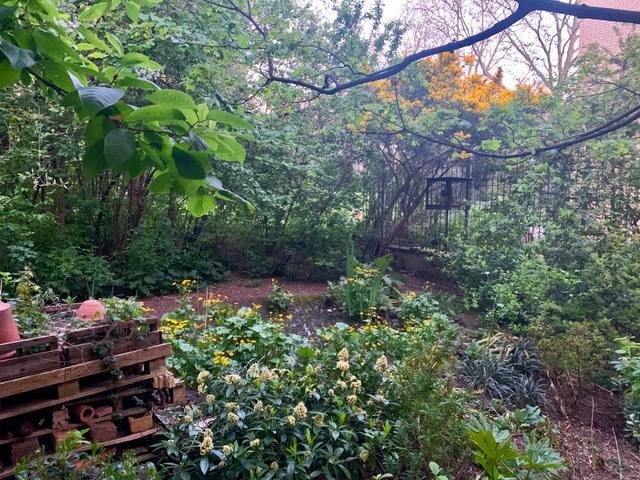
Keep exploring
Around Barbican Wildlife Garden
Within 50 km · approximate straight-line distances