On the Ashridge Estate, Berkhamsted, Hertfordshire HP4 1ES
Alpine Meadow, Berkhamsted
Mixed-habitat reserve
Place photograph
7.1
Wildland
1–2 hours
Time
Free
Cost
Peaceful
Feel
Why it's Wildland
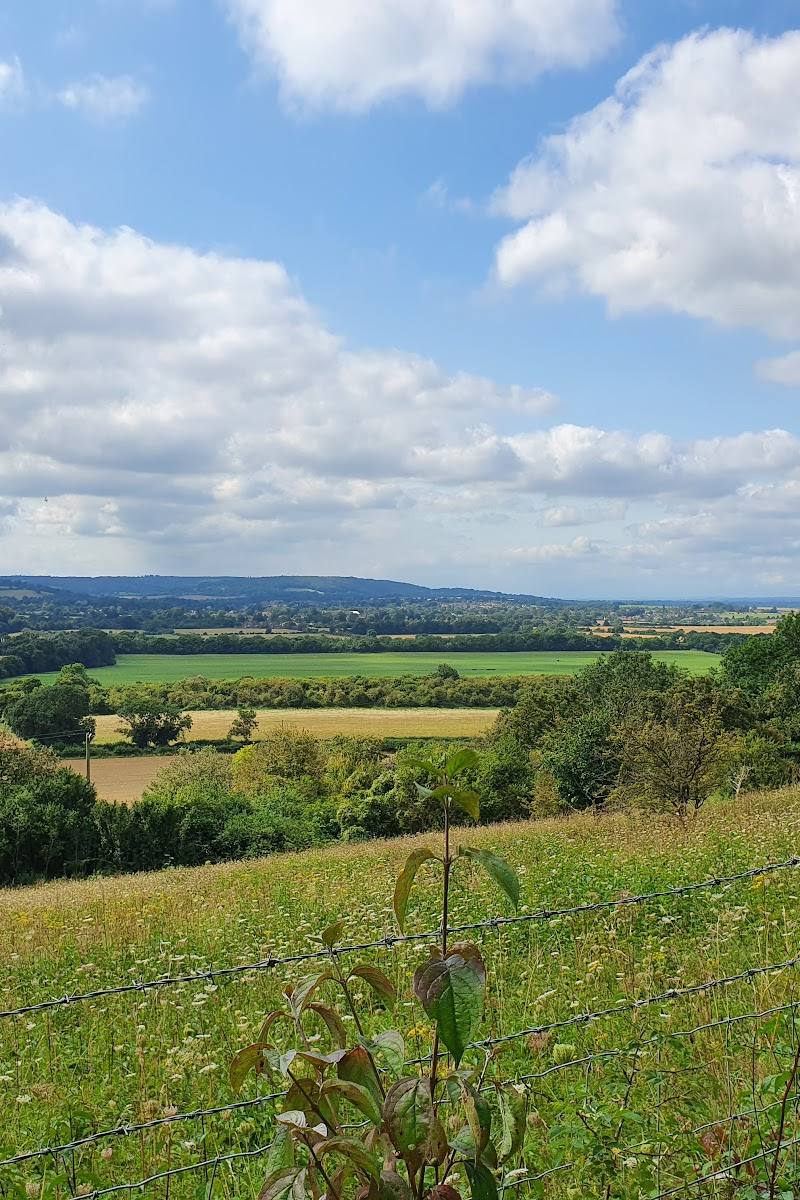
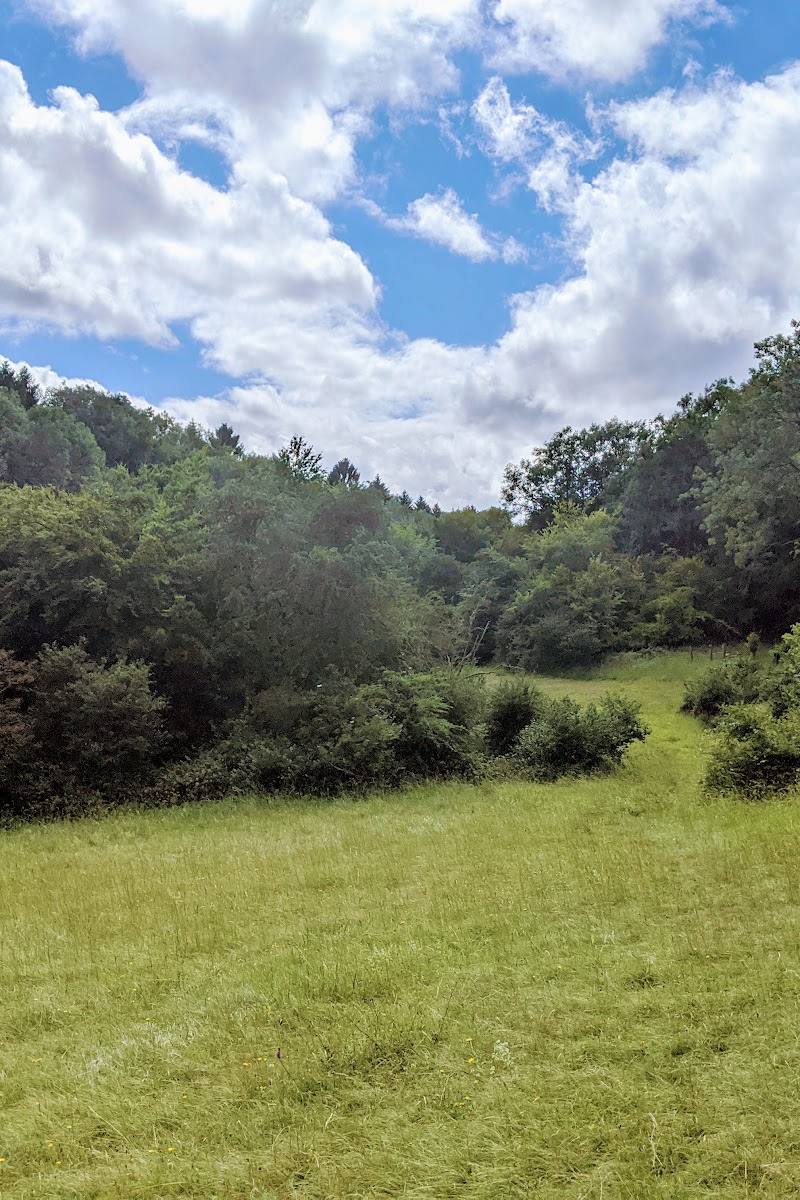
7.1A 9-hectare Site of Special Scientific Interest where chalk grassland occupies a wooded valley in the Ashridge Woodlands. Its warm slopes support seasonal wildflowers, butterflies and common lizards.
This is a small reserve with a specific sense of place: chalk grassland tucked into a wooded valley, reached on foot rather than by parking at the entrance. Spring and summer bring flowers and butterflies; the sloping, often muddy approach makes it less of an effortless picnic stop than the source-row description suggests.
Peaceful · Secluded · Wild
Find your way
Open mapOn the Ashridge Estate, Berkhamsted, Hertfordshire HP4 1ES
Opening map…
Know this place a little better?
The experience
Allow time for the 0.9-mile footpath approach each way as well as the reserve itself. Explore the warm grassland slopes and woodland edge, looking for seasonal flowers, butterflies and common lizards around the log piles at the top of the slope. Paths can be steep and muddy.
Things to do
Walk in from near Bridgewater School
Follow the footpath north for 0.9 miles to the reserve entrance. The Trust notes that some walking is required to reach the site and that paths can be steep and muddy.
About 0.9 miles each way to and from the entrance; total time depends on your pace and time spent at the reserve.
Look for summer flowers on the chalk slopes
Search the grassland for seasonal plants, including common spotted orchid and adder’s-tongue fern, listed by the Trust as summer highlights.
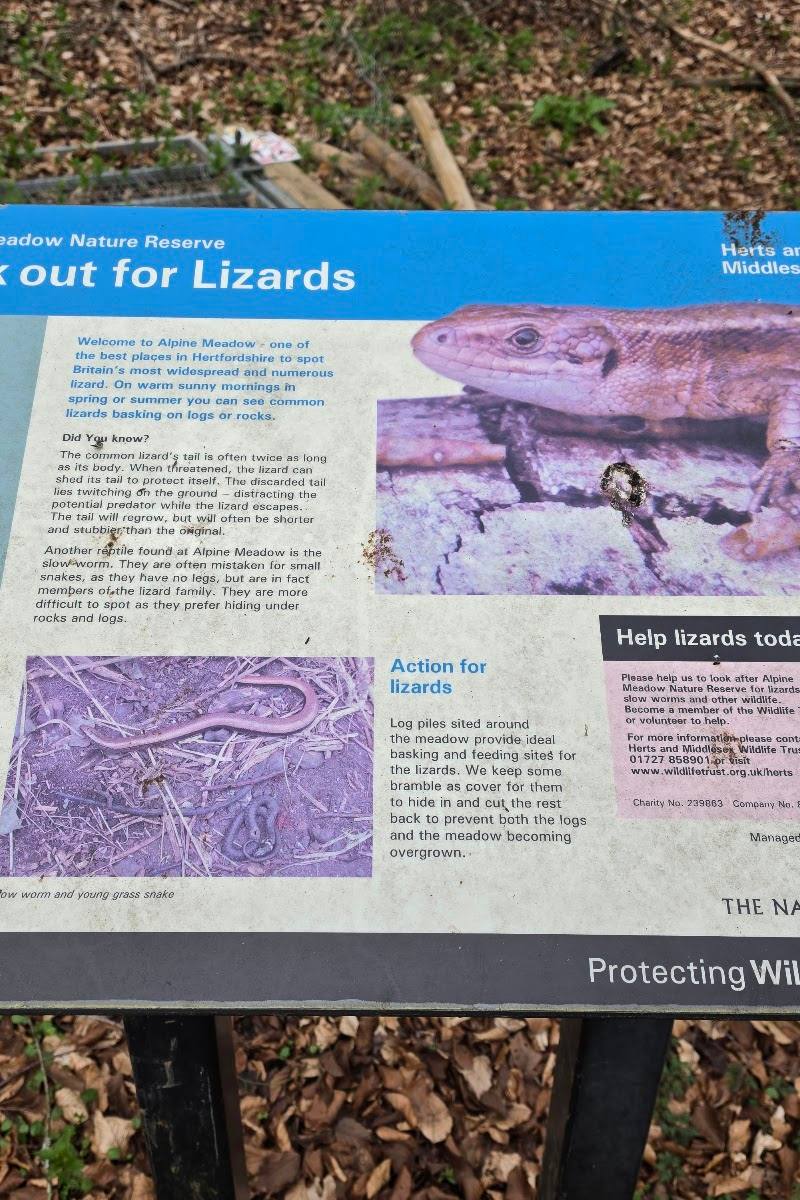
Watch for butterflies and common lizards
The Trust describes the warm sloping grassland as a draw for summer insects and identifies common lizards around log piles at the top of the slope. Common blue is among its seasonal highlights.
Listen for birds through the seasons
The reserve supports birds feeding in winter; the Trust lists blackcap and chiffchaff among spring highlights and blue tits, coal tits and long-tailed tits in winter.
Make a day of it
Quick escape · Allow at least 1–2 hours, including the 0.9-mile walk to the reserve each way.
Quick escape: the chalk-grassland walk
- 01
Start near Bridgewater School and follow the footpath north for 0.9 miles to the reserve entrance.
- 02
Explore the sloping chalk grassland and its woodland-valley setting at a relaxed pace.
- 03
In season, look for flowers and butterflies on the warm slopes; return by the same approach.
Hidden details
A chalk grassland in a wooded valley — The reserve’s defining contrast is its chalk grassland set within a wooded valley in the Ashridge Woodlands. It is designated a Site of Special Scientific Interest.
Check the log piles for common lizards — The Trust notes that common lizards may be spotted by the log piles at the top of the slope.
When to go
April · May · June · July · August · Early morning is suggested in the source row for a quieter visit; the supplied reserve source gives no specific time-of-day recommendation.
The Trust gives April to August as the best visiting period and says wildflowers and butterflies are present from spring to autumn. Summer also brings warm-slope insects and the chance to spot common lizards near log piles.
Footpaths can be muddy, and the reserve includes steep slopes. Wear footwear suited to uneven, potentially wet paths; check conditions before travelling.
Worth pairing with
Castle Hill, Berkhamsted
Berkhamsted Town Council describes a walk that takes in Alpine Meadow before returning through Castle Hill. Consult the council’s walk information for the route details; the supplied excerpt does not provide distance or timings.
What to look for
- 01
In summer, look for common spotted orchid and adder’s-tongue fern, and scan log piles at the top of the slope for common lizards. Common blue butterflies are a seasonal highlight. In spring, listen for blackcap and chiffchaff
- 02
winter visitors may see tits feeding around the reserve.
Best time to go
April–August, with wildflowers and butterflies most prominent from spring to autumn.
Visit between April and August. In summer, look for flowers and butterflies on the warm slopes; arrive early for a quieter visit, as suggested by the source row, but check conditions after wet weather.
How long to spend
1–2 hours
Perfect for
Walkers · Wildlife lovers · Photographers · Couples
Practical information
Opening & access
Herts and Middlesex Wildlife Trust says the reserve is open at all times and free to enter. From near Bridgewater School, follow the footpath north for 0.9 miles to the entrance. The approach and reserve include steep slopes and muddy footpaths; some walking is required to reach it.
Parking
There is no official parking. The Trust identifies roadside parking near Bridgewater School as the closest place to park and walk in; check current restrictions and availability before setting out.
Check before visiting
Toilets
Check before visiting; the Trust reserve page does not list on-site toilets.
Check before visiting
Food & drink
Check before visiting; no food facilities are listed in the supplied reserve information.
Check before visiting
Dogs
Dogs must be kept on a lead, according to the reserve’s managing Trust.
Accessibility
Not suitable to describe as generally wheelchair accessible on the available evidence: the Trust reports steep slopes, muddy footpaths and a walk through surrounding countryside to reach the reserve. Check with the Trust before visiting if you have specific access requirements.
Check before visiting
Cost
Free
Gallery
Place photographs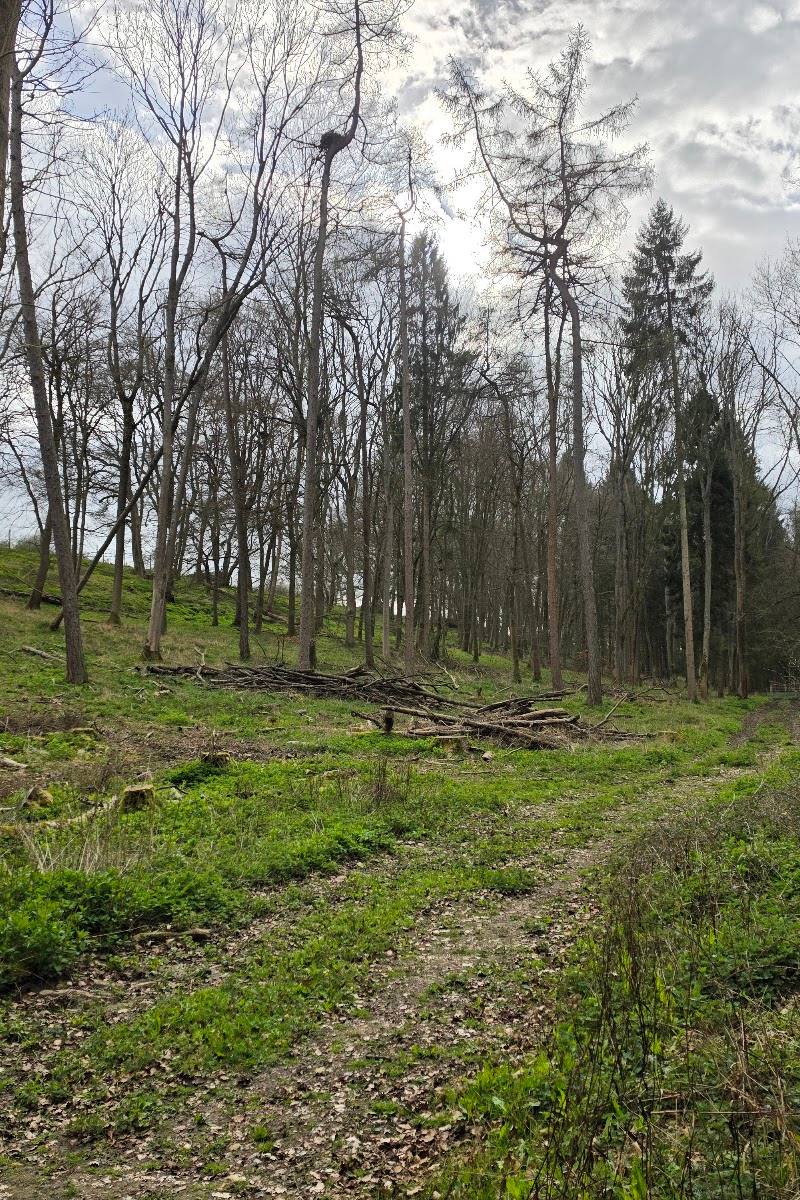
Keep exploring
Around Alpine Meadow, Berkhamsted
Within 50 km · approximate straight-line distances